Bal Harbour Shops Guide: Luxury Stores, Layout & Tips for 2026
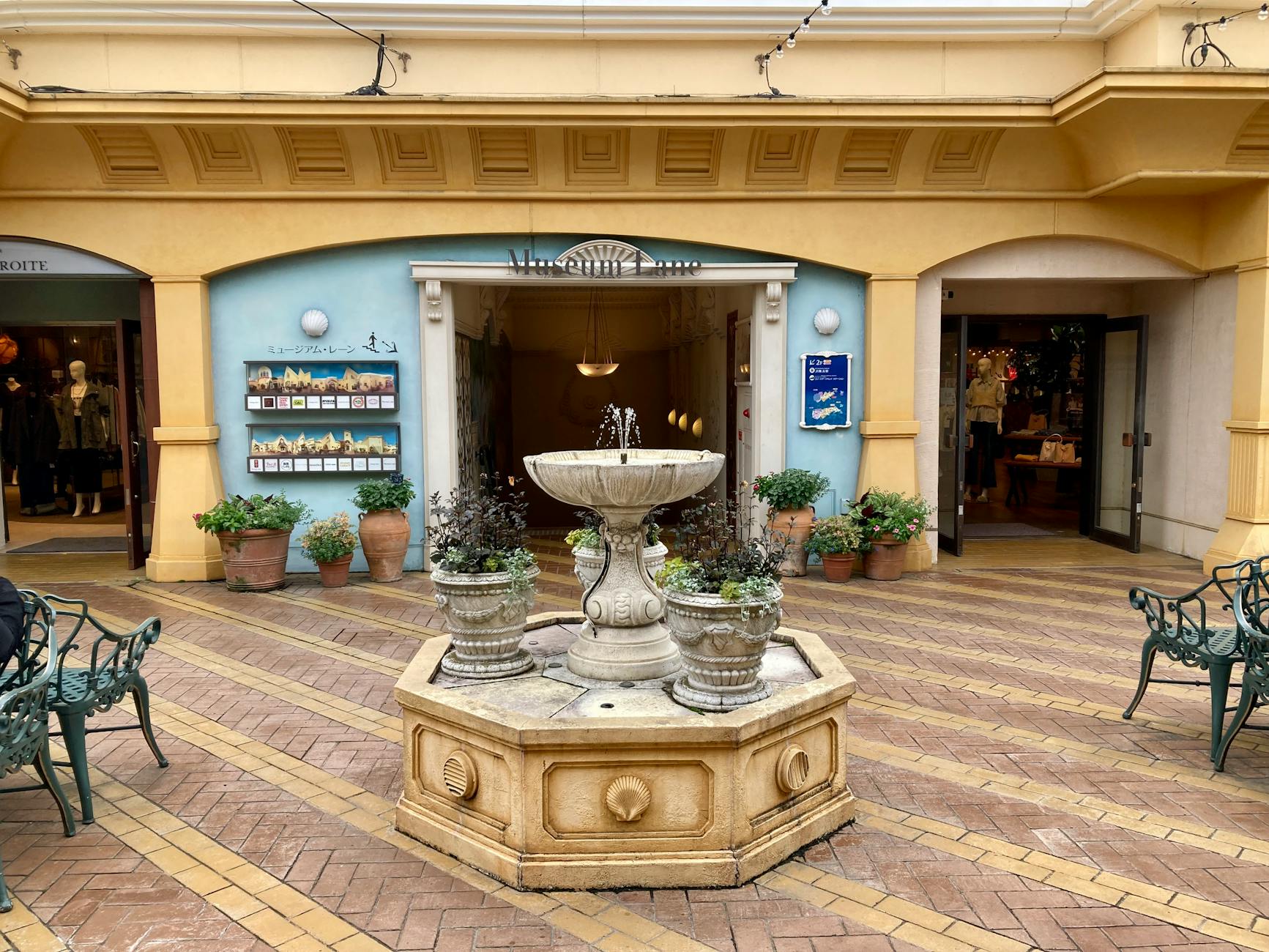
Bal Harbour Shops is the open-air luxury center at 9700 Collins Avenue that more or less invented the format: no roof, no food court, no anchor tenant selling towels, just three shaded levels of designer boutiques wrapped around koi ponds and forty-foot palms. It opened in 1965 with thirty tenants and is still owned and run by the same family. Today it holds more than 100 boutiques, seven places to eat, and the two department stores that made its name. It is also, right now, a construction site — a $550 million expansion is reshaping the eastern edge and has changed how you get in. This guide covers what is actually there, what it costs, and how to plan the day.
What Sets It Apart From Every Other Mall in Florida
The number everyone quotes is sales per square foot, and it is genuinely extraordinary. The center did roughly $1,000 per square foot in 1987, $1,350 in 2002, $2,000 in 2008, $2,730 in 2012, $3,000 in 2015 and around $3,400 by 2022 — figures that put it at or near the top of every global ranking of retail productivity, and roughly five to ten times the American mall average. It has held that position for decades on a footprint of about 450,000 square feet, which is a fraction of the size of the megamalls it outperforms.
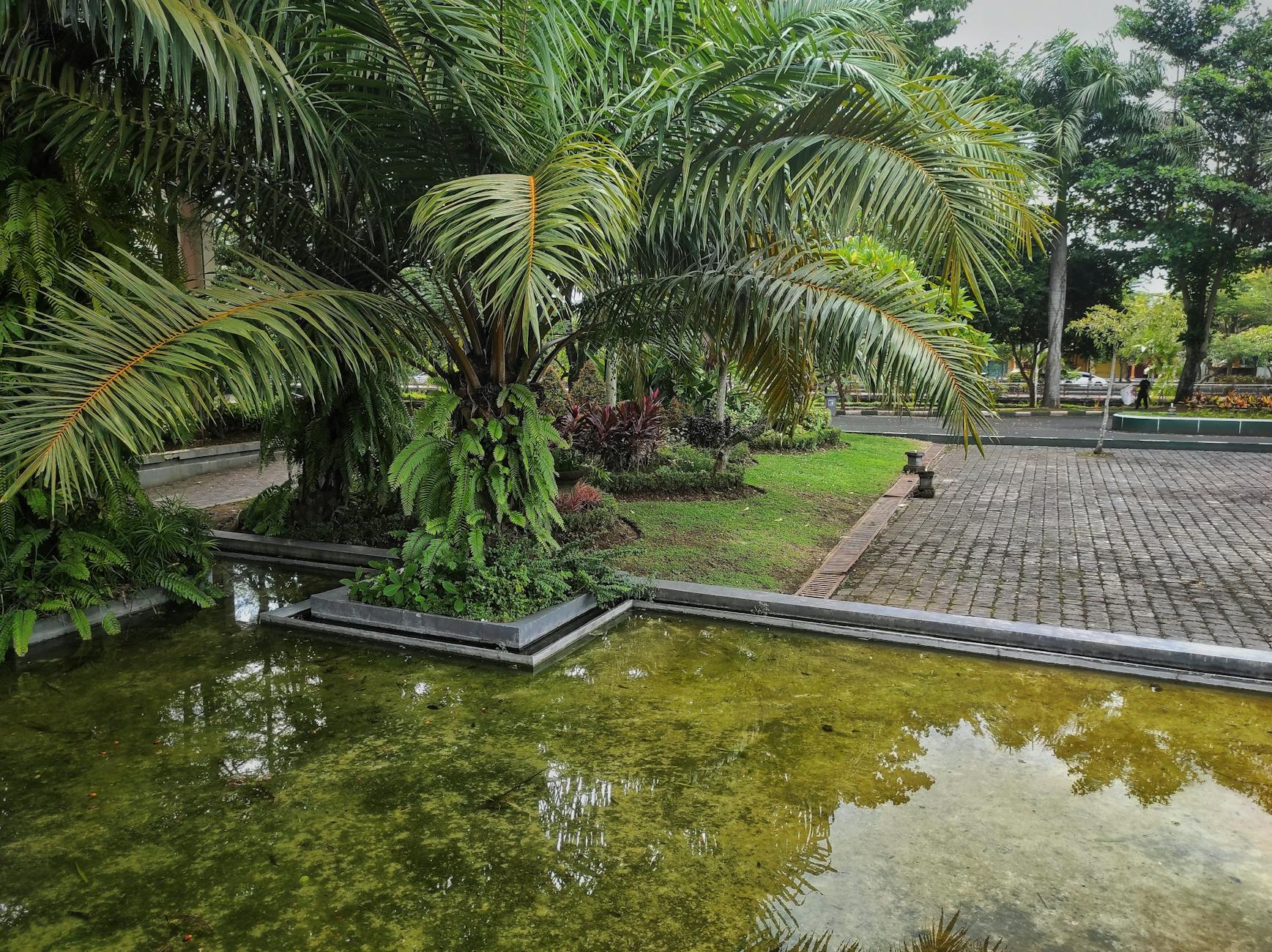
Four things drive it. Bal Harbour sits at the top of Miami Beach, ringed by some of the most expensive residential real estate in Florida, so there is a permanent local clientele who treat it as a corner shop. It draws enormous spend from Latin American visitors who fly in specifically. It has an unusually dense concentration of European houses in a small area, so a serious shopper covers in ninety minutes what would take a full day elsewhere. And the setting genuinely does not feel like a mall: you walk outdoors between boutiques, under vine-draped pergolas, past water features stocked with koi, with the Atlantic a two-minute walk east. Almost every American luxury center is a climate-controlled box; this one was deliberately built the other way, and sixty years on that is why people linger.
From Army Barracks to Luxury Benchmark
Stanley Whitman spent from 1954 to 1962 driving around the United States looking at shopping centers before he built his own. In 1957 he bought the site — a former US Army barracks and World War II prisoner-of-war camp — for $2 per square foot, a record price for retail land at the time, and one that colleagues thought was madness. He initially hired Victor Gruen, the Austrian architect who had effectively invented the enclosed American mall, then fired him and brought in the Miami firm Herbert H. Johnson & Associates to design something open to the weather instead.
It opened in 1965 as a single-level center with thirty retailers — America’s first all-luxury fashion center, and at the time widely regarded as a folly. The inaugural line-up included FAO Schwarz, Abercrombie & Fitch and Martha’s, an influential women’s salon that hosted runway shows for Valentino and Oscar de la Renta long before either had a boutique of his own here. Yves Saint Laurent and Gucci were among the first European houses to arrive; Cartier, Versace and Chanel followed within a few years.
The turning point was 1971, when Whitman persuaded Neiman Marcus to open its first specialty department store outside Texas here. Saks Fifth Avenue followed in 1976, making Bal Harbour the first address anywhere in the world where both would trade side by side — a detail often mis-dated to the 1965 opening. In 1982 the center became the first shopping center in the country planned for vertical expansion, and a 100,000-square-foot second level opened the following year. A third level came later; Makoto and the members’ lounge both sit on it today.
The business is still family-run three generations in — Stanley Whitman, his son Randall Whitman and grandson Matthew Whitman Lazenby, operating as Whitman Family Development. The 60th anniversary in 2025 was marked with a Rizzoli book, Theater of Shopping: The Story of Stanley Whitman’s Bal Harbour Shops, a 270-page history with a cover illustration by Tug Rice. It is sold at Books & Books inside the center and makes a better souvenir than most things here under $100.
How the Center Is Laid Out
Think in levels rather than wings. The layout is a long rectangle running roughly north–south, parallel to Collins Avenue, with an open central courtyard and staircases and lifts at either end. Neiman Marcus anchors the north end, Saks Fifth Avenue the south, and the boutiques run in two tiers along the flanks with a third level above part of the footprint. Water features and planted beds sit in the middle of the walkways, which is why the place feels slower than a normal mall — you physically cannot walk it in a straight line at speed.
Level 1 is where most of the marquee fashion houses sit, along with the jewellers and watch salons. Level 2 holds a second band of fashion and accessories plus a good share of the smaller specialists. Level 3 is the quietest: Makoto is up there, as is the Access Suite members’ lounge just beyond the parking-garage walkway, and Café en 3 in the sunlit atrium at the top of Neiman Marcus. If you want a seat and a coffee without a wait, go up.
The whole thing is walkable end to end in about eight minutes, which is the single most useful fact about the place. It is small. Two hours is a genuine visit; four hours is a leisurely one with lunch.
The Current Tenant Roster, Category by Category
Luxury rosters rotate constantly, and this one is rotating faster than usual because of the construction. Everything below is drawn from the official store directory as it currently stands; if a brand matters enough to build your trip around, phone the boutique before you drive out.
The Two Anchors
Neiman Marcus occupies the north end across three floors and is the more interesting of the two for browsing without commitment — the beauty hall, the shoe floor and the top-floor atrium are all worth a lap. Saks Fifth Avenue holds down the south end and has its own valet stand out front. Both run personal-shopping desks independently of the center’s service, and both will hold purchases for collection so you are not carrying bags around in the heat.
European Fashion Houses
Chanel, Prada, Miu Miu, Gucci, Bottega Veneta, Saint Laurent, Balenciaga, Fendi, Loewe, Versace, Dolce & Gabbana, Loro Piana, Valentino, Chloé, Etro, Balmain, Moncler, Isabel Marant, Stella McCartney, Ferragamo, Tod’s, Roberto Cavalli, Ermanno Scervino, Elisabetta Franchi and ZEGNA all trade here. The Italian tailoring cluster is unusually deep for the United States — Brioni, Kiton, ISAIA, Cesare Attolini, Eleventy and Peserico are all within a few minutes of each other, which is the sort of concentration you normally have to go to Milan for.
Jewelry and Watches
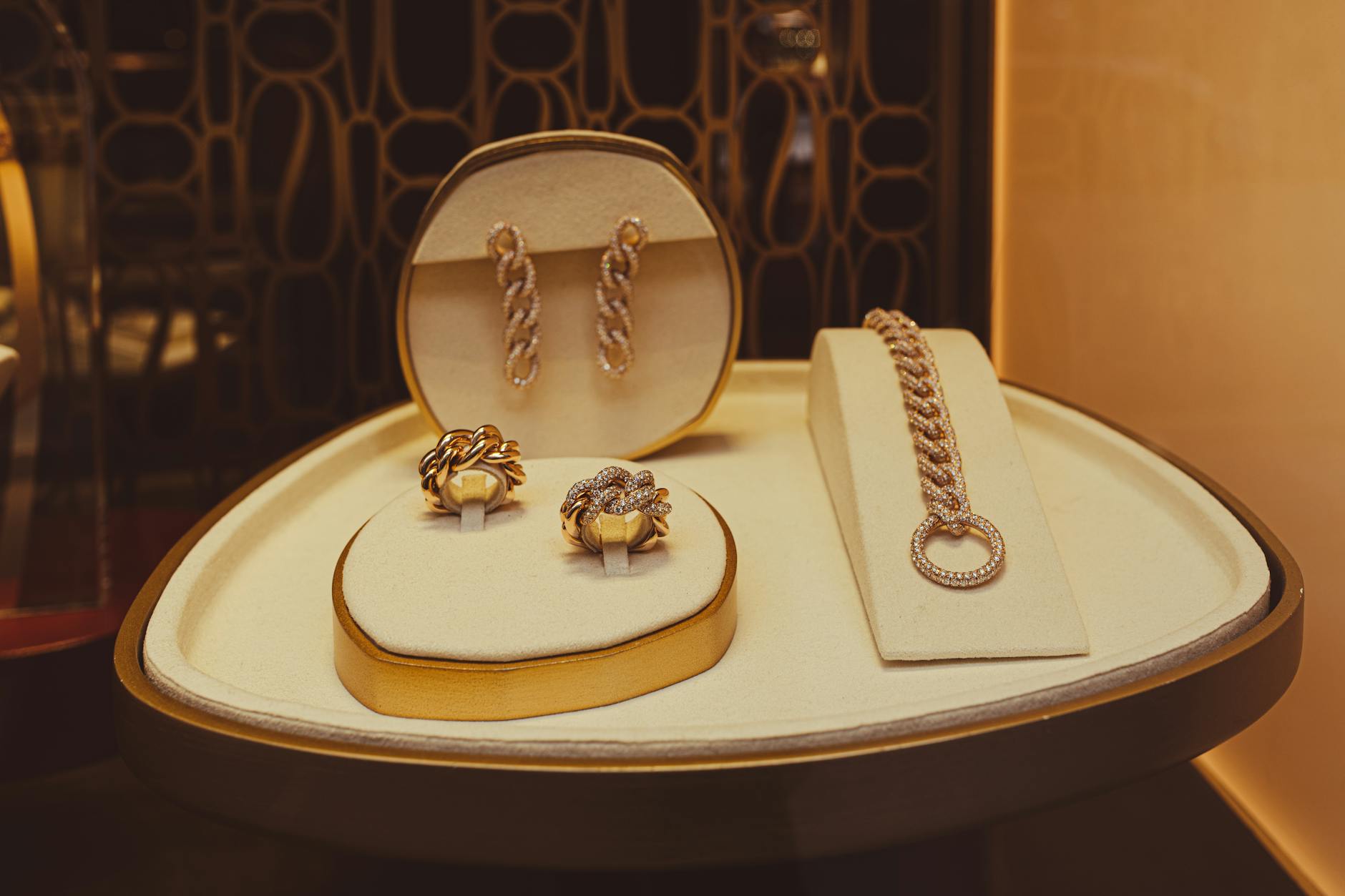
This is the strongest category in the center and the reason a lot of serious buyers come. Tiffany & Co., BVLGARI, Van Cleef & Arpels, Cartier’s peers Graff Jewelers and Harry Winston, plus David Yurman, Buccellati, Pomellato, Chopard, Vhernier, Davidor, Ara Vartanian, Maria Tash and YAFA. On the watch side: Audemars Piguet, Richard Mille, Hublot, Panerai, Jacob & Co., Bucherer and the Rolex boutique operated as Rolex by Tourneau. Waiting lists on the hardest steel sports watches are as long here as anywhere; walking in cold on a Saturday will not get you one.
Shoes, Bags and Leather
Goyard, Rimowa, Aquazzura, Gianvito Rossi, René Caovilla, Roger Vivier, Santoni, Alexandre Birman and Golden Goose. Goyard in particular is worth knowing about — the house keeps a deliberately small footprint in the US and does not sell online, so this is one of a handful of places in the country you can buy it.
Curated, Emerging and Specialist
The Webster is the Miami-founded multi-brand boutique that has done more than anyone to define the city’s fashion identity, and its Bal Harbour store is the one to visit if you want a single edited view of the season. Akris sits in a stripped-back space by David Chipperfield Architects, the practice behind the Swiss house’s stores worldwide. Brunello Cucinelli, Todd Snyder, Veronica Beard, Zimmermann, TOTEME, Victoria Beckham, Silvia Tcherassi, James Perse, Ralph Lauren, Scanlan Theodore, Orlebar Brown, Vilebrequin, Cremieux and Wolford round it out. TOTEME, Victoria Beckham, Peserico and China Grill are the most recent arrivals.
Beauty, Home, Books and Services
Diptyque, Le Labo and Santa Maria Novella cover fragrance. Lalique, Daum, Christofle, Frette, Michael Aram, Haremlique and Assouline cover home and gifting. Books & Books is the local independent bookshop chain and one of the few genuinely browsable, genuinely affordable shops in the center. Bonpoint, Monnalisa and Couture Kids handle children’s wear, Morgenthal Frederics does eyewear, and Red Market Salon and the Rivage Lounge cover hair and personal care.
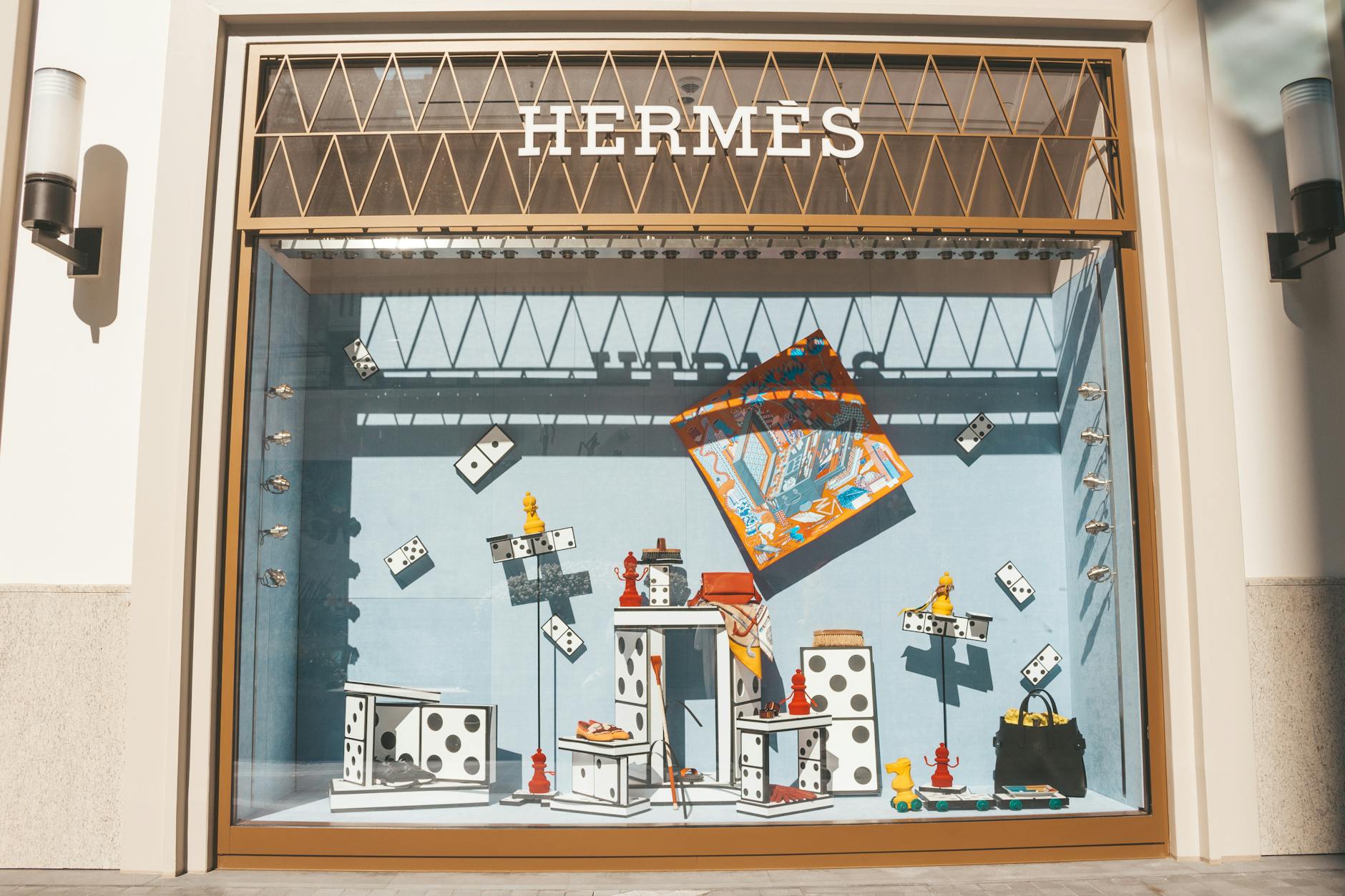
One honest caveat. A number of names that older guides and travel articles still attach to this address — Dior, Hermès, Louis Vuitton, Givenchy, Cartier, Tory Burch, Gabriela Hearst, Aesop and La Mer among them — do not appear in the current official directory. Some of those are casualties of the construction phase, some have simply moved on, and some may return when the new space opens. Rather than repeat them as fact, treat the live directory at balharbourshops.com as the only reliable list on any given week.
The $550 Million Expansion and What It Means for Your Visit
The enhancement plan was approved in 2017 after roughly a decade of negotiation with the Village of Bal Harbour, and adds around 241,600 square feet of new retail and restaurant space on top of the existing 450,000 — very nearly doubling the trading area to somewhere near 700,000 square feet. The stated reason is a long waiting list of luxury brands that cannot currently be accommodated. The original target was 2024; it has slipped, and there is no confirmed public completion date. Treat any specific opening year you read elsewhere with suspicion.
Practically, this means the 9700 Collins Avenue entrance and exit has been closed since February 2026 and the whole arrival sequence has been rerouted. The tropical landscaping, the koi ponds and the open-air character of the existing courtyards survive — the work is concentrated on the eastern portion rather than the historic core — but there are hoardings, some boutiques have shifted position and a few have gone dark temporarily. None of this ruins a visit, but do not turn up assuming a shop is where a two-year-old map says it is.
Where to Eat at Bal Harbour Shops
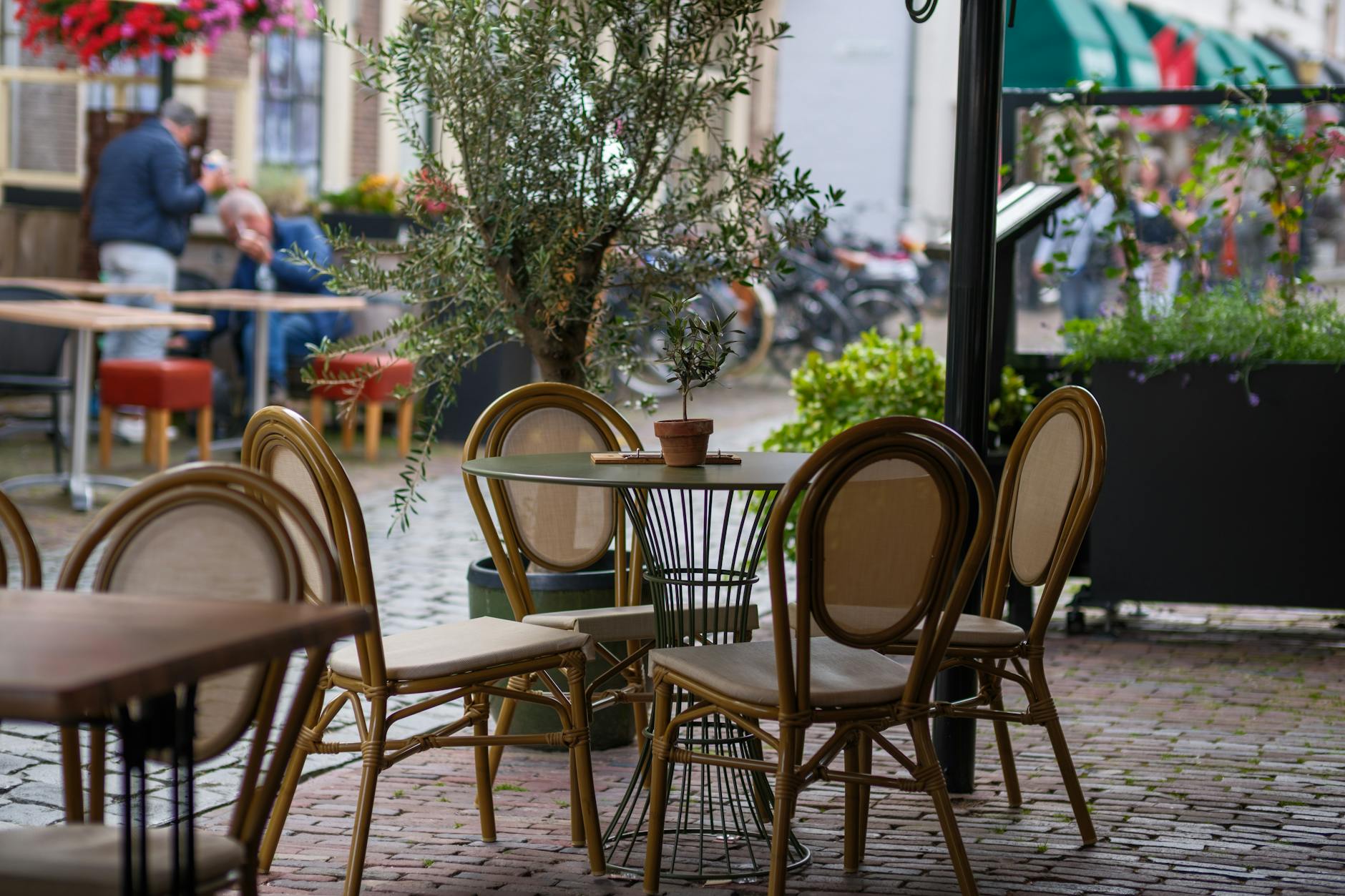
The dining program here is run as seriously as the retail, and it is one of the better arguments for coming even if you have no intention of buying clothes. There are seven options, and they cover a genuine range from a $20 lunch to a considerable dinner.
Carpaccio
The institution. It has been trading here since the late 1990s and is still where local power brokers, politicians, athletes and the Bal Harbour old guard have lunch. Order the crispy pizza Margherita, the Riviera salad, or the paper-thin beef, tuna or salmon carpaccio that gives the place its name. Terrace tables on the walkway are the ones to want. Open daily 11.30am to 11pm; reservations on 305.867.7777, though walk-ins usually work outside the Sunday lunch peak.
Makoto
Chef Makoto Okuwa’s Japanese restaurant on Level 3, and the best food in the center. Okuwa is an Edomae-style sushi master, and the kitchen splits between pristine raw fish, premium Japanese and American beef, and skewers off a charcoal robata grill. The indoor room is deliberately understated; there is a patio if you want the air. Open 11.30am to 11pm, reservations on 305.864.8600. Book several days ahead for a weekend dinner.
China Grill
The most talked-about opening here in years. Jeffrey Chodorow’s China Grill launched in New York in 1987 inside the CBS Black Rock building, opened in Miami Beach in September 1995, closed, and returned on 9 June at the entrance to Bal Harbour Shops. The format is large-format sharing plates arriving continuously — lobster pancakes, gilded black cod, tobiko dumplings — and it is loud and social by design. Sunday to Thursday noon to 11pm, Friday and Saturday noon to midnight, on 305.404.9700.
Slim’s
A steakhouse built to look like a 1930s supper club — leather banquettes, a period mural, martinis poured tableside. Prime cuts, a raw bar, caviar service, a Wagyu cheesesteak and a coconut chiffon cake that arrives in an alarming slab. The value play is the prix-fixe: lunch Monday to Friday at $40 a head, dinner Sunday to Thursday at $95. Lunch 11.30am–4pm weekdays, dinner from 4pm (to 10pm Sunday–Thursday, 11pm Friday and Saturday). Reservations via Resy or 305.703.0400.
Avenue 31 Café
An offshoot of the Monte Carlo original and the most useful address here for a normal person’s meal. It is a European all-day café with a full restaurant menu — Italian dishes, croissants and pastries baked in-house, a proper coffee bar and a serious wine list — with an outdoor terrace. Open daily 9am to 10pm; breakfast 9am to 2pm Thursday through Tuesday, lunch and dinner from noon. Call 786.359.4074.
Carrie’s at Neiman’s and Café en 3
Two department-store options that are better than that description suggests. Carrie’s at Neiman’s keeps the Neiman Marcus rituals alive — the chicken broth, the popovers, the mandarin orange soufflé — plus salads, plant-based bowls and house-made soups, Monday to Saturday noon to 7pm on 305-993-4580. Café en 3, in the sunlit third-floor atrium at Neiman Marcus, is the lighter, faster one: overnight oats, smoothies, avocado toast, poke and falafel bowls, gluten-free pasta. Mon–Sat 10am to 8.30pm, Sunday noon to 6pm, on 305.993.4620.
Two notes. First, several restaurants here participate in Miami Spice in August and September, which is the cheapest way in the calendar to eat at China Grill, Makoto or Slim’s — the opposite of a reason to avoid those months. Second, Le Zoo, the Stephen Starr Riviera bistro that occupied the Collins Avenue corner for years and still appears in a lot of guidebooks, and Hillstone, the American grill that was a reliable lunch here, are both absent from the current dining line-up. Do not plan around either.
Parking, Valet and the Ticketless System
This has changed and the old advice is wrong. Self-parking is no longer complimentary and no longer uses a ticket. You enter the 96th Street parking garage, cameras read your license plate and the barrier lifts with no ticket issued. To pay, scan any QR code inside the garage, enter your plate number and pay by card — cash is not accepted. On the way out the camera reads your plate again, confirms payment and opens the gate. Pay before you walk back to the car; the exit lanes back up when people are fumbling with phones at the barrier.
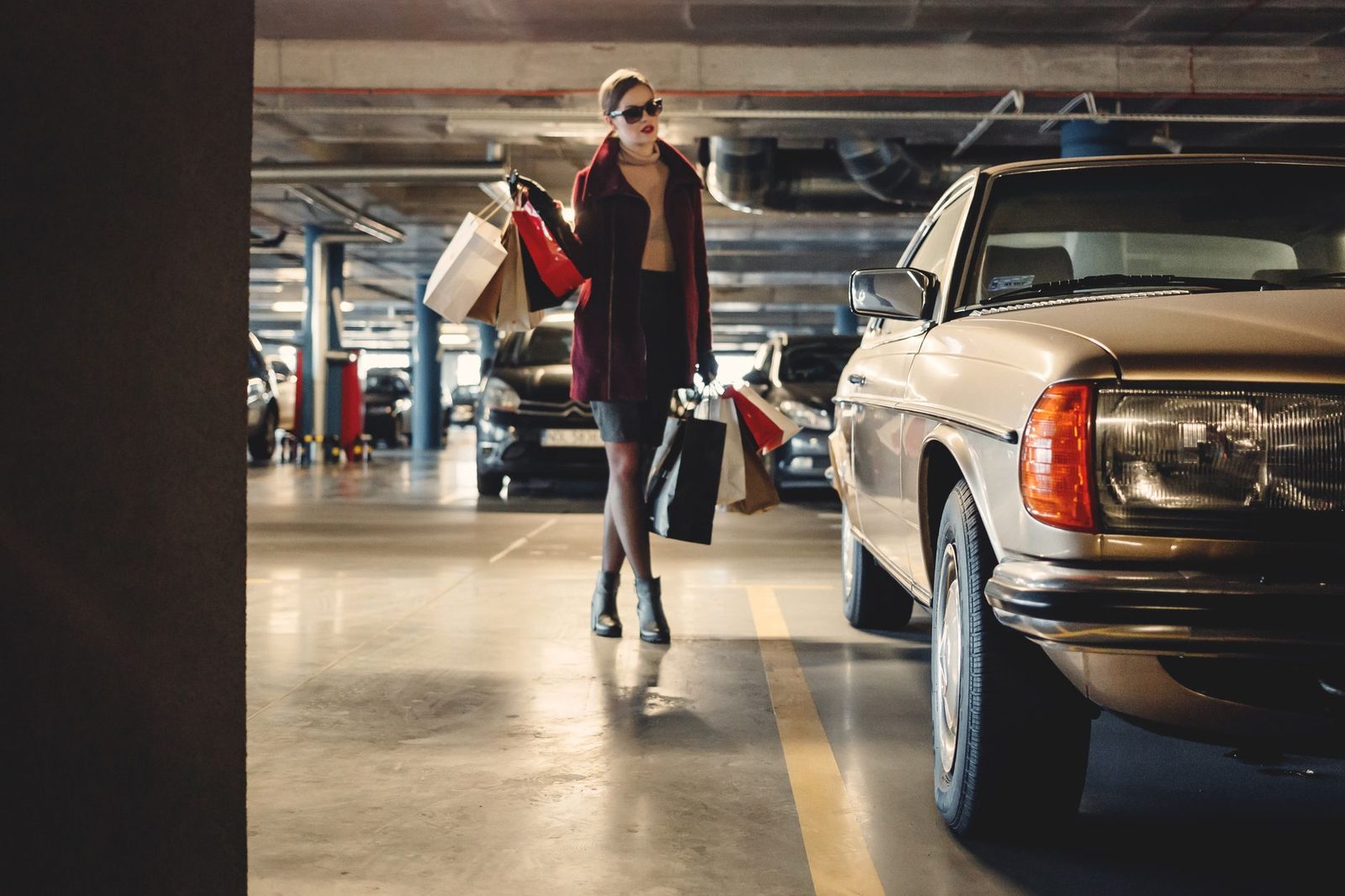
Current hourly self-park rates are not published on the website — they are posted on signage and in the payment portal, so check them when you arrive rather than budgeting from an old blog post. Valet, by contrast, is priced clearly. Standard Valet is $10 and sits on the 2nd/GREEN level of the 96th Street garage. Premium Valet is $30 and covers the ground-level stands in front of Neiman Marcus, in front of Carpaccio and in front of Saks Fifth Avenue. If you enter from Collins Avenue you will be funnelled into Premium whether you meant to or not, so use the 96th Street garage unless you actively want the $30 door-to-door service. The Saks stand is drop-off only during the works; you collect the car from the Neiman Marcus stand.
Members of the center’s Access program get Standard Valet free at all three tiers — Insider, Prestige and Elite — and Elite and Prestige members get an allocation of complimentary Premium Valet each month. Membership is free to join through the Bal Harbour Shops app, so if you are visiting more than once it is worth ten minutes of setup. Bring a few dollars for the valet attendants regardless; $5 to $10 is the local norm.
Rideshare has also moved. Uber and Lyft pick-ups and drop-offs are on the 2nd/GREEN level of the 96th Street garage, not on Collins Avenue. If your driver heads for 9700 Collins you will be dropped at a closed gate, so redirect them before you set off.
Getting There From South Beach, Downtown and the Airports
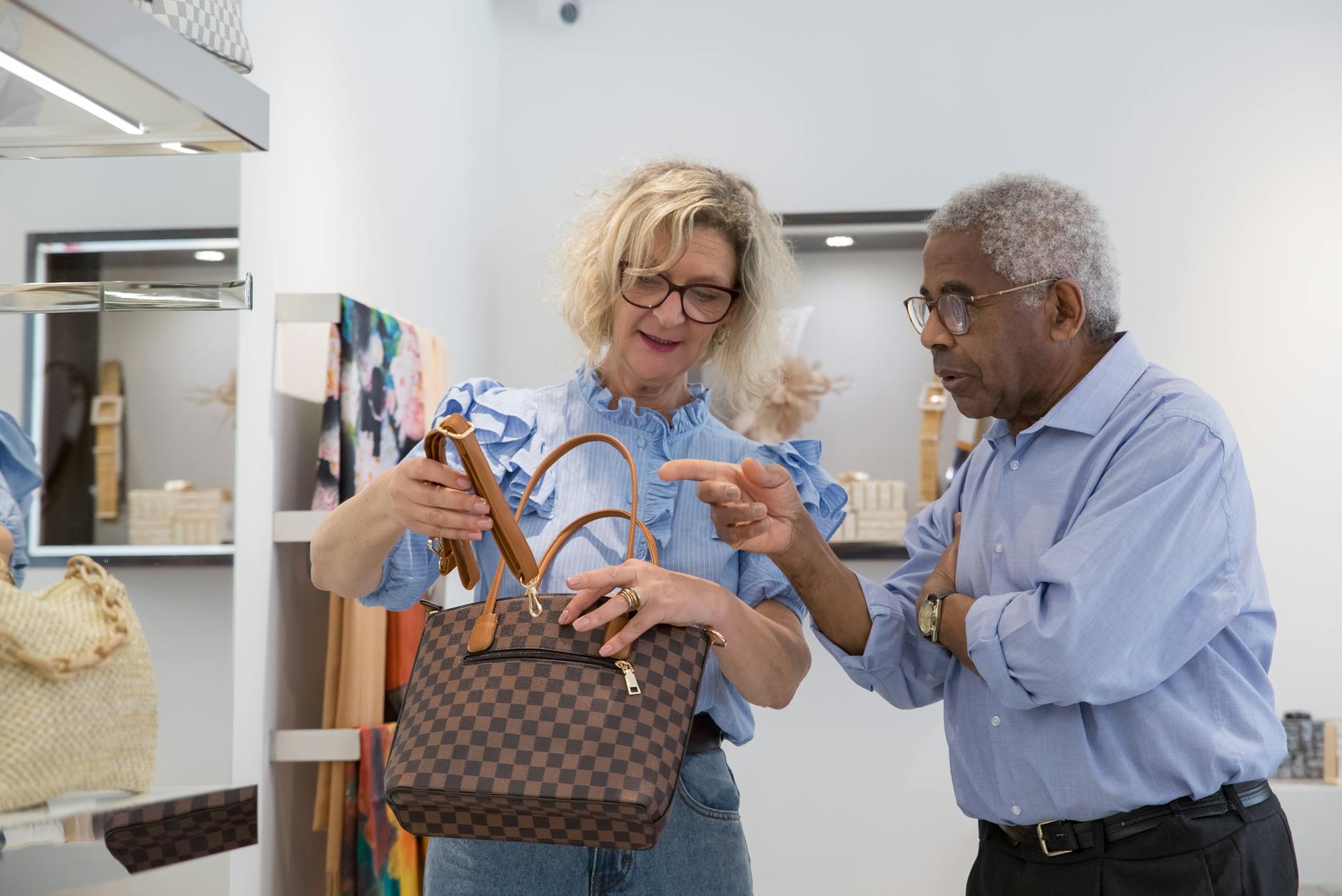
From South Beach it is a straight run north up Collins Avenue — about nine miles and 20 to 30 minutes depending on how badly the lights and the Ocean Drive traffic conspire. Budget $20 to $35 for a rideshare. From Downtown Miami or Brickell, take the MacArthur or Julia Tuttle Causeway across and pick up Collins or I-95 to the 125th Street causeway; reckon on 30 to 40 minutes and $35 to $50 in a car.
Miami International Airport is roughly 18 miles away and takes 35 to 50 minutes depending on the hour. Fort Lauderdale–Hollywood International is a similar distance to the north, around 20 miles, and in light traffic can actually be quicker. Neither is a taxi ride you want to make in the Friday afternoon peak.
Public transport is more viable than people expect: Miami-Dade Metrobus runs the length of Collins Avenue between South Beach and Aventura and stops directly outside, for a couple of dollars. Check current routing in a transit app, as the Beach routes get reshuffled periodically.
The best local secret is Freebee, the Village of Bal Harbour’s free on-demand electric shuttle. Request it through the Ride Freebee app and it takes you door to door anywhere in the service area, which includes Bal Harbour Shops, the Ritz-Carlton, the St. Regis, the Sea View Hotel, Beach Haus Bal Harbour, the 96th Street beach access, the Publix in Surfside, Haulover’s marina and skate park, and the shops on Kane Concourse in Bay Harbor Islands. It runs seven days a week, Monday to Thursday 10am to 10pm and Friday to Sunday 11am to 10pm, with a driver break from 3pm to 4pm, and it costs nothing. If you are staying in Bal Harbour or Surfside it replaces every short Uber you were going to take.
Several luxury Miami Beach hotels further south — the Faena, the Miami Beach EDITION and the Four Seasons among them — will arrange car service up here on request. Worth asking the concierge; it is not always complimentary but it is often cheaper than a surge-priced rideshare.
Hours, Dress Code, Timing and What a Day Actually Costs
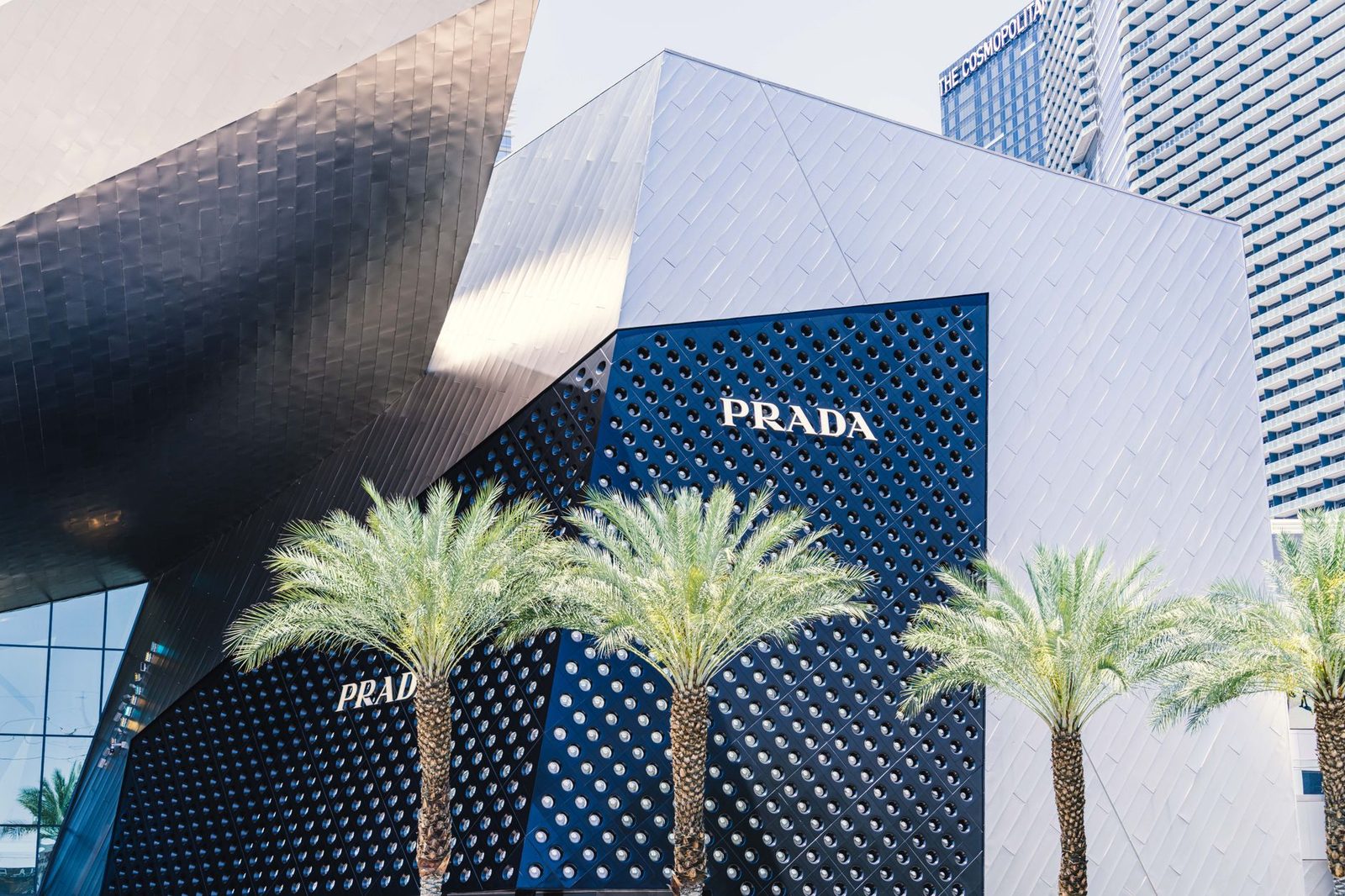
Opening hours are now 11am to 9pm, seven days a week — simpler than the staggered weekday and Sunday hours the center used to keep, and worth double-checking on the day because individual boutiques set their own. Restaurants run longer at both ends: Avenue 31 Café opens at 9am and China Grill runs to midnight on Fridays and Saturdays, so you can arrive for breakfast before the shops open and stay well after they close.
There is no enforced dress code and nobody will stop you in shorts and flip-flops — plenty of people come straight off the beach. That said, service quality here tracks how you present. If you intend to shop seriously, especially at the watch salons or the harder-to-access handbag counters, dress as you would for a decent lunch. Miami smart-casual is more than enough; nobody expects a jacket.
On timing: Saturday afternoon is the peak and the boutiques are three-deep. Tuesday to Thursday between 11am and 2pm is the calm window, when you get an attentive associate rather than a line number. Late afternoon from about 5pm is the other good slot — the light through the palms is at its best, the courtyards cool down and you can roll straight into dinner. Seasonally, spring (March to May) and autumn (October and November) are the sweet spot for an open-air center. Summer afternoons from June to September regularly hit the low 90s Fahrenheit with heavy humidity and you walk outdoors between boutiques, so go early or at dusk. December through March is peak season: busy, but at its most pleasant weather-wise.
As for cost, a day here can be almost free or genuinely eye-watering. The floor is parking plus a coffee and pastry at Avenue 31 Café — call it $25 to $35 all in. A comfortable version is $10 Standard Valet, the $40 prix-fixe lunch at Slim’s, and a browse: under $60 a head. Dinner at Makoto or China Grill with a couple of glasses of wine will put you at $120 to $180 per person before you have bought anything. Florida sales tax in Miami-Dade County is 7% and is added at the till. One correction worth making loudly: there is no sales-tax refund scheme for international visitors in Florida, whatever you may have been told. The United States has no VAT-refund system, and you cannot reclaim the 7% at the airport.
Personal Shopping, the Access Suite and Concierge Services
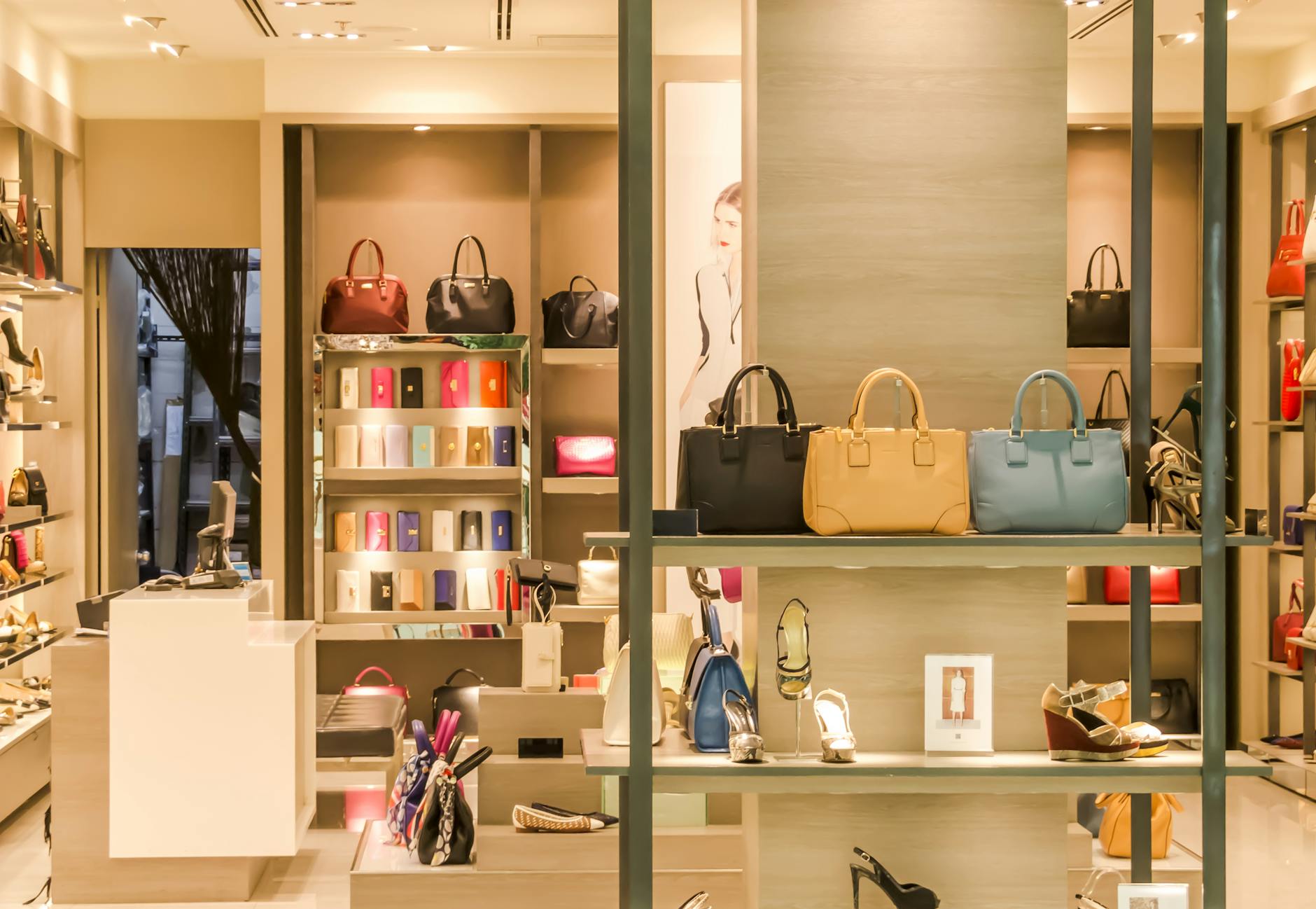
The center runs its own personal shopping and styling division, separate from the ones inside Neiman Marcus and Saks. Two stylists staff it: Luz Muñoz, Venezuelan-born and working in Miami fashion since 2015 with stints at Burberry, Versace and Dior, and Valentina Vélez, from Medellín and thirteen years in Miami, whose own aesthetic she describes as minimalist with intentional statement pieces. They will pull from the whole center rather than one store, which is the point — a single appointment can cover twenty boutiques without you walking into any of them.
The service is complimentary, offered to Elite-tier Access members or by private appointment subject to availability. Sessions are framed as a seasonal wardrobe curation, an event or holiday look built head to toe, or a shorter accessories refresh. Book by emailing [email protected], or call Luz on 786.618.8878 or Valentina on 786.469.0302. Give a week’s notice and be specific about budget and occasion; vague briefs produce vague racks.
The Access Suite is the members’ lounge on Level 3, just past the parking-garage walkway — a quiet retreat mid-shop and the room where private styling appointments happen. Access membership is free, runs on the Bal Harbour Shops app and works on uploaded receipts: you photograph what you spend and it accrues towards rewards, valet allowances and birthday-month gifts. Credit-card linking was discontinued, so receipt uploads are the only route now.
Separately, the highest-demand boutiques — Chanel and the top watch salons especially — increasingly work by appointment for anything beyond browsing. Book through the brand’s own website or ask your hotel concierge to call. Turning up on spec for a specific limited-edition handbag is the commonest way visitors waste an afternoon here.
The Beach, the Boardwalk and Where to Stay Nearby
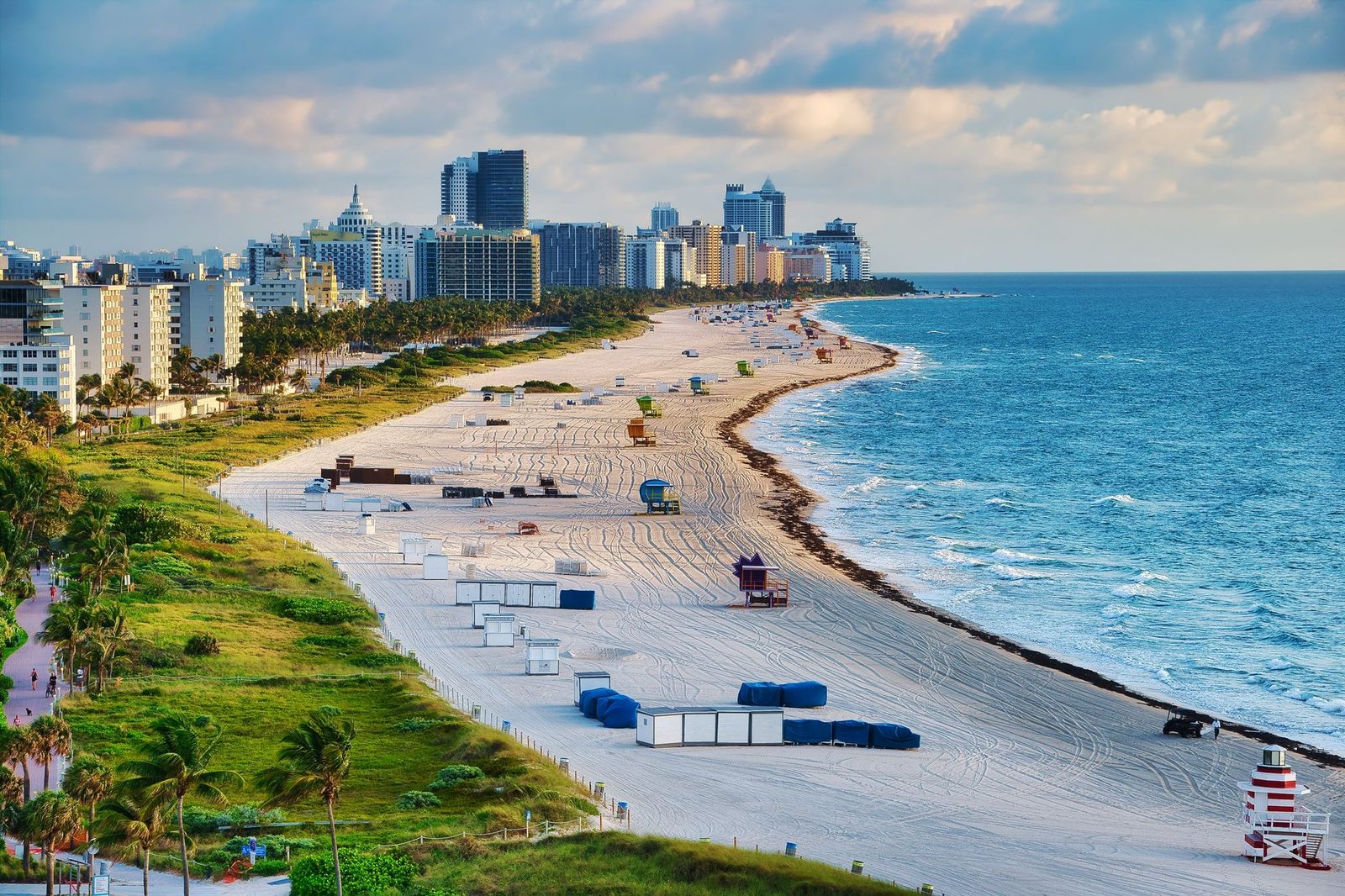
The Atlantic is a two-minute walk east, and the public beach access is at 96th Street. Bal Harbour’s stretch of sand is wide, well maintained and dramatically quieter than South Beach — no music, no vendors, no crowds outside holiday weekends. A landscaped beach path runs behind the dune line through sea grape and native planting, and it continues north to the jetty at Haulover Cut, where you can watch boat traffic threading the inlet. Note that the 102nd Street beach access path, which you may see referenced, is gated and restricted to Bal Harbour residents with an All Access Card — 96th Street is the one for visitors.
Head south instead and you are in Surfside within a few blocks, where the beachwalk carries on down towards North Beach and eventually links into the Miami Beach Boardwalk. Surfside’s Harding Avenue is the counterweight to the Shops: a low-rise strip of bakeries, cafés and small independents where nothing costs four figures, and a good place to end an afternoon. Our North Beach & Surfside guide covers that neighborhood in detail. North across the bridge is Haulover Park, with its marina, skate park and — at the north end — Florida’s best-known clothing-optional beach, which is worth knowing about in either direction.
For hotels, the two closest are The St. Regis Bal Harbour Resort and The Ritz-Carlton Bal Harbour, both directly across Collins Avenue and both a genuine one-minute walk to the shops — the St. Regis in particular is effectively adjacent. The Sea View Hotel is the old-guard, lower-key option in the same block and much better value. Beach Haus Bal Harbour is the condo-hotel alternative. Slightly further out, the Westin Beach Resort sits just down the coast, and the Carillon Miami Wellness Resort is about fifteen minutes south in North Beach if you want a spa-led stay with the Shops as a day trip. All are inside the free Freebee service area or a very short ride from it.
Is It Worth It, and How It Compares to Miami’s Other Shopping
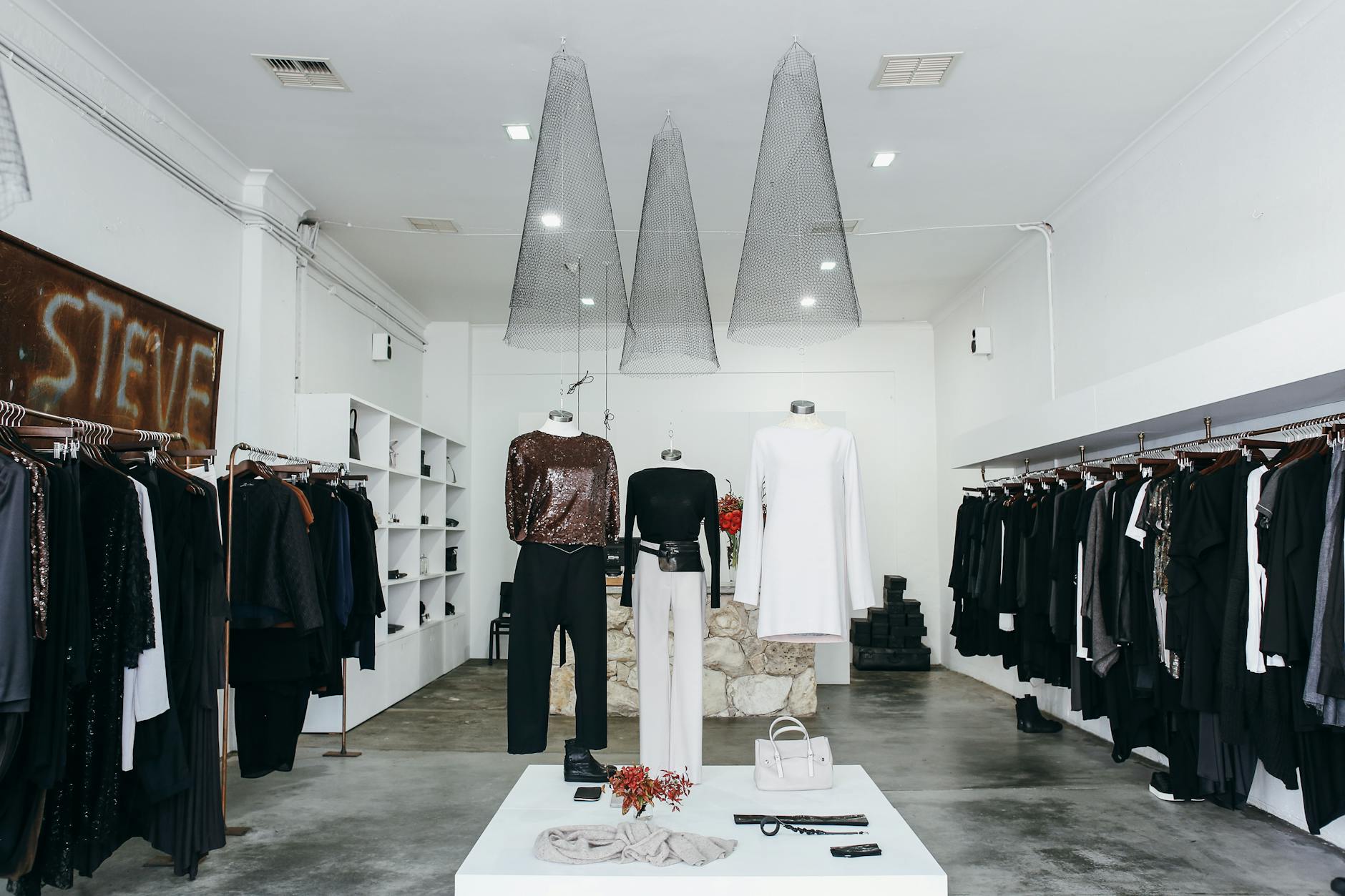
The honest answer on whether it is worth visiting if you have no intention of buying: yes, but for about ninety minutes, and preferably built around lunch. The architecture, the planting and the koi ponds are the draw, not the merchandise, and nobody will bother you for browsing. Combine it with the beach and Surfside and you have a good half-day that costs the price of parking and a sandwich. It is not, however, a destination in its own right for a non-shopper who has traveled across the city specifically — for that, the Design District does more.
Aventura Mall is fifteen minutes north and is the opposite proposition: enormous, enclosed, air-conditioned, with a huge mid-market tenant base alongside its luxury wing, a serious art collection and things for children to do. Go there for range, a rainy-day option, or anything below the luxury tier. The Miami Design District is the real rival and overlaps heavily on brands — a street-grid neighborhood rather than a center, with public art, galleries and a stronger restaurant scene, closer to Downtown and Wynwood. It feels newer and more urban; Bal Harbour feels older, calmer and more coastal. If you are staying in Brickell, the Design District is the easier trip. If you are on the beach, this one is.
Lincoln Road in South Beach is not really a competitor at all — it is a pedestrian mall of chain stores, cafés and street performers, fun to walk but not a luxury destination. And if you are chasing discounts rather than current season, Sawgrass Mills outlet is where the outlet stock goes, about an hour west. Our roundup of the best malls in Miami puts all of these side by side.
Frequently Asked Questions
What are the opening hours at Bal Harbour Shops?
The center is open 11am to 9pm every day of the week, including Sunday. Individual boutiques and department stores can vary — Café en 3 closes at 8.30pm on weekdays and 6pm on Sunday, for instance, while China Grill runs to midnight on Friday and Saturday. If you are making a special trip for one shop, phone it directly. Hours also shift on major holidays.
Is parking free at Bal Harbour Shops?
No, not any more. Self-parking is now ticketless and paid: cameras read your plate on entry, you scan a QR code inside the garage and pay by card, and the barrier opens automatically on exit once payment is verified. Cash is not accepted. Rates are posted on site rather than published online. Valet is $10 for Standard on the garage’s green level and $30 for Premium at the ground-level stands.
How do I get in now that the Collins Avenue entrance is closed?
Drive in through the 96th Street parking garage or the 9800 Collins Avenue entrance; the 9700 Collins entrance has been closed since February 2026. Rideshare drops off on the 2nd/GREEN level of the 96th Street garage. On foot from Collins Avenue, use the pedestrian walkway near the 9700 block and enter between Chanel and Neiman Marcus; from 96th Street, take the garage walkway and the lift to the green level.
How long should I allow for a visit?
Two hours is a real visit if you are browsing, and you can walk the full length in under ten minutes. Four hours covers a proper shop plus a sit-down lunch. If you have appointments at two or three boutiques, allow a full afternoon — the by-appointment houses are unhurried by design and will not rush you through in twenty minutes.
Is there a dress code?
There is no formal dress code and beachwear will not get you turned away. But service noticeably tracks presentation in the luxury boutiques, so if you plan to buy something significant, dress as you would for a good lunch. Smart-casual is entirely sufficient. The restaurants are the same — Slim’s and Makoto are more polished than the cafés, but neither requires a jacket.
Is Bal Harbour Shops worth visiting if I am not going to buy anything?
For about ninety minutes, yes. The open-air layout, the mature tropical planting and the koi ponds make it a pleasant walk in its own right, and nobody polices browsing. Pair it with the beach at 96th Street and lunch at Avenue 31 Café or Carpaccio and you have a good half-day for the cost of parking and a meal. As a standalone attraction for a committed non-shopper, it is thin.
Can international visitors claim a sales tax refund?
No. Florida does not operate a sales-tax refund scheme for foreign visitors and the United States has no VAT-refund system at all. The 7% Miami-Dade rate you pay at the till is final. Some retailers will arrange international shipping, which in certain circumstances removes Florida sales tax on the transaction — ask the boutique directly, and factor in shipping and your own country’s import duty.
How many stores are there, and which brands?
The official count is more than 100 boutiques plus the two anchors, Neiman Marcus and Saks Fifth Avenue, and seven restaurants. The fashion roster runs from Chanel, Prada, Gucci and Bottega Veneta through to Loewe, Valentino and Balenciaga, with an unusually deep jewelry and watch offering including Van Cleef & Arpels, Graff, Harry Winston, Audemars Piguet and Richard Mille. The list changes often; check the live directory before you travel.
Is Bal Harbour Shops good for families?
It is manageable rather than designed for it. There are children’s boutiques — Bonpoint, Monnalisa and Couture Kids — and the open courtyards, koi ponds and Books & Books keep small children occupied for a while, but there is no play area, cinema or entertainment offer. Aventura Mall is the better choice with children in tow, or pair a short visit here with an hour on the beach.
Do I need a reservation for the restaurants?
For Makoto, China Grill and Slim’s at dinner, yes — book several days ahead for a weekend and use Resy for Slim’s. Carpaccio takes walk-ins comfortably outside the Sunday lunch rush. Avenue 31 Café, Café en 3 and Carrie’s at Neiman’s are all walk-in. If the center is busy and you have not booked, Level 3 is where the seats are.
What is the Access membership and is it worth joining?
Access is the center’s free loyalty program, run through the Bal Harbour Shops app, with three tiers: Insider, Prestige and Elite. All three get complimentary Standard Valet, a $10 saving per visit; Prestige and Elite get an allocation of free Premium Valet. It also unlocks the Access Suite lounge on Level 3 and, at Elite level, the personal shopping service. Rewards accrue from uploaded receipts. Worth joining if you are visiting more than once.
When will the expansion be finished?
There is no confirmed public completion date. The $550 million plan was approved in 2017 with an original target of 2024 and has slipped; work on the eastern portion of the site is ongoing. The existing courtyards, planting and water features remain open and largely unaffected. Expect hoardings, a rerouted entrance and some boutiques in temporary positions until it is done.
Plan Your Miami Shopping
For the wider picture, browse our complete Miami Shopping Guide, or the deep dives on the best malls in Miami, Aventura Mall, Sawgrass Mills outlet and Miami Design District shopping. Pair a visit here with the North Beach & Surfside guide for the neighborhood immediately south.
For the current store directory, restaurant hours and construction updates, the official source is balharbourshops.com. Given how fast the tenant list is moving during the expansion, it is worth a look the morning you go.