South Beach Wine Food Festival 2026: 25th Anniversary Guide
This article contains advertising. Our booking links are routed through a partner that adds commission tracking automatically, so if you book through one we earn a commission from the provider, at no extra cost to you. It never affects what we recommend. Affiliate disclosure
Every February, Miami Beach hands over three blocks of sand, half a dozen hotel ballrooms and most of its restaurant industry to the largest celebrity-chef food festival in the United States. The South Beach Wine and Food Festival — officially the Food Network South Beach Wine & Food Festival presented by Capital One, and universally shortened to SOBEWFF — runs four days, stages more than 100 separate events and draws roughly 500 chefs, sommeliers, restaurateurs and television personalities to a strip of barrier island barely ten blocks wide. The 25th anniversary edition wrapped in February 2026. The next one lands on 25–28 February 2027, and this guide is built around planning for it.
Festival Dates, Format and How the Four Days Work
The 2027 festival runs Thursday 25 February through Sunday 28 February, confirmed on the official site, and it will be the 26th edition. That is a week later in the calendar than the 2026 dates of 19–22 February, so if you are pattern-matching from last year, adjust. The festival is produced by Florida International University and hosted by Southern Glazer’s Wine & Spirits, with Food Network supplying most of the on-camera talent and Capital One as presenting sponsor. Loews Miami Beach is the official host hotel and the base for a surprising share of the program.
There is no single festival ground and no wristband that gets you everything. SOBEWFF is a loose federation of individually ticketed events, and you buy them one at a time. A typical year carries 105 or more of them across four days: giant walk-around tastings on the beach, seated dinners in hotel ballrooms and restaurants, wine seminars, hands-on cooking classes, brunches, beach workouts, late-night parties and neighborhood pop-ups. Some run concurrently. Nobody attends more than a fraction, and the people who enjoy the weekend most are the ones who accepted that early.
The center of gravity is Miami Beach — the Grand Tasting Village tents on the sand off Ocean Drive around 11th to 12th Street, and the American Airlines North Venue a few blocks north, where the big competitions are staged. But the program now spreads across Mid Beach, North Beach, Bal Harbour, Coconut Grove, Coral Gables, the Miami Design District, Downtown and Brickell, Little Havana, Little Haiti, Historic Overtown, Wynwood, Kendall and Fort Lauderdale. Read venue lines carefully before you buy: a $200 dinner in Fort Lauderdale is a 45-minute drive from your South Beach hotel.
Looking Back: The 25th Anniversary Edition in February 2026
The 2026 festival, held 19–22 February, was the silver anniversary and the organisers leaned into it. Andrew Zimmern hosted a closing beach party, 25 Years of Legendary Bites & Iconic Sips, reassembling vendors from across the festival’s history — Azucar Ice Cream, Ms. Cheezious, World Famous House of Mac, Cheese Burger Baby — with a DJ Cassidy set on the sand. Duff Goldman fronted a late-night dessert party at The National Hotel called Let Them Eat Cake! A Sweet Celebration of 25 Years. Diplo played opening night in the Eventstar Courtyard beside the Grand Tasting Village, the first time that space became a night stage.
Sofia Vergara and her son Manolo hosted the Saturday Grand Tasting Village. Rachael Ray returned for Burger Bash, which hit its own 20-year mark, co-hosting with Brooklyn Peltz Beckham. Guy Fieri ran Tournament of Champions LIVE. Bobby Flay was master of ceremonies at a Tribute Dinner honoring Miami’s own Michelle Bernstein alongside Provence rosé producer Sacha Lichine. Ja Rule, DJ Khaled, Cedric Gervais and Rev Run all performed. It was, by any measure, a fully loaded year — useful context for what a milestone edition looks like, and a reasonable baseline for what 2027 will resemble.
The history goes back further than 25 years. The event began as a one-day affair called the Florida Extravaganza at FIU’s Biscayne Bay Campus from 1997 to 2001. Lee Brian Schrager took it over in 2002, moved it to South Beach and renamed it; that first edition drew about 7,000 guests. Food Network came aboard for 2007, which pulled 30,000 people and introduced Burger Bash. Recent editions run 60,000 to 65,000 across the four days.
Inside the Goya Foods Grand Tasting Village
If you only do one thing, do this. The Goya Foods’ Grand Tasting Village is the festival’s flagship daytime event, running noon to 5pm on both Saturday and Sunday inside white tents pitched across roughly three city blocks of beach behind Ocean Drive. Dozens of South Florida restaurants set up stations and hand out small plates. Southern Glazer’s pours wine, spirits and cocktails from an enormous portfolio. Gourmet producers hawk hot sauce and olive oil and knives. Everything — every bite, every glass, all taxes and fees — is included in the ticket. You do not pay for anything inside.

Two demonstration stages run all afternoon under the Publix Culinary Demonstrations banner. In 2026 the Saturday line-up put Guy Fieri, Bobby Flay, Marcus Samuelsson, Alex Guarnaschelli, Maneet Chauhan, Jet Tila, Duff Goldman, the Voltaggio brothers, Geoffrey Zakarian and Jeff Mauro on those stages; Sunday brought Andrew Zimmern, Robert Irvine, Tyler Florence, Aarón Sánchez, Antonia Lofaso, Rocco DiSpirito, Michelle Bernstein and Kardea Brown. Demos are included with admission, seating is first come first served, and the crowd around the popular ones gets deep. If there is a chef you specifically want to see, get to that stage fifteen minutes early.
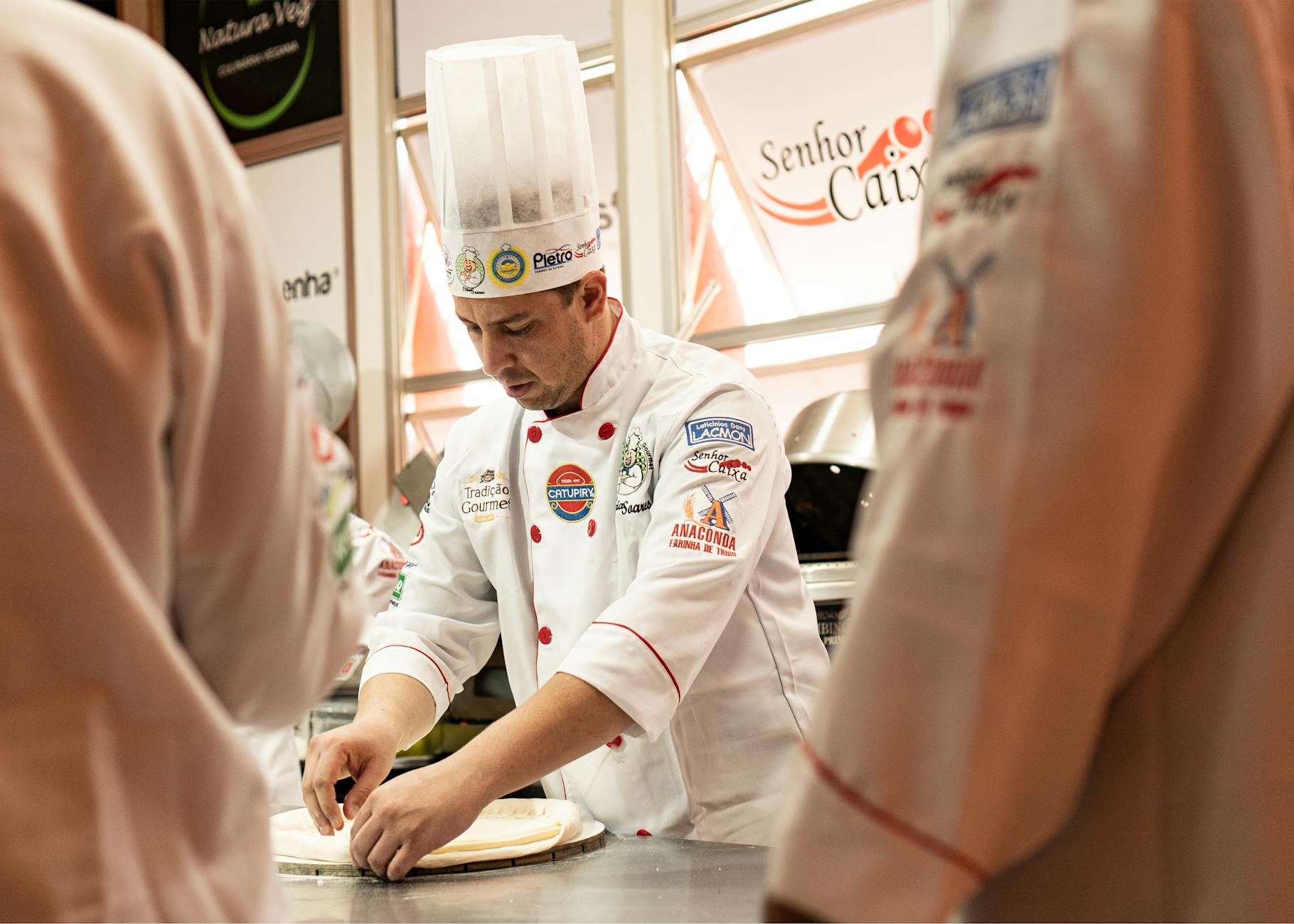
Working the Village well takes discipline. Arrive within the first half hour, before lines at the marquee stations set in. Walk the full length of the tents once without eating, then double back. Eat first and drink second — five hours of unlimited pours in direct February sun has ended plenty of weekends early. Drink water between stations. Wear shoes you can cross sand in, because heels are a genuine mistake here. And save appetite for the back half: the smaller producers at the far end are often where the best single bites hide.
Ticket pricing gives you a sense of scale. In 2026 the Saturday session ran $399 general admission and Sunday $339, with a Capital One cardholder rate of $237 for either. Sunday afternoons have lately been folded into a David Grutman-produced party in the adjoining Eventstar Courtyard — in 2026 that meant DJ Khaled and Cedric Gervais from 3pm — so the Sunday session skews younger and louder as the day goes on. Saturday is the better choice if you are there primarily for the food.
Burger Bash and the Beachfront Competitions
Mike’s Amazing Burger Bash
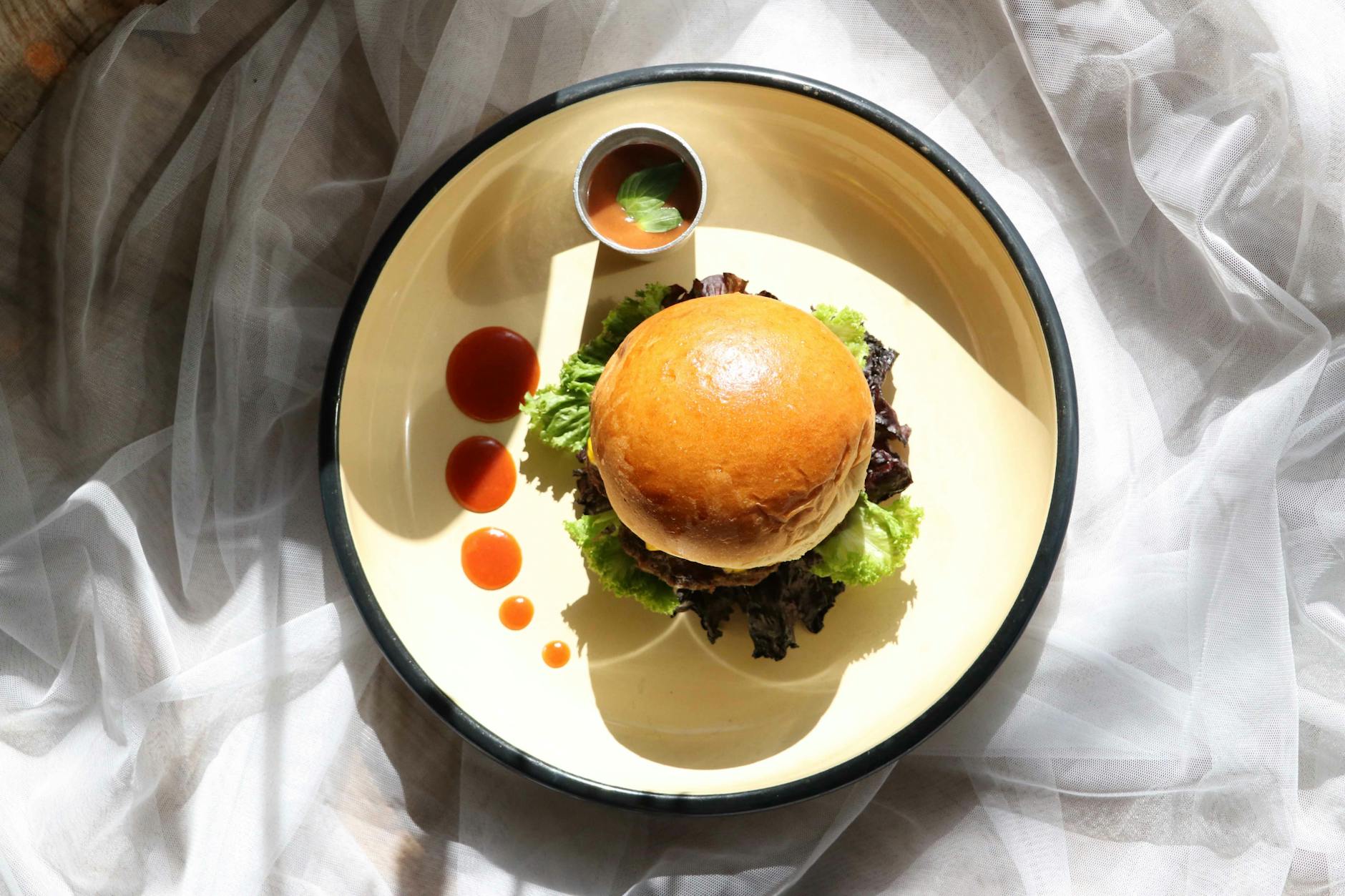
The festival’s signature party and the one that sells out first, hosted by Rachael Ray since its 2007 debut. Thirty-odd chefs grill their best burger under a beachfront tent at the American Airlines North Venue, guests graze through the lot with unlimited drinks, and everyone votes for a People’s Choice winner while a celebrity panel picks a separate Best Burger award. The 2026 edition ran 7:30pm to 10:30pm on the Thursday at $339 general admission, with a $399 Capital One tier granting entry half an hour early. That early entry is worth more than it sounds — it is the only window when the lines are short.
Tournament of Champions LIVE
Guy Fieri’s Food Network competition series staged on the sand, and the best value of the marquee events at $280 in 2026 versus Burger Bash’s $339. Five teams of five chefs — a mix of past Tournament winners, series alumni and rising names, with captains including Brooke Williamson, Maneet Chauhan, Tiffani Faison, Mei Lin and Antonia Lofaso — cook across twenty-five interactive tasting stations while guests taste and vote. It is loud, theatrical and considerably more fun to move through than a seated event. If you are choosing between this and Burger Bash on budget, take this one.
Best of the Best and the Seated Dinner Circuit
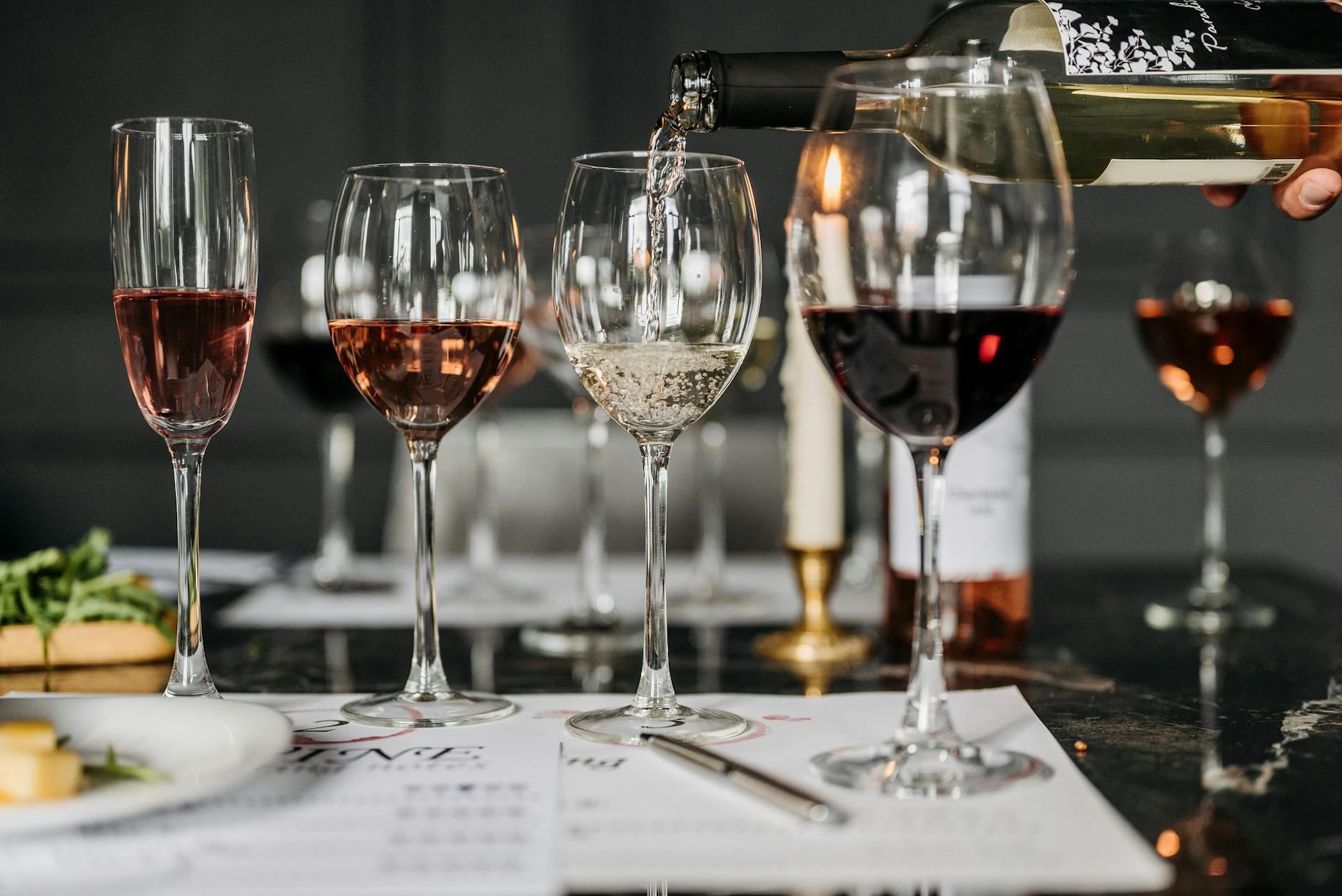
Wine Spectator’s Best of the Best has been running at the Fontainebleau Miami Beach since 2005 and is the festival’s grown-up evening. Sixty-plus chefs — James Beard winners, Michelin-starred names, Food & Wine Best New Chefs, plus a strong Miami contingent — pair with sixty-five or more wineries pouring seriously good bottles, all indoors and air-conditioned. The 2026 line-up included Michael Mina, David Burke, Ken Oringer, Karen Akunowicz, Diego Oka, Giorgio Rapicavoli and Eileen Andrade. There is a Wine Wall where you take home a bottle. At $469 general admission it is the most expensive walk-around on the calendar, and for wine people it is the one to prioritize over any beach event.
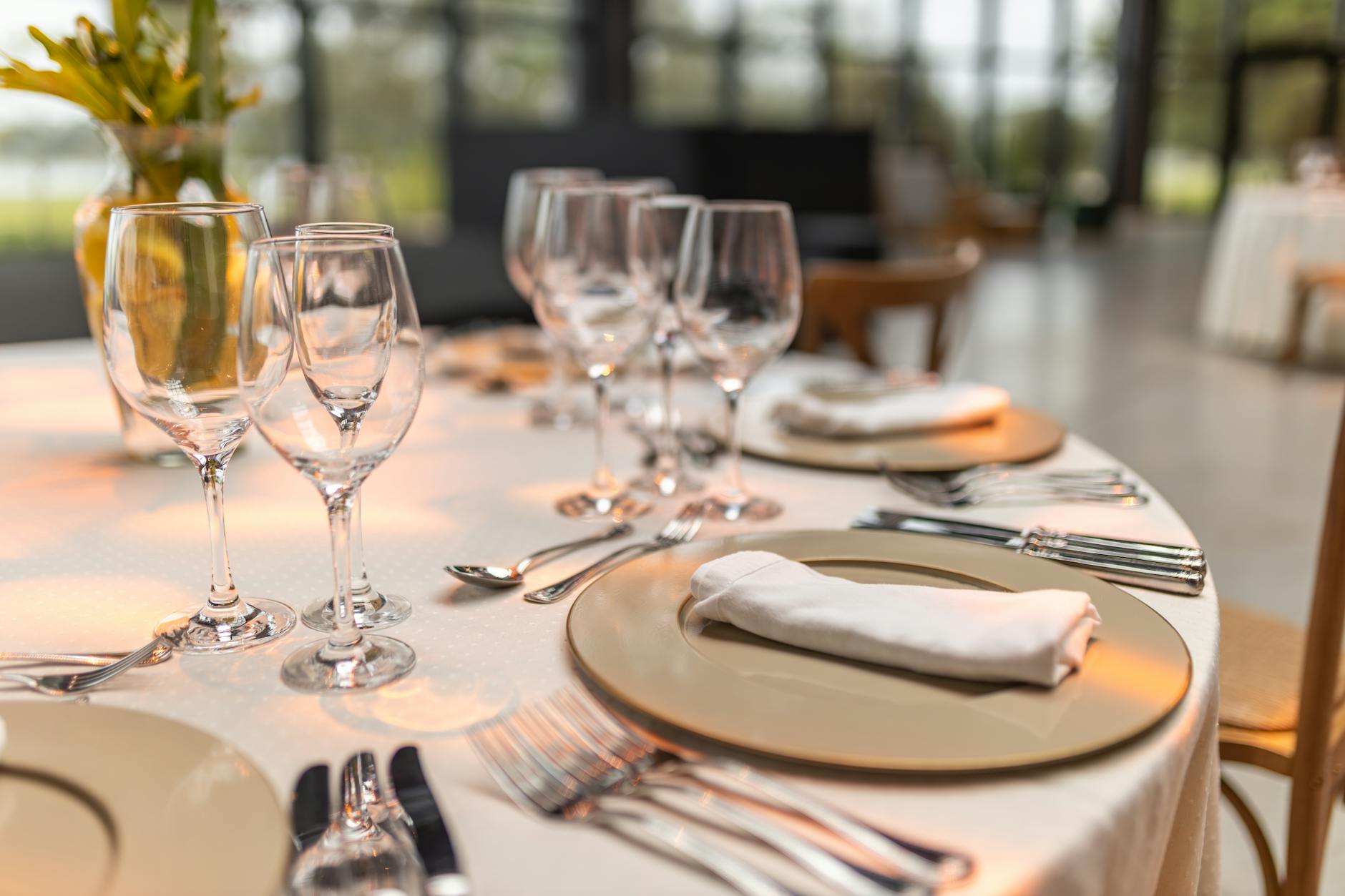
The seated dinners are where the festival gets intimate. Each year a Tribute Dinner honors industry figures — in 2026, Michelle Bernstein and Sacha Lichine, with Bobby Flay as master of ceremonies and courses from Scott Conant, Michael Symon and others, at Loews Miami Beach for $569. Alongside it runs a series of one-off dinners in real restaurants and unusual rooms: the Voltaggio brothers with Brooke Williamson and Zac Young at the Frost Museum of Science for $399, omakase counters, an Overtown Brunch with Marcus Samuelsson at Red Rooster for $199. At the extreme end, a Table of Ten taco-and-mezcal dinner with Bobby Flay in a Design District showroom went for $5,000 a seat.
Wine seminars are the quiet highlight almost nobody outside the trade knows about. Wine Spectator runs a set of them at Eden Roc Miami Beach — an hour, seated, six to eight pours, led by someone who actually made or bought the wine. In 2026 that meant Florent Latour walking a room through eight Grand Cru Burgundies across two vintages, and Richard Geoffroy, formerly of Dom Pérignon, presenting a vertical of his IWA sake. They ran $155 each. Per dollar of what you learn, nothing else at the festival comes close.
Live Fire, Late Nights and Something Sweet
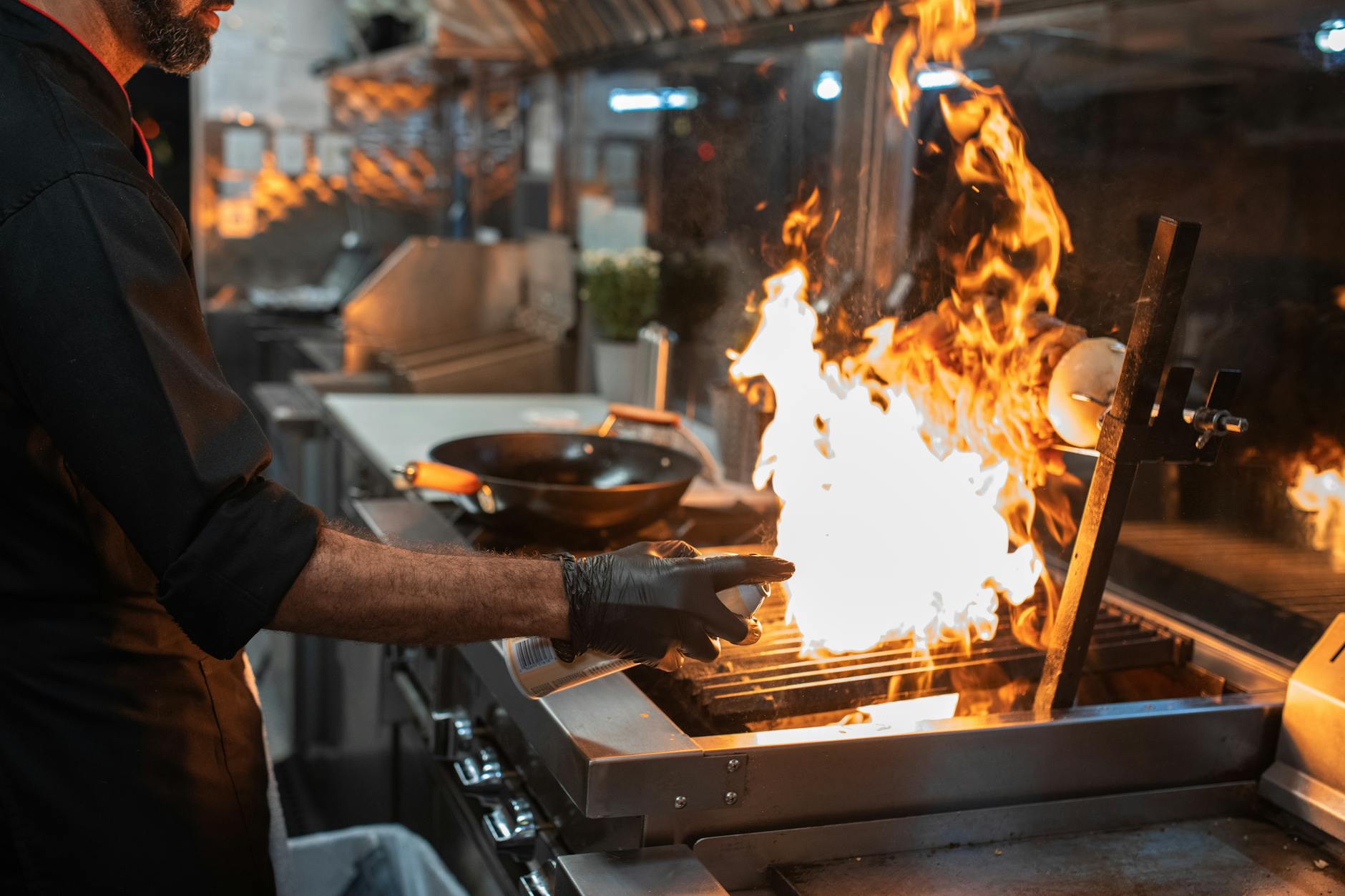
Masters of Fire, hosted by Tyler Florence, returned for its second year in 2026 and has quickly become the sleeper pick of the beachfront line-up. Chefs cook over open flames at sunset at the North Venue — asado, whole animals, smoked brisket, wood-fired everything — with a roster in 2026 that included Tim Love, Billy Durney of Hometown Barbecue Miami, Chris Lilly of Big Bob Gibson, Sean Brasel of Meat Market and Adrianne Calvo. At $189 general admission it was roughly half the price of Burger Bash for arguably better cooking, which tells you something about how the festival’s pricing tracks television fame rather than food.
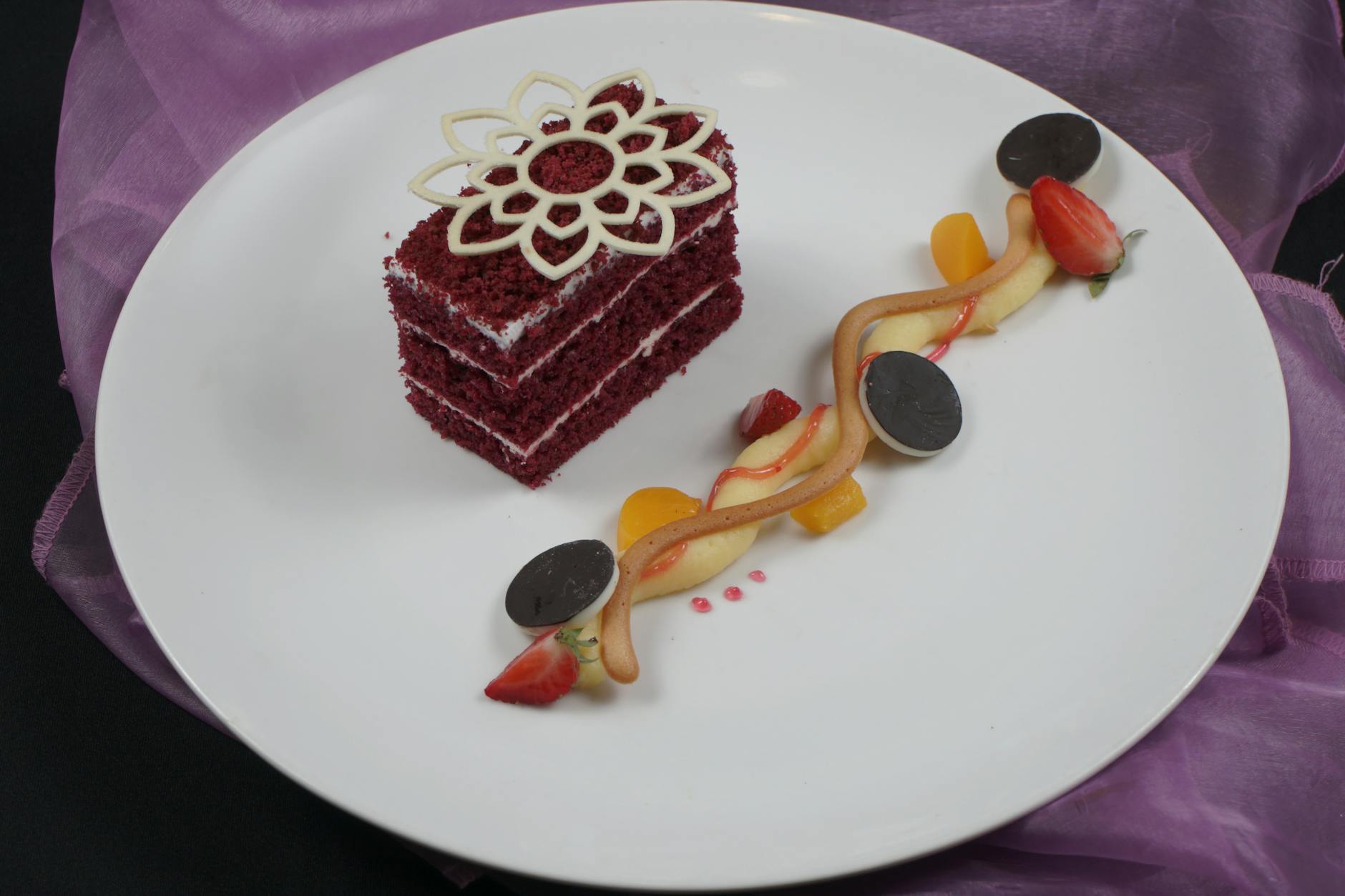
Late-night events start after the main evening parties finish and run past midnight. Duff Goldman’s dessert party at The National Hotel ran 10pm to 1am and cost $100 — Miami’s best-known pastry shops and cake studios serving alongside spirits, outdoors by the pool. The opening-night concert event with Diplo at the Eventstar Courtyard was $279 general admission, with LIV Beach VIP deck packages starting around $1,000 for shared tables with bottle service and a private entrance. These are the events where the chefs themselves turn up after their own shifts, which is half the appeal.
Mornings are cheaper and considerably more pleasant than you would expect. A beach yoga session at Nikki Beach Miami Beach ran $59 in 2026, as did a HIIT bootcamp with Robert Irvine at the same venue. Both include food and drink. FoodieCon, an 18-and-over convention of food creators including Keith Lee and The Pasta Queen with chef-moderated panels, ran four hours at the Andaz Miami Beach for $100 all-in. These are the tickets that make a festival weekend affordable, and they are consistently the last to sell out.
Neighborhood Events Beyond Miami Beach
A large slice of the program now sits off the barrier island entirely, filed under Explore The Neighborhood, and it is where the festival is at its most genuinely local. Marcus Samuelsson’s Overtown Brunch at Red Rooster Overtown is the clearest example — a celebration of the African and Caribbean diaspora that built Historic Overtown, with a Caribbean-leaning menu, live music and a roster of Miami and Haitian-American chefs, at $199 with assigned seating. Coconut Grove, Coral Gables, Little Havana, Wynwood, Little River and the Design District all host their own dinners and tastings, usually at a real restaurant with a visiting chef cooking alongside the resident one.
These are smaller, cheaper and easier to get into than the beach headliners, and a much better way to actually eat in Miami rather than eat at a festival. The trade-off is logistics: journey times from South Beach run 20 to 40 minutes depending on traffic and the causeway, and if you have been drinking you are not driving. Budget $25 to $50 each way for rideshare to the mainland, more during surge. The Fort Lauderdale events, part of the festival since 2016, are a full day out rather than something to slot between two Miami Beach commitments.
What Tickets Cost and When They Go On Sale
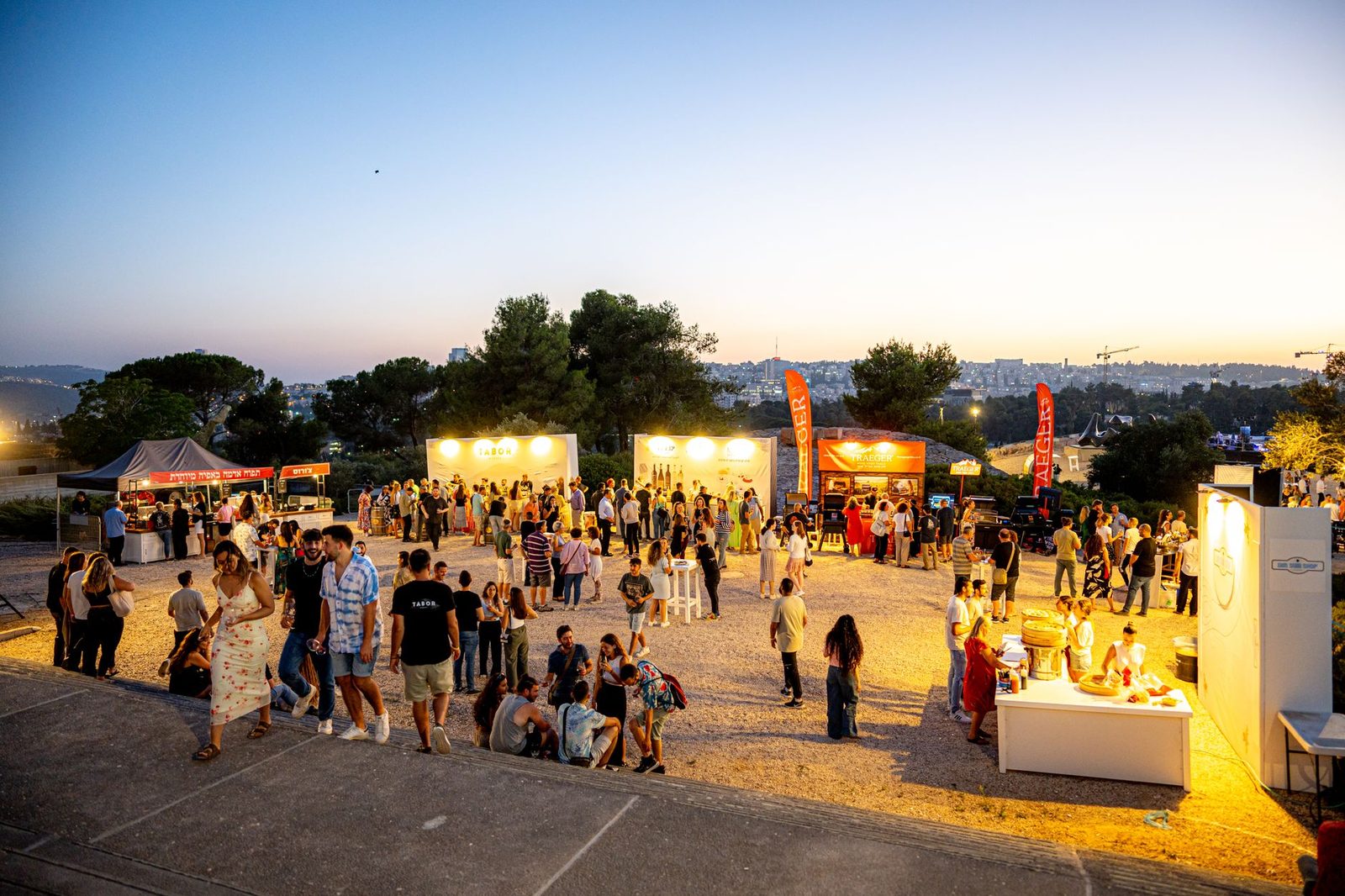
The South Beach Wine and Food Festival sells every event individually at sobewff.org, and prices are all-inclusive — the number you see covers taxes, fees, and all food and drink at the event. There is no separate bar tab and no tipping expected. The following ranges reflect what the 2026 festival actually charged and are a sound basis for budgeting 2027, allowing for modest year-on-year increases.
- Fitness, family and creator events: $59–$100 (beach yoga, bootcamp, FoodieCon, Family BBQ)
- Master classes and hands-on cooking: $100–$150
- Wine Spectator seminars: around $155 for a one-hour seated tasting
- Live-fire and finale beach parties: $165–$189
- Neighborhood brunches and lunches: $150–$260
- Tournament of Champions and late-night concerts: $279–$289
- Grand Tasting Village and Burger Bash: $339–$399
- Intimate seated dinners: $399–$569, rising steeply for the rarest tables
- Wine Spectator’s Best of the Best: $469–$509
- VIP deck and hospitality packages: $1,000 and up
Tickets typically go on sale in the autumn, several months ahead of the February festival. Capital One cardholders get an early-access window before general sale plus a discount on many events — in 2026, 15 percent off general admission across a long list, and a materially cheaper Grand Tasting Village rate — so if you hold the card, use it. There is usually a Cyber Week promotion in late November, and a Build Your Own Package tool discounting 15 percent on three events or 20 percent on four. Join the official newsletter; on-sale dates are announced there first.
Buy early and buy decisively. Burger Bash, the Grand Tasting Village Saturday session, the Tribute Dinner and most of the intimate dinners sold out well ahead of the 2026 festival, and the smaller dinners — twenty to sixty covers — go fastest of all. Read the terms before you click: all sales are final, tickets are not refunded or exchanged for any reason, and Florida law caps resale at one dollar over face value, so there is no legitimate secondary market to fall back on. Events also run rain or shine, and the organisers carry no obligation to refund for weather.
Building a Festival Weekend Around Your Budget
Three or four events across the four days is the right number. Attempting six is how people end up hungover in a hotel room missing the one they paid most for. Mix the formats rather than the price points: one large walk-around, one seated or seminar-style event, one cheap morning thing. That gives you spectacle, substance and recovery time, and it costs less than two headline events stacked together.
A first-timer’s default weekend, if you want one: the Grand Tasting Village on Saturday for the sheer scale of it, Tournament of Champions or Masters of Fire on the Friday or Saturday evening for the competition atmosphere, and a $59 morning event to bookend it. That is roughly $600 to $650 a head at 2026 prices and covers most of what people mean when they talk about SOBEWFF. Add a wine seminar if you care about wine; swap the Grand Tasting for Best of the Best if you would rather be indoors with better glassware.
If money is tight, the sub-$100 tier is the cheapest genuine access — fitness events, FoodieCon, the family barbecue, some master classes — where you still get unlimited food and drink and chefs in the room, just without the television names. Neighborhood events in Coconut Grove, Overtown, the Design District and Little Havana are consistently better value than their Miami Beach equivalents. Skip the VIP decks unless a specific chef matters enormously; the gain over general admission is smaller than the price gap suggests. Students should look at FIU’s experiential learning program, which trades shifts for meals, transport reimbursement and a scholarship — though volunteers cannot attend events as guests.
Where to Stay During Festival Week
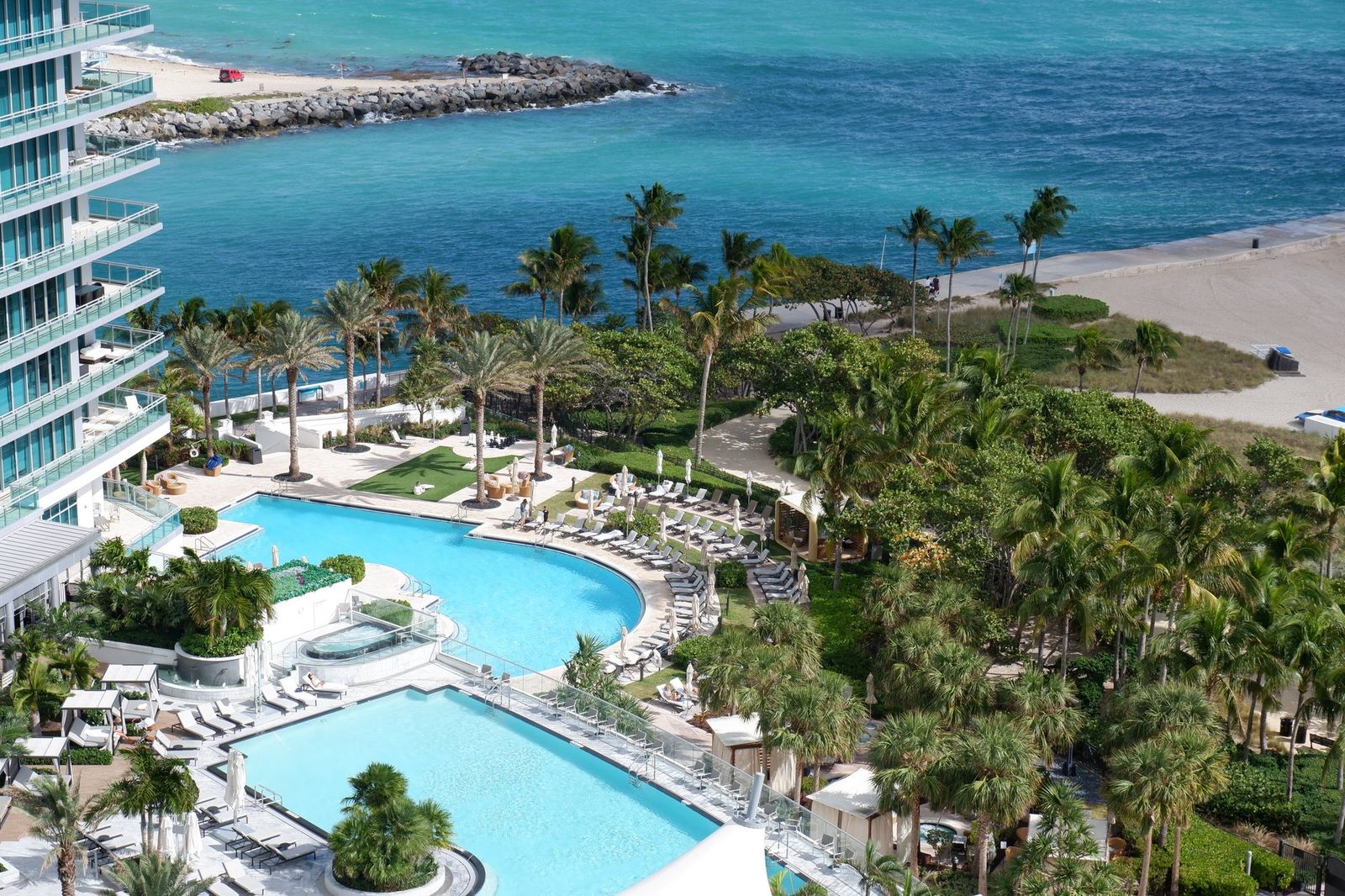
Festival weekend collides with peak Miami high season, and hotel rates on Miami Beach reflect that brutally. Expect roughly $400 to $1,500 a night for a decent South Beach room across those four days, with the top-tier properties well past that. Book four to six months out. Rates climb steadily from the moment the festival program is announced, and the cancellation-friendly rate you book in September will look like a bargain by January. Check the official site for host-hotel packages, which occasionally bundle rooms with event tickets.
Loews Miami Beach is the host hotel and hosts a genuine share of the program — the Tribute Dinner, Sunday Brunch and the family barbecue were all there in 2026 — so staying there means walking to several of your events. The Royal Palm South Beach, The National Hotel and Casa Faena put you within a few minutes of the Grand Tasting Village tents and the North Venue on foot, which matters more than any amenity when you are leaving a beach party at 11pm. For something more indulgent, The Setai, Faena, EDITION Miami Beach and Cardozo South Beach are all in the same corridor.
Mid Beach is the smart compromise. Eden Roc — which hosts the wine seminars — and the Fontainebleau, home of Best of the Best, sit about two miles north of the South Beach chaos, usually run a little cheaper, and are quieter at 2am. The trade-off is a short cab or trolley ride to the beachfront tents. Staying on the mainland in Brickell or Downtown will save real money, but factor in the causeway crossing both ways and the fact that you will be relying entirely on rideshare.
The Practical Side: Transport, Dress Code, Age Limits and Access
Getting there and getting around
Miami International Airport is the obvious arrival point, roughly 30 to 45 minutes from South Beach depending on traffic; Fort Lauderdale–Hollywood is comparable if your events skew north. Once you are on the beach, driving is the wrong answer. Parking in South Beach is metered street parking and municipal garages, generally paid through the ParkMobile app, and during festival week the garages near Ocean Drive fill by mid-morning. Expect to pay a few dollars an hour and to spend twenty minutes circling. Rates and rules change, so check the City of Miami Beach parking pages rather than trusting a number you read online.
The realistic options are walking, the free Miami Beach Trolley, which loops through South Beach, Mid Beach and North Beach, and rideshare. Since every substantial festival event is 21-plus and pours unlimited alcohol, plan on not driving at all. Rideshare pickup near the beachfront venues gets chaotic at closing time — walk two or three blocks inland to a quieter cross street before requesting a car and you will wait a fraction as long. Between events on the beach, walking beats everything; the Grand Tasting Village and the North Venue are only a few blocks apart.
What to wear
Each event lists its own dress code and they are worth reading. Beach events — the Grand Tasting Village, Burger Bash, Masters of Fire — are “casual chic” or “smart casual”, which in practice means a sundress or a linen shirt and shoes you can cross sand in. Leave the heels. Fitness events want activewear, obviously. The seated dinners are stricter: the 2026 Tribute Dinner specified cocktail attire and explicitly banned jeans and sneakers, and doors do enforce it. February evenings on the beach can drop into the sixties with wind off the water, so bring a layer for the outdoor night events.
Age limits, ID and bags
Every festival event is 21 and over except those specifically designated as family events — the Sunday Family BBQ, for instance, sold adult tickets at $100 and under-21 tickets at $59. FoodieCon has run at 18-plus. Bring a valid government-issued photo ID; you may be asked for it at check-in, and a wristband or badge must be worn throughout. There is a published bag policy on the official site that you should check before you pack, weapons are prohibited, and no pets are permitted — service dogs only. Cameras and recording equipment need prior approval.
Accessibility
Accessibility requests go through FIU’s Office of Civil Rights Compliance and Accessibility, not the festival box office. Contact them on 305.348.2785 or [email protected] at least two weeks ahead to request accommodations, accessible-format materials, or to register a service animal — two weeks is the stated minimum, not a target. Note that the beachfront tent venues sit on sand with matting laid down, manageable but not effortless for wheelchair users; the indoor events at Loews, Eden Roc and the Fontainebleau are considerably easier. Dietary requirements cannot be guaranteed at walk-around events, though several listings invite advance enquiries.
Restaurant Reservations Beyond the Festival Program
Festival weekend is the single hardest weekend of the year to get a table in Miami. Every visiting chef, sponsor, journalist and industry guest is eating out on the nights they are not working, and the city’s best restaurants are booked solid. If you want a meal outside the festival program, reserve four to eight weeks ahead — and for the hardest rooms, longer.
The names that go first are the obvious ones: Joe’s Stone Crab, which takes no reservations and where the festival-Saturday line is punishing unless you go at opening or use the takeaway window; MILA and Komodo on the see-and-be-seen end; Stubborn Seed for the tasting menu; L’Atelier de Joël Robuchon and The Surf Club Restaurant at the fine-dining end; Cipriani Downtown Miami; and Sushi by Bou for omakase. Book them the moment your tickets are confirmed. Our Miami fine dining and Miami Food Guide pages cover the wider landscape, and guided Miami food tours run through festival week.
One practical note: do not book a big dinner on a night you already have a festival walk-around. You will arrive full, you will be a poor guest, and you will have wasted a reservation somebody else wanted. Use the non-event evenings, or lunch.
Where Your Ticket Money Goes
All net proceeds from the festival go to Florida International University’s Chaplin School of Hospitality & Tourism Management. The running total is now more than $46 million, which has funded scholarships, faculty positions and teaching facilities including the Wine Spectator Restaurant Management Laboratory that opened on campus in 2014. The on-site and online auctions alone generated over $500,000 for the school in 2026, and two online auctions run each cycle — one around the holidays and one spanning the festival itself.
The more visible half of that mission is the students. Each year more than 1,200 of them work the festival as part of an experiential learning program, running logistics, front of house, back of house, culinary prep and transport across every venue. If the person plating your course at a Tribute Dinner looks about nineteen, that is because they are, and it is the point. A 2018 study by the Greater Miami Convention & Visitors Bureau put the festival’s annual economic impact on Miami-Dade at more than $34 million.
Plan Your Miami Trip
Late February is close to Miami’s best weather — dry, high seventies to low eighties, low humidity — and the festival dates often sit near Presidents’ Day weekend, which makes a three-day trip easy for US travelers. If you are building a longer stay, arrive a couple of days early and see the city before the festival crowd lands; our Miami itineraries and South Beach guide lay out how to structure that. For everything else on the calendar, browse the complete Miami Events Guide, plus our coverage of Art Basel Miami, the Ultra Music Festival, the Calle Ocho Festival, the Miami Grand Prix and Miami Swim Week.
For the official program, ticket on-sale announcements and the 2027 event listings as they are published, go to sobewff.org.
Frequently Asked Questions
When is the South Beach Wine and Food Festival in 2027?
The 2027 festival runs Thursday 25 February through Sunday 28 February 2027 in Miami Beach, as confirmed on the official festival site. That is the 26th edition, following the 25th anniversary festival held 19–22 February 2026. The dates shift slightly each year but almost always fall in the second half of February, frequently overlapping Presidents’ Day weekend.
How much does it cost to attend?
There is no festival-wide pass; you buy events individually. At 2026 prices the cheapest tickets were $59 for beach fitness events and around $100 for master classes and the family barbecue, while the Grand Tasting Village ran $339 to $399, Burger Bash $339, and Wine Spectator’s Best of the Best $469. Seated dinners started around $399. A realistic three-event weekend costs $600 to $900 per person before hotels, and every ticket price includes all food, drink, taxes and fees.
When do tickets go on sale and how fast do they sell out?
Tickets usually go on sale in the autumn, several months before the February festival, with a Capital One cardholder early-access window ahead of general release. The marquee events — Burger Bash, the Saturday Grand Tasting Village, the Tribute Dinner — and the small seated dinners sell out well in advance, often months out. Sign up for the official newsletter at sobewff.org, because on-sale dates are announced there first and the presale window is genuinely useful.
Which event should a first-timer book?
The Goya Foods Grand Tasting Village on the Saturday. It is the festival in concentrate — dozens of restaurants, unlimited wine and cocktails, two stages of Food Network cooking demos and five hours on the beach, all included in one ticket. If it has sold out or the price is prohibitive, Tournament of Champions LIVE or Masters of Fire give you a comparable atmosphere in the evening for less money.
Is the festival 21 and over?
Almost entirely, yes. Every event is 21-plus unless it is specifically designated as a family event, and you should carry government-issued photo ID. The Sunday Family BBQ is the main exception, selling adult tickets alongside a discounted under-21 rate, and FoodieCon has run at 18-plus. If you are traveling with children, plan around one of those and treat the rest of the program as adults-only.
What is the dress code?
It varies by event and each listing states its own. Beach and walk-around events are casual chic or smart casual — comfortable clothes and shoes you can walk on sand in, which rules out heels. Seated dinners are dressier, and some specify cocktail attire with jeans and sneakers explicitly excluded. Fitness events want activewear. Bring a light layer for outdoor evening events, since February nights on the water are cooler than the afternoons suggest.
Where do the events actually take place?
The core of the festival is on Miami Beach: the Grand Tasting Village tents on the sand off Ocean Drive, the American Airlines North Venue a few blocks north, and hotels including Loews Miami Beach, the Fontainebleau, Eden Roc, The National and Nikki Beach. Beyond that, events run in Coconut Grove, Coral Gables, the Design District, Downtown and Brickell, Wynwood, Little Havana, Historic Overtown, Bal Harbour and Fort Lauderdale. Always check the venue line before booking.
Can I get a refund if I cannot attend?
No. All sales are final, and tickets are not refunded, replaced or exchanged for any reason. Events also run rain or shine, and the organisers accept no financial responsibility for weather disruption. Florida law caps ticket resale at one dollar above face value, so there is no meaningful secondary market either. Only buy what you are confident you will use, and buy travel insurance if the outlay is significant.
How far in advance should I book a hotel?
Four to six months. Festival weekend sits inside Miami’s peak season and rates on Miami Beach commonly run $400 to $1,500 a night across those four days, climbing as the program is announced. Book a flexible rate early and re-check it; you can always cancel and rebook if something better appears, which almost never happens in the other direction.
Who typically appears at the festival?
Line-ups are announced only a few months ahead, so treat any list for a future edition as speculation. That said, the regulars are consistent: Guy Fieri, Bobby Flay, Rachael Ray, Andrew Zimmern, Alex Guarnaschelli, Aarón Sánchez, Tyler Florence, Marcus Samuelsson, Duff Goldman, Jeff Mauro, Robert Irvine and Geoffrey Zakarian all appeared in 2026, and names such as Martha Stewart, Kwame Onwuachi and Sunny Anderson have featured on past programs. Roughly 500 chefs and experts take part each year.
Is the festival worth the money?
For the walk-around events, the arithmetic works: a Grand Tasting ticket buys five hours of unlimited food from dozens of restaurants plus unlimited wine and cocktails, which is hard to beat at the price in Miami. The seated dinners are more about access to a specific chef than value. And every South Beach Wine and Food Festival ticket funds hospitality education at FIU, which has now received more than $46 million from the event.
Do I need a car during festival week?
Not if you stay in South Beach and keep your events on the beach — the main venues are within walking distance of each other, and the free Miami Beach Trolley covers the rest of the island. Since every event pours unlimited alcohol and all are 21-plus, driving yourself is a bad idea regardless. Use rideshare for mainland events, and walk a few blocks inland before requesting a pickup at closing time.