Things to Do in Miami: 75+ Activities, Tips & Local Picks (2026)
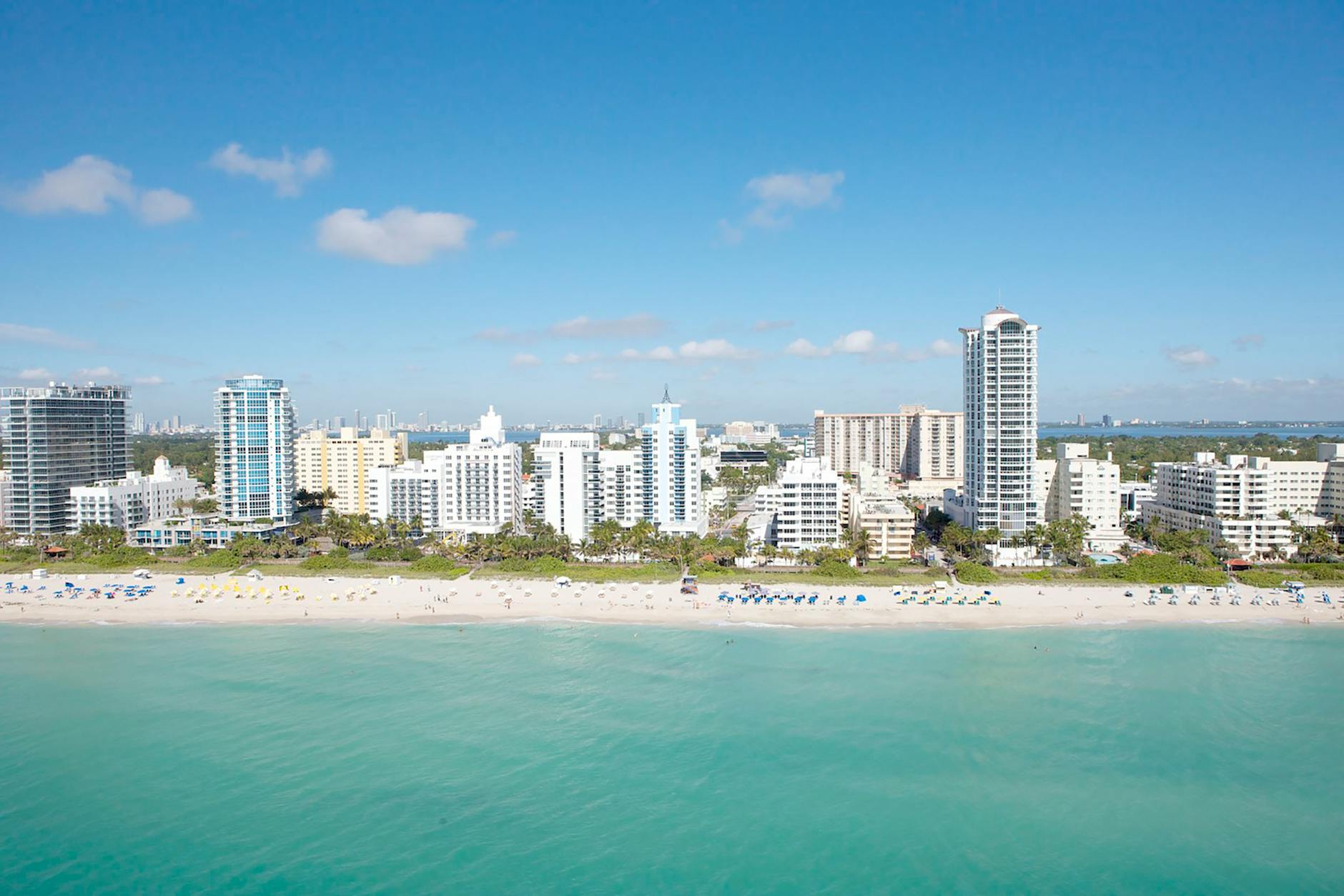
Miami is a city that refuses to be ordinary. From the turquoise waters of South Beach to the salsa rhythms pouring out of Little Havana’s open doorways, from world-class museums overlooking Biscayne Bay to mangrove trails where alligators sun themselves a drive west of downtown along US-41 — this subtropical metropolis at the southern tip of Florida delivers experiences you simply cannot find anywhere else in the United States. With so many incredible things to do in Miami, planning your trip can feel overwhelming.
Whether you’re planning your first trip to the Magic City or returning for the fifth time, there’s always something new to discover. This guide covers more than 75 of the best things to do in Miami, organized by category so you can build your perfect itinerary. We’ve included insider tips, practical details, and honest recommendations to help you make the most of every moment — from the things to do in Miami that every first-time visitor needs to experience, to the hidden gems that even locals are still finding.
Hit the Beach: Miami’s Best Stretches of Sand
Miami’s beaches are legendary for good reason. With miles of Atlantic beaches, the greater Miami area offers everything from celebrity-packed party beaches to quiet family-friendly shores. Beach-going is one of the most popular things to do in Miami for visitors and locals alike. Here are the beaches you need to know about.
South Beach (5th to 15th Streets)
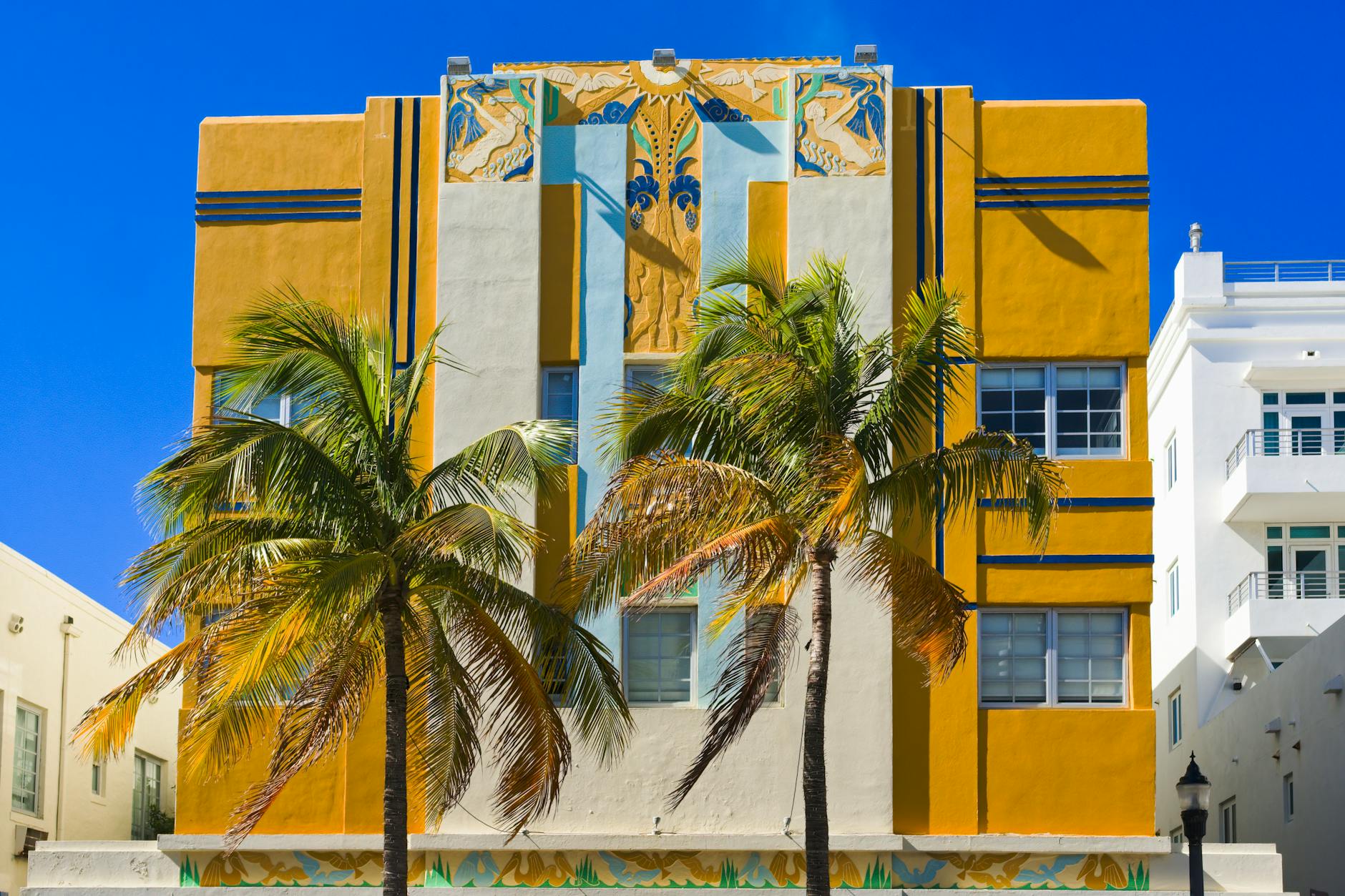
The stretch of sand between 5th and 15th Streets is the most famous beach in Miami — and arguably in all of North America. The scene here is electric: colorful lifeguard towers dot the sand, music drifts from beachfront bars, and the people-watching alone is worth the trip. Behind you, the Art Deco Historic District creates a pastel-painted backdrop unlike anywhere else on earth. Get here early to stake out a good spot on weekends, and remember that parking is scarce — use the meters on Collins Avenue or park at the 7th Street Garage.
Crandon Park Beach, Key Biscayne
Consistently ranked among the top ten beaches in the nation, Crandon Park’s two-mile stretch on Key Biscayne feels like a different world from South Beach. The sand is softer, the water calmer, and the palm-lined shore has a distinctly Caribbean feel. The northern section draws surfers and kiteboarders, while families gravitate to the southern end where shallow sandbars create natural wading pools. There’s a family amusement center, nature center, cabana rentals, multiple picnic areas with grills, and parking for just under 3,000 vehicles. Parking costs $7 plus tax Monday through Thursday and $10 plus tax Friday through Sunday.
Bill Baggs Cape Florida State Park
At the southern tip of Key Biscayne, this state park wraps around the historic Cape Florida Lighthouse — the oldest standing structure in Miami-Dade County, dating to 1825. The beach here has been named one of the best in the U.S. by multiple publications, and it’s easy to see why: the sand is pristine, the water is crystal-clear, and the crowd is thinner than what you’ll find on the mainland. Rent a kayak or paddleboard from the concession stand and explore the mangrove-lined coastline. Entry costs $8 per vehicle.
Matheson Hammock Park
This hidden gem in Coral Gables features a man-made atoll pool that’s flushed naturally by Biscayne Bay’s tides. The shallow, calm waters are ideal for small children, and the views of the Miami skyline across the bay are spectacular, especially at sunset. It’s a favorite for local families who want to avoid the tourist crowds.
North Beach & Surfside
The quieter northern stretch of Miami Beach (above 63rd Street) delivers a more relaxed, residential atmosphere. Here you’ll find wider stretches of sand, fewer crowds, and a growing culinary scene along Harding Avenue and Abbott Avenue in Surfside. This area is ideal if you want the Miami Beach experience without the South Beach intensity.
Virginia Key Beach
Tucked between downtown Miami and Key Biscayne, Virginia Key has wetlands, walking and hiking trails, a historic beach park with deep cultural significance, and a quiet stretch of sand known as Hidden Beach. It’s also where you’ll find the Miami Marine Stadium, a mid-century architectural landmark and the focus of a city restoration project.
Explore Miami’s Iconic Neighborhoods
Miami’s neighborhoods are as diverse as the people who live in them. Each pocket of the city has its own personality, cuisine, architecture, and rhythm. Exploring them on foot is one of the best free things to do in Miami.
Wynwood: Street Art Capital
Once an industrial warehouse district, Wynwood has transformed into an arts neighborhood known for its murals and galleries. The Wynwood Walls, founded in 2009, shows a rotating collection of murals by renowned artists from around the globe. Beyond the Walls, the entire neighborhood is blanketed in colorful graffiti and murals that spill across building facades, alleyways, and parking lots. Between mural-spotting, explore the area’s innovative restaurants and galleries like the Museum of Graffiti and Superblue Miami’s immersive art experiences.
Little Havana & Calle Ocho
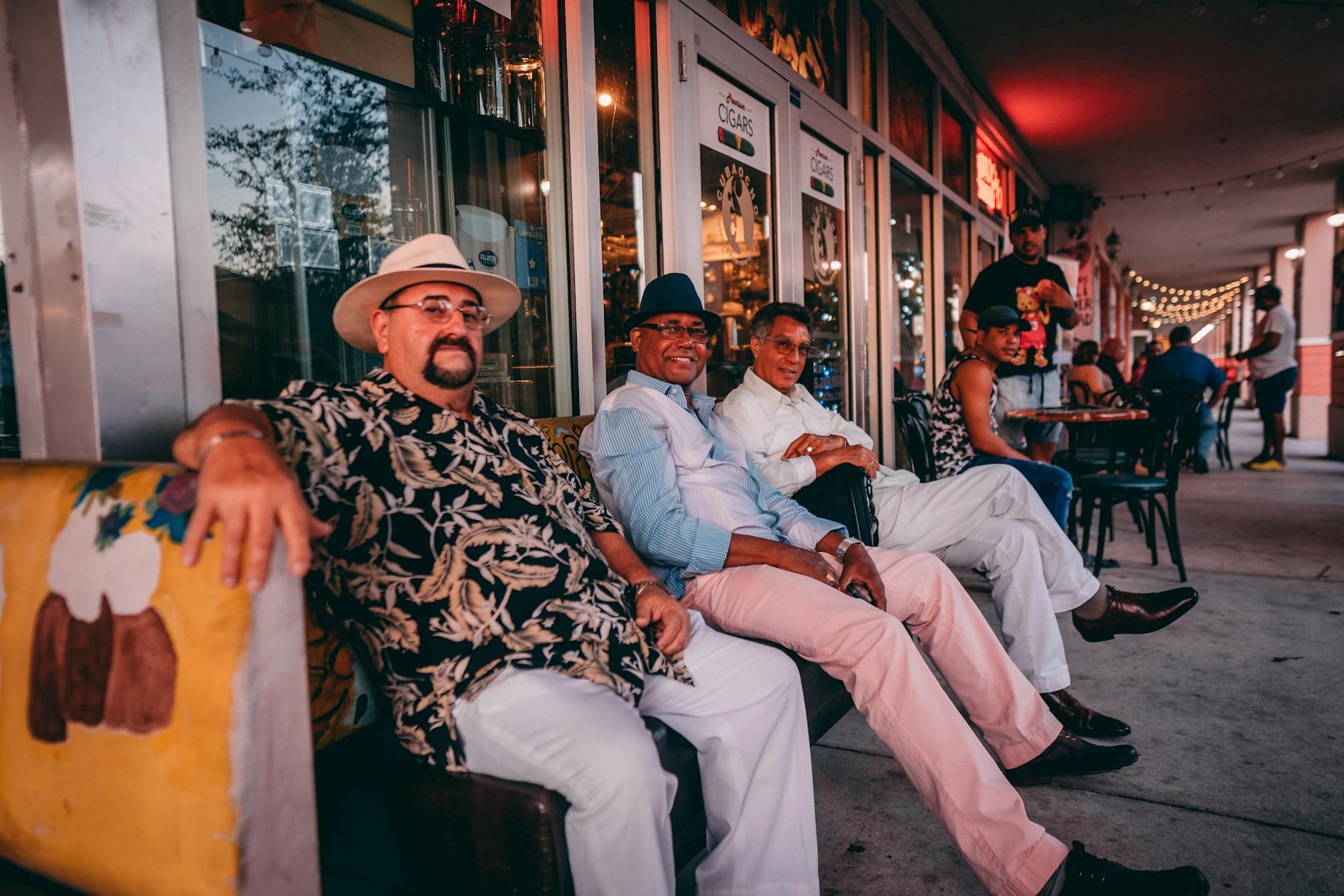
Calle Ocho (SW 8th Street) is the beating heart of Cuban-American Miami. Walk east to west from SW 12th Avenue to SW 27th Avenue — give yourself a couple of hours to do it at a relaxed pace — and you’ll pass ventanitas (walk-up coffee windows) serving $1.50 cafecito, cigar rollers hand-rolling at El Titan de Bronze, old-timers playing dominoes in Máximo Gómez Park, and some of the most authentic Cuban food you’ll find outside Havana. Stop at Versailles Restaurant for a classic Cuban meal, or grab a Cuban sandwich from La Carreta. For nightlife, Ball & Chain, a club that first opened in 1935 and has since been restored, hosts live Latin music and regular dance parties.
Coconut Grove
Miami’s oldest neighborhood has long had a bohemian spirit. Today, the Grove mixes that creative DNA with upscale dining, a waterfront park (Peacock Park), the beautiful CocoWalk shopping and entertainment complex, and the Barnacle Historic State Park — the oldest house in Miami-Dade County still in its original location. It’s one of the most walkable neighborhoods in the city.
Coral Gables: The City Beautiful
Planned in the 1920s by developer George Merrick, Coral Gables features Mediterranean Revival architecture, lush banyan-tree-lined boulevards, and some of Miami’s most elegant landmarks. The Venetian Pool — created in 1923 from a coral rock quarry and fed by spring water from an underground aquifer — was added to the National Register of Historic Places in 1981 and is one of the most unique swimming experiences in the country. Also here: the University of Miami, the prestigious Biltmore Hotel, and the boutiques and restaurants along Miracle Mile.
The Design District
What was once a pineapple-canning district has become Miami’s luxury shopping and contemporary art hub. Flagship stores from Louis Vuitton, Dior, Prada, and dozens more line the streets alongside cutting-edge galleries, the Institute of Contemporary Art (ICA) Miami (free admission), and some of the city’s most inventive restaurants. The architecture alone is worth the visit — buildings here push boundaries in ways that match the art inside them.
Little Haiti
This vibrant neighborhood celebrates Miami’s proud Haitian community with art exhibitions, Caribbean cuisine, and distinct cultural flavor. Visit the Little Haiti Cultural Complex and its Caribbean Marketplace of Haitian art and crafts, browse Haitian bookshops like Libreri Mapou, and flip through vinyl at Sweat Records. The Haitian Heritage Museum is close by in the Design District. The area’s food scene offers some of the most affordable and flavorful meals in the city — try griot (fried pork) and pikliz (spicy pickled slaw) at local restaurants.
Arts, Culture & Museums
Miami has quietly become one of America’s most important cultural cities. Visiting world-class museums is among the top things to do in Miami for culture enthusiasts. The museum scene alone rivals coastal cities twice its size, and the performing arts calendar runs year-round.
Pérez Art Museum Miami (PAMM)
Perched on Biscayne Bay in Museum Park, PAMM occupies a stunning building designed by Swiss firm Herzog & de Meuron. The collection focuses on 20th and 21st-century art with an emphasis on works from Latin America, the Caribbean, and the African diaspora — reflecting Miami’s identity as a cultural crossroads. The hanging gardens on the building’s exterior are an artwork in themselves. Open Thursday through Monday (closed Tuesdays and Wednesdays). General admission is $18 for adults and $14 for seniors, students and youth 7–18; free for children 6 and under.
Phillip and Patricia Frost Museum of Science
Adjacent to PAMM in Museum Park, Frost Science combines a natural history museum, aquarium, and planetarium in one architecturally stunning complex designed by Grimshaw Architects. The three-level, 500,000-gallon aquarium is built around a central cone that lets you view marine life from multiple perspectives — looking down into the oceans from above, then gazing up at sharks and rays from below. The rooftop planetarium offers laser shows and live astronomy programs. Tickets run about $30 for adults.
Vizcaya Museum & Gardens
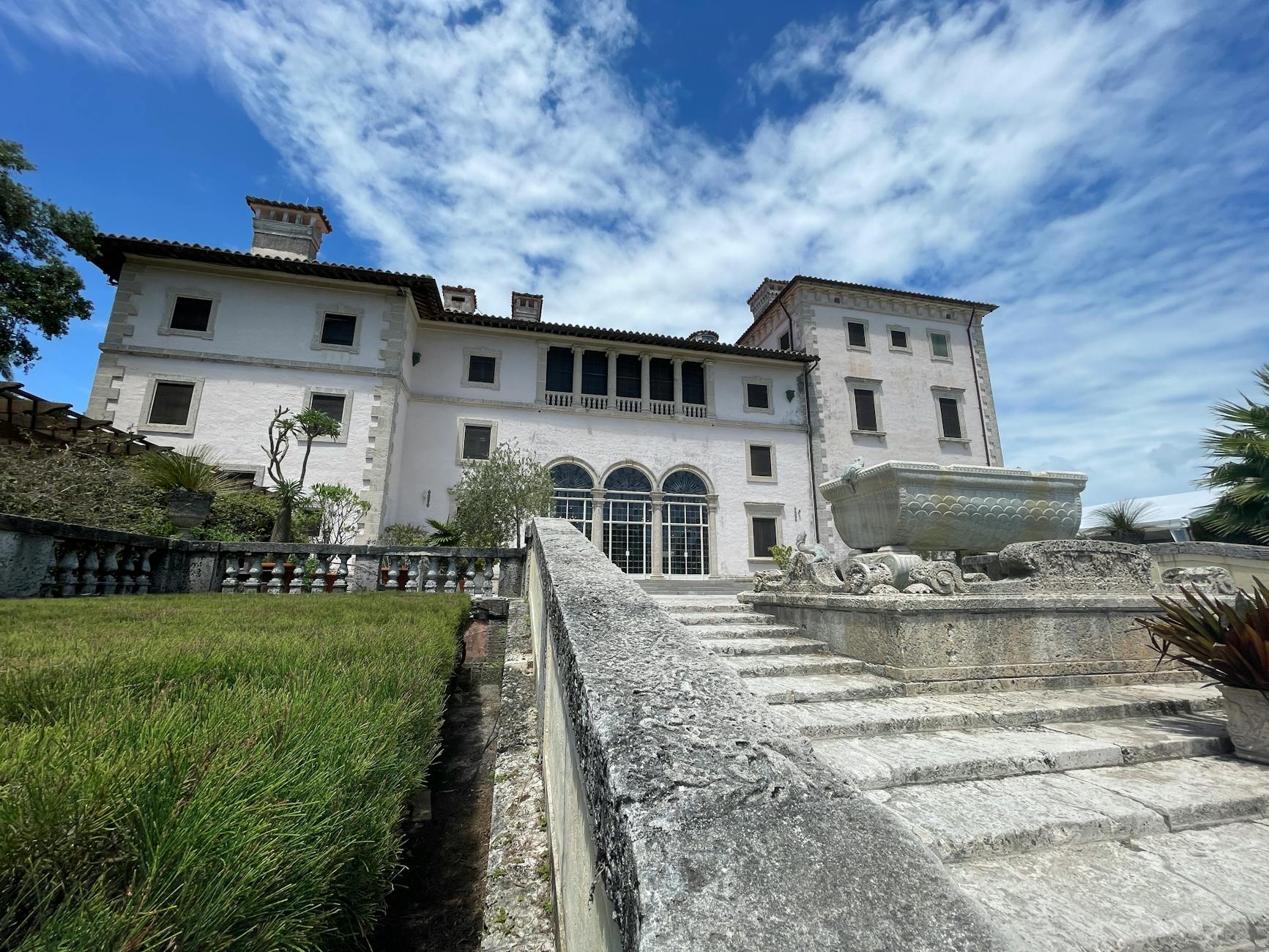
Built between 1914 and 1916 as the winter estate of industrialist James Deering, this Italian Renaissance-style villa now operates as a museum showcasing European antiques, intricate sculptures, and paintings from the 15th through 19th centuries. But the real star may be the 10 acres of formal gardens — a Mediterranean dreamscape of ornate fountains, sculpted hedges, secret grottoes, and bay-front loggias. Adult admission (13 and over) is normally $32 but has been cut to $20 while restoration work goes on; children 6–12 pay $10 and kids 5 and under get in free. Either way, it’s well worth every cent. Go on a weekday morning to enjoy the gardens without crowds.
The Bass Museum of Contemporary Art
Located in a 1930s Art Deco building on Miami Beach’s Collins Park, The Bass showcases contemporary art exhibitions that rotate regularly and often feature site-specific installations. The museum’s permanent collection pairs contemporary works with an older historical collection. Admission is $15 for adults.
Rubell Museum
A major private collection of contemporary art, the Rubell Museum in Allapattah occupies a 100,000-square-foot campus in a former industrial building. The collection features major works by artists like Keith Haring, Jean-Michel Basquiat, Kara Walker, and Yayoi Kusama. Adult admission is $18.
The Wolfsonian-FIU
Housed in a stunning 1927 Mediterranean Revival building on South Beach, this museum focuses on how art and design shape daily life. The collection spans from 1850 to 1950 and includes propaganda posters, industrial design objects, furniture, and decorative arts. It’s a fascinating lens on how aesthetics influence culture and politics.
Institute of Contemporary Art (ICA) Miami
Located in the Design District, ICA Miami offers free admission to its permanent collection and rotating exhibitions of contemporary art. The building itself — designed by Aranguren + Gallegos Arquitectos — features a striking sculpture garden.
Museum of Miami (formerly HistoryMiami)
Downtown Miami’s premier history museum tells the story of South Florida from prehistoric times to the present, including the region’s multicultural heritage, its role as a gateway to Latin America and the Caribbean, and its dramatic transformation over the past century.
Water Sports & Outdoor Adventures
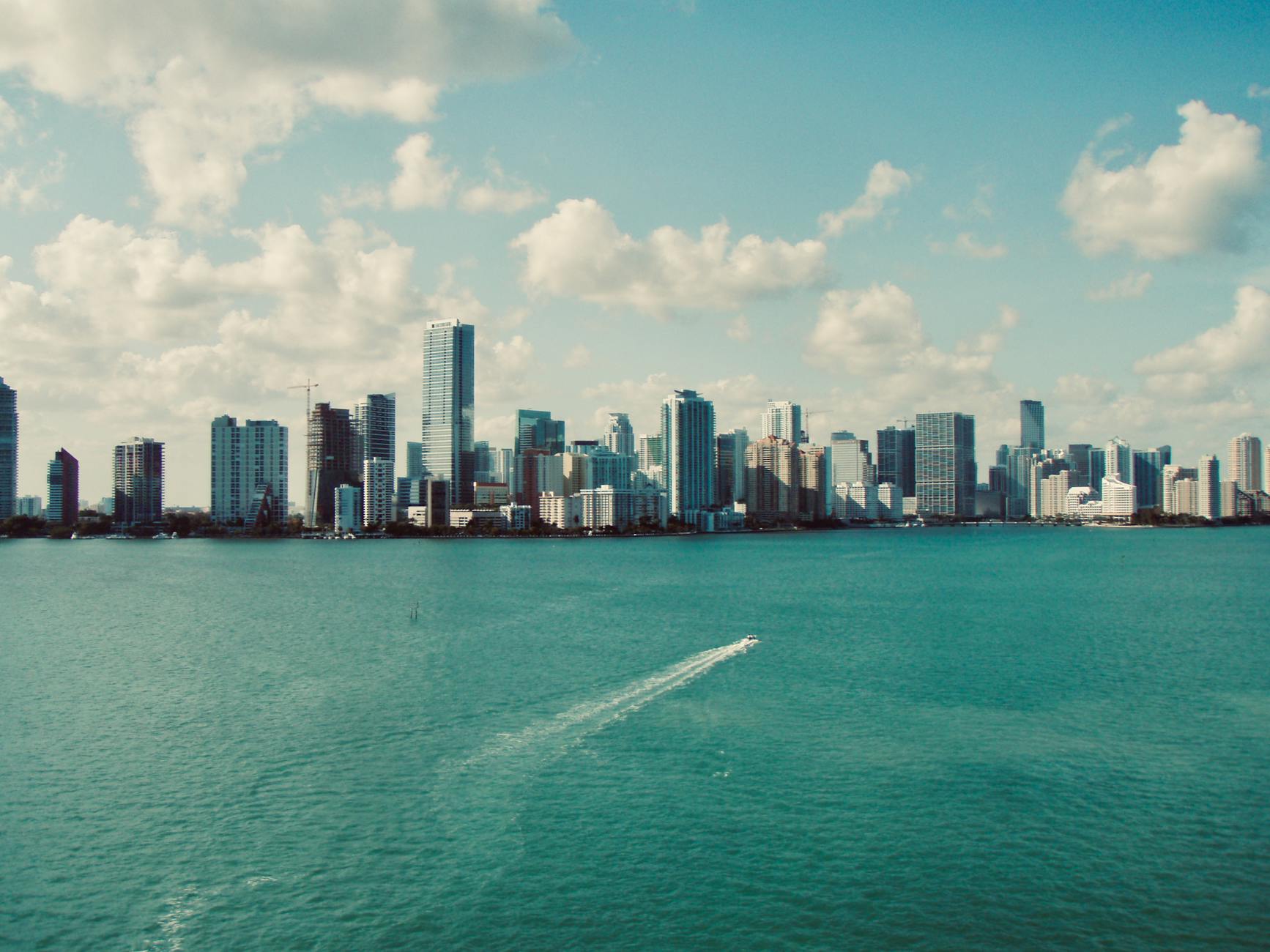
Water is part of Miami’s DNA. With year-round warm temperatures, Biscayne Bay, the Atlantic Ocean, and the Everglades all within reach, outdoor adventures are practically unlimited. Water-based activities rank among the most exciting things to do in Miami for adventure seekers.
Paddleboarding & Kayaking
Stand-up paddleboarding on Biscayne Bay is one of the quintessential Miami experiences. Rent a board from Virginia Key, Key Biscayne, or one of several operators along the Miami Beach waterfront and glide across the calm bay waters with the skyline as your backdrop. For a more immersive nature experience, book a guided kayak or paddleboard eco-tour through the mangrove tunnels near Oleta River State Park or the trails at Matheson Hammock.
Jet Skiing & Parasailing
High-speed jet ski tours depart from multiple locations along Miami Beach and offer guided rides past Star Island, Fisher Island, and the Port of Miami. Tour length, gear and instruction depend on the operator and the package you book. Parasailing takes the experience skyward — operators in Miami Beach and Key Biscayne send you high above the bay for panoramic views of the coastline and downtown skyline. Expect to pay $80-$150 per person for either activity.
Deep-Sea Fishing
The waters off Miami’s coast offer world-class fishing year-round. Half-day, full-day, and multi-day charters target species like mahi-mahi, sailfish, marlin, wahoo, and tuna. Most charters depart from Haulover Marina or Miami Beach Marina and provide all equipment, bait, licenses, and an experienced captain. Half-day trips typically start around $600-$800 for a private charter (up to 6 people).
Snorkeling & Diving
Miami’s underwater world often surprises visitors who don’t associate the city with reef diving. But just off the coast, you’ll find natural reef systems teeming with tropical fish, sea turtles, and nurse sharks. The shallow reefs near Key Biscayne are ideal for snorkeling, while more experienced divers can explore deeper sites and several artificial reefs, including a sunken ship off Miami Beach.
Kiteboarding & Windsurfing
The steady trade winds that blow across Biscayne Bay make Miami one of the best spots in the continental U.S. for kiteboarding. Crandon Park on Key Biscayne and Hobie Island Beach are the primary launch spots. Several schools offer lessons for beginners, and you can progress from basic board skills to jumping in a few sessions.
Sailing & Boat Tours
From sunset sailing cruises to high-speed speedboat tours of Millionaires’ Row on Biscayne Bay, there’s a boat tour for every budget and interest. Popular options include the Biscayne Bay sightseeing cruise (passing celebrity homes on Star Island and the Venetian Islands), catamaran party cruises, and private yacht charters. Most depart from Bayside Marketplace downtown.
Food & Dining Experiences
Miami’s food scene is a direct reflection of its multicultural soul. Cuban, Haitian, Colombian, Peruvian, Brazilian, Bahamian, Jewish, and Southern American cuisines all contribute to one of the most diverse dining landscapes in the country. Eating your way through the city is one of the essential things to do in Miami.
Cuban Cuisine
You cannot visit Miami without eating Cuban food. Start with a café cubano (a tiny shot of intensely sweet, strong espresso) from a ventanita — Versailles on Calle Ocho has the most famous one. For a full meal, order a traditional plate of ropa vieja (shredded beef), lechón asado (roasted pork), or a classic Cuban sandwich — a pressed medianoche on sweet egg bread is a local favorite. Beyond Little Havana, Cuban food permeates the entire city — you’ll find excellent versions in Hialeah, Coral Gables, and even Miami Beach.
Seafood & Waterfront Dining
Stone crabs (in season October through May) are a Miami institution — Joe’s Stone Crab on South Beach opened in 1913 (the stone crabs came along a few years later) and remains the gold standard, though expect long waits during peak season. For a more casual seafood experience, Garcia’s Seafood Grille & Fish Market on the Miami River serves fresh-off-the-boat catches in an unpretentious waterfront setting. Monty’s Raw Bar in Coconut Grove pairs cold beers with the best bay views in the city.
International Flavors
Miami’s Latin American communities have created a food landscape unlike anywhere else in the U.S. Try Peruvian ceviche in the Brickell corridor, Colombian arepas in Doral, Haitian griot in Little Haiti, Nicaraguan fare in Sweetwater, or Brazilian churrascaria anywhere on Biscayne Boulevard. The Design District and Wynwood have become launching pads for some of the city’s most innovative restaurants, blending global techniques with local ingredients.
Food Markets & Tours
The Lincoln Road Farmers Market (Sundays, year-round) brings together local growers, artisan bakers, and specialty food vendors on South Beach’s famous pedestrian boulevard. For a deeper dive into local food culture, several walking food tours cover Little Havana, Wynwood, and South Beach. Miami Culinary Tours’ Little Havana food tour, for one, runs about 2.5 hours with several tastings along the way.
Nightlife & Entertainment
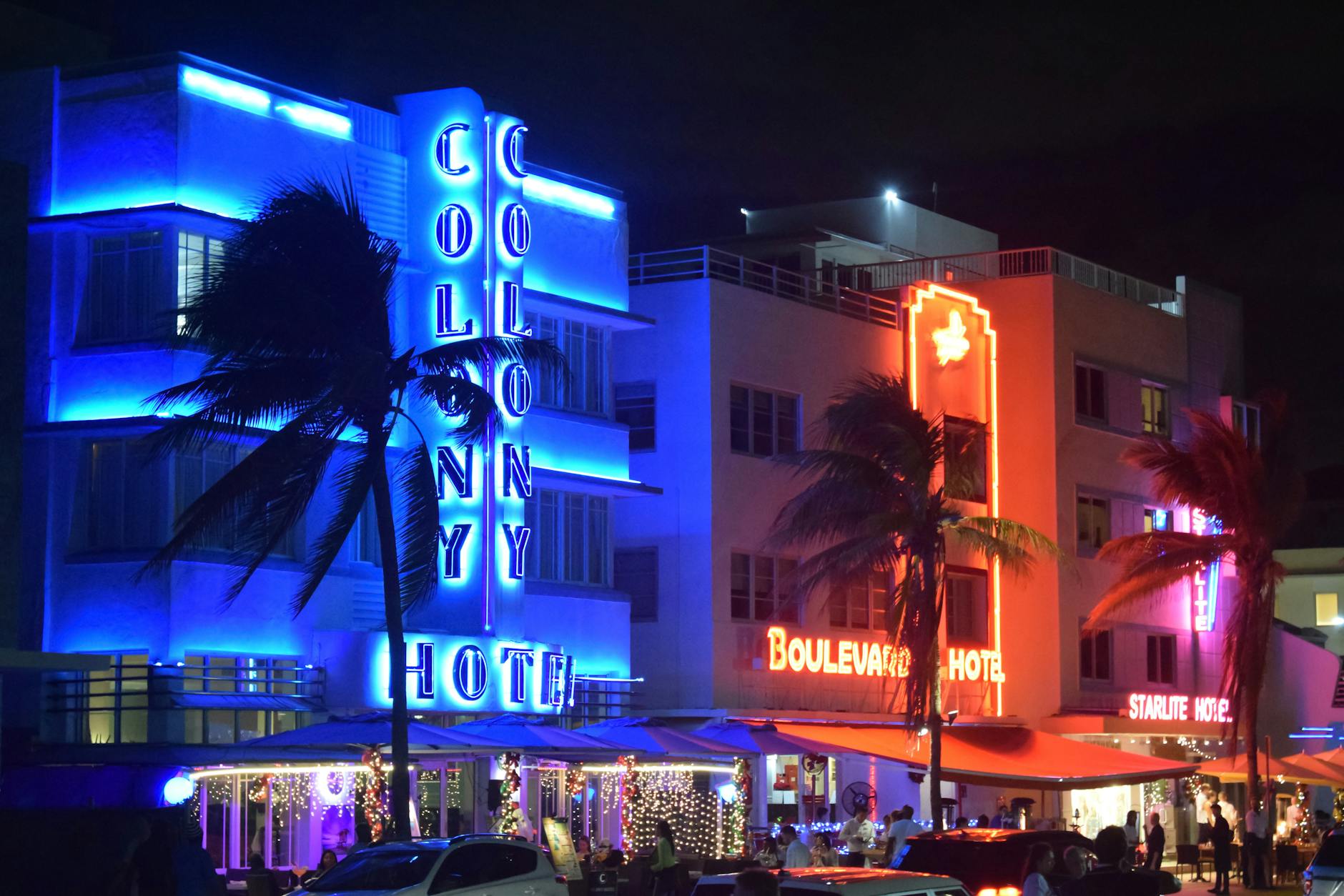
Miami’s nightlife reputation is well earned. The city keeps late hours — dinner tends to start later than you may be used to, and the clubs get going deep into the night. Experiencing the after-dark scene is one of the top things to do in Miami for nightlife lovers.
Ocean Drive & South Beach
The neon-lit stretch of Ocean Drive is the gateway to South Beach nightlife. Start with cocktails at one of the outdoor terraces (Mango’s Tropical Café for people-watching, The Clevelander for a pool-party vibe), then venture to the megaclubs. LIV at the Fontainebleau is one of the world’s most famous nightclubs, drawing international DJs and celebrity appearances. Downtown, E11EVEN brings a Vegas-meets-Miami spectacle to its late-night shows. Cover charges at top clubs can range from $40 to $100+.
Wynwood After Dark
Wynwood transitions seamlessly from day to night. The neighborhood’s bars range from craft cocktail lounges to open-air beer gardens (R House for its legendary drag brunches on weekends). Live music, DJ sets, and pop-up events keep things going, busiest Thursday to Saturday, though some spots such as 1-800-Lucky have music seven nights a week.
Live Music & Performing Arts
Beyond the club scene, Miami has a thriving live music culture. The Adrienne Arsht Center for the Performing Arts hosts world-class ballet, opera, and Broadway touring shows. The New World Center in South Beach, designed by Frank Gehry, is home to the New World Symphony, whose free outdoor WALLCAST concerts are projected onto the building’s 7,000-square-foot exterior wall. For smaller live music venues, check out The Ground in Wynwood or Churchill’s Pub in Little Haiti.
Rooftop Bars & Lounges
Miami’s skyline is best appreciated from above. Sugar at EAST Miami in Brickell offers stunning bay views alongside Asian-inspired cocktails. Astra Miami is a newer rooftop lounge with Mediterranean-inspired drinks and premium hookah.
Family-Friendly Activities
Miami is a fantastic family destination with attractions that appeal to kids of all ages. Here are the highlights that parents and children consistently rate highest among the family-friendly things to do in Miami.
Zoo Miami
The only tropical zoo in the continental United States, Zoo Miami houses over 2,000 animals across 340 acres of open-air, cageless exhibits. The Amazon & Beyond area and Florida: Mission Everglades exhibit are standouts. A splash park, feed-the-giraffes station, and daily keeper talks keep younger visitors engaged. General admission is $30 for adults (13 and over) and $26 for children ages 3–12, sales tax included; kids 2 and under get in free.
Frost Science Museum & Aquarium
The three-level Gulf Stream Aquarium is mesmerizing for children, and the rooftop planetarium offers age-appropriate shows for younger visitors. Interactive exhibits throughout the museum let kids experiment with physics, weather, and biology in hands-on ways.
Jungle Island
This interactive zoological park on Watson Island (between downtown and Miami Beach) features a Neotropical exhibit with sloths, lemurs, and exotic birds, plus ziplining, a treetop trek, and SuperFlight — an indoor skydiving experience. It’s a full day of adventure for active families.
Venetian Pool
This 1923 Coral Gables landmark — a pool carved from a coral rock quarry and fed by an underground aquifer — features waterfalls, grottos, and a stone bridge. It’s the only swimming pool listed on the National Register of Historic Places and is a magical place for a family swim. Children must be at least 3 years old and 38 inches tall, so bring proof of age.
Miami Children’s Museum
Located on Watson Island, this museum is designed for young children, with interactive exhibits covering topics from construction and music to banking and cruise ships. The outdoor play area has bay views. General admission is $26, or $20 for Florida residents with a valid state ID.
Monkey Jungle
South of downtown, Monkey Jungle inverts the typical zoo experience — here, visitors walk through enclosed observation passages while primates run free through a 30-acre natural tropical habitat. It’s been operating since 1935 and is a genuinely unique South Florida attraction.
Free Things to Do in Miami
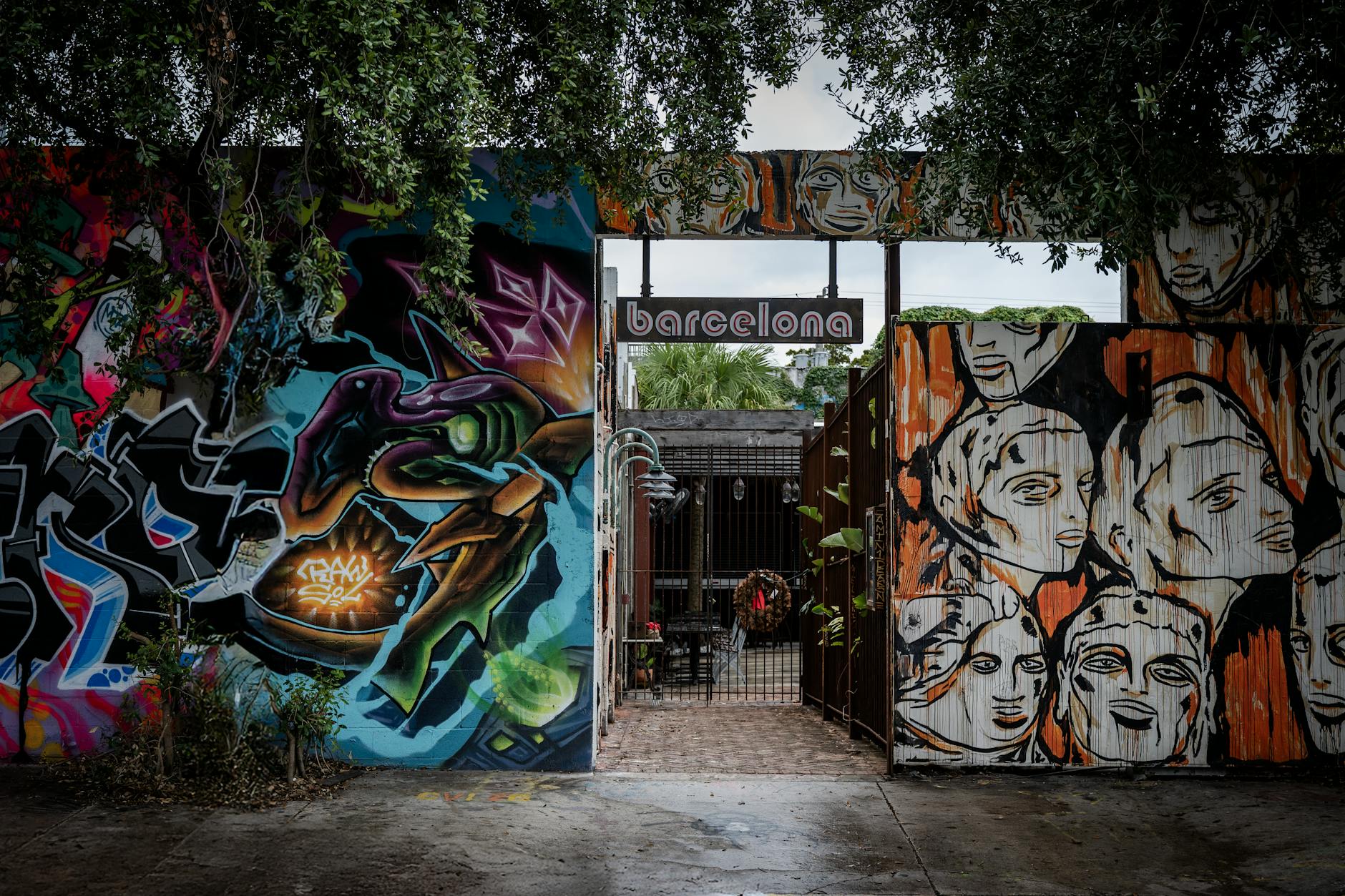
Miami has a reputation as an expensive city, but many of its best experiences don’t cost a thing. Here are the best free things to do in Miami.
- Wynwood street art walk: The entire neighborhood is an open-air gallery. The murals outside the Wynwood Walls (the Walls themselves are free during certain hours and events) can fill an entire afternoon.
- South Beach & the Art Deco Historic District: Walking Ocean Drive, Collins Avenue, and Española Way to admire the nation’s largest concentration of Art Deco architecture, among some 800 designated historic buildings, is completely free. Only the guided tours cost money.
- Little Havana cultural walk: Stroll Calle Ocho, watch the domino players at Máximo Gómez Park, take in the street murals, and soak up the atmosphere without spending anything beyond a $1.50 cafecito.
- Bayfront Park: This 32-acre park in downtown Miami offers stunning Biscayne Bay views, a waterfront promenade, a yoga class schedule, and regular free events and concerts.
- Miami Beach Beachwalk: This nine-mile paved oceanfront promenade runs from South Pointe Park to 87th Street, offering ocean views, public art installations, and access to North Beach neighborhoods.
- ICA Miami: The Institute of Contemporary Art in the Design District offers free admission to all its exhibitions.
- New World Symphony Wallcasts: On select evenings, the New World Center projects live orchestra performances on its massive outdoor wall — free to the public on the SoundScape Park lawn.
- Lincoln Road pedestrian mall: This mile-long pedestrian boulevard on South Beach is lined with restaurants, boutiques, and people-watching opportunities. The Sunday farmers market is a highlight.
- Oleta River State Park: Not quite free, but close: Florida’s largest urban state park costs $2 on foot or by bike, $4 for a single-occupant vehicle or motorcycle, and $6 for a vehicle carrying two to eight people. Kayak, bike the trails, or picnic by the bay.
Day Trips From Miami
Everglades National Park
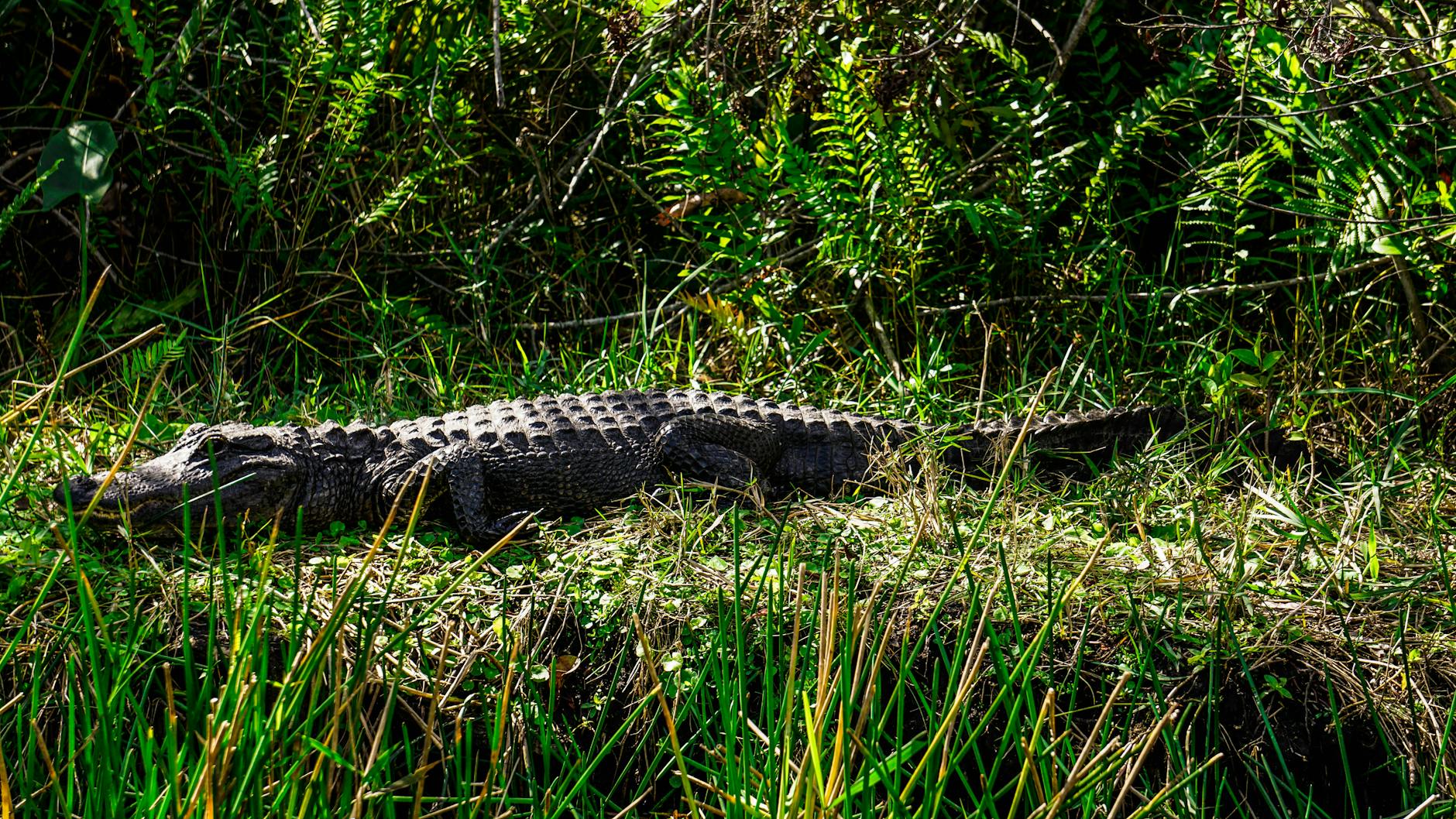
The Everglades — a UNESCO World Heritage Site and International Biosphere Reserve — lie southwest of downtown. Shark Valley is reached along US-41 (Tamiami Trail) and the main entrance through Florida City, so allow extra time for traffic either way. You can visit independently (entry is $35 per vehicle for seven days, plus $100 per person for non-US residents aged 16 and over unless they hold an annual or America the Beautiful pass) and hike trails like the Anhinga Trail, where you may spot alligators, herons, anhingas, and turtles from the boardwalk. Or book a guided airboat tour across the River of Grass; ride lengths depend on the operator, and Tigertail Airboat Tours, for one, offers 30-minute, one-hour and two-hour trips. Half-day tours with round-trip transportation from Miami Beach typically cost $50-$80 per person and include park entry, airboat ride, and a wildlife show.
Biscayne National Park
Ninety-five percent of this national park is underwater, making it a paradise for snorkelers and divers. The park protects the northernmost Florida Keys coral reefs, mangrove shoreline, and Elliott Key — a pristine island accessible only by boat. The Dante Fascell Visitor Center at Convoy Point is free to visit and offers views across the bay. Guided snorkeling and dive trips depart from the visitor center.
Key Largo & the Upper Florida Keys
Key Largo, the first major Keys destination you reach by road, is roughly an hour’s drive south of Miami via U.S. Route 1, depending on traffic. Key Largo is home to John Pennekamp Coral Reef State Park — the first undersea park in the U.S. — where you can snorkel or dive the living coral reefs. Glass-bottom boat tours are available for those who prefer to stay dry.
Fort Lauderdale & The Palm Beaches
Head north on I-95 and, traffic permitting, you’ll soon hit Fort Lauderdale’s riverfront arts district and Las Olas Boulevard, or continue to West Palm Beach for the Norton Museum of Art and the upscale shops of Worth Avenue in Palm Beach.
Hidden Gems & Unique Experiences
Dig a little deeper and Miami reveals surprises that most tourists never discover. These off-the-beaten-path things to do in Miami reward the curious traveler.
Stiltsville
A collection of seven abandoned wooden structures standing on stilts in the shallow waters of Biscayne Bay, about a mile south of Cape Florida. First built in the 1930s as a community of social clubs and private residences, Stiltsville now stands as a hauntingly beautiful reminder of a bygone era. You can only reach it by private boat or kayak — several charter companies offer tours.
Ancient Spanish Monastery
Work on this Cistercian monastery began in Sacramenia, Spain in 1133 and finished in 1141. William Randolph Hearst bought its cloisters and outbuildings in 1925, had them disassembled stone by stone, and shipped them across the Atlantic in over 11,000 crates. Two entrepreneurs bought the stones in 1952 and had them reassembled in North Miami Beach, a job that took 19 months. It’s a rare chance to walk through twelfth-century Spanish cloisters without leaving Florida, and it can be visited for $10.
Fruit & Spice Park
This 37-acre park in Homestead is the only tropical botanical garden of its kind in the United States, growing over 500 varieties of exotic fruits, vegetables, herbs, spices, and nuts from around the world. During your visit, you’re free to eat anything that falls to the ground. Guided tram tours at 11 a.m. and 1:30 p.m. are included with the $15 adult admission (ages 12 and up).
Coral Castle
Between 1923 and 1951, Latvian immigrant Edward Leedskalnin single-handedly carved massive blocks of coral rock into a sculptural garden in Homestead. How he moved stones weighing up to 30 tons with only hand tools remains one of Florida’s great mysteries. Check current admission on Coral Castle’s ticket page before you go.
The Deering Estate
Charles Deering’s bayfront estate in Palmetto Bay includes a 1920s Mediterranean Revival mansion, a pine rockland habitat, mangrove forests, and archaeological sites that trace 10,000 years of human history. The mansion, the Stone House, has been closed for renovation since April 28, 2025, but the rest of the estate is open. It’s far less crowded than Vizcaya and offers a more intimate look at Miami’s Gilded Age history. Admission is $18 plus tax for adults 15 and over and $10 plus tax for children 4–14; kids 3 and under get in free.
Major Events & Festivals
Miami’s events calendar is packed year-round. Here are the annual highlights that draw visitors from around the world.
- Art Basel Miami Beach (December 4–6, 2026, after VIP days on December 2–3): One of the world’s leading international art fairs brings 272 exhibitors from more than 40 countries and territories to the Miami Beach Convention Center. The 2025 edition drew more than 80,000 attendances across its VIP and public days. The entire city transforms during Art Basel week, with satellite fairs, gallery openings, and cultural events happening across every neighborhood.
- Formula 1 Miami Grand Prix (May): Held at the Hard Rock Stadium complex in Miami Gardens, the F1 Miami Grand Prix has become one of the hottest tickets in global motorsport. The three-day event includes practice sessions, qualifying, sprint races, and the main Grand Prix.
- Calle Ocho Festival (March): The largest Hispanic festival in the country transforms 15 city blocks of Little Havana into one big block party with live music stages, food vendors, cultural performances, and an atmosphere that’s pure Miami energy. Attendance typically exceeds one million.
- Ultra Music Festival (March): One of the world’s leading electronic music festivals takes over Bayfront Park for three days of performances across multiple stages. Headliners are major names in EDM, techno, and house music; check Ultra’s site for the current lineup.
- South Beach Wine & Food Festival (February): A four-day culinary event featuring celebrity chefs, wine tastings, cooking demonstrations, and some of the most exclusive dining events of the year.
- Coconut Grove Arts Festival (February 13–15, 2027): A big outdoor art festival in the Grove, featuring work from 285 jury-selected artists across more than a dozen categories. Admission is approximately $29 for adults; free for children 12 and under.
- Miami International Boat Show (February 10–14, 2027): This huge boat and yacht show covers everything from kayaks to mega-yachts. Recent editions have spread across the Miami Beach Convention Center and Downtown Miami, and the show’s site lists where the 2027 show sets up.
- Art Deco Weekend (January): A free celebration of South Beach’s Art Deco architecture featuring live jazz, swing dance classes, guided architectural tours, and vintage car displays along Ocean Drive.
Practical Tips for Your Miami Trip
Best Time to Visit
The sweet spot is November through April, Miami’s drier season, when temperatures are mild (the odd cold snap aside) and humidity is lower. Book hotels early for these months. The shoulder months of May and October offer warm weather, fewer crowds, and better hotel deals. Summer (June through September) brings intense heat, afternoon thunderstorms, and hurricane season — but also the lowest prices and plenty of sunshine between the rain.
Getting Around
Miami is a car-dependent city, but you can explore major tourist areas without one. South Beach is very walkable; the Metromover (a free elevated train) loops through downtown, Brickell, and the Omni district; and rideshare services are plentiful. If you’re visiting Key Biscayne, the Everglades, or any of the day trip destinations, you’ll need a car or organized tour. Street-meter parking in South Beach costs $4 per hour, though special-event rates can differ.
Where to Stay
South Beach is the default choice for first-time visitors — it puts you within walking distance of the beach, nightlife, and Art Deco District. Mid-Beach (around 30th-50th Streets) offers a quieter, more upscale alternative. Brickell is ideal for a more urban vibe with easy access to downtown attractions. Coconut Grove suits families and those seeking a laid-back atmosphere. For the best hotel deals, consider Coral Gables or the mainland side of Biscayne Bay.
Safety Tips
Miami is generally safe for tourists, especially in the main visitor areas. Standard urban precautions apply: keep valuables out of sight, don’t leave belongings unattended on the beach, and be aware of your surroundings at night. Avoid walking alone in unfamiliar neighborhoods after dark. Apply sunscreen generously — the South Florida sun is stronger than it feels, even on cloudy days.
Money-Saving Tips
Many of Miami’s best experiences are free (beaches, street art, parks, boardwalks). Take advantage of happy hour deals at restaurants in Brickell and Wynwood. Buy a Go Miami pass if you plan to visit multiple paid attractions. Use the free Metromover to get around downtown. And eat where locals eat — the best Cuban food in the city costs a fraction of what you’d pay at a tourist-oriented restaurant.
Frequently Asked Questions About Things to Do in Miami
What are the top 5 must-do activities in Miami?
The five experiences that define a Miami trip are: relaxing on South Beach with the Art Deco skyline behind you, walking Calle Ocho in Little Havana for Cuban food and culture, exploring the Wynwood Walls street art, taking a boat tour of Biscayne Bay past the celebrity-filled islands, and visiting either PAMM or Frost Science Museum on the downtown waterfront.
How many days do you need in Miami?
A minimum of 3-4 days lets you cover the major highlights. A full week gives you time to explore neighborhoods in depth, take a day trip to the Everglades or Keys, and enjoy the beach without rushing. If nightlife is a priority, add an extra night — Miami doesn’t sleep early.
Is Miami expensive to visit?
Miami can be expensive, particularly for hotels in South Beach and dining at trendy restaurants. However, many of the city’s best attractions are free or low-cost: beaches, street art, parks, neighborhood walks, and cultural events. Budget travelers can eat well in Little Havana and Little Haiti for under $15 per meal, and accommodation options range from hostels ($30-$50/night) to luxury resorts ($500+/night).
What is the best time of year to visit Miami?
November through April offers the most pleasant weather with warm temperatures and low humidity. December through March is peak season, so expect higher prices and bigger crowds. For a balance of good weather and fewer tourists, visit in November or April.
Is Miami safe for tourists?
Miami’s main tourist areas — South Beach, Wynwood, Brickell, Coconut Grove, Coral Gables, and the Design District — are generally safe. Use common sense, especially at night, and don’t leave valuables visible in parked cars. The beach is safe during the day, but avoid isolated stretches after dark.
What should I pack for Miami?
Light, breathable clothing, sunscreen (SPF 30+), sunglasses, a reusable water bottle, comfortable walking shoes, and a light rain jacket for afternoon showers if visiting from June through October. For nightlife, Miami tends to dress up — smart casual to dressy attire for clubs and upscale restaurants.
Things to Do in Miami: Plan Your Perfect Trip
Whether you have a long weekend or a full week, the best things to do in Miami mix beach time, food, culture, and adventure. Use this hub plus the related guides below to map out exactly what to do in Miami based on your travel style. Our most-visited things to do in Miami guides are linked at the bottom of this page.
- Miami Neighborhoods Guide
- Miami Arts & Culture
- Miami Food & Restaurants
- Miami Nightlife
- Day Trips from Miami
- Best Beaches in Miami
For more things to do in miami resources from official sources, visit Greater Miami Convention & Visitors Bureau (Official tourism site).
Explore Our Complete Miami Activities Guides
Want to go deeper on any of these? Here are our full guides to the best things to do across the city.
- Best Beaches in Miami — from South Beach energy to quiet family sand, where to lay your towel.
- South Beach Guide — Ocean Drive, Art Deco, and the stretch of sand that made Miami famous.
- Water Sports — jet skis, parasailing, paddleboarding, and where to book them.
- Fishing Charters — deep-sea, reef, and backcountry trips with the city’s best captains.
- Boat Tours — sightseeing cruises, sandbar days, and Biscayne Bay sunsets.
- Walking Tours — guided strolls through Art Deco, Wynwood, and Little Havana.
- Free Things to Do — beaches, murals, parks, and culture that cost nothing.
- Outdoor Adventures — kayaking, hiking, and the wild side of South Florida.
- Rainy-Day Activities — museums, malls, and indoor escapes for a wet afternoon.
- Hidden Gems — the secret spots locals would rather keep to themselves.