Miami Arts, Culture & Museums
Why Miami Is a World-Class Cultural Destination
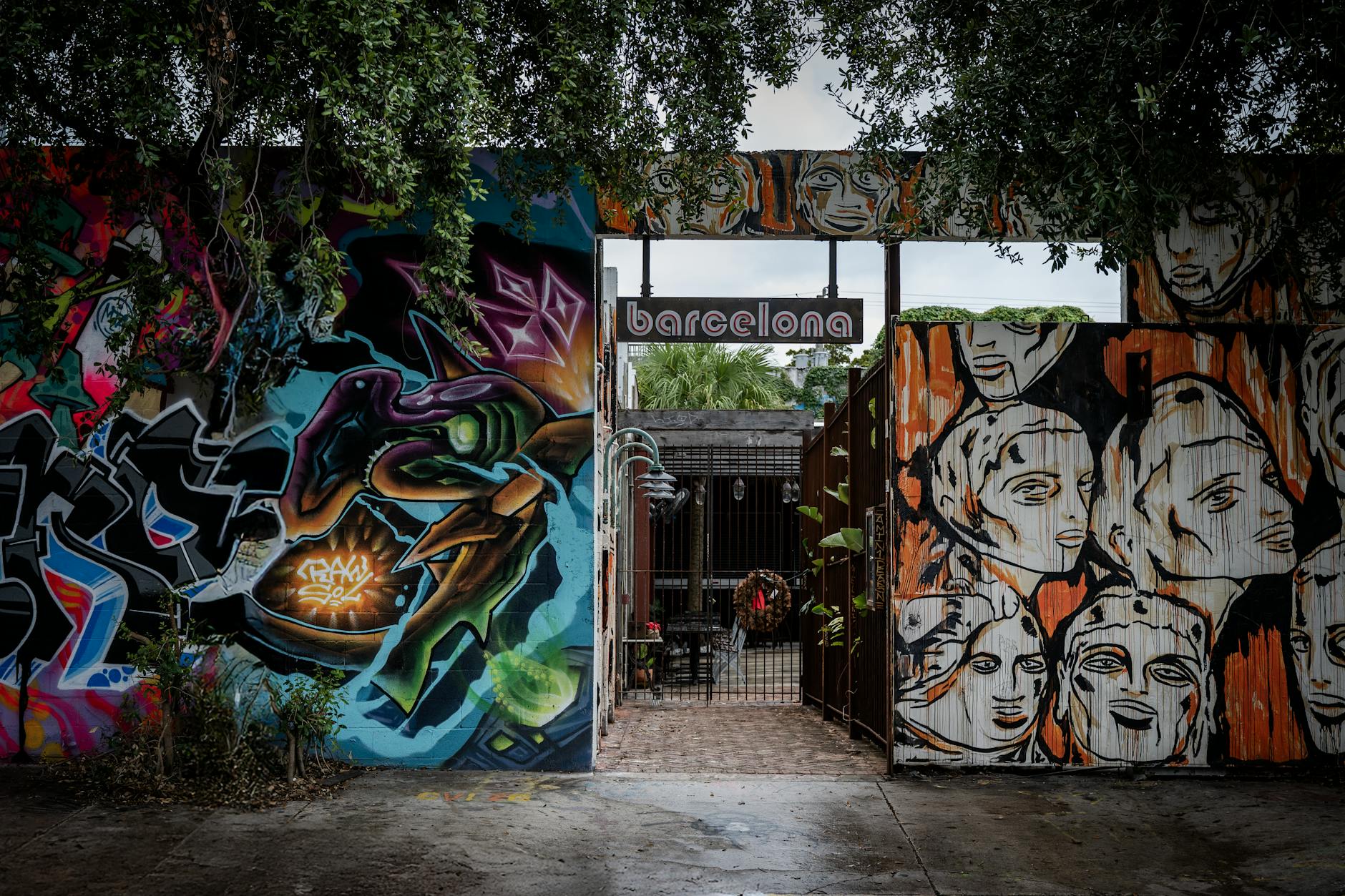
Miami has transformed from a beach vacation cliché into one of the most dynamic arts and culture cities in the United States. A convergence of Latin American, Caribbean, European, and American influences has created a cultural landscape unlike anywhere else — where a Cuban cigar factory sits blocks from a billion-dollar contemporary art museum, and where Art Deco preservation coexists with cutting-edge street art. The city’s miami museums and culture scene spans world-class institutions, guerrilla galleries, historic architecture, and performing arts venues that punch well above their weight.
This guide covers Miami’s museums, galleries, historic landmarks, performing arts, and cultural festivals — everything you need to plan a culturally rich visit. Whether you are drawn to modern masterpieces, Latin American heritage, architectural history, or live performance, Miami delivers an experience that rivals New York, Los Angeles, and Chicago at a fraction of the pretension. For visitors planning broader adventures beyond things to do in Miami, the cultural offerings alone can fill an entire week without repeating a single experience.
World-Class Art Museums
The art museum landscape in Miami has expanded dramatically over the past two decades, evolving from a handful of modest collections into a network of internationally respected institutions. What makes miami museums and culture stand out is the sheer diversity — you can move from pre-Columbian gold to Jeff Koons installations in a single afternoon, all within a city that feels nothing like a traditional museum town.
Pérez Art Museum Miami (PAMM)
The Pérez Art Museum Miami (pamm.org) is the crown jewel of Miami’s museum scene. Perched on Biscayne Bay in Museum Park, the building itself — designed by Pritzker Prize–winning architects Herzog & de Meuron — is a work of art, with hanging gardens draping from its cantilevered overhangs. The permanent collection focuses on 20th and 21st-century art of the Americas, with particular strength in Caribbean and Latin American works.
Practical details: PAMM is open Thursday through Monday, 11 a.m. to 6 p.m., with extended hours until 9 p.m. on Thursdays. General admission is $18 for adults, $14 for seniors, students and youth 7-18, and free for children 6 and under. Free admission on Second Saturdays makes it accessible to all visitors. The museum café, Verde, serves excellent farm-to-table food with panoramic bay views — arrive early for a waterside table. Tip: Visit on a Thursday evening to combine the extended hours with golden-hour light on the bay, and allow at least two hours to see both floors of galleries plus the outdoor sculpture terrace.
The Bass Museum of Art
Located in a 1930s Art Deco building on Miami Beach, The Bass (thebass.org) presents contemporary art exhibitions that connect global artists with Miami’s diverse community. The museum’s permanent collection includes European paintings, sculptures, and textiles from the 15th through 20th centuries, while its rotating exhibitions feature cutting-edge contemporary work. The surrounding Collins Park often hosts outdoor sculpture installations visible to passersby.
Practical details: Open Wednesday through Sunday, 10 a.m. to 5 p.m. Admission is $15 for adults and $8 for students and seniors. Members of the North American Reciprocal Museum (NARM) program receive free entry. Tip: Combine a Bass visit with a stroll through Collins Park and the Miami Beach Botanical Garden next door, both free and open to the public. The Bass gift shop is also one of the best museum shops in the city for unique, design-forward souvenirs.
Institute of Contemporary Art (ICA) Miami
Anchoring the Design District’s cultural credentials, ICA Miami (icamiami.org) occupies a striking building by Spanish architects Aranguren + Gallegos. The museum is always free to visit and focuses on emerging and under-recognized artists. Its permanent collection includes works by major contemporary figures, and the rotating exhibitions consistently push boundaries. The sculpture garden is a peaceful retreat from the Design District’s luxury shopping bustle.
Practical details: Open Wednesday through Sunday, 11 a.m. to 6 p.m., with extended hours until 9 p.m. on Thursdays. No tickets or reservations required — just walk in. The ground-floor project space frequently showcases site-specific installations that change several times a year. Tip: The ICA is a perfect starting point for a Design District culture crawl — from here you can walk to dozens of public art installations, galleries, and architectural landmarks within a few blocks.
Lowe Art Museum
On the University of Miami campus in Coral Gables, the Lowe Art Museum (lowe.miami.edu) houses Miami’s oldest art collection, spanning 5,000 years from ancient Egyptian artifacts and pre-Columbian gold to Renaissance paintings and contemporary installations. It is one of the most comprehensive university art museums in the Southeast and sees far fewer crowds than the bigger-name institutions.
Practical details: Open Tuesday through Saturday, 10 a.m. to 4 p.m. Admission is $15 for adults, $8 for students with ID, and free for UM students, faculty, and staff. The Lowe’s collection of Native American textiles and Asian art is particularly underrated, with galleries dedicated to Chinese ceramics, Japanese woodblock prints, and Southeast Asian sculpture. Tip: Pair a Lowe visit with a walk through the beautiful University of Miami campus and nearby Coral Gables, one of the most architecturally charming Miami neighborhoods in the metro area.
The Wolfsonian-FIU
Tucked inside a Mediterranean Revival warehouse on Washington Avenue in South Beach, The Wolfsonian-FIU (wolfsonian.org) is unlike any other museum in Miami. Its collection of nearly 200,000 objects focuses on design, propaganda, and the decorative arts from the late 19th to mid-20th century — think political posters, industrial design, World’s Fair ephemera, and architectural models. Florida residents get free admission year-round.
Practical details: Open Monday, Thursday, Friday, and Saturday from 10 a.m. to 5 p.m., and Sunday from noon to 5 p.m. General admission is $12 for adults, $8 for students and seniors. Friday evenings from 5 p.m. to 9 p.m. are free for everyone and include live music and special programming. Tip: The Wolfsonian’s lobby gallery and gift shop are free to browse even without a ticket, and the building’s original freight elevator — a gorgeous piece of industrial design — is an exhibit in itself.
Science and Nature Museums
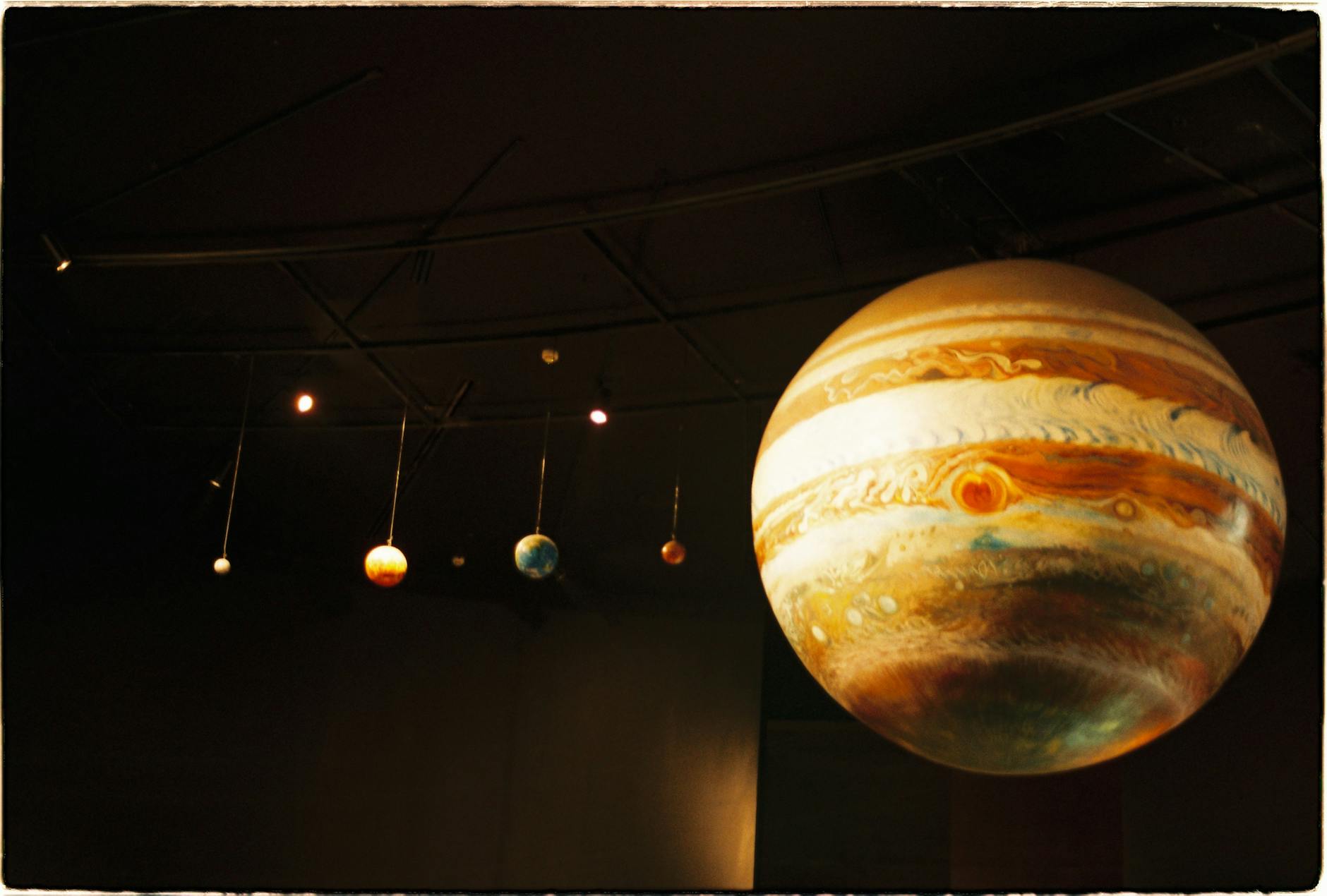
Miami’s museums and culture landscape extends well beyond fine art. The city is home to outstanding science and nature institutions that appeal to families, curious adults, and anyone fascinated by the natural world. These museums take full advantage of Miami’s unique position as a gateway between temperate and tropical ecosystems.
Phillip and Patricia Frost Museum of Science
The Frost Museum of Science (frostscience.org) occupies a spectacular 250,000-square-foot campus in Museum Park, directly adjacent to PAMM. The museum features a three-level aquarium with a 500,000-gallon Gulf Stream tank visible from below through an oculus lens, a state-of-the-art Frost Planetarium with a 67-foot dome and 8K projection, and interactive exhibition floors covering physics, biology, and the Everglades ecosystem.
Practical details: Open daily from 10 a.m. to 6 p.m. General admission is $30 for adults, $25 for seniors, and $22 for children ages 3 to 11, which includes access to the aquarium, exhibitions, and one planetarium show. Tip: Buy a combo ticket with PAMM and save — both museums are in the same park, and you can easily spend a morning at one and an afternoon at the other. The rooftop terrace offers one of the best free views of the Miami skyline and Biscayne Bay.
Miami Children’s Museum
Located on Watson Island between Downtown and Miami Beach, the Miami Children’s Museum (miamichildrensmuseum.org) is a 56,500-square-foot facility designed for children ages birth through 10. Interactive exhibits include a miniature supermarket, a music studio, a construction zone, a pet hospital, and a cruise ship replica where kids can play captain. The museum also features bilingual programming in English and Spanish, reflecting Miami’s multicultural identity.
Practical details: Open daily from 10 a.m. to 6 p.m. General admission is $26 ($20 for Florida residents with ID), free for infants under 1. The museum offers free admission on the third Friday of every month from 3 p.m. to 9 p.m. Tip: The outdoor splash pad is open during warm months — bring swimsuits and towels for the kids, and plan to spend at least two to three hours.
Zoo Miami and Its Conservation Exhibits
Zoo Miami (zoomiami.org), officially Miami-Dade Zoological Park and Gardens, is the only tropical zoo in the continental United States. Spread across 750 acres in south Miami-Dade, the zoo houses more than 2,000 animals from about 375 species across expansive, cageless habitats grouped by geographic region — the Amazon and Beyond, Asia, and Africa exhibits are highlights. The zoo’s conservation programs for the Florida panther, Florida bonneted bat, and American crocodile connect visitors directly to the region’s ecological challenges.
Practical details: Open daily from 10 a.m. to 5 p.m., with last entry at 4 p.m. Admission is $23 for adults, $19 for children ages 3 to 12. The zoo is massive — rent a safari cycle or take the air-conditioned monorail to cover ground efficiently, especially in summer heat. Tip: Visit on a weekday morning when animals are most active and crowds are thinnest. The Florida: Mission Everglades exhibit is the best introduction to native Florida wildlife you will find anywhere.
Street Art and Gallery Districts
Wynwood: The World’s Largest Open-Air Gallery
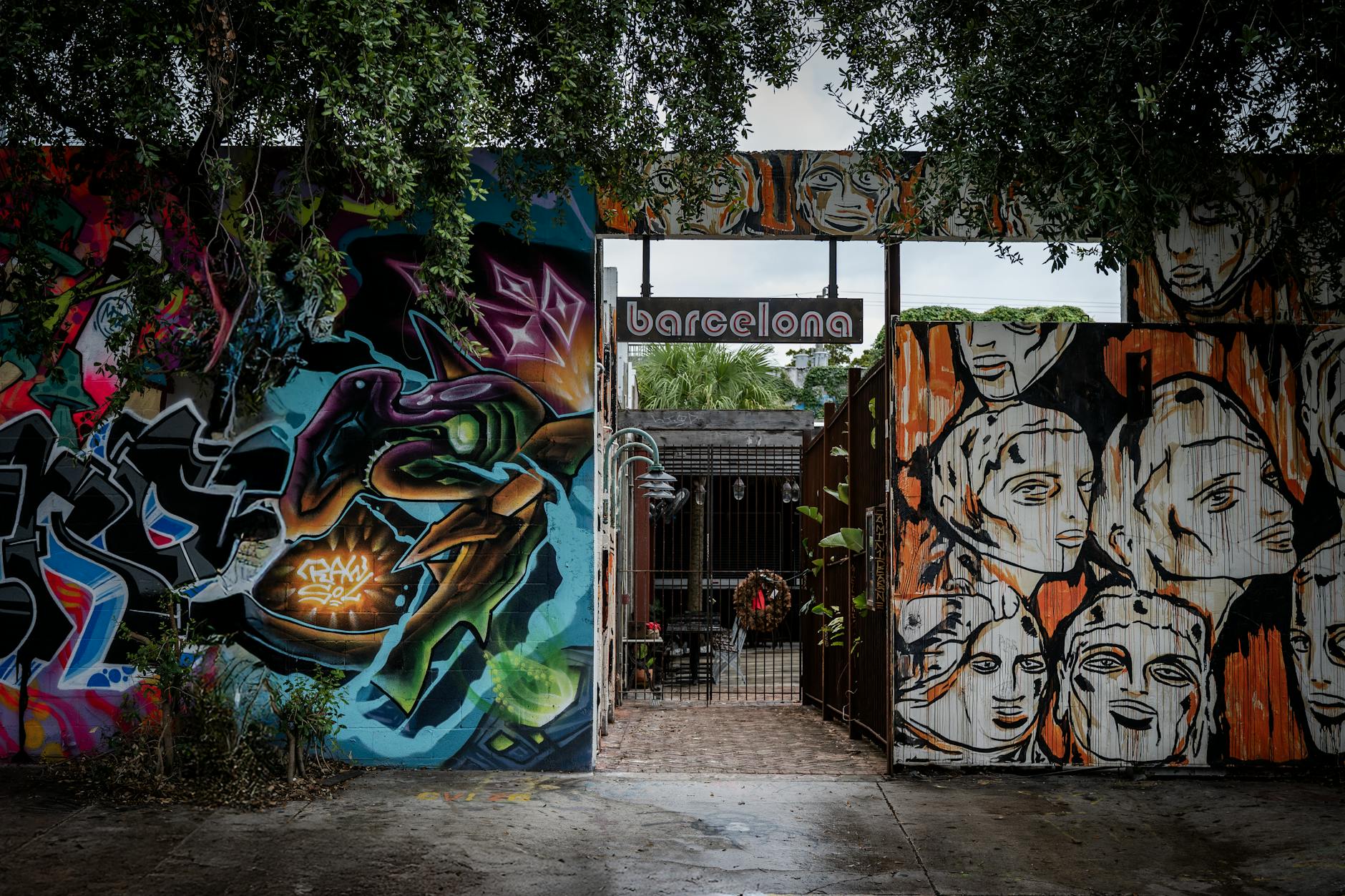
Wynwood Walls (thewynwoodwalls.com) launched Miami’s street art revolution in 2009 when developer Tony Goldman invited internationally renowned muralists to transform a warehouse district into a curated outdoor museum. Today, the Walls feature large-scale works by artists like Shepard Fairey, RETNA, and Os Gemeos, but the surrounding neighborhood has become equally impressive — virtually every building between NW 20th and 29th Streets is covered in murals that are regularly refreshed.
Beyond the murals, Wynwood is home to dozens of commercial galleries. Margulies Collection at the WAM houses one of the most important private collections of contemporary art in the country, specializing in photography, video, and large-scale installations. The Rubell Museum (rubellmuseum.org) in nearby Allapattah is another must-visit private collection, with over 7,200 works spanning four decades of contemporary art in a 100,000-square-foot former industrial complex. The second Saturday of each month brings the Wynwood Art Walk, when galleries host openings and the streets fill with a festival atmosphere.
The Design District’s Public Art
The Miami Design District has quietly amassed one of the most impressive collections of public art and architecture in any American neighborhood. The Fly’s Eye Dome by Buckminster Fuller anchors Palm Court plaza, surrounded by permanent works from Jeff Koons, Marc Newson, and others. Major buildings have been designed by star architects, and rotating installations in Jungle Plaza and Paradise Plaza ensure there is always something new to discover. The neighborhood is a living showcase of how miami museums and culture extend beyond traditional gallery walls into the public realm.
Little Havana’s Cultural Canvas
While less famous than Wynwood, Little Havana has its own vibrant gallery scene centered along Calle Ocho. Futurama 1637 and several smaller galleries showcase Cuban-American and Latin American artists. The Cuban Memorial Boulevard along SW 13th Avenue features monuments honoring the exile experience, including the eternal flame memorial and the ceiba tree — sacred in Afro-Cuban tradition. The entire neighborhood functions as a living cultural museum, where cigar rollers, domino players, and street musicians provide an immersive experience no gallery can replicate.
Historic Architecture and Landmarks
The Art Deco Historic District
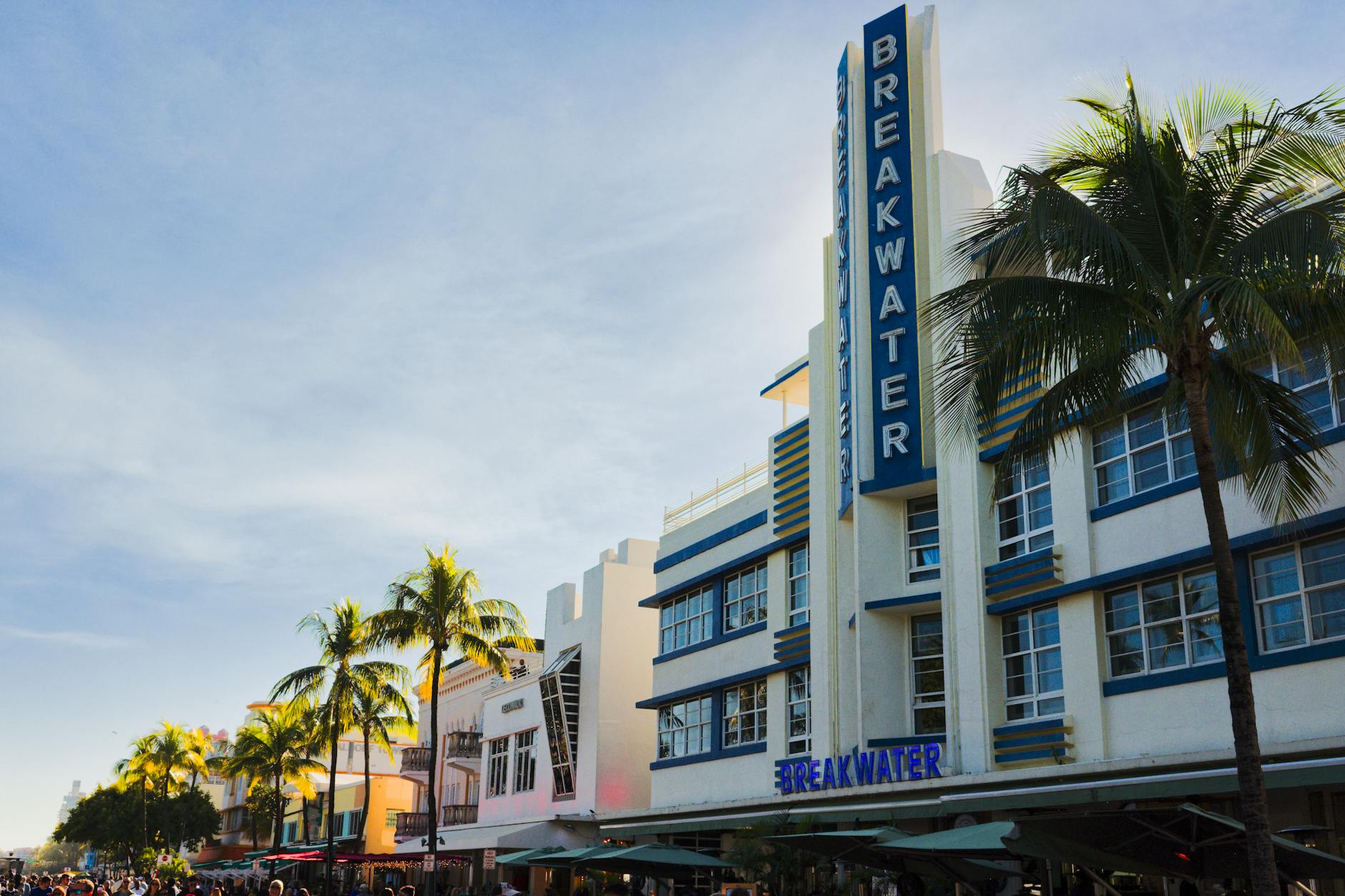
Miami Beach’s Art Deco Historic District contains about 800 pastel-colored buildings from the 1930s and 1940s — the largest concentration of Art Deco architecture in the United States. The district stretches roughly from 5th Street to 23rd Street between the Atlantic Ocean and Lenox Avenue, concentrated along Ocean Drive, Collins Avenue, and Washington Avenue. The Art Deco Welcome Center (artdecomuseum.org) offers guided walking tours that reveal the stories behind iconic buildings like the Carlyle Hotel, Colony Hotel, and Breakwater Hotel.
The annual Art Deco Weekend, held every January and marking its 50th edition on January 15-17, 2027, celebrates this architectural heritage with live performances, guided tours, lectures, vintage car shows, and cultural programming. Open House Miami, typically held in late February, offers behind-the-scenes access to over 100 buildings, studios, and creative spaces across 20-plus neighborhoods.
MiMo (Miami Modern) Architecture in Mid-Beach
While the Art Deco District gets most of the attention, architecture lovers should not overlook the MiMo (Miami Modern) Historic District along Collins Avenue between 50th and 67th Streets in Mid-Beach. This post-war architectural style, which flourished from the late 1940s through the 1960s, brought Space Age optimism to hospitality design with soaring rooflines, dramatic cantilevered canopies, futuristic signage, and exuberant decorative elements inspired by jet travel, atomic science, and tropical living.
Key MiMo landmarks include the Fontainebleau Miami Beach (designed by Morris Lapidus in 1954, a masterpiece of mid-century glamour featured in the James Bond film Goldfinger), the Eden Roc (also by Lapidus, one door north), and a string of beautifully restored boutique hotels along the MiMo corridor including the Vagabond Hotel, the New Yorker, and the Deauville Beach Resort site. The Miami Design Preservation League (mdpl.org) offers occasional MiMo walking tours, and the district is easily explored independently on foot or by bicycle. Tip: The best examples cluster between 61st and 67th Streets on Collins — walk the east side of the avenue in the morning light for the most photogenic views.
Vizcaya Museum and Gardens
Vizcaya Museum and Gardens (vizcaya.org) in Coconut Grove is one of the most spectacular historic estates in America. Built between 1914 and 1916 as the winter residence of industrialist James Deering, this Italian Renaissance-style villa sits on 10 acres of formal gardens overlooking Biscayne Bay. The main house contains 34 decorated rooms filled with European antiques and art spanning four centuries. The gardens blend Italian Renaissance, French Baroque, and tropical landscaping into one of the most photographed settings in Florida.
Practical details: Open Wednesday through Monday, 9:30 a.m. to 4:30 p.m. Admission is $25 for adults, $18 for seniors, $10 for children ages 6 to 12, and free for children under 6. Miami-Dade County residents receive discounted admission with proof of residency. Tip: Visit early in the morning when the gardens are cooler and less crowded. The waterfront barge — an ornamental stone breakwater shaped like a Venetian barge — is best photographed at sunrise or sunset. Vizcaya hosts special evening events throughout the year, including garden concerts and moonlight tours.
Ancient Spanish Monastery
In North Miami Beach, the Ancient Spanish Monastery (spanishmonastery.com) dates to 1141 — making it the oldest European building in the Western Hemisphere. Newspaper magnate William Randolph Hearst purchased the medieval monastery in Segovia, Spain, had it disassembled stone by stone, and shipped the 35,000 crates to the United States in 1925. After decades in storage, it was reassembled in Miami in the 1950s. Today it functions as an Episcopal church and is open for self-guided tours. Admission is $10 for adults and $5 for seniors and students. The cloisters and gardens are a surreal oasis of medieval tranquility in suburban Miami.
The Barnacle Historic State Park
Tucked away in Coconut Grove, The Barnacle preserves the oldest house in Miami-Dade County, built in 1891 by pioneer Ralph Middleton Munroe. The five-acre property includes a tropical hardwood hammock and waterfront access, offering a rare glimpse into Miami’s pre-development era. Guided tours run on weekends, and the park hosts monthly moonlight concerts and other community events. Admission is $2 per person to enter the park, with guided house tours available for a small additional fee.
Performing Arts
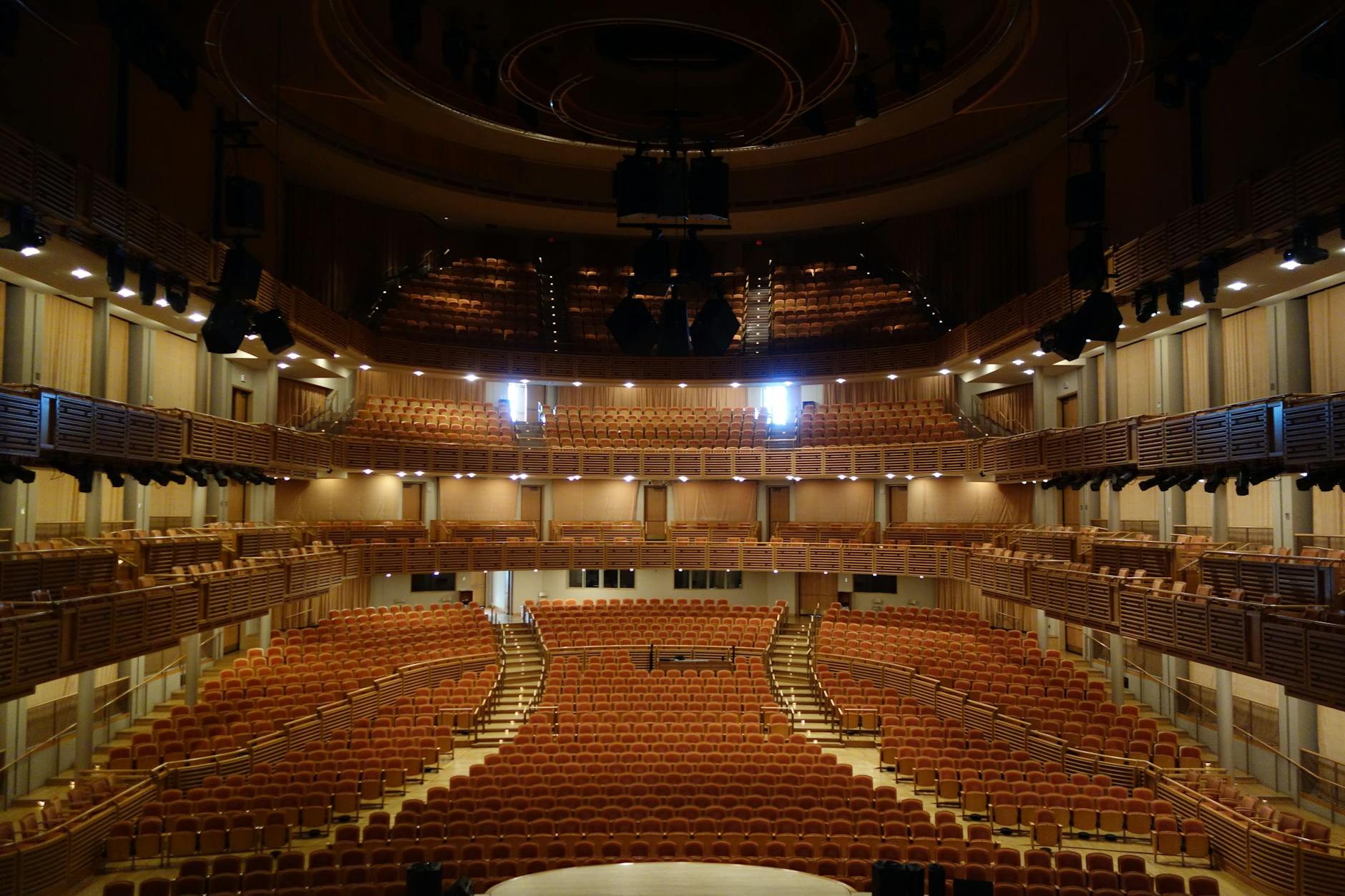
Miami’s performing arts scene has matured into one of the most vibrant in the American South, anchored by world-class venues and resident companies that span opera, ballet, symphony, theater, and experimental performance. The depth of talent and programming is a core reason why miami museums and culture now compete with traditional arts capitals on the national stage.
Adrienne Arsht Center for the Performing Arts
The Adrienne Arsht Center (arshtcenter.org) is the second-largest performing arts center in the United States, occupying a stunning waterfront campus designed by architect César Pelli. Its two main theaters — the 2,400-seat Ziff Ballet Opera House and the 2,200-seat John S. and James L. Knight Concert Hall — host an extraordinary range of programming year-round. The Arsht is the permanent home of the Florida Grand Opera, Miami City Ballet, and hosts Broadway touring productions, jazz concerts, comedy shows, and international music acts. Free programming, including concerts and open rehearsals, runs throughout the year through the center’s “Free and Cheap” series.
Miami City Ballet
The Miami City Ballet (miamicityballet.org) is one of the nation’s premier ballet companies, founded in 1985 by Edward Villella, a principal dancer with the New York City Ballet under George Balanchine. The company maintains one of the largest Balanchine repertoires in the world and performs a full season of classical and contemporary works at the Arsht Center and its home base in Miami Beach. The company’s annual production of The Nutcracker at the Arsht Center is a beloved holiday tradition, and their contemporary programming regularly premieres work from emerging choreographers. Rehearsals at the company’s Miami Beach headquarters are occasionally open to the public — check their calendar for “Open Barre” events.
Miami Symphony Orchestra (MISO)
The Miami Symphony Orchestra (themiso.org), affectionately known as MISO, has been bringing classical and pops programming to South Florida since 1989. Under the direction of Maestro Eduardo Marturet, MISO performs a full season of concerts at the Arsht Center’s Knight Concert Hall, blending classical masterworks with Latin American compositions that reflect the city’s cultural identity. Their “Symphony on the Bay” outdoor concerts and community outreach programs bring orchestral music to audiences who might not otherwise experience it. Ticket prices are notably more affordable than comparable orchestras in larger cities, with many performances under $50.
New World Center and New World Symphony
The New World Center on Miami Beach, designed by Frank Gehry, is home to the New World Symphony (nws.edu) — a prestigious training orchestra for graduates of top music conservatories. Founded by Michael Tilson Thomas in 1987, the symphony serves as a bridge between academic training and professional careers, with fellows performing alongside world-renowned guest conductors and soloists. On performance nights, the building’s exterior wall becomes a massive outdoor screen projecting the concert live into the adjacent SoundScape Park, where audiences can watch for free on the lawn. This innovative “Wallcast” program is one of Miami’s most unique cultural experiences and one of the best free things to do in the city.
Tip: Wallcasts typically begin at 7:30 p.m. on select Saturday evenings during the season (October through May). Bring a blanket, a picnic, and arrive 30 minutes early for a good spot on the lawn. The experience of watching a full symphonic performance under the stars, with Gehry’s architecture glowing behind you, is unforgettable.
Colony Theatre and Miami New Drama
The beautifully restored Colony Theatre on Lincoln Road is home to Miami New Drama (miaminewdrama.org), an award-winning theater company known for bilingual productions that reflect the city’s multicultural identity. Under Artistic Director Michel Hausmann, the company has earned national recognition for premiering work in both English and Spanish, sometimes within the same performance — a creative approach that could only thrive in Miami. Their annual “Micro Theater” events, where short plays are performed in intimate, unconventional spaces, are wildly popular and sell out quickly.
The Olympia Theater
Downtown’s Olympia Theater is a breathtaking 1926 atmospheric theater designed by John Eberson to evoke a moonlit Mediterranean courtyard, complete with twinkling stars on the ceiling and ornate balconies lining the walls. Originally built as a movie palace and one of the first air-conditioned buildings in the South, it now hosts concerts, films, and community events in one of the most architecturally stunning venues in the Southeast. The Olympia’s ongoing restoration ensures this irreplaceable landmark continues to serve as a cultural anchor for downtown Miami.
Cuban Heritage and Latin American Culture
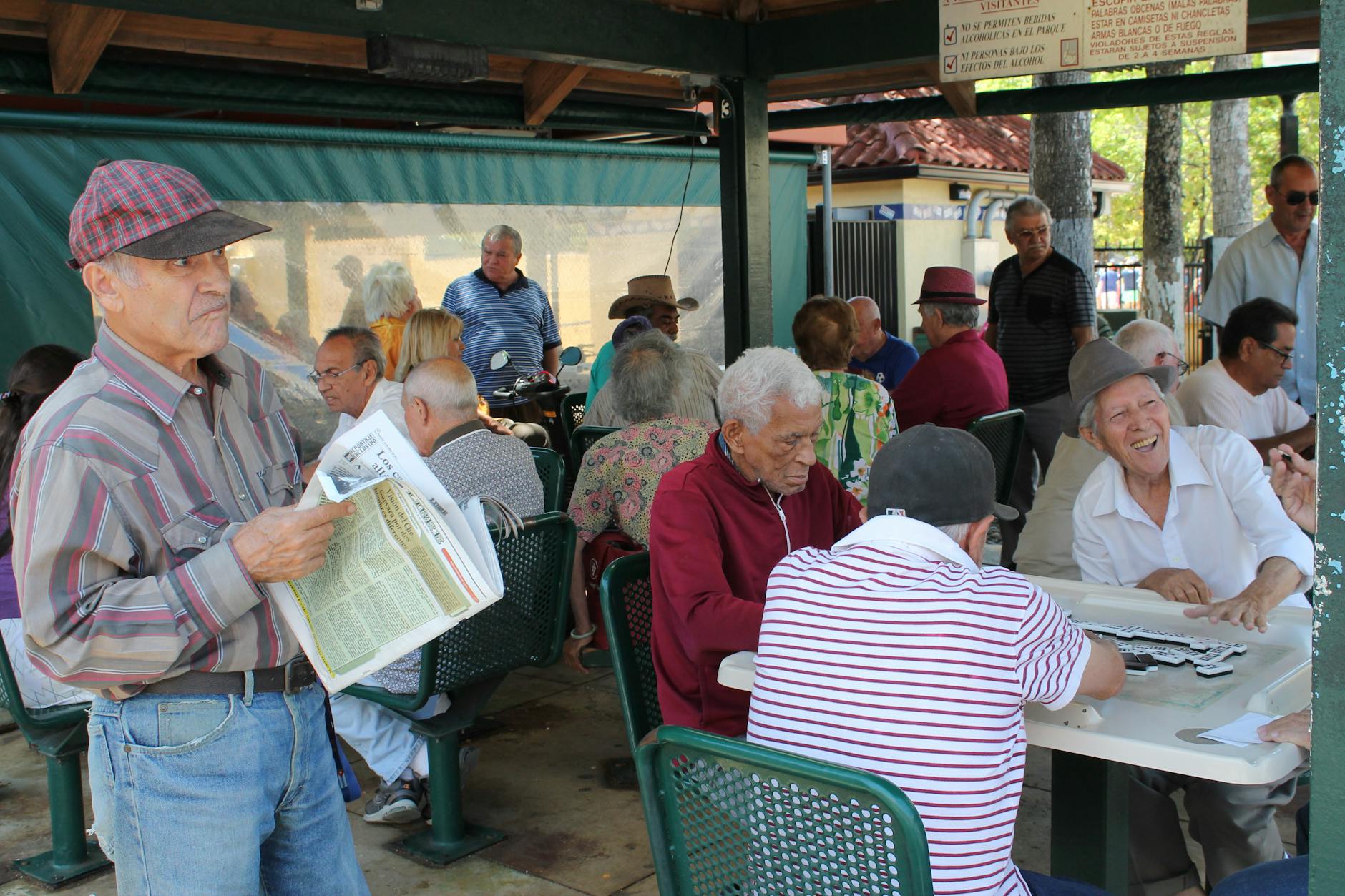
Miami’s identity is inseparable from its Latin American and Caribbean roots. Nearly 70 percent of the city’s population is Hispanic or Latino, and this heritage infuses every aspect of the cultural landscape. Understanding this dimension is essential to appreciating miami museums and culture in full — the Latin influence is not a subcategory but the dominant thread running through the city’s creative DNA.
Little Havana: Living Cultural Heritage
Calle Ocho (SW 8th Street) remains the epicenter of Cuban-American culture. Beyond the well-known attractions — Máximo Gómez (Domino) Park, Tower Theater, Calle Ocho Walk of Fame — the neighborhood offers deeper cultural experiences. Versailles Restaurant, open since 1971, serves as both a culinary institution and a de facto community center where Cuban-American political and social life unfolds daily over cortaditos and croquetas at the famous ventanita (walk-up window).
Walking tours led by local organizations like Little Havana Food Tour and Miami Culinary Tours provide guided introductions to the neighborhood’s cigar factories, fruit stands, art galleries, and hidden cultural landmarks. The Tower Theater (towertheatermiami.com), long a home for independent and foreign films, returns to Miami Dade College’s management on November 1, 2026, with daily programming planned from January 2027 to keep connecting the neighborhood’s past with its present.
Bay of Pigs Museum and Brigade 2506
The Bay of Pigs Museum and Library on SW 9th Street in Little Havana is one of the most emotionally powerful small museums in Miami. Operated by the veterans of Brigade 2506 — the CIA-trained force of Cuban exiles who attempted to overthrow Fidel Castro in the failed April 1961 invasion — the museum documents the operation through photographs, military artifacts, personal letters, uniforms, weapons, and oral histories. Display cases hold medals, dog tags, and personal effects from veterans, many of whom were imprisoned for nearly two years in Cuban jails after the invasion failed.
The museum is small (two main rooms) but deeply moving, offering a firsthand perspective on one of the Cold War’s defining episodes. Surviving veterans and their family members sometimes volunteer as guides, adding personal testimony that no textbook can replicate. The museum is free to enter (donations appreciated) and is typically open Monday through Saturday, though hours can be irregular — call ahead to confirm. The adjacent memorial park, with its eternal flame and monument to the fallen, is accessible at all times.
Cuban Community Centers and Cultural Institutions
Beyond Little Havana’s main tourist strip, several community organizations preserve and promote Cuban and Latin American heritage. The Cuban Heritage Collection at the University of Miami Libraries (library.miami.edu/chc) is the world’s largest repository of materials on Cuba outside the island, with over 50,000 volumes, archives, photographs, and rare manuscripts documenting Cuban history, politics, and culture. Researchers and curious visitors can access the reading room and view rotating exhibits.
The Koubek Center (formerly the Miami-Dade College Cultural Center in Little Havana) hosts exhibitions, concerts, and community events celebrating the neighborhood’s heritage. Casa Bacardi and various cultural nonprofits organize regular programming including Cuban film screenings, salsa dance nights, and lectures on exile history. For visitors seeking a deeper understanding of how Cuban culture has shaped Miami, these institutions provide context that complements the street-level experience of walking Calle Ocho.
Museum of Miami
The Museum of Miami (museumofmiami.org), the former HistoryMiami Museum at 101 W Flagler St in Downtown, is open Wednesday through Sunday, noon to 5 p.m. (adults $15), and provides the most comprehensive overview of South Florida’s history, from the Tequesta indigenous people through the Spanish colonial period, the railroad era, the Cuban exile experience, and Miami’s emergence as a global city. Check museumofmiami.org for current exhibitions and tours.
Overtown: Black Miami Heritage
Historic Overtown preserves the legacy of Miami’s historic Black community. The restored Lyric Theater (historiclyrictheater.com), built in 1913, was the cultural anchor of what was once called “Little Broadway” — a thriving entertainment district where Ella Fitzgerald, Count Basie, and Billie Holiday performed during the Jim Crow era. Today, the Lyric hosts concerts, film screenings, and community events. The Black Police Precinct and Courthouse Museum tells the story of the first Black police officers in Miami, who were restricted to patrolling only Overtown. The Overtown Heritage Trail connects these sites and others, including the historic Dorsey House and the site of the former Mary Elizabeth Hotel where touring Black musicians stayed.
Cultural Neighborhoods at a Glance
Miami’s cultural richness is distributed across distinct neighborhoods, each with its own character and offerings. This quick reference helps visitors plan their time based on interests and location. Understanding the geography of miami museums and culture is essential for efficient trip planning.
Wynwood
Best for: Street art, contemporary galleries, craft breweries and restaurants
Don’t miss: Wynwood Walls, Margulies Collection, Rubell Museum (nearby Allapattah)
Getting there: Rideshare or free Wynwood trolley from Brickell/Downtown
Time needed: Half day to full day
Design District
Best for: Public art, architecture, luxury shopping, ICA Miami
Don’t miss: ICA Miami, Fly’s Eye Dome, Jungle Plaza installations
Getting there: 10-minute walk from Wynwood or short rideshare
Time needed: 2 to 4 hours
Little Havana
Best for: Cuban culture, food, music, cigars, living heritage
Don’t miss: Domino Park, Bay of Pigs Museum, Tower Theater, Versailles
Getting there: 10-minute drive from Downtown, or take the 8 bus along Calle Ocho
Time needed: Half day
South Beach / Art Deco District
Best for: Architecture, The Bass, The Wolfsonian-FIU, nightlife
Don’t miss: Art Deco walking tour, New World Center Wallcasts, Colony Theatre
Getting there: South Beach Local bus (free) or rideshare
Time needed: Full day
Mid-Beach / MiMo District
Best for: Miami Modern architecture, quieter beaches, retro hotel design
Don’t miss: Fontainebleau, Eden Roc, Vagabond Hotel, MiMo corridor
Getting there: Collins Avenue bus from South Beach, 15 minutes
Time needed: 2 to 3 hours
Downtown / Museum Park
Best for: PAMM, Frost Museum of Science, Museum of Miami, Arsht Center
Don’t miss: PAMM and Frost Science combo, Arsht Center evening performance
Getting there: Metromover (free), Brightline, or rideshare
Time needed: Full day
Coconut Grove
Best for: Vizcaya, The Barnacle, bohemian village vibe
Don’t miss: Vizcaya Museum and Gardens, CocoWalk dining, bayfront parks
Getting there: Metrorail to Coconut Grove station or rideshare
Time needed: Half day
Coral Gables
Best for: Mediterranean Revival architecture, Lowe Art Museum, Biltmore Hotel
Don’t miss: Venetian Pool, Biltmore Hotel tour, University of Miami campus
Getting there: Metrorail to University station or rideshare
Time needed: Half day
Overtown
Best for: Black Miami history, Lyric Theater, soul food
Don’t miss: Lyric Theater, Black Police Precinct Museum, Red Rooster
Getting there: Metromover to Historic Overtown/Lyric Theatre station
Time needed: 2 to 3 hours
Annual Cultural Events and Festivals
Art Basel Miami Beach (December)
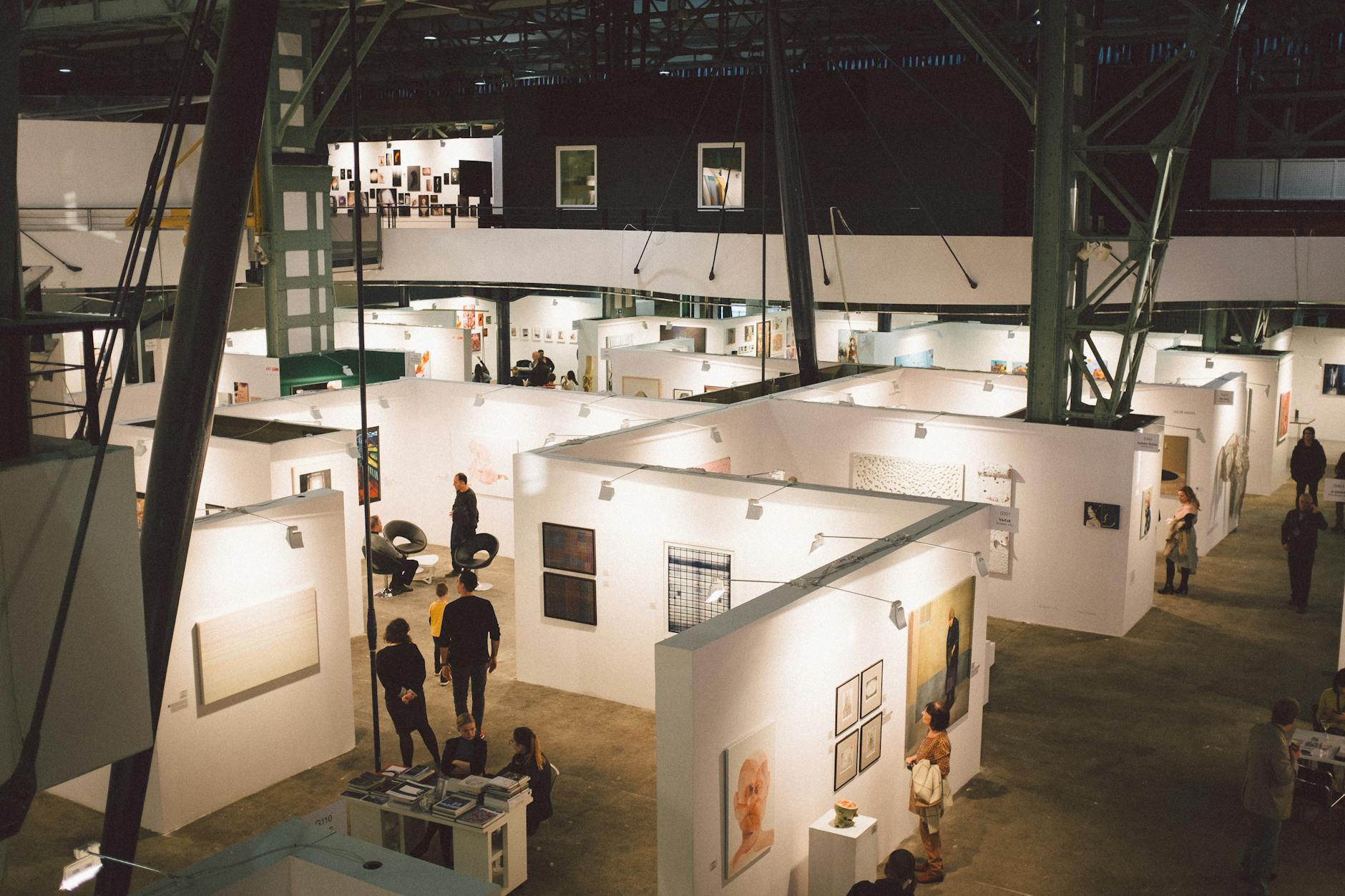
Art Basel Miami Beach is the Western Hemisphere’s most important contemporary art fair, bringing 250-plus galleries from around the world to the Miami Beach Convention Center each December. But Art Basel’s impact extends far beyond the convention hall — during Basel week, the entire city transforms into a canvas of satellite fairs (NADA, Untitled, Art Miami, Scope), pop-up exhibitions, gallery openings, performances, and parties. Wynwood becomes ground zero for the international art world, and even casual visitors can experience extraordinary public art and programming for free. Art Basel week is the ultimate expression of miami museums and culture — a moment when the entire city becomes one vast gallery.
Calle Ocho Festival (March)
The Calle Ocho Festival is the largest Hispanic festival in the United States, attracting over a million visitors to Little Havana for a day of live salsa, reggaeton, and Latin pop music, traditional food, dancing, and cultural performances. The festival transforms 15 blocks of Calle Ocho into a massive open-air celebration of Latin culture.
Coconut Grove Arts Festival (February)
Held every Presidents’ Day weekend, the Coconut Grove Arts Festival is one of the highest-rated fine arts festivals in the nation, drawing over 100,000 visitors to view work from hundreds of juried artists across painting, sculpture, photography, glass, jewelry, and mixed media.
Miami Film Festival (March)
Organized by Miami Dade College and running for over 40 years, the Miami Film Festival (miamifilmfestival.com) spotlights Ibero-American cinema alongside international and American independent films. Screenings take place at venues across the city, including the historic Tower Theater in Little Havana.
Miami Music Week and Ultra Music Festival (March)
Every March, Miami becomes the epicenter of the global electronic music industry. Miami Music Week features hundreds of events across the city, culminating in the Ultra Music Festival at Bayfront Park — one of the world’s largest and most iconic dance music festivals.
Other Notable Cultural Events
The cultural calendar runs deep beyond the marquee events. Miami Book Fair (November), hosted by Miami Dade College, is one of the largest literary gatherings in the country. FUNDarte’s Out-In-The-Tropics celebrates LGBTQ+ arts and culture. The Miami International Film Festival GEMS (fall) brings award-season contenders to local screens. And the Haitian Heritage Month celebrations in May spotlight Little Haiti’s contributions to the city’s cultural fabric through art shows, film screenings, and the Sounds of Little Haiti concert series.
Free and Budget-Friendly Cultural Experiences
Miami’s arts scene is more accessible than many visitors expect. Exploring miami museums and culture does not require a large budget — some of the most memorable experiences cost nothing at all. Here are the best free and budget-friendly cultural experiences:
Always free: Wynwood street murals and neighborhood galleries, ICA Miami, Design District public art and architecture, New World Symphony Wallcasts in SoundScape Park, Bayfront Park public art, and the MiMo architectural district along Collins Avenue.
Free on specific days: PAMM offers free Second Saturdays. The Wolfsonian-FIU is free for Florida residents year-round and free for everyone on Friday evenings. The Miami Children’s Museum offers free admission on the third Friday of each month. Bank of America cardholders get free museum admission on the first full weekends of each month through their Museums on Us program.
Budget-friendly: Art Deco Welcome Center walking tours ($30 for guided, self-guided maps available for free), Vizcaya Museum (discounted for Florida residents and free for children under 6), The Barnacle State Park ($2 entry), and the Ancient Spanish Monastery ($10).
Free cultural events: Wynwood Art Walk (second Saturdays), gallery openings throughout the Design District, free concerts and programming at the Adrienne Arsht Center, seasonal outdoor film screenings in various parks, and monthly moonlight concerts at The Barnacle in Coconut Grove.
Planning Your Miami Cultural Itinerary
With so much to see and do, planning is essential to making the most of your time. Here are suggested itineraries for different trip lengths, designed to give you a well-rounded taste of miami museums and culture without exhausting yourself.
One day: Start at PAMM in the morning (arrive at opening to beat crowds), walk next door to Frost Museum of Science if traveling with kids, then head to the Art Deco Historic District in the afternoon for a walking tour or self-guided exploration. End the evening with a performance at the Arsht Center or a free Wallcast at the New World Center in SoundScape Park.
Two days: Add a morning in Wynwood exploring murals and galleries, followed by an afternoon at the Design District (ICA Miami plus public art and architecture). Spend day two in Little Havana for cultural immersion — take a walking tour, visit the Bay of Pigs Museum, watch the domino players, and have a Cuban lunch at Versailles or El Exquisito. Finish with Vizcaya Museum and Gardens in Coconut Grove during the golden hour.
Three days: Add the MiMo district and Mid-Beach on day three morning, then head to Coral Gables for the Lowe Art Museum, the Venetian Pool, and a drive through the Mediterranean Revival streetscape. In the afternoon, visit Overtown for the Lyric Theater and Black Police Precinct Museum. End with dinner in Coconut Grove or a show at the Colony Theatre on Lincoln Road.
Art Basel week: Plan your schedule around the main fair and satellite events. Arrive early — galleries and pop-ups open days before the official Basel dates. Book accommodations months in advance, as the entire city sells out. Prioritize the satellite fairs (NADA, Untitled) for emerging art and use early mornings for the main convention hall before the crowds build.
Pro tips for cultural visitors: Miami’s museums are generally less crowded on weekday mornings. Many close on Tuesdays, so plan accordingly. The Metromover (free) connects Downtown, Brickell, and Museum Park efficiently. For other things to do in Miami beyond museums and culture, you will find the city equally rich in outdoor activities, dining, and nightlife.
Frequently Asked Questions About Miami Arts and Culture
What is the best museum in Miami?
The Pérez Art Museum Miami (PAMM) is widely considered Miami’s best museum, combining a world-class contemporary art collection with a stunning waterfront setting. For historic interest, Vizcaya Museum and Gardens is unmatched. For cutting-edge contemporary work, ICA Miami is free and excellent. For science and families, the Frost Museum of Science is outstanding.
Is Miami good for art lovers?
Miami is one of the best cities in the world for art lovers. Between the permanent museum collections, Wynwood’s street art, the Design District’s public installations, and the annual Art Basel fair, Miami offers an extraordinary breadth of artistic experiences rivaling any major cultural capital. The depth of miami museums and culture continues to grow each year as new galleries, institutions, and public art projects open.
When is the best time to visit Miami for arts and culture?
Art Basel week in early December is the pinnacle, but the entire winter season (November through April) offers the richest cultural programming. January brings Art Deco Weekend, February has the Coconut Grove Arts Festival and Open House Miami, and March features the Calle Ocho Festival and Miami Film Festival. Summer is quieter on the cultural calendar but offers smaller crowds at museums and lower hotel rates.
Are there free museums in Miami?
Yes. ICA Miami is always free. PAMM offers free Second Saturdays. The Wolfsonian-FIU is free for Florida residents and free for everyone on Friday evenings. Many galleries in Wynwood and the Design District are free to enter, and the Wynwood Walls outdoor murals are viewable from the street at no cost. The Bay of Pigs Museum in Little Havana is also free to visit.
What is Art Deco Weekend in Miami?
Art Deco Weekend is an annual free festival in January celebrating Miami Beach’s Art Deco Historic District with guided architectural tours, live music, vintage car shows, film screenings, dance performances, and cultural programming. It is one of the oldest and most beloved cultural events in Miami.
What are the best museums for families with children?
The Frost Museum of Science is the top pick for families, with its three-level aquarium, planetarium, and interactive science exhibits. The Miami Children’s Museum on Watson Island is ideal for younger children (under 10). Zoo Miami offers a full day of outdoor exploration. Vizcaya appeals to older children interested in history, and the Museum of Miami (formerly HistoryMiami) has family-friendly exhibits and programs.
How do I get between Miami’s cultural neighborhoods?
Rideshare apps (Uber and Lyft) are the most convenient option. The free Metromover connects Downtown, Brickell, and Museum Park. The Metrorail serves Coconut Grove and Coral Gables. City buses run along major corridors including Calle Ocho. For Wynwood and the Design District, the free trolley or a short rideshare from Downtown is best. Driving is possible but parking can be expensive and limited in South Beach and Wynwood.
More Miami Arts and Culture Resources
Miami arts and culture reaches well beyond the museums — from Wynwood’s outdoor murals to Little Havana’s domino park, the city’s creative life happens at street level. The best way to experience Miami arts and culture is to pair a museum visit with a self-guided neighborhood walk.
For more miami arts and culture resources from official sources, visit Pérez Art Museum Miami (PAMM) — official site.
Explore Our Miami Arts & Culture Guides
From street art to symphonies, here’s where to dig into Miami’s cultural side.
- Best Museums in Miami — art, science, and history across the city’s top institutions.
- Wynwood Walls — the open-air street-art museum that defines the district.
- Art Deco District — South Beach’s pastel 1930s skyline, explained.
- Vizcaya Museum & Gardens — a Gilded Age villa on the edge of Biscayne Bay.
- Pérez Art Museum (PAMM) — contemporary art in a waterfront landmark.
- Art Basel Miami Beach — the fair that turns the city into a December art capital.
- Cuban Culture & Heritage — music, food, and history beyond Calle Ocho.
- Frost Science Museum — planetarium, aquarium, and hands-on science.
- Miami’s Music Scene — from Latin jazz to world-class DJs.
- Theater & Performing Arts — Broadway tours, opera, ballet, and comedy.