Miami sits on one of the richest sportfishing grounds in the country. Within four miles of the beach the bottom drops to 600 feet, where the same Gulf Stream water that funnels billfish, tuna, and mahi-mahi up the Atlantic coast runs close to shore. That’s why Miami fishing charters are a year-round business, why the city hosts world-class billfish tournaments, and why even a first-time angler can land a memorable fish on a half-day trip. This guide covers the charter types, what each costs, what’s biting by season, and how to pick a captain worth your money.
Miami fishing charters at a glance
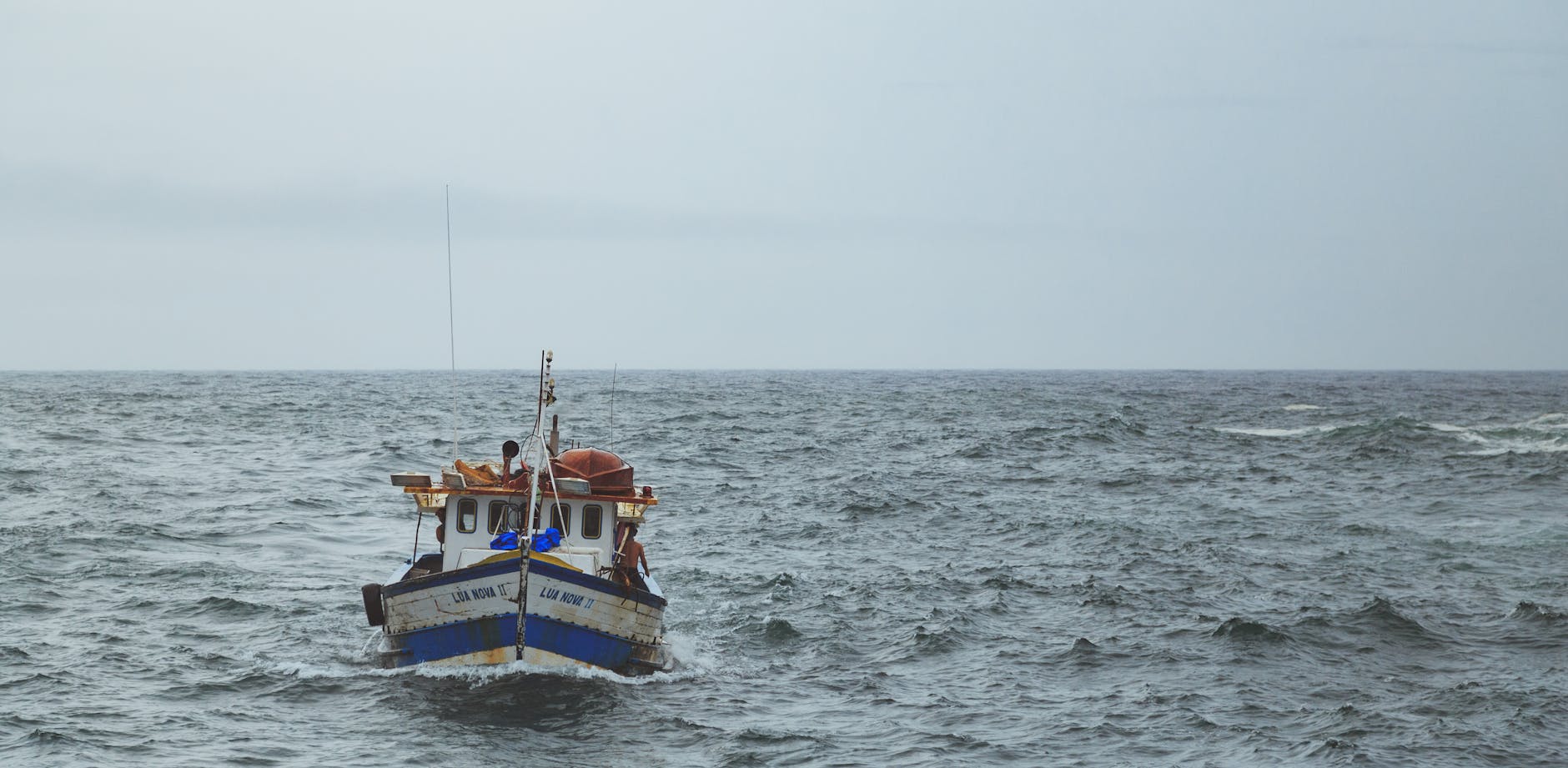
You’ll choose among a handful of trip styles — deep-sea (offshore), reef and wreck, drift or headboat, inshore and flats, plus specialty kite-fishing and swordfishing. Most trips run four hours (half-day), six hours (the most popular length), or eight hours (full-day), with swordfish and long-range runs going 10 to 12. A private half-day charter typically costs $700–950 for the boat with up to four anglers and all gear, while shared headboat trips run about $80–125 a person. Boats leave from Haulover Marina, Miami Beach Marina, Bayside Marketplace, Crandon Marina on Key Biscayne, and Sunny Isles. One nice simplification: your captain’s charter license covers everyone aboard, so you don’t need your own. Fishing is good all year — only the headline species rotate, with sailfish in winter and mahi in summer.
Types of Miami fishing charters
Deep-sea (offshore) charters
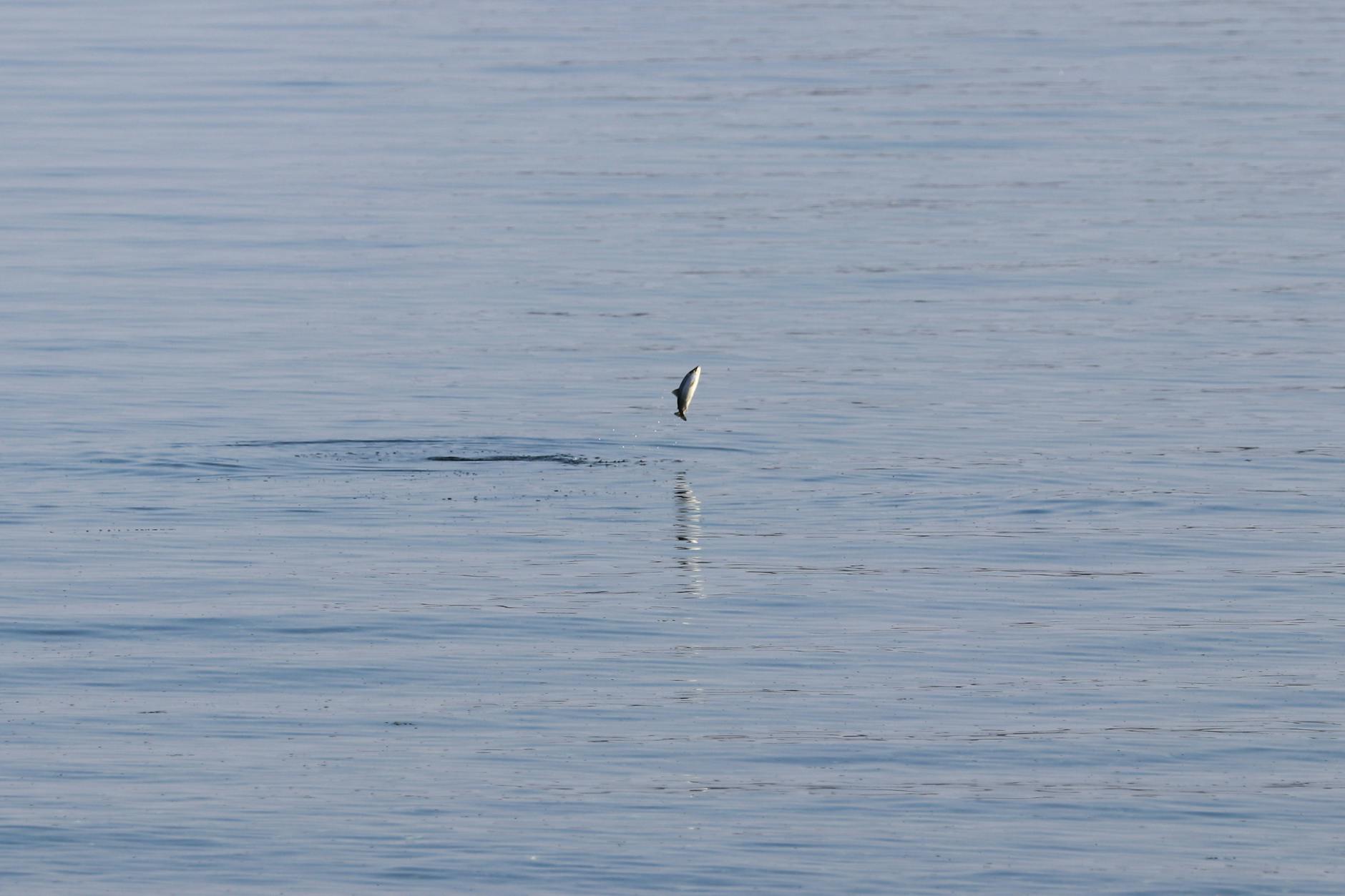
This is the classic Miami trip: head 3 to 20 miles offshore in a 35- to 60-foot sportfisher and troll for pelagic species. The targets are sailfish, swordfish, marlin, mahi-mahi, blackfin tuna, wahoo, and kingfish, with the odd shark or barracuda in the mix. Four-, six-, and eight-hour trips are all common, and the eight-hour runs reach far enough to fish several structures in a day. A private half-day generally costs $850–1,800 and a full day $1,400–2,500, depending on boat size and the captain’s reputation. The price includes captain, mate, all rods and reels, bait, ice, and the fishing license; you bring food and drinks (no glass bottles, coolers welcome). Plan to tip 15–20% of the charter cost to the mate — not the captain — since that tip is the mate’s primary income.
Reef & wreck charters
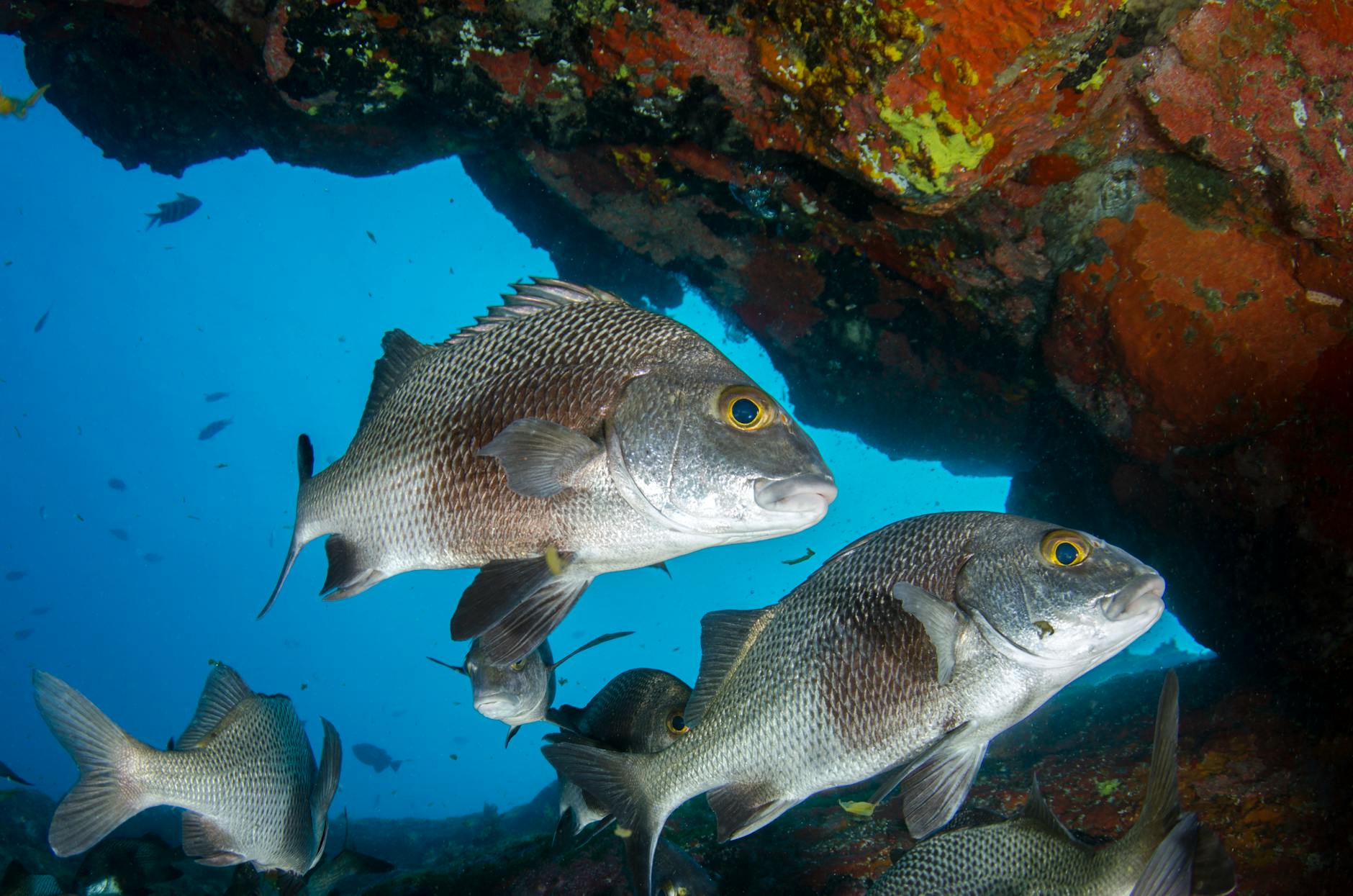
If your goal is to fill the cooler rather than chase a billfish, book a reef or wreck trip. You’ll anchor or drift over hard bottom and shipwrecks within one to four miles of shore, working for yellowtail, mutton, and mangrove snapper, red and gag grouper, amberjack, kingfish, mackerel, cobia, jacks, and barracuda. A private half-day runs about $700–1,100, while a spot on a headboat or drift boat — the Kelley Fleet and Therapy IV style boats — costs $80–120 a person. Nearly everything you catch here is good eating and within bag limits, and the captain will clean and bag your fish at the end for a small filleting fee of a dollar or two per pound.
Drift & headboat trips
A headboat is a large party boat carrying 40 to 80 anglers that drifts across the reefs while everyone fishes their own rod. It’s the cheapest way to get a line in the water and surprisingly fun — around $55–85 for an adult on a four-hour trip and $35–45 for kids under 12. The established operators are the Kelley Fleet out of Haulover Park, Therapy IV (also Haulover), and the Reward Fleet at Miami Beach Marina. The Kelley Fleet has been running since 1957 and is the most established of the bunch. This is the right pick for solo travelers, budget-minded families, and anyone who wants a low-commitment first taste of saltwater fishing.
Inshore & flats charters
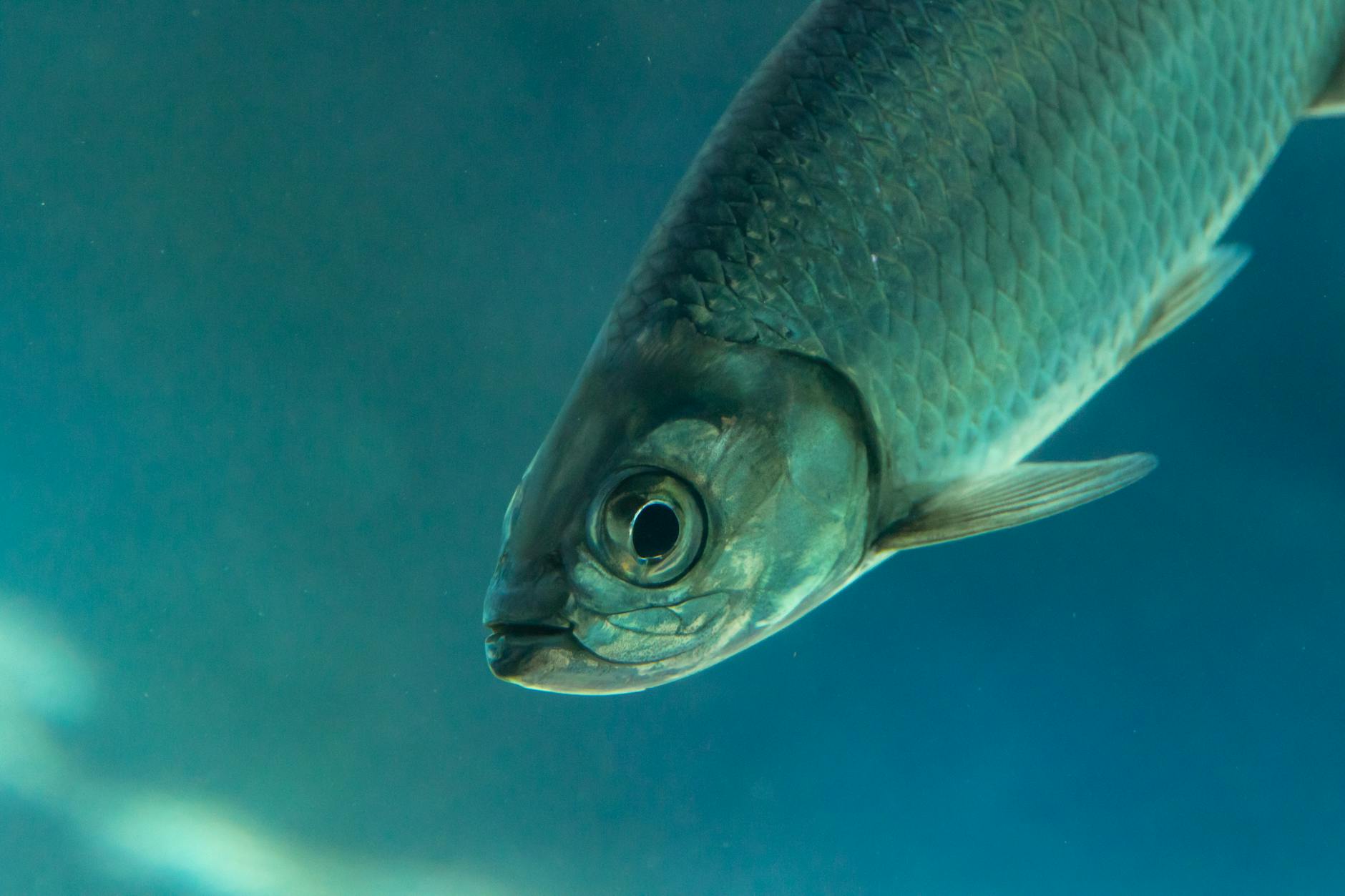
Inshore charters stay in the calm, protected water of Biscayne Bay, the Miami River, and the flats of Card Sound and Florida Bay, fishing from 18- to 24-foot bay boats and skiffs. The prizes are tarpon — the legendary “silver king” — along with bonefish, permit, snook, redfish, jacks, and ladyfish. Expect $500–950 for a half-day, usually capped at two anglers in a flats skiff. It’s the domain of fly anglers and sight-fishing fans; a little casting practice helps for bonefish and permit, though tarpon are forgiving enough for beginners.
Specialty: swordfishing
Miami is one of the only U.S. cities where you can leave the dock and catch a swordfish in a single day. Daytime swordfishing happens 15-plus miles out in 1,500 to 1,800 feet of water, using electric reels and weighted baits dropped to the bottom. A 10-hour trip on a top boat like Double Threat Charters or the Reward Fleet’s Legacy runs $2,200–3,000. It’s a bucket-list day best suited to experienced offshore anglers, and while the fishery produces year-round, the bite peaks from November through April.
What’s biting and when
Winter (December–February)
This is sailfish season — peak migration, and the best window all year for catching several sails in a single day. Kingfish, swordfish, blackfin tuna, wahoo, and big yellowtail snapper are all strong too. The water is cooler and the breeze light, and the day after a cold front often produces a world-class sailfish bite.
Spring (March–May)
The “dolphin run” begins as green-and-gold mahi-mahi boil under floating debris offshore. Tarpon move into the bays and along the beach, and cobia, blackfin tuna, and the tail end of the sailfish run round out the mix. The weather is postcard-perfect with the lightest winds and easiest seas of the year — many locals call spring the best time to fish Miami.
Summer (June–August)
Mahi fishing peaks and the summer dolphin tournaments take over the calendar. Tarpon move into Government Cut at night, the reefs stay productive for snapper and grouper, and swordfishing continues offshore. It’s hot with calm seas and late-afternoon thunderstorms, so morning trips are the play.
Fall (September–November)
The sailfish run starts up again and kingfish show in big numbers, with the last of the mahi plus cobia, blackfin tuna, snapper, and grouper still around. September carries real hurricane risk and trips often cancel, but October and early November are excellent and blissfully uncrowded.
The best Miami fishing charter operators
A few names come up again and again. Double Threat Charters, run by Captain Bouncer Smith and Bouncer Smith Jr., is a tournament-winning operation with a 43-foot Hatteras for offshore and a 21-foot bay boat for inshore, with rates around $1,250–2,200; Bouncer’s smaller, faster Dusky 33 handles shorter trips. The Reward Fleet, captained by Stan Saffan, holds 16 IGFA world records and runs both the offshore Legacy (a 37-foot Topaz) and a drift boat, with trips spanning roughly $115 to $2,000. The Kelley Fishing Fleet, founded in 1957, is the city’s most established headboat operator, with multiple departures a day from Haulover. Therapy IV Sportfishing runs a 65-foot party-style charter out of Haulover at competitive private rates, Miami Sailfish Charters (Captain Christian) specializes in sailfish kite-fishing, and New Moon Sportfishing offers private offshore trips from North Miami Beach. For last-minute booking and verified reviews, aggregator platforms like FishingBooker and GetMyBoat vet their listed charters and are a useful place to compare.
How to book the right charter
Match the trip to your crew. With kids under 10, stick to a drift boat or a four-hour reef trip; long offshore runs invite seasickness. First-timers do best on a four-hour reef and wreck trip, where catch rates are high, the water is calm, and the captain has time to teach. A bachelor party or group of six or more should charter a 50-foot-plus sportfisher with a cabin and room to spread out. Bucket-list anglers should book a dedicated swordfish or sailfish trip, and fly anglers will want a quiet inshore flats skiff for sight-based fishing.
Before you put down a deposit, it’s worth asking a few questions:
- What’s the going rate for a comparable boat? (Search FishingBooker for a benchmark.)
- Are fuel and gratuity included, or extra?
- What’s the cancellation policy if weather forces a no-go?
- How many passengers can the boat legally hold?
- Is fish cleaning available, and at what cost?
- What time of year is best for the species I want?
- Can I keep the catch?
A few red flags are worth heeding: no website or online reviews anywhere, a demand for full payment in cash up front, any pressure to skip the life-jacket briefing, or a boat showing obvious neglect like rusted rails and tackle patched with electrical tape.
What to bring on a Miami fishing charter
The boat supplies the tackle; you just need to come prepared for a day in the sun and swell:
- Reef-safe sunscreen, SPF 50+: reapply every 90 minutes, since sun off the water doubles your exposure.
- Polarized sunglasses on a strap: they cut surface glare and survive a stumble.
- A long-sleeve UV shirt and hat: better than sunscreen alone over an eight-hour trip.
- Closed-toe, non-marking shoes: sneakers or boat shoes, never flip-flops.
- A cooler with food and drinks: boats provide ice; bring water, sandwiches, and snacks, but no glass.
- Dramamine or Bonine: take it an hour before departure if you have any history of motion sickness.
- Cash for the tip, roughly $150–250: the mate’s tip is essential and traditionally cash.
- A backpack or dry bag: to stow wallet, phone, and ID below decks.
Where charters depart
Most of the fleet is clustered at Haulover Park Marina in Sunny Isles — Kelley Fleet, Therapy IV, Double Threat, and dozens more, with easy parking around $7. Miami Beach Marina on 5th Street is closest to South Beach hotels and home to the Reward Fleet, Bouncer’s boats, and many private charters. Bayside Marketplace downtown is tourist-friendly, runs some headboats, and sits near the cruise terminals. For inshore and bay-flats trips, head to Crandon Marina on Key Biscayne, and for a smaller, less touristy launch, Pelican Harbor in Miami Shores.
Safety, etiquette & conservation
Catch-and-release is standard for sailfish, marlin, and small mahi; a good captain will photograph and revive the fish, so don’t pressure the crew to keep a billfish. Florida sets per-person bag limits for most species — 10 yellowtail snapper, one mutton snapper, and so on — and the captain handles compliance. On tipping, plan for 15–20% of the total charter cost to the mate, plus an extra 5–10% to the captain after an exceptional day. Most boats allow cans only and enforce boating-under-the-influence laws, so drink responsibly. And when weather threatens, the captain has the final say; nearly all will reschedule within 30 days at no charge. For current licenses and bag limits, the Florida Fish & Wildlife saltwater fishing regulations are the official reference.
Frequently asked questions
How much does a fishing charter in Miami cost?
Private charters average $700–950 for a half-day (up to four anglers) and $1,300–2,000 for a full day. Shared headboat trips run $80–125 a person, and specialty swordfish or big-sportfisher trips $2,000–3,000.
Do I need a fishing license?
No. Your captain holds a saltwater fishing license that covers everyone aboard, so there’s nothing to buy.
When is the best time of year to fish in Miami?
March through May offers the best overall conditions and species mix, while December through February brings the sailfish migration. Mahi-mahi runs strongest April to September, and tarpon peak May to July.
Is Miami fishing good for kids?
Yes — choose a four-hour reef or wreck trip or a Kelley Fleet drift boat, where kids hook small snappers, grunts, and yellowtails again and again. Save the long offshore runs for ages 10 and up.
Will I get seasick?
Maybe. Miami’s offshore swells usually run a moderate two to four feet. Take Bonine or Dramamine an hour before departure if you’re prone to it, stay outside in the fresh air, and skip the greasy breakfast.
Can I keep what I catch?
Most edible reef and pelagic species, yes, within Florida bag limits. Billfish like sailfish and marlin are catch-and-release. Captains will fillet and bag your keepers for a dollar or two per pound.
What if the weather is bad?
The captain decides the morning of the trip, and most will reschedule for free or refund. Booking your charter for the first day of your visit gives you room to move it if needed.
Should I tip the captain?
Yes — 15–20% of the total charter price, primarily to the mate and traditionally in cash, plus an extra 5–10% to the captain after an exceptional day.
Plan your Miami fishing trip
Whether you’re chasing a sailfish in February or filling a cooler with snapper any month of the year, Miami’s fishery delivers. Book early during the winter peak, ask your captain which trip suits your group, and tip your mate fairly. To build a fuller week on the water, pair this with our guides to Miami water sports, Miami boat tours, and outdoor adventures, or start from the Things to Do in Miami hub and our Miami day trips guide.