Water Sports Miami: Complete Guide for Visitors (2026)
This article contains advertising. Our booking links are routed through a partner that adds commission tracking automatically, so if you book through one we earn a commission from the provider, at no extra cost to you. It never affects what we recommend. Affiliate disclosure
With more than 35 miles of coastline, a bay full of protected lagoons, an offshore reef, and steady ocean breezes nearly every day, Miami runs on the water year-round. Water sports in Miami aren’t a seasonal novelty here — they’re a 365-day-a-year habit. Whether you’re after a thrill-ride jet ski tour past celebrity mansions, a slow kayak through mangrove tunnels, a parasail flight hundreds of feet over the Atlantic, or your very first kiteboard lesson, this guide covers where to go, who to book with, what it costs, and how to do it all without getting ripped off.
Two Zones: The Bay and the Ocean
Almost everything on the water here happens in one of two places, and knowing the difference saves a lot of guesswork. Biscayne Bay — the protected lagoon between the mainland and Miami Beach — is calm, shallow, and forgiving, which makes it the natural home for beginners. Most rentals launch from Sea Isle Marina, Miami Marine Stadium, Hobie Island, Crandon Marina, or Pelican Harbor. The Atlantic Ocean, on the far side of the barrier islands, brings wider water and bigger swell, so it’s better for surfing, parasailing, deep-sea diving, and offshore fishing. Ocean outfitters tend to cluster at Haulover Marina, Miami Beach Marina, and Watson Island.
If you’d rather book one operator for several activities, the big one-stop shops are Miami Watersports in Coconut Grove, Miami On The Water at Bayside, and Boucher Brothers along the oceanfront in South Beach. All three sell combo packages, which usually run 15–25% cheaper than booking each activity on its own.
Jet Skiing
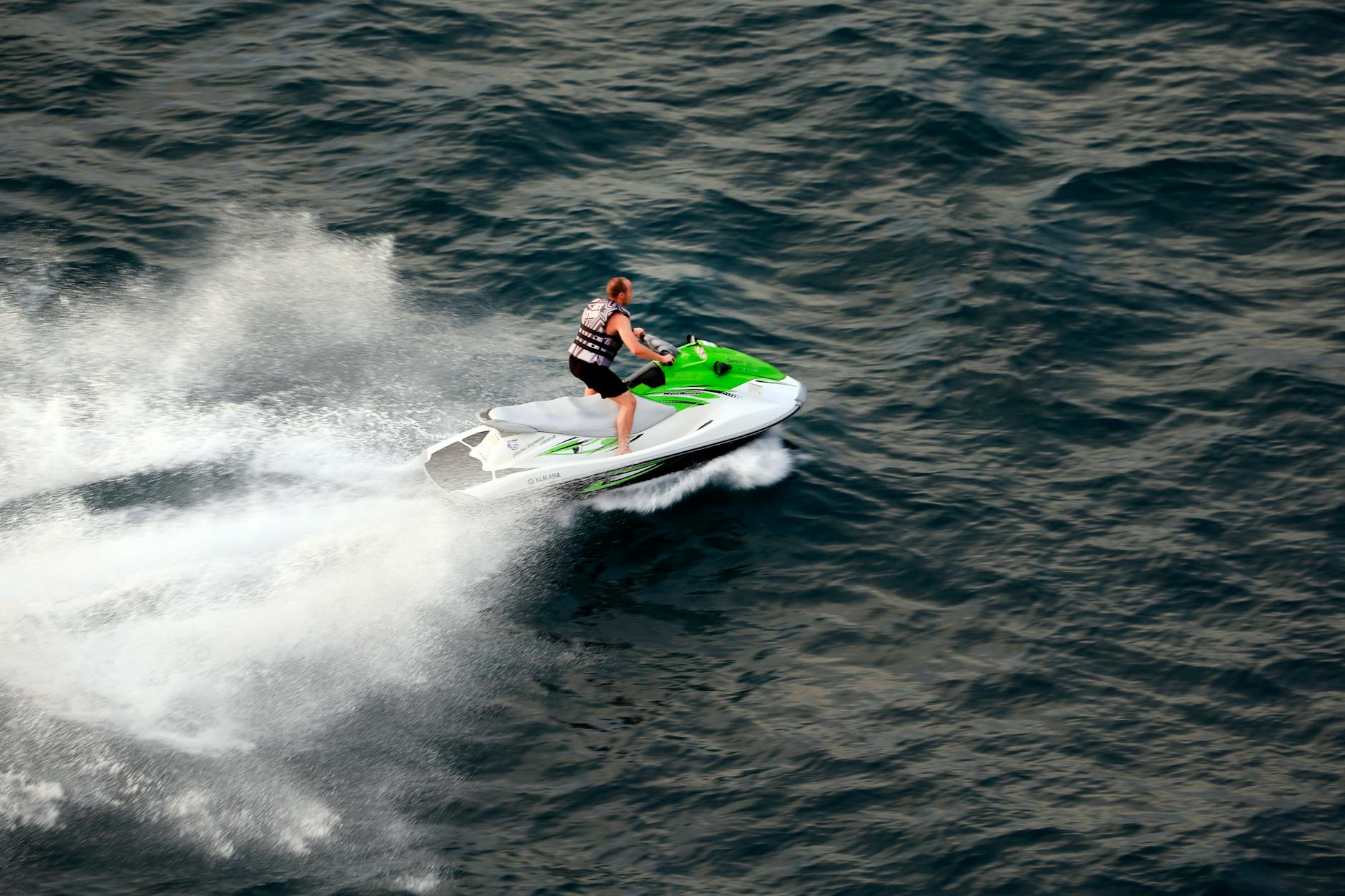
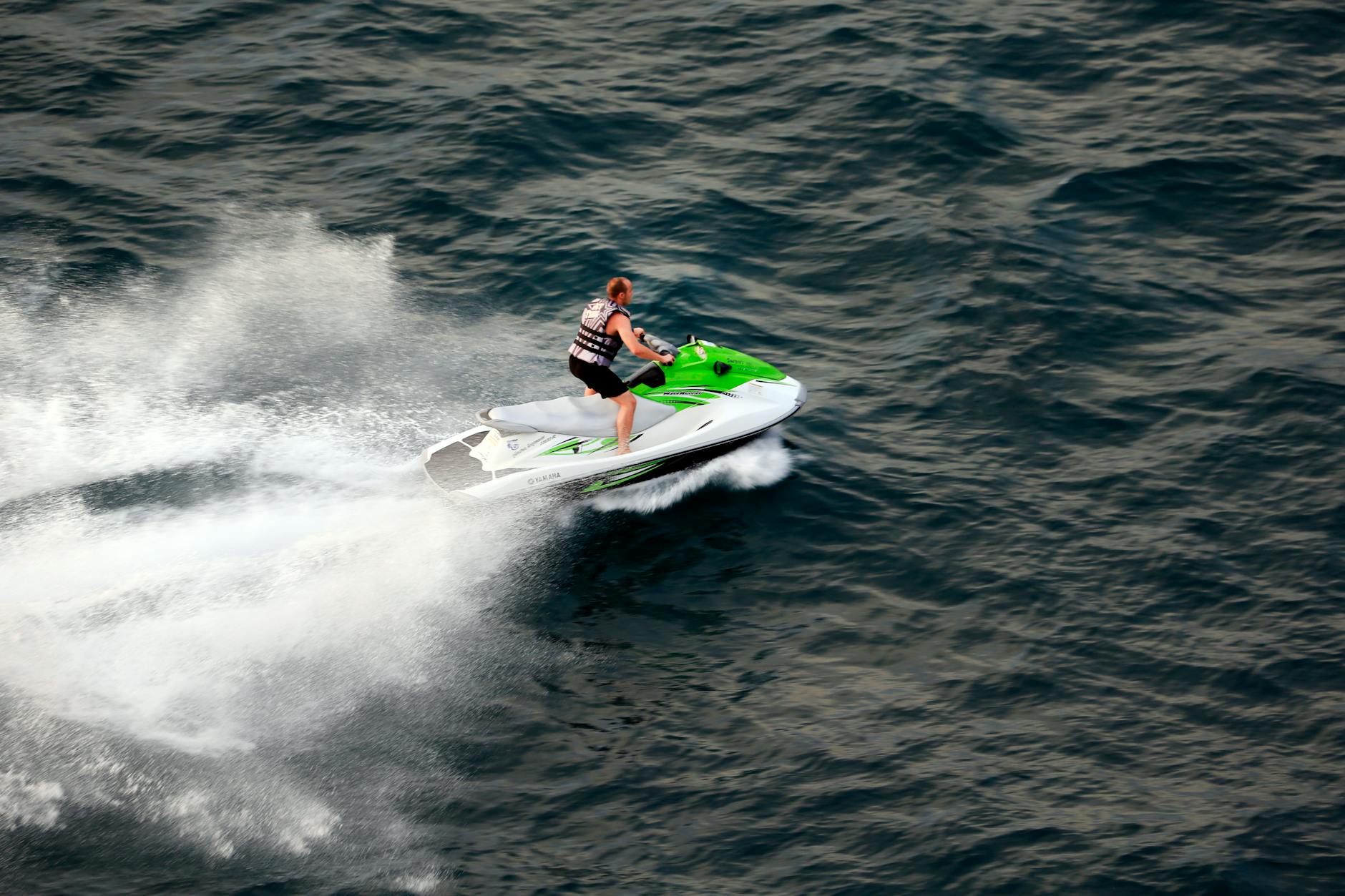
Jet skiing is the city’s signature water sport, and the classic version is a one-hour guided tour of Biscayne Bay that loops past Star Island’s celebrity-mansion strip, the downtown skyline, and the Venetian Islands. Expect to pay roughly $135–195 for a single rider on a one-hour tour, or $165–225 for two people sharing a ski. If you want to ride solo, Florida may require a boating safety card — you can knock out the free 30-minute course online at the dock before you launch.
For guided tours, Miami Watersports (Coconut Grove), Boucher Brothers (South Beach), and American Watersports (Haulover) are all reliable. Coast Guard rules cap you at 15 mph inside marina zones, but the open bay lets you run full throttle, somewhere in the 50–60 mph range. Drivers must be 18 or older with valid ID; passengers as young as five can ride along in a vest. The insider move is to book the 9 or 10 a.m. slot — the water is glassy, the light is gorgeous for photos, and you’ll be back before the afternoon chop rolls in.
Parasailing
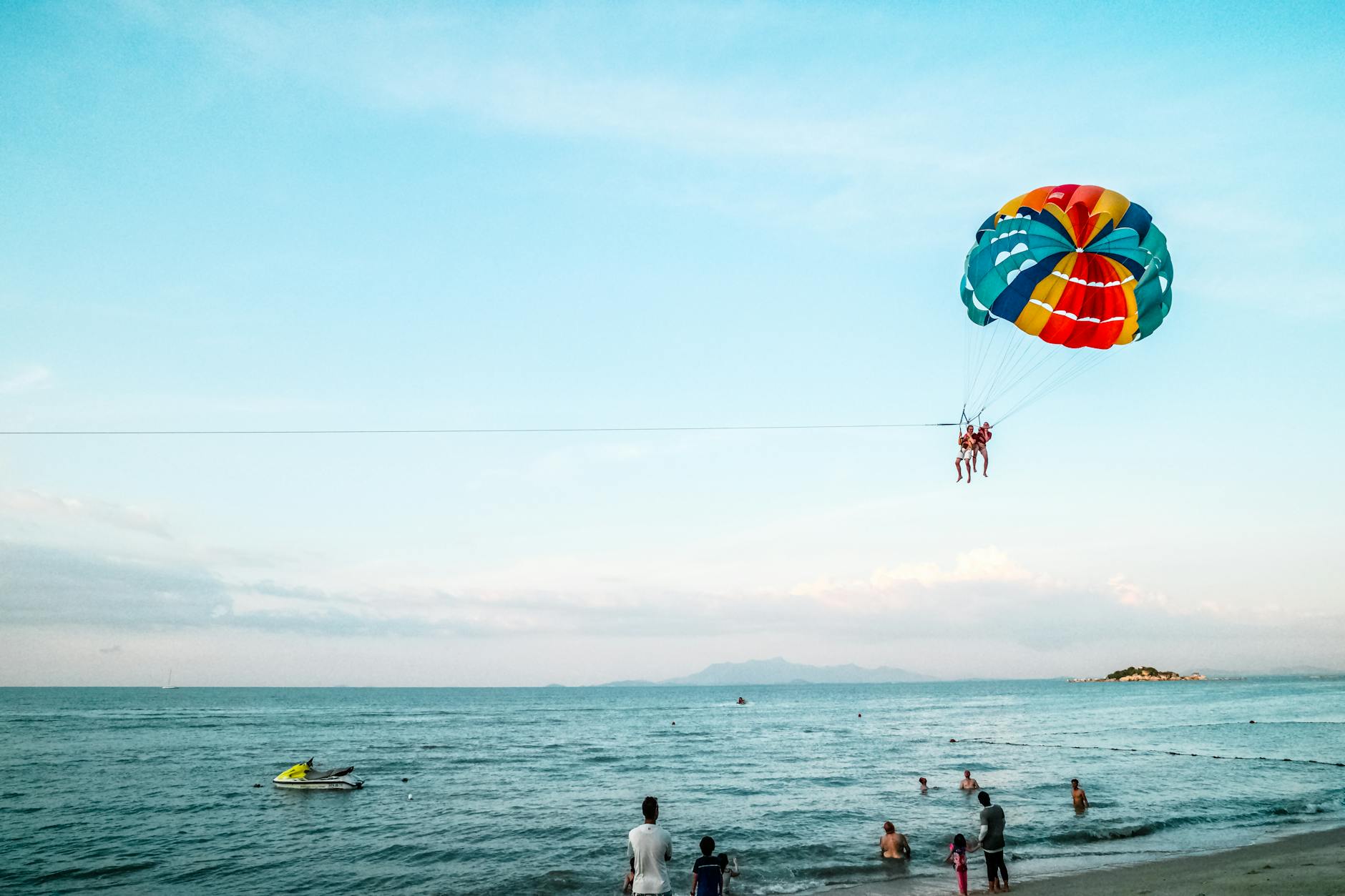
Parasailing is the easiest “epic” water sport in Miami. You sit in a strapped harness while a boat tows you 400 to 800 feet up over the Atlantic, lifting and lowering you so smoothly that even nervous first-timers handle it well. A tandem flight of 8–12 minutes runs about $80–110 per person; flying solo is closer to $140, and a package for a family of three lands around $240. Most boats launch from Miami Beach Marina at 5th Street, Haulover Marina, or Bayside. Eight to twelve minutes aloft is standard, though some operators offer “high-flyer” runs on 1,200-foot lines for about $30 more.
Weight rules matter here: solo flyers usually need to be at least 130 pounds, and tandems typically run 220–375 pounds combined, so confirm before you book. Wind is the wild card — a gusty day can ground every flight — so it’s smart to book parasailing for the first day of your trip and reconfirm the morning of, which leaves room to reschedule if the weather turns.
Kayaking & Stand-Up Paddleboarding
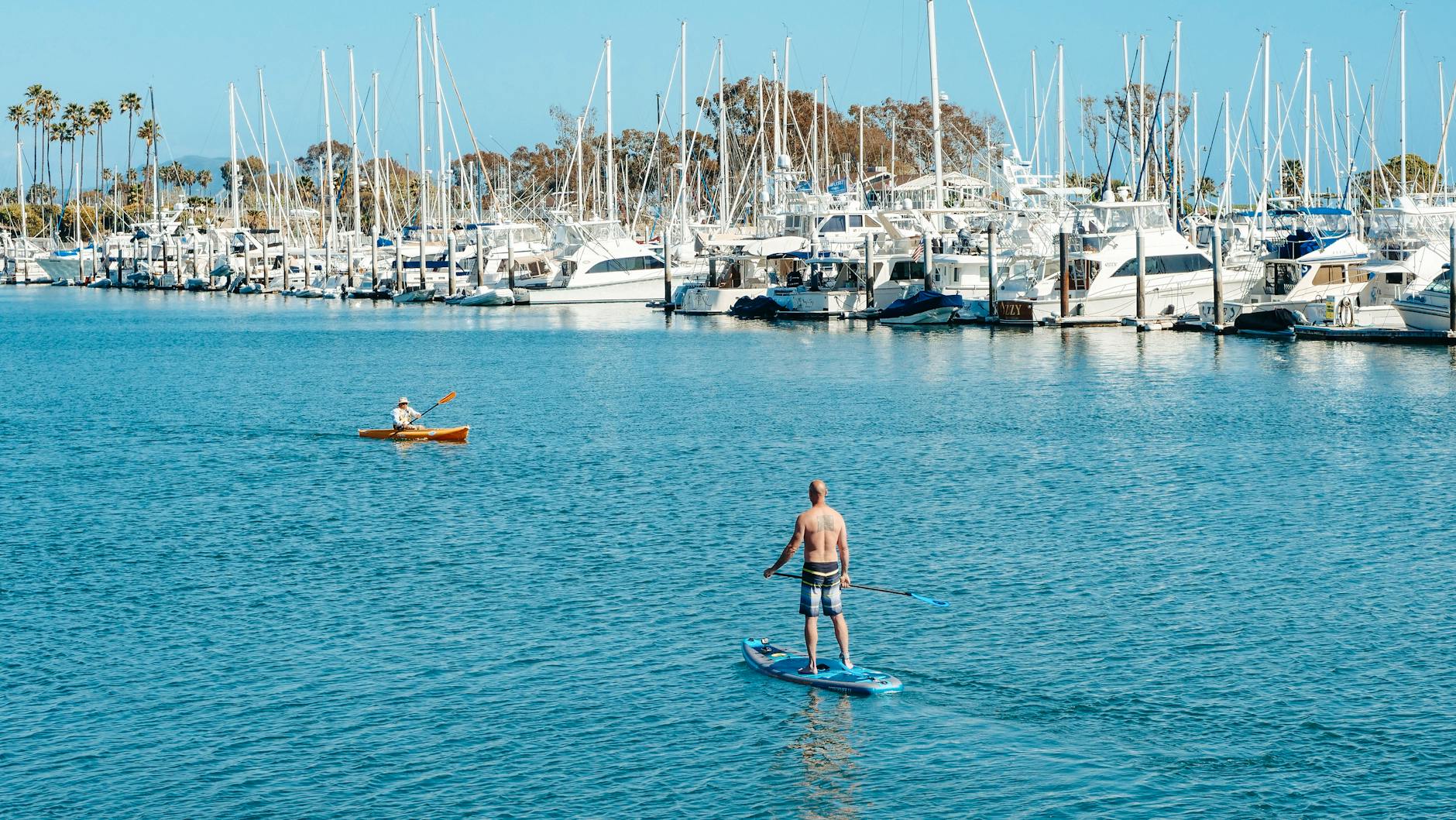
For a low-stress, all-ages day on the water, nothing beats a kayak or paddleboard — flat water is the default condition in Miami’s bays.
Where to paddle
Oleta River State Park in North Miami is Florida’s largest urban park, with mangrove tunnels and a calm, flat river; the on-site BG Oleta River Outdoor Center rents single kayaks for $25 an hour and tandems or paddleboards for $35. Down at the south end of Bill Baggs on Key Biscayne, you can launch into No Name Harbor and paddle about 90 minutes around the lighthouse point. Matheson Hammock Park in Coral Gables has a kid-friendly mangrove maze and atoll pool, while Coconut Grove’s Dinner Key delivers a skyline-view paddle past Vizcaya, with rentals from SCKM Surf Club at around $30 an hour. In the summer months, BK Adventure in North Miami runs bioluminescent night-kayak tours for $60 and up.
Paddleboarding is more wind-sensitive than kayaking, so go early before the afternoon breeze picks up, and beginners should always paddle parallel to shore rather than straight out. If you tire, the wind drifts you back toward the beach instead of out to sea.
Snorkeling
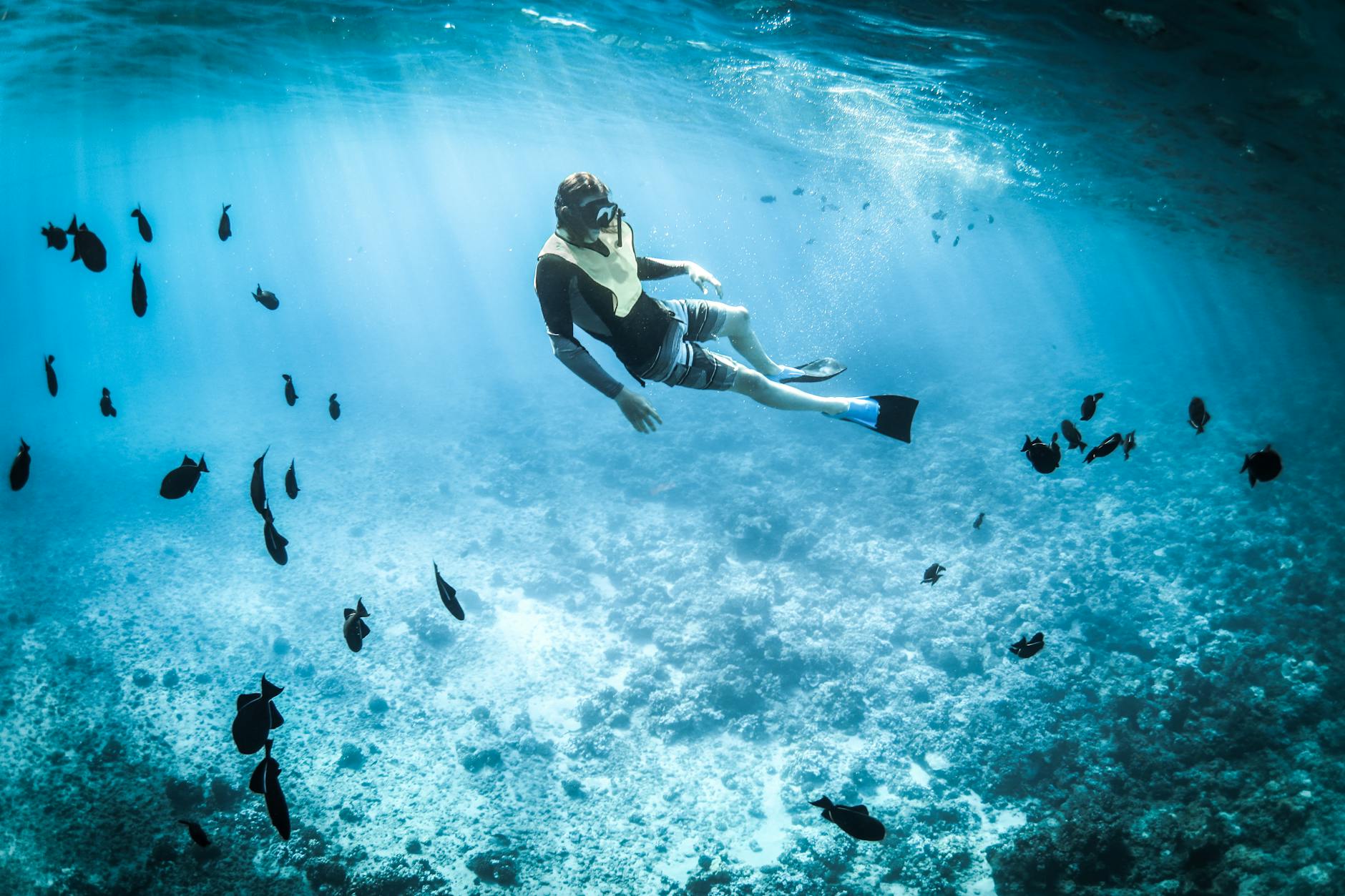
The best snorkeling near the city is at Biscayne National Park, a 173,000-acre underwater park about 45 minutes south at Convoy Point. The shallow reef there holds more than 600 fish species, four shipwrecks along the Maritime Heritage Trail, and seagrass meadows full of conch and rays. The Biscayne National Park Institute runs half-day snorkel tours for around $89, including the boat, gear, and ranger narration, and the boat reaches parts of the reef you’d never get to on your own. Closer in, the south end of Crandon Park Beach has decent from-shore snorkeling where the rocks form a reef-edge habitat for sergeant majors and parrotfish, and the seagrass beds at Bill Baggs on Key Biscayne are good for spotting manatees and small rays. If you’re up for a road trip, Looe Key — about two hours south in the Lower Keys — is one of the best reef-snorkeling sites in North America and makes an easy day trip.
Scuba Diving
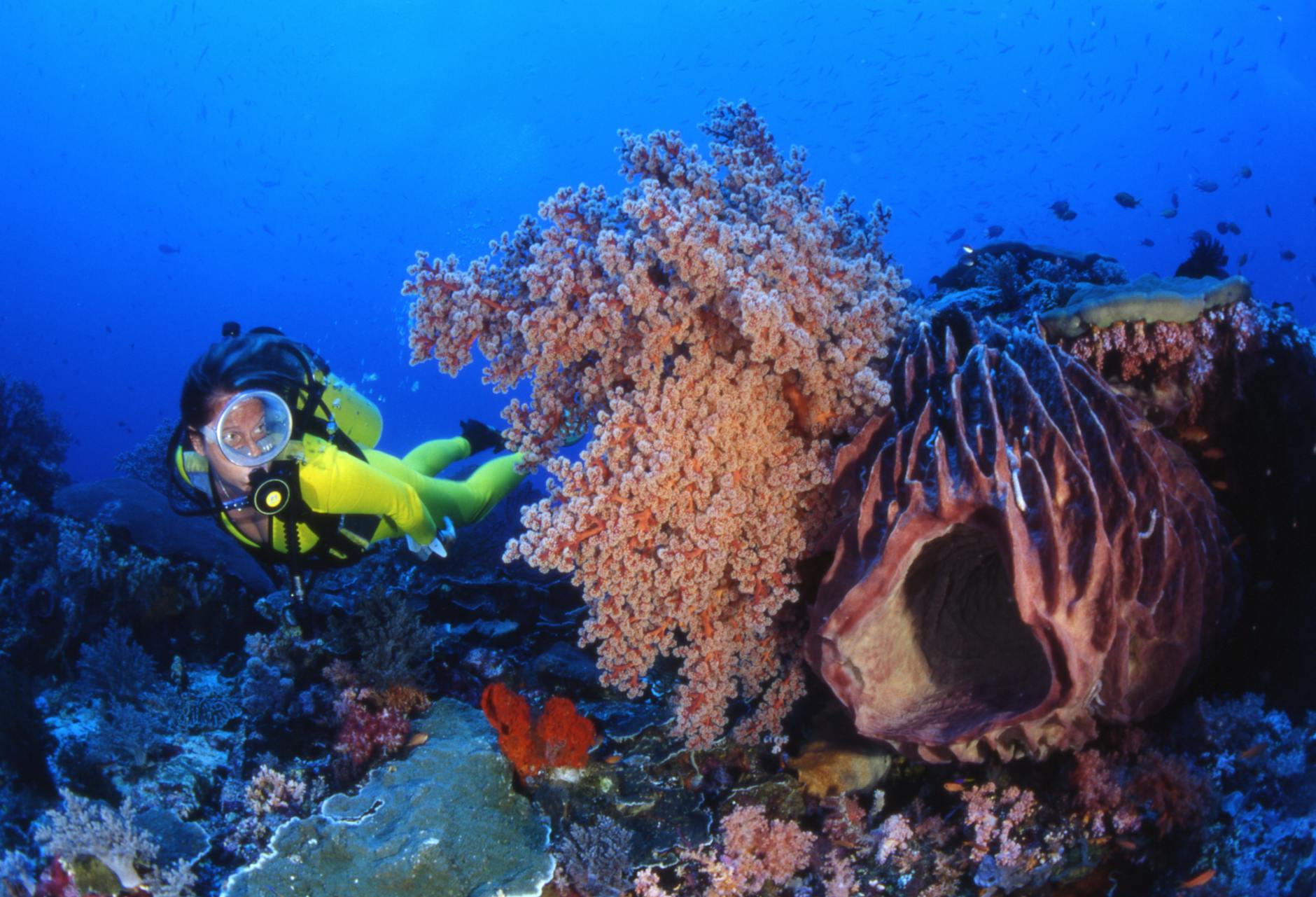
Miami sits on the Florida Reef Tract, the third-largest barrier reef in the world, and wrecks line the bottom in 60 to 90 feet of water close enough that a dive boat can have certified divers under within 30 minutes of leaving the dock. The Neptune Memorial Reef — a 16-acre underwater “city” that doubles as a memorial, 3.5 miles off Miami Beach in 40–50 feet — is an easy, genuinely strange dive. Emerald Reef off Key Biscayne draws coral, gobies, parrotfish, and the occasional nurse shark. For wreck divers, the Almirante (a 240-foot freighter), the Tanker, and the Amaryllis all sit in Open Water range at 70–90 feet. Reliable shops include South Beach Divers (long rated #1 on TripAdvisor), Diver’s Paradise of Key Biscayne, Tarpoon Skin Diving Center, and RJ Diving. A two-tank boat dive with gear runs $130–170; a full Open Water certification course is more like $450–550 over three days.
Kitesurfing & Windsurfing
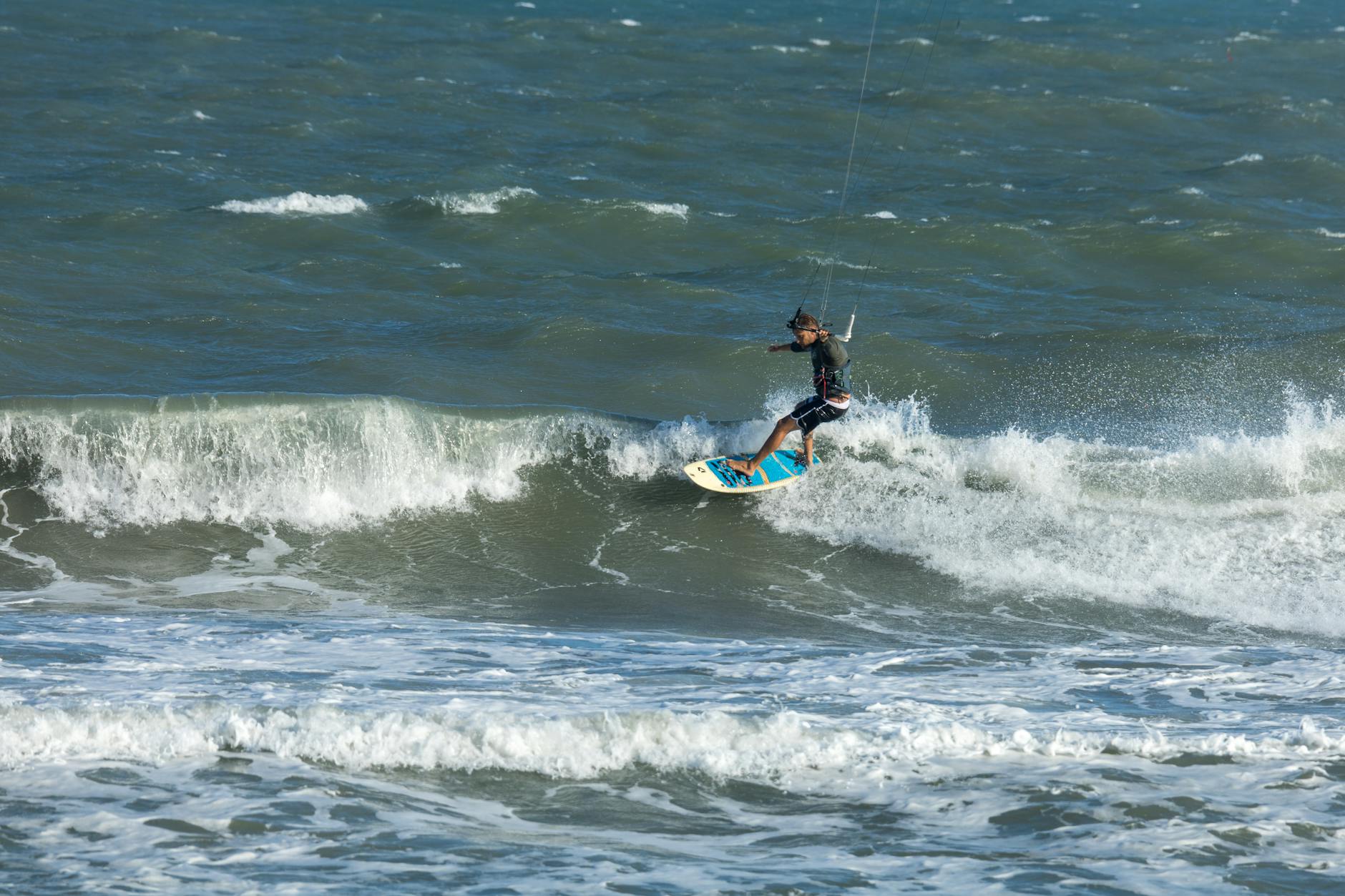
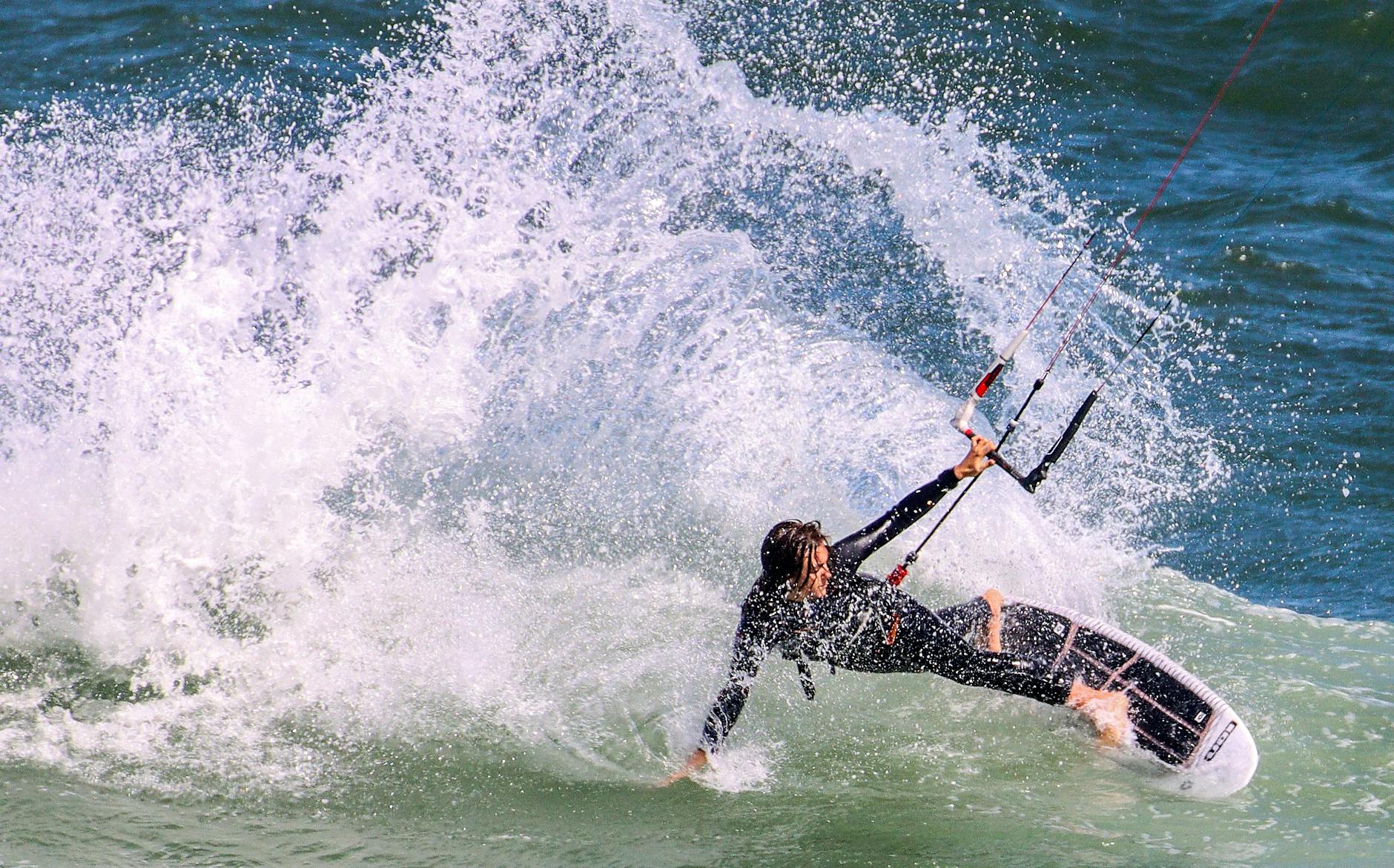
Warm water, shallow flats, and steady east-trade winds of 12–18 knots for much of the year make Miami one of the best kitesurfing spots in the country, especially from November through April. Crandon Park Beach on Key Biscayne is where most lessons happen, thanks to long, shallow flat water over a sandy bottom. Bayside Hobie Island Beach — locals call it Windsurfer Beach — is even shallower and dog-friendly, which makes it ideal for total beginners, while Matheson Hammock is quieter and better suited to intermediates. For instruction, Miami Kiteboarding runs private one-on-one lessons at $150 an hour or a full nine-hour beginner package for $1,295; Adventure Sports Miami and Kite House are other solid options. Plan on 9 to 12 hours of lessons over three days before most students can ride independently.
Sailing & Yacht Charters
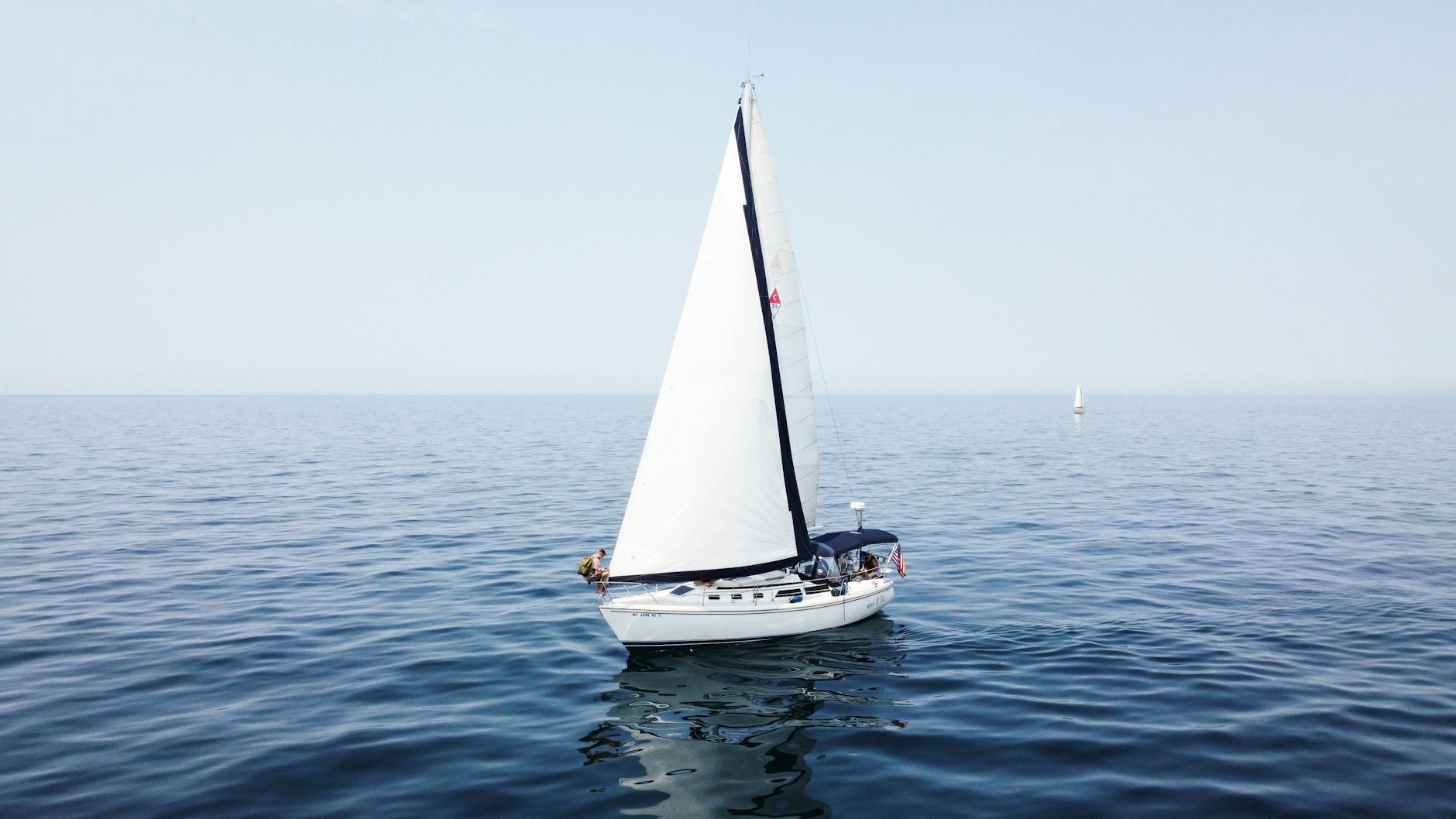
Miami’s prevailing east breeze and flat bay water make it an unusually easy place to sail. A sunset cruise on a sailing catamaran — about $65–95 per person for two hours with drinks included — is the couples’ classic. A half-day skippered sailboat charter runs $700–1,200 for up to six guests (bring your own snacks; Miami Sailing is a good place to start), while a private yacht charter is the full Miami flex at $300 and up per hour for a 50-footer, bookable through GetMyBoat or Boatsetter. If you want to learn, a US Sailing–certified Basic Keelboat course runs about 16 hours over a weekend for roughly $650. For deeper coverage of cruises and captained trips, see our Miami boat tours guide.
Wakeboarding, Water Skiing & Tubing
Biscayne Bay’s glassy morning water is ideal for getting pulled behind a boat before the wind comes up. Boucher Brothers runs 90-minute private wakeboard sessions for up to four riders, instructor and gear included, at $400–550. For something more casual, Miami Watersports’ tubing package is $60–80 per person for 30 minutes of banana-boat and tube rides — good fun for kids and groups. And if you’d rather skip the boat entirely, the cable park at Quiet Waters Park in Deerfield Beach, about 45 minutes north, charges just $35 for an hour of cable riding and is a great place to build skills.
Surfing
Miami isn’t a real surf town — the offshore reef flattens most waves before they reach shore. But when winter swells or pre-storm conditions line up, you can find rideable 2–4 foot waves at Haulover Beach, the only consistently surfable spot in Miami-Dade, and at South Beach just south of the cut. Boards rent for $25–35 a day at the Haulover Beach Park concession. For anything bigger, it’s an 80-minute drive north to Sebastian Inlet or about 35 minutes to Pompano.
Flyboarding, eFoils & Other Novelties
If you want the most viral photo of the trip, flyboarding is it — water jets shoot you up to 30 feet in the air, and Miami Watersports runs 30-minute lessons for $189. eFoiling, on a battery-powered hydrofoil board, has a learning curve similar to surfing but needs no waves at all; lessons run $250–325 for 90 minutes through operators like Lift Foils Miami and eFoil Miami.
When to Go
March through May is the best all-around stretch — warm water in the mid-to-high 70s, low humidity, manageable wind, and little rain. From November to February the air cools into the 60s and 70s and the water sits around 70–74°F; it brings the best wind for kitesurfing, though you may want a 2mm wetsuit top. Summer, June through September, is hot, humid, and prone to afternoon thunderstorms, but the mornings are often perfect and you’ll frequently have the water to yourself — just watch the forecast, since hurricane risk peaks in August and September. October is the tail end of that season, with excellent rates when the weather cooperates.
What to Bring
A few things make every Miami water day better. Pack reef-safe sunscreen of SPF 50 or higher — it’s required by Florida law on the reef and protects both the coral and your skin. Bring polarized sunglasses on a strap, since glare off the water is brutal and the strap saves a $200 pair, and wear swimwear with secure pockets or a rash guard, because bikinis and jet skis at speed don’t mix. A waterproof IP68 phone case is essential for videos, and a quick-dry towel plus a change of clothes helps at the usually sun-baked dock lots. Finally, carry ID and a credit card — most operators place a $250–500 hold before handing over the keys.
Booking Smart — and Avoiding the Rip-Offs
Book directly with operators when you can; their own websites tend to run 5–10% cheaper than Viator or GetYourGuide and often include free cancellation up to 24 hours out. Steer clear of the Ocean Drive sidewalk hustlers selling discount jet ski deals — many funnel you to small marinas with old, poorly maintained skis, so check Google and Yelp reviews before you pay anyone. Read the fine print, too: some advertised “$95 jet ski” rates leave out fuel ($25–40 a ski) and an 18% gratuity that gets added at the end. Combo packages such as parasail-plus-jet-ski usually save 15–25%, groups of four or more often get 10% off, and most operators bundle a damage waiver into the price — if yours doesn’t, ask before you sign.
Rules, Safety & Etiquette
Life jackets are mandatory for every water sport, and operators supply them. Florida requires a Boating Safety Education ID for anyone born after 1988 who’s driving a powered vessel; the free 30-minute online course covers you for a solo jet ski rental. Take boating under the influence seriously — the penalties match a DUI, with fines around $1,000 and possible jail time. Much of Biscayne Bay west of the Venetian Causeway is a marked manatee zone where you must idle, and you should never anchor on coral; use mooring buoys or sandy bottoms instead. Dolphins, sea turtles, and rays all share this water, so give them room and never feed, touch, or chase them.
A Sample One-Day Water Sports Itinerary
Here’s how a full day on the water can flow. Grab coffee at Lincoln Eatery around 9 a.m., then Uber to Miami Beach Marina at 5th Street for a 9:30 jet ski tour past Star Island. Roll straight into an 11 a.m. parasail flight from the same dock, then break for lunch on the bay at Smith & Wollensky. In the afternoon, drive over to Hobie Island Beach for a 90-minute paddleboard rental — no instruction needed — and cap the day with a 5 p.m. sunset catamaran from Bayside (about $75 a person) and dinner at Garcia’s Seafood Grille on the Miami River. It’s an ambitious day, so feel free to keep two or three of these and save the rest for tomorrow.
Frequently Asked Questions
Do I need a license to drive a jet ski in Miami?
If you were born after January 1, 1988, you’ll need a free Florida Boating Safety Education ID, which takes about 30 minutes to complete online before you arrive. Anyone born before 1988 can rent without one. Either way, drivers must be 18 or older, while passengers can be any age with a vest.
Where’s the cheapest jet ski rental?
Mid-day weekday rentals from Haulover Marina or Pelican Harbor often start around $90 for 30 minutes, the lowest in the city. Add fuel (about $25) and tax, and book directly from the marina rather than through an Ocean Drive reseller.
Is parasailing safe?
Generally, yes. Commercial parasail operators in Miami are Coast Guard–licensed and inspect their gear annually. The real variables are weather — operators cancel in winds over about 18 knots — and harness fit, so always re-check yours before takeoff. Pregnant flyers and anyone with neck or back issues should sit it out.
What’s the best water sport for beginners?
Stand-up paddleboarding from Hobie Island Beach is hard to beat: calm, shallow water, little wind on a typical morning, and a five-minute crash course with the rental. Tandem parasailing is another very beginner-friendly option.
Can I see dolphins on a water-sports tour?
Often, yes. Bottlenose dolphins live in Biscayne Bay year-round, and jet ski tours, parasail boats, and sailing cruises spot them regularly. Manatees show up frequently in the cooler months, roughly November through March.
Are there water sports that don’t need a boat?
Plenty. You can kayak at Oleta River, Crandon, or Matheson Hammock; paddleboard at Hobie Island or Crandon; kitesurf at Crandon; windsurf at Hobie; surf at Haulover; and snorkel or scuba straight from shore at Crandon and Bill Baggs. Many of these pair naturally with a day at Miami’s best beaches.
How much should I budget for a half-day?
For two people, roughly $300–400 covers a one-hour jet ski combo with a parasail flight, plus lunch and tips. A more relaxed half-day of kayaking or snorkeling runs closer to $150–200 for two.
Plan Your Day on the Water
Miami is one of the rare cities where you can jet ski past celebrity mansions in the morning, kayak through mangroves at noon, and parasail at sunset, all within about 30 minutes of each other. Lock in the popular tours 24–72 hours ahead, leave room in the schedule for weather, and resist the urge to cram everything into a single day. Biscayne Bay’s calm, protected water is part of what makes all of this so beginner-friendly — you can learn more about the reef and its shipwrecks at the National Park Service’s official Biscayne National Park site. For the rest of your trip, our Miami fishing charters guide pairs well with a day on the water, and if you’re heading over to Crandon, Bill Baggs, or Hobie Island, our Key Biscayne neighborhood guide covers the island. For everything beyond the water, start with the Things to Do in Miami pillar.