Day Trips from Miami: Everglades, Key West & More (2026)
Day Trips from Miami: 10 Incredible Excursions Worth Every Mile
Miami dazzles with its Art Deco architecture, world-class nightlife, and turquoise shoreline — but some of South Florida’s most unforgettable experiences lie just beyond the city limits. From the primordial wilderness of the Everglades to the laid-back island charm of Key West, the region surrounding Miami is stacked with destinations that deserve a full day of your vacation. Whether you want to snorkel a shipwreck, glide through mangrove tunnels on an airboat, stroll a Gulf Coast beach with powdery white sand, or explore a 19th-century island fortress accessible only by boat, the day trips from Miami deliver variety that few American cities can match.
This guide covers ten of the best day trips from Miami, organized by distance and logistics. For each destination, you will find specific driving directions, realistic time estimates, costs, what to bring, and honest advice on whether to book a guided tour or go it alone. We have driven every one of these routes and visited every attraction listed below, so the tips here come from experience — not a brochure.
Before you head out, make sure you have sorted your home base. Our guide to where to stay in Miami covers the best neighborhoods and hotels for every budget, and our things to do in Miami roundup will help you fill the days you spend in the city itself.
1. Everglades National Park
Distance from Miami: 45–60 minutes by car (depending on entrance)
Best for: Wildlife lovers, families, photographers, anyone seeking a quintessential Florida experience
Estimated cost: $30 vehicle entrance fee (valid 7 days); airboat tours $25–$60 per person
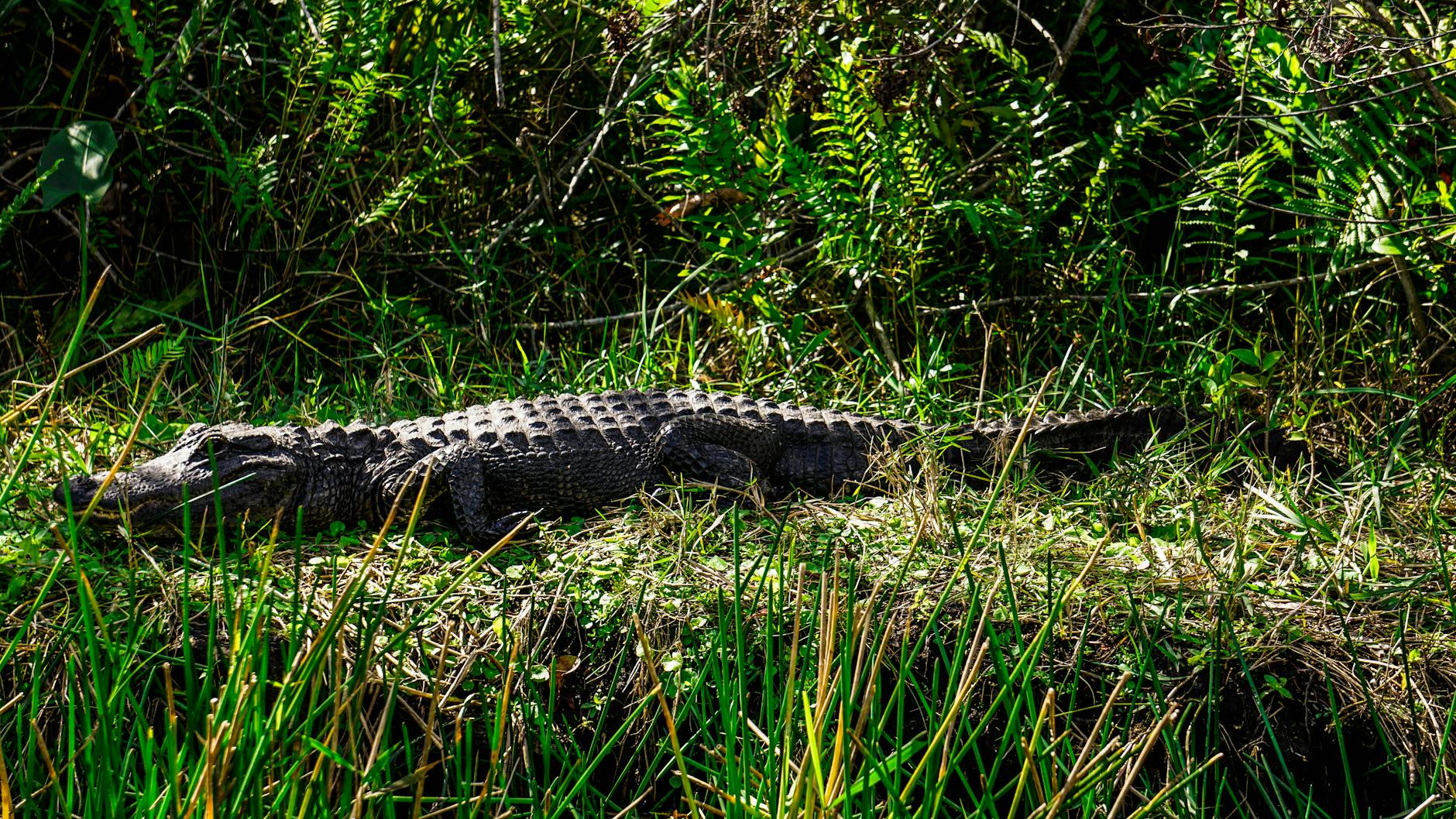
No list of day trips from Miami is complete without the Everglades National Park, a UNESCO World Heritage Site and International Biosphere Reserve that protects 1.5 million acres of subtropical wilderness. This is one of the most unique ecosystems on the planet — a slow-moving “river of grass” that supports alligators, manatees, the endangered Florida panther, over 360 species of birds, and countless other creatures. The park sits right on Miami’s doorstep, making it the easiest major day trip you can take.
How to Get There
The Everglades has three main entrances, but for a day trip from Miami, two matter most:
- Ernest Coe Visitor Center / Main Entrance (Homestead): Take US-1 south from Miami to Florida City, then follow signs west on SR-9336. About 50 minutes from downtown Miami without traffic. This entrance gives you access to the park’s most popular trails, including Anhinga Trail, and leads all the way to Flamingo at the southern tip.
- Shark Valley Entrance: Take US-41 (Tamiami Trail) west from Miami for roughly 45 minutes. Shark Valley is famous for its 15-mile loop road (flat, paved) and its observation tower offering panoramic views of the sawgrass prairies. This entrance is ideal if you want a more contained, focused visit.
What to Do
Anhinga Trail (Main Entrance) — This short, paved boardwalk trail (0.8 miles round trip) is the single best wildlife-viewing walk in the park. Alligators, anhingas, great blue herons, and turtles are virtually guaranteed, especially during the dry season (December through April) when animals congregate around the remaining water. Arrive early in the morning for the best sightings and fewer crowds.
Shark Valley Tram Tour — A two-hour, narrated tram ride along the 15-mile loop road through the heart of the sawgrass prairie. The tram stops at the 65-foot observation tower at the halfway point, where you get sweeping 360-degree views that make you understand why they call this the “river of grass.” Tours depart multiple times daily and cost around $29 for adults, $15 for children. Reservations are strongly recommended during peak season. You can also bike the loop (rental bikes available at the entrance for about $10/hour) or walk it, though the full 15 miles on foot is ambitious for a day trip.
Airboat Tours — Airboat rides are the most iconic Everglades experience, and they operate from locations outside the national park boundaries along US-41. Outfitters like Coopertown Airboats, Gator Park, and Everglades Safari Park offer rides ranging from 30 minutes to an hour. Expect to pay $25–$60 per person depending on the length and whether the tour is private. You will skim across the sawgrass at speed, see alligators up close, and learn about the ecosystem from your captain. Tip: Airboat tours are not permitted inside Everglades National Park itself — only on private or tribal land adjacent to it. Do not confuse the two when planning.
Flamingo Area (Main Entrance) — If you enter through Homestead and have a full day, drive the 38-mile road all the way to Flamingo on the southern coast. Along the way you will pass through multiple habitats — pinelands, cypress domes, coastal prairie, and mangrove forest. Flamingo itself has a marina, canoe and kayak rentals, and backcountry boat tours into Florida Bay. The drive alone takes about an hour each way from the park entrance, so factor that into your timeline.
Best Time to Visit
The dry season (December through April) is the best time for wildlife viewing because animals gather near shrinking water sources. The wet season (May through November) brings intense heat, mosquitoes that can be genuinely unbearable, and afternoon thunderstorms — though it is also when the landscape is at its lushest and greenest. If you visit in summer, bring industrial-strength insect repellent and plan to be done by early afternoon.
What to Bring
- Sunscreen and a hat (there is almost no shade on the trails)
- Plenty of water — at least one liter per person
- Insect repellent (essential year-round, critical May–November)
- Binoculars for birdwatching
- Closed-toe shoes if you plan to hike beyond the boardwalks
- A camera with a zoom lens — you will want it
Pro tip: You can combine a morning airboat tour along US-41 with an afternoon visit to Shark Valley or the main entrance, making for an excellent full-day Everglades experience. For official park information, hours, and alerts, visit the National Park Service Everglades page.
2. Key West
Distance from Miami: 160 miles, approximately 3.5–4 hours by car
Best for: History buffs, sunset chasers, snorkelers, anyone who wants a full-day adventure
Estimated cost: Free to visit; guided tours from Miami run $49–$195 per person
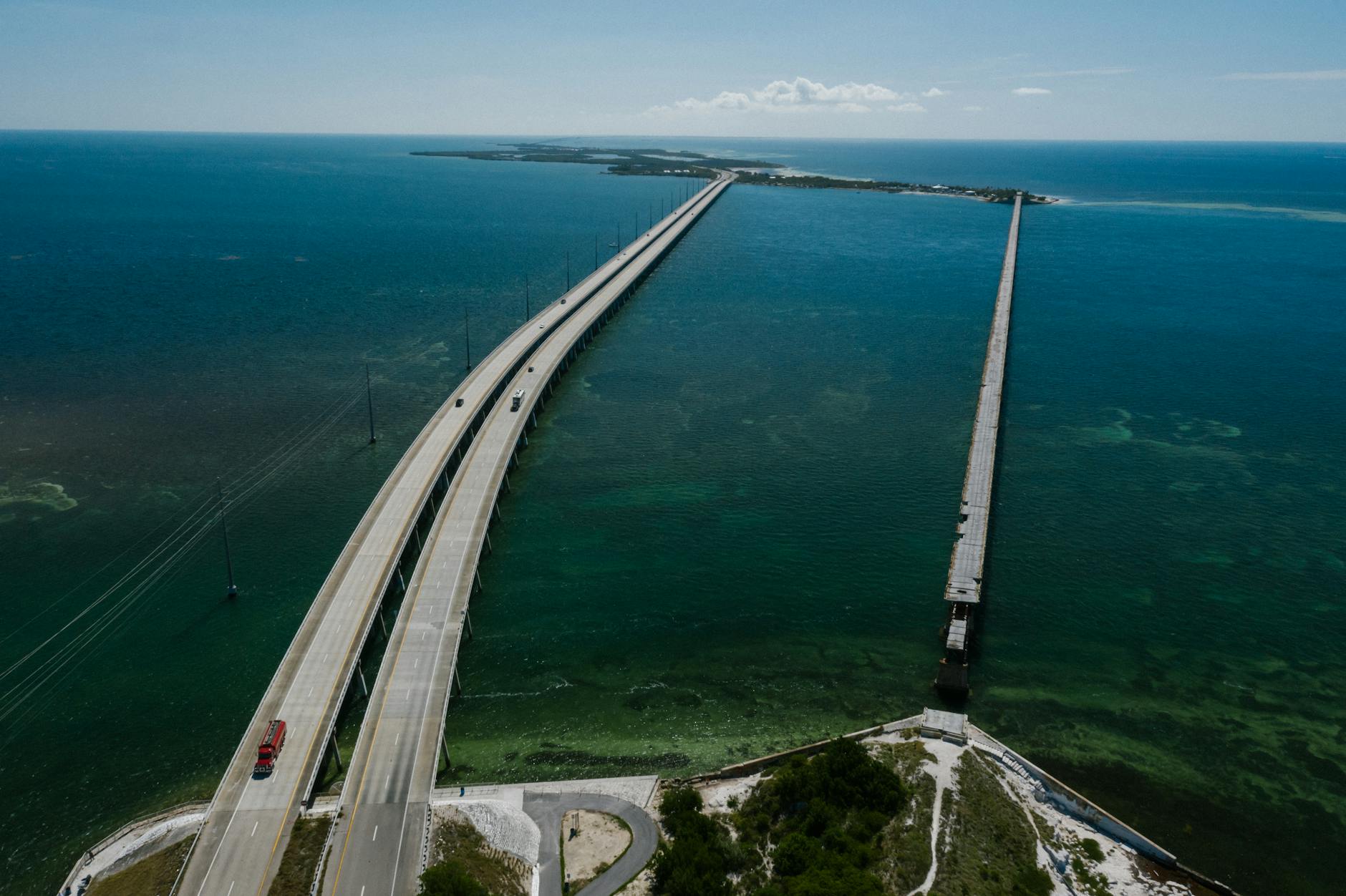
Key West is the crown jewel of the Florida Keys and one of the most popular day trips from Miami — though “day trip” is a stretch given the nearly four-hour drive each way. The journey itself is spectacular: the Overseas Highway (US-1) threads through 42 islands connected by 42 bridges, including the legendary Seven Mile Bridge, with the Atlantic Ocean on one side and the Gulf of Mexico on the other. It is one of the most scenic drives in the United States, and that alone justifies the trip.
The Journey
Leave Miami as early as possible — ideally by 6:00 or 6:30 AM — to maximize your time in Key West and avoid the worst of the return traffic. The drive from downtown Miami to Key West takes about 3.5 hours without stops, but you will want to stop. Key Largo, Islamorada, and Marathon all have worthwhile pull-offs, though if Key West is your primary destination, save those for a separate day.
Important: Do not attempt to combine a Key West day trip with an Everglades visit. The logistics simply do not work, and you will end up exhausted and disappointed with both. Give Key West its own dedicated day.
Alternative to driving: Several tour companies operate bus excursions from Miami to Key West, typically departing around 6:30 AM and returning by 10:00 PM. These cost $49–$80 per person and eliminate the driving stress, though you sacrifice flexibility. You can also take the Key West Express ferry from Fort Myers Beach (not from Miami directly), or fly — Cape Air and Silver Airways operate short flights from Miami International Airport.
What to Do in Key West
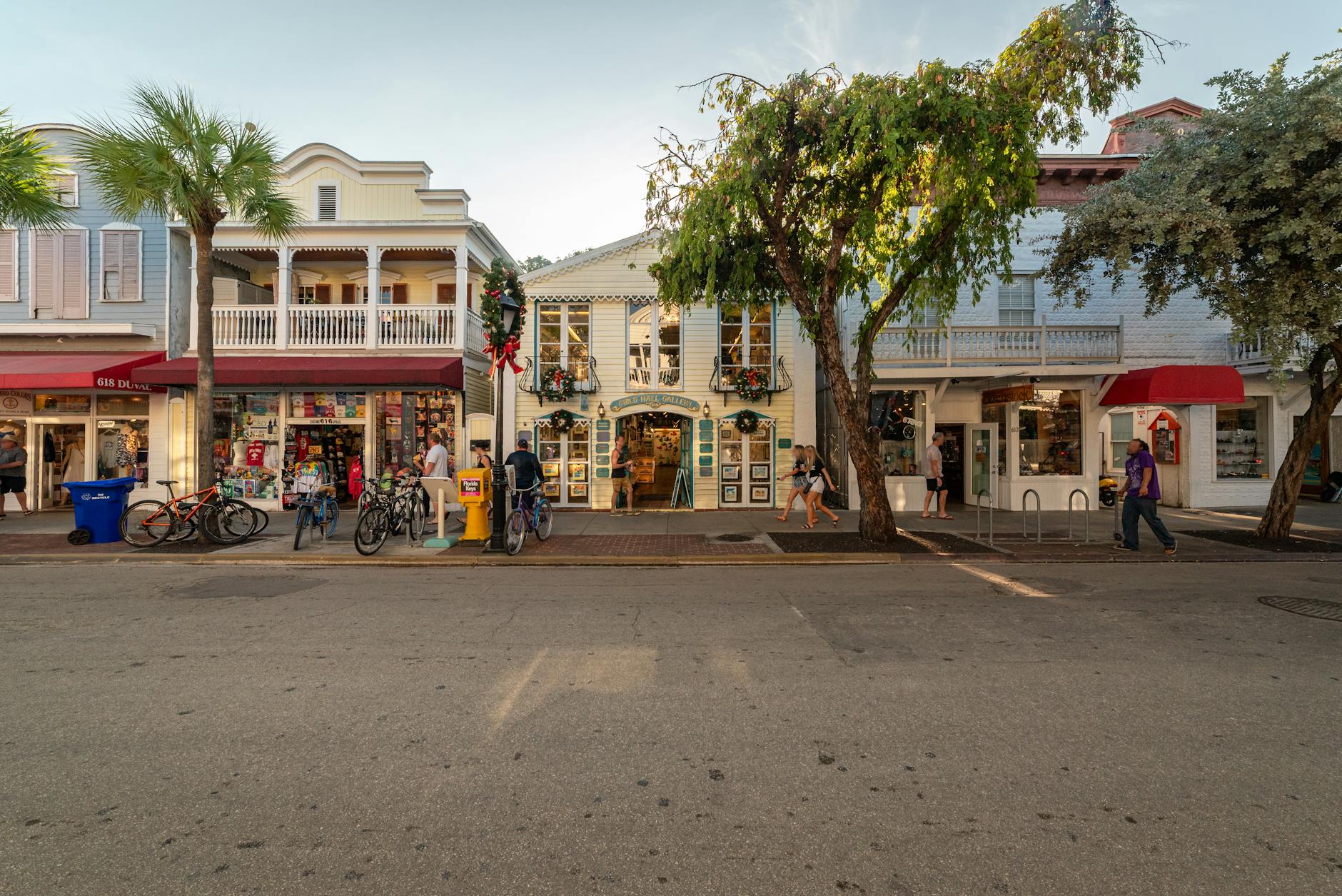
Duval Street — Key West’s main artery runs from the Atlantic Ocean to the Gulf of Mexico and is lined with bars, restaurants, galleries, and shops. It is lively, colorful, and unapologetically quirky. Walk the full length (1.25 miles) at least once. Stop at Sloppy Joe’s Bar, which claims to be Hemingway’s favorite watering hole, and Irish Kevin’s for live music.
Mallory Square Sunset Celebration — Every evening, two hours before sunset, street performers, artists, and food vendors gather at Mallory Square on the waterfront for a nightly celebration of the sunset. It is free, it is festive, and it is one of those experiences that defines Key West. If you time your day trip to catch this, you will need to leave Key West after dark and drive back in the evening — factor that into your plans.
Ernest Hemingway Home and Museum — The Nobel Prize-winning author lived and wrote in this beautiful Spanish Colonial house from 1931 to 1939. Today it is a museum filled with original furnishings, Hemingway memorabilia, and about 60 polydactyl (six-toed) cats descended from Hemingway’s own cat, Snow White. Admission is $18 for adults, $7 for children. Allow 45 minutes to an hour.
Fort Zachary Taylor State Park — Home to the best beach in Key West (and arguably the best in the entire Keys), this state park also has a historic Civil War-era fort you can tour. The water is clear, the snorkeling is decent right off the beach, and it is far less crowded than the public beaches on the south side. Entry is $6 per vehicle plus $2.50 per person.
Snorkeling and Diving — Key West sits near the only barrier coral reef in the continental United States, and several operators run snorkeling trips to the reef. A half-day snorkeling excursion typically costs $50–$80 per person including gear. Popular reef sites include Sand Key and the Western Dry Rocks.
Southernmost Point Buoy — The iconic red, black, and yellow buoy marking the southernmost point in the continental US (90 miles to Cuba) is one of the most photographed landmarks in Florida. The line for a photo can stretch 20–30 minutes during peak hours, so visit early in the morning or during lunch hour.
Key West Logistics
- Parking: Street parking in Old Town is limited and metered. Use the Park-N-Ride garage at Caroline and Grinnell Streets ($4/hour, $32 daily max) or park at the Mallory Square lot if you arrive early enough.
- Getting around: Old Town Key West is very walkable — most attractions are within a one-mile radius. You can also rent bicycles ($15–$25/day) or take the Conch Tour Train ($35) for an narrated overview.
- Food: Skip the chain restaurants on Duval and try Blue Heaven (famous brunch), El Siboney (authentic Cuban), or Santiago’s Bodega (tapas).
- Budget tip: Key West is expensive. Bring a cooler with drinks and snacks for the drive, eat one nice meal out, and focus on the free or low-cost attractions (Mallory Square, Duval Street, Southernmost Point, Fort Zachary Taylor beach).
3. Key Largo & the Upper Keys
Distance from Miami: 60–70 miles, approximately 1–1.5 hours by car
Best for: Snorkelers, scuba divers, nature lovers, families
Estimated cost: Park entry $8/vehicle; snorkeling tours $35–$75; glass-bottom boat $39
If Key West feels too far for a day trip — and honestly, it is a long day — Key Largo offers a closer alternative that still delivers the Keys magic. Known as the “Diving Capital of the World,” Key Largo is the first and largest island in the Florida Keys chain, and it sits just an hour from Miami. The star attraction here is the underwater world: Key Largo is home to a portion of the Florida Reef, the only living coral barrier reef in the continental United States and one of the largest coral reef systems on Earth.
John Pennekamp Coral Reef State Park
John Pennekamp Coral Reef State Park is the main reason most visitors come to Key Largo, and it should be the centerpiece of your day trip. Established in 1963, it was the first undersea park in the United States, encompassing approximately 70 nautical square miles of coral reefs, seagrass beds, and mangrove swamps.
Here is what you can do at the park:
- Snorkeling tours: The park’s concessionaire runs snorkeling trips to the reef twice daily (usually 9:00 AM and 12:00 PM). The 2.5-hour trip costs approximately $39.95 for adults and $34.95 for children, gear included. You will snorkel over shallow reefs teeming with parrotfish, angelfish, sea fans, and brain coral. The famous Christ of the Abyss statue — a nine-foot bronze statue submerged in 25 feet of water — is a highlight for snorkelers and divers alike.
- Scuba diving: Certified divers can book two-tank reef dives for around $75–$95. Key Largo’s reefs are suitable for all experience levels, with sites ranging from shallow patch reefs to deeper wall dives. The park and surrounding area also have several artificial reefs, including the intentionally sunken USS Spiegel Grove, a 510-foot Navy ship now covered in coral and swarming with fish.
- Glass-bottom boat tours: If you prefer to stay dry, the park’s glass-bottom boat tour ($39 adults, $24 children) glides over the reef so you can view the coral and marine life through viewing panels in the hull. Tours last about 2.5 hours. This is an excellent option for families with young children or non-swimmers.
- Kayaking and paddleboarding: Rent kayaks or paddleboards from the park concession and explore the mangrove-lined shoreline at your own pace. Single kayaks run about $17/hour, doubles $22/hour.
- Beaches and swimming: The park has two small artificial beaches (Cannon Beach and Far Beach) with calm, shallow water. They fill up quickly on weekends, so arrive before 10:00 AM.
For hours, reservations, and current conditions, visit Florida State Parks or the park’s dedicated website at pennekamppark.com.
Other Key Largo Highlights
Florida Keys Wild Bird Rehabilitation Center — A free (donation-based) sanctuary for injured and orphaned birds along a beautiful waterfront boardwalk. You will see pelicans, cormorants, herons, and raptors up close. It is a lovely, quiet stop on your way to or from Pennekamp.
Dagny Johnson Key Largo Hammock Botanical State Park — Home to 84 protected species of plants and animals, including the Key Largo woodrat and the Key Largo cotton mouse. Several miles of nature trails wind through one of the largest tracts of West Indian tropical hardwood hammock in the United States.
Mrs. Mac’s Kitchen — A Key Largo institution since 1976. Grab lunch here — the fish tacos and Key lime pie are legendary, and the prices are reasonable by Keys standards.
4. Biscayne National Park
Distance from Miami: Approximately 1 hour by car to Dante Fascell Visitor Center
Best for: Snorkelers, divers, kayakers, history enthusiasts, anyone who wants a national park without the crowds
Estimated cost: Free park entry; snorkeling tours $50–$70; kayak rentals $20–$40
Biscayne National Park is one of the most underrated day trips from Miami — and one of the most rewarding. Encompassing 172,971 acres, of which a staggering 95% is water, this national park protects a pristine stretch of Biscayne Bay, a chain of 50 barrier islands (the northernmost Florida Keys), and a section of the Florida Reef, one of the largest coral barrier reef systems in the world. Despite being one of the closest national parks to a major American city, Biscayne receives a fraction of the visitors that the Everglades gets, which means you will often have its wonders largely to yourself.
How to Get There
Drive south from Miami on US-1 to Homestead, then follow signs east on SW 328th Street (North Canal Drive) to the Dante Fascell Visitor Center at Convoy Point. The visitor center sits on the mainland shore of Biscayne Bay and is your launching point for all water-based activities. Plan on about an hour of driving from downtown Miami.
What to Do
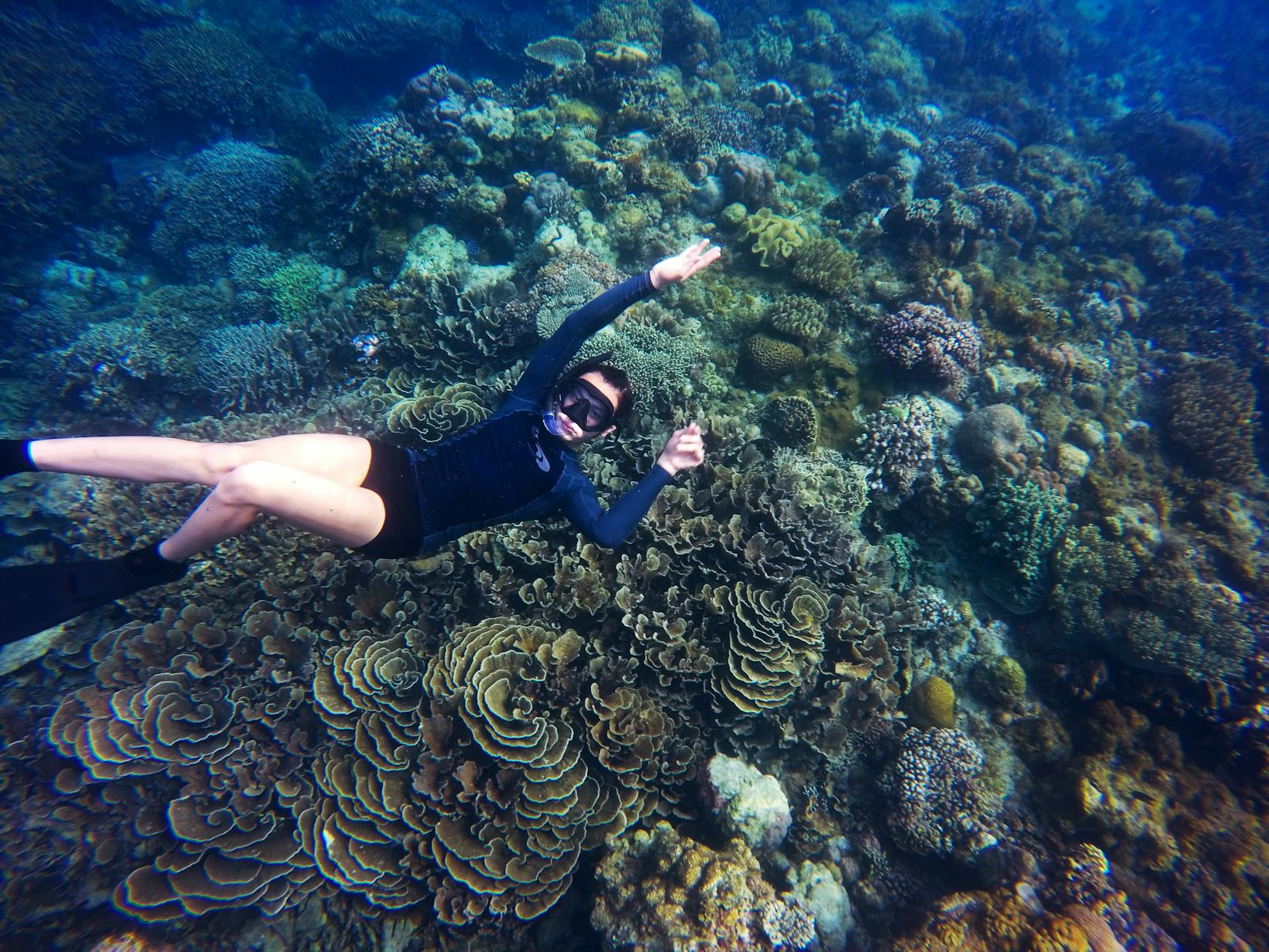
Snorkeling — The park concessionaire offers guided snorkeling trips to the reef, typically departing from the visitor center marina. You will boat out to shallow reef areas where visibility often exceeds 30 feet, and you will see brain coral, elkhorn coral, sea fans, tropical fish, and if you are lucky, sea turtles or nurse sharks. Trips cost around $50–$70 per person and last three to four hours. Advance reservations are essential — trips have limited capacity and sell out, especially on weekends.
Maritime Heritage Trail — This is one of Biscayne’s most unique offerings: an underwater archaeological trail that connects six documented shipwreck sites spanning from the 1800s to the early 1900s. Some wrecks sit in shallow water (6–10 feet) accessible to snorkelers, while others require scuba certification. Each wreck site has an underwater interpretive guide — laminated cards you take with you that explain the vessel’s history and what you are seeing. It is a genuinely fascinating experience, part nature excursion and part history lesson.
Kayaking and Paddleboarding — Paddle through the mangrove shoreline of the mainland or out to nearby Jones Lagoon, a sheltered area known for excellent birdwatching. The calm, shallow waters of the bay make this accessible even for beginners. You can bring your own equipment or rent from the park concessionaire (approximately $20–$40 for a half-day rental).
Island Hopping — Boca Chita Key, the park’s most popular island, features a picturesque ornamental lighthouse, picnic areas, and a small harbor. Elliott Key, the largest island in the park, has a seven-mile hiking trail through tropical hardwood forest, a swimming area, and restrooms. You will need your own boat or a park concessionaire trip to reach the islands. Check with the visitor center for current boat tour schedules.
Dante Fascell Visitor Center — Even if you do not make it onto the water, the visitor center itself is worth a stop. It is free, air-conditioned, and has excellent exhibits on the park’s marine ecology, human history, and the conservation challenges facing the reef. The view across the bay from the building is gorgeous.
What to bring: Reef-safe sunscreen (chemical sunscreens damage coral), a rash guard or swim shirt for sun protection while snorkeling, water shoes, plenty of drinking water, and a dry bag for your phone and valuables. For official information and booking, visit the National Park Service Biscayne page.
5. Fort Lauderdale
Distance from Miami: 30–45 minutes by car (traffic-dependent)
Best for: Beach lovers, shoppers, foodies, families, anyone wanting a relaxed pace
Estimated cost: Minimal; Water Taxi day pass $35; museums $10–$20
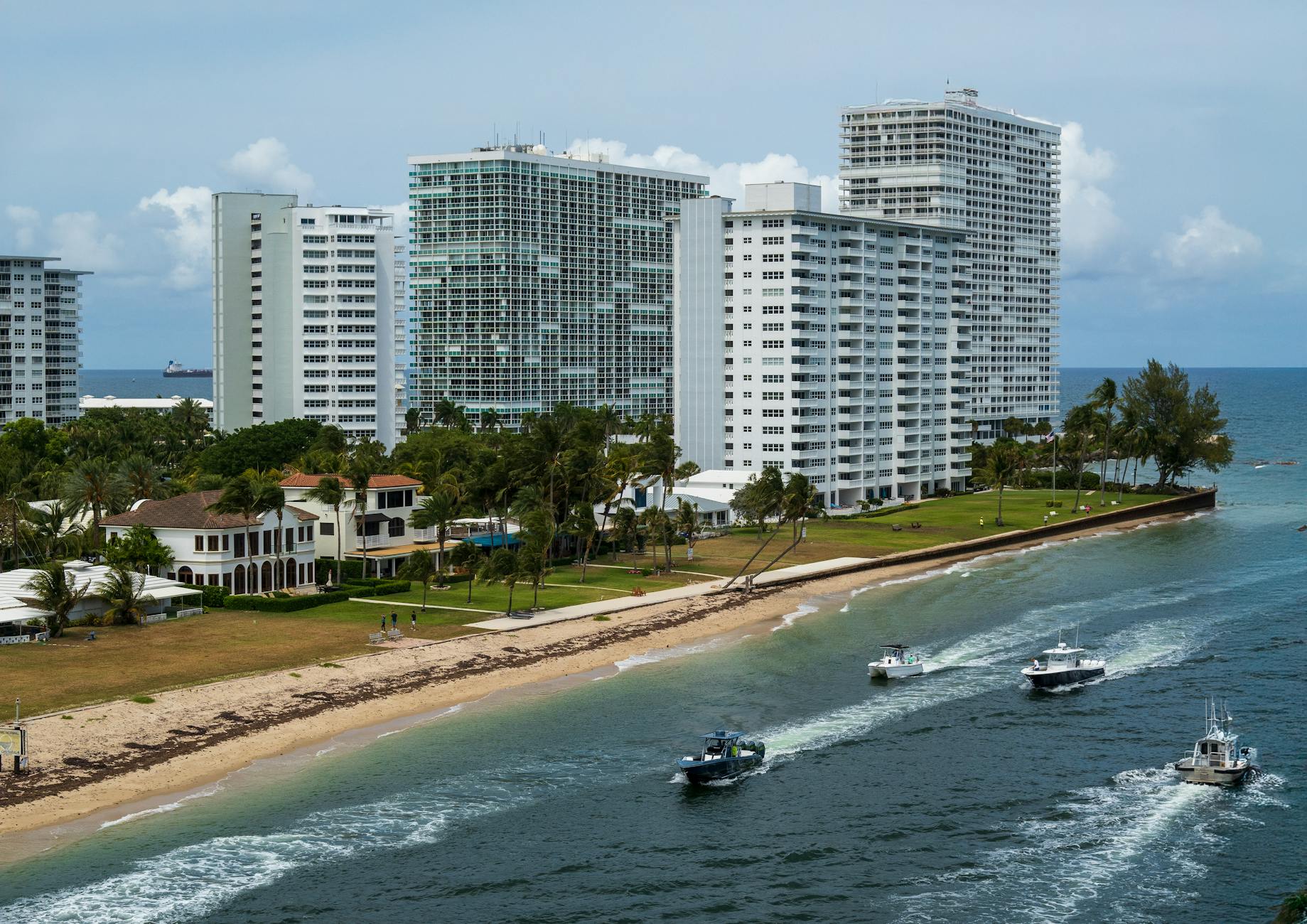
Fort Lauderdale is the easiest and fastest major day trip from Miami, reachable in as little as 30 minutes via I-95 or the Florida Turnpike. Once known mainly as a spring break destination, Fort Lauderdale has reinvented itself into a sophisticated, walkable coastal city with a personality distinct from Miami. It is nicknamed the “Venice of America” for its 165 miles of navigable canals and waterways, and it offers golden-sand beaches, an excellent dining and arts scene, and a noticeably more relaxed vibe than its southern neighbor.
What to Do
Fort Lauderdale Beach — The main beach along A1A (Fort Lauderdale Beach Boulevard) stretches for miles and features wide golden sand, a promenade with a wave wall, and generally cleaner, less crowded conditions than Miami’s South Beach. Park at one of the metered lots along A1A or take advantage of free street parking on side streets if you can find it. Beach access is free.
Las Olas Boulevard — This is Fort Lauderdale’s answer to Lincoln Road, but with more charm and fewer chain stores. Running from the beach to downtown, Las Olas is lined with independent boutiques, art galleries, sidewalk cafes, and excellent restaurants. Stop at Louie Bossi’s for Italian, TRP Taste for creative small plates, or Wild Sea for fresh seafood. Allow at least an hour to stroll the full boulevard.
Water Taxi — Fort Lauderdale’s Water Taxi is both a transportation system and a sightseeing experience. An all-day pass costs $35 for adults, $15 for children, and you can hop on and off at 15 stops along the Intracoastal Waterway and New River, passing by mega-yachts, waterfront mansions, and lush tropical landscaping. It is one of the best ways to understand why Fort Lauderdale earned its Venice comparison. The onboard narration points out celebrity homes and other landmarks.
Riverwalk Fort Lauderdale — This mile-long linear park along the New River connects many of downtown’s cultural attractions, including the NSU Art Museum ($12 admission, known for its extensive contemporary art collection), the Broward Center for the Performing Arts, and the Fort Lauderdale History Center. It is a pleasant, shaded walk, and on the first Friday of each month, the Riverwalk hosts a free evening festival with live music and food vendors.
Bonnet House Museum and Gardens — A hidden gem tucked between A1A and the Intracoastal, Bonnet House is a 35-acre estate with a quirky, art-filled historic home surrounded by subtropical gardens. Monkeys (yes, real monkeys — squirrel monkeys that have lived on the grounds for decades) swing through the trees, and the gardens are home to swans, orchids, and towering royal palms. Admission is $25 for adults, and guided tours run about 75 minutes.
Hugh Taylor Birch State Park — Sandwiched between the Intracoastal Waterway and the ocean, this 180-acre state park offers a welcome escape from the urbanized beachfront. You can kayak or canoe on the park’s lagoon, hike a short nature trail through a coastal hammock, or access a quiet stretch of beach via a pedestrian tunnel under A1A. Entry is $6 per vehicle.
Tip for families: If you are traveling with kids, add the Museum of Discovery and Science downtown ($21 adults, $17 children) — it has an excellent IMAX theater and hands-on exhibits that rival anything in Miami. Check our Miami family vacation guide for more kid-friendly ideas in the broader South Florida area.
6. Palm Beach & West Palm Beach
Distance from Miami: 70–80 miles, approximately 1.5 hours by car via I-95
Best for: Culture seekers, architecture fans, upscale shopping, history enthusiasts
Estimated cost: Museums $15–$23; dining moderate to upscale; beach access free
Head north on I-95 from Miami and in about 90 minutes you will reach Palm Beach and its more accessible twin city, West Palm Beach. Palm Beach is Old Florida money at its most refined — a 16-mile barrier island of manicured hedgerows, Mediterranean Revival mansions, and a social scene that still revolves around the “season” (January through April). West Palm Beach, on the mainland just across the Intracoastal, is younger, more diverse, and increasingly vibrant, with a revitalized waterfront, thriving food scene, and excellent museums.
Palm Beach Highlights
Worth Avenue — Palm Beach’s legendary shopping street is the American equivalent of the Via Condotti. Even if Chanel and Hermès are not in your budget, Worth Avenue is worth walking for its architecture alone: Mediterranean courtyards called “vias” branch off the main avenue, hiding fountains, bougainvillea, and small galleries. Dress nicely — Palm Beach has a code, unwritten but enforced by social pressure.
Henry Morrison Flagler Museum (Whitehall) — Railroad magnate Henry Flagler essentially invented tourism in Florida, and his Gilded Age winter estate, Whitehall, is a 75-room marble palace that now functions as a museum dedicated to his life and legacy. The collection includes a private railcar, period furnishings, and rotating exhibits. Admission is $23 for adults, $10 for children. Allow 1.5–2 hours.
Palm Beach Town Beach (Midtown Beach) — A pristine, less-crowded beach with clear water, located along South Ocean Boulevard. Free access, metered parking nearby. The water is calm and the sand is well-maintained — a noticeable step up from most Miami beaches in terms of serenity.
The Breakers — Even if you are not staying at this iconic 1926 Italian Renaissance-style resort, you can walk through the public areas of the lobby, dine at one of its restaurants, or book a spa treatment. The architecture and grounds are extraordinary.
West Palm Beach Highlights
Norton Museum of Art — One of the finest art museums in the southeastern United States, the Norton was recently expanded and renovated to stunning effect. The permanent collection spans Chinese jade, European Old Masters, American modernism, and contemporary photography. Admission is $18 for adults, free on Friday evenings and Saturdays.
Clematis Street and the Waterfront — West Palm Beach’s downtown has exploded with restaurants, bars, and cultural venues in recent years. Clematis Street is the main drag, and the waterfront along Flagler Drive is perfect for an evening stroll. On Saturdays, the GreenMarket (October through April) sets up with over 100 vendors selling produce, baked goods, flowers, and prepared food.
Driving tip: I-95 between Miami and Palm Beach can be congested during rush hours. Leave Miami by 9:00 AM or after 10:00 AM to avoid the worst northbound traffic. The return trip is generally smooth unless you are heading back between 4:00 and 7:00 PM.
7. Naples & Marco Island
Distance from Miami: 125 miles, approximately 2–2.5 hours by car
Best for: Beach connoisseurs, art lovers, foodies seeking Gulf Coast cuisine, couples
Estimated cost: Moderate; beach access free; dining upscale; shelling tours $40–$80
Naples sits on Florida’s Gulf Coast, and getting there from Miami is half the adventure. The most direct route, US-41 (Tamiami Trail), cuts straight through the Everglades and Big Cypress National Preserve — a 90-minute drive through untouched wilderness where you might spot alligators sunning on the roadside, flocks of wading birds, and virtually no other cars. It is one of the most scenic two-lane highways in Florida. Alternatively, I-75 (Alligator Alley) is faster but less interesting — a straight toll road through the same landscape but without the roadside pull-offs and outposts.
Why Naples Is Worth the Drive
Naples is the anti-Miami: quiet, refined, and deliberately understated. The Gulf Coast beaches here — Vanderbilt Beach, Naples Beach, and Delnor-Wiggins Pass State Park — feature powder-soft white sand and calm, warm water that feels completely different from the Atlantic beaches in Miami. The sunsets over the Gulf are legendary, with the sun sinking directly into the water in a blaze of color.
Historic Downtown and Third Street South — Naples’ downtown is walkable, leafy, and full of independent galleries, upscale boutiques, and excellent restaurants. Third Street South is the main attraction, with sidewalk dining, live music on weekends, and a Saturday morning farmers market. For lunch, try The Local or Barbatella (Italian, handmade pasta). For a splurge dinner on your way back to Miami, USS Nemo serves outstanding seafood in a tiny, unassuming space.
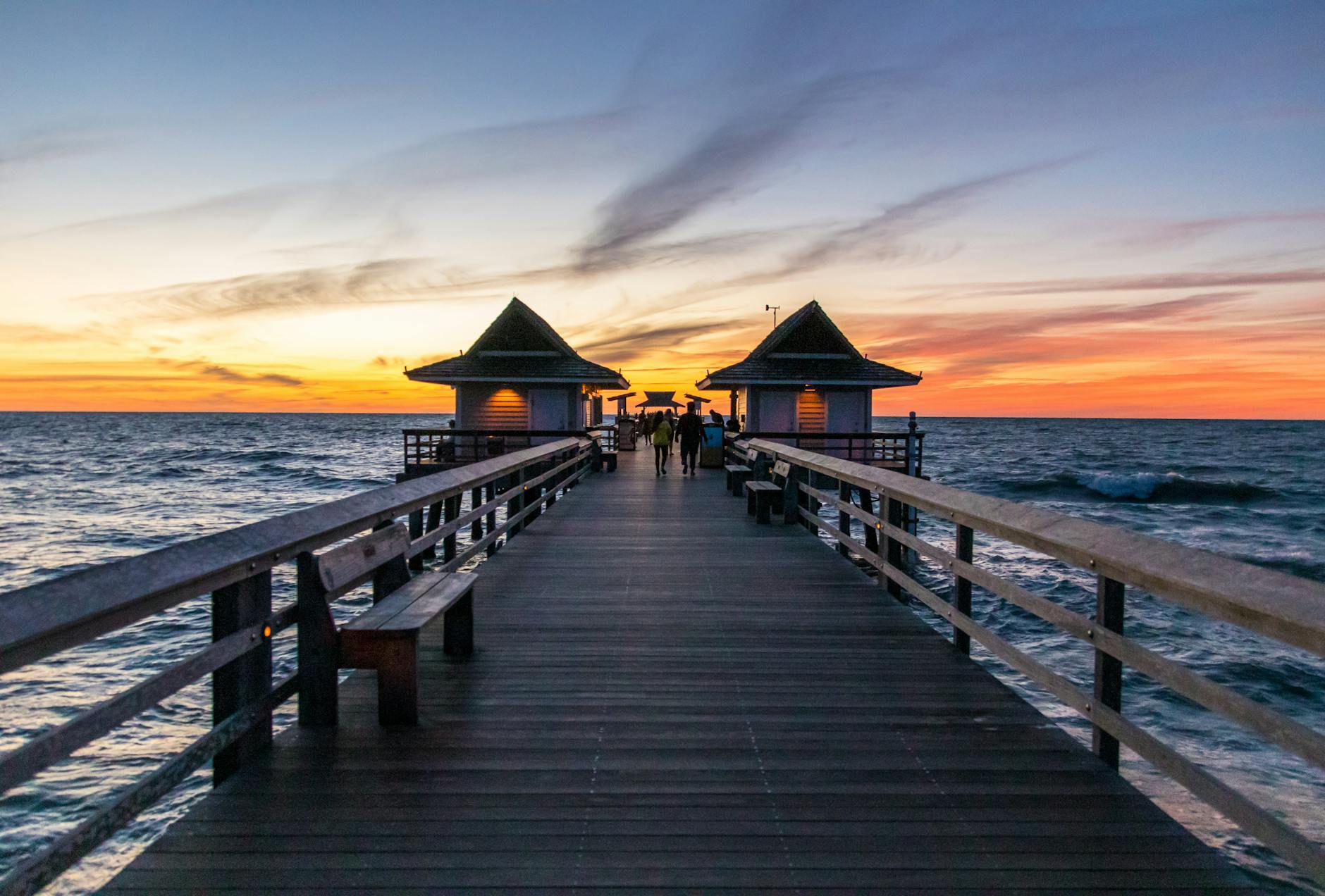
Naples Pier — This historic wooden pier extends 1,000 feet into the Gulf and is the prime spot for sunset viewing, fishing, and dolphin spotting. It is free to walk and is the symbolic heart of the city. Arrive 30 minutes before sunset to claim a spot.
Tin City — A waterfront shopping and dining complex in a converted 1920s-era clam-shelling building. It is touristy but fun, with boat tour departures, fresh seafood restaurants, and souvenir shops. Narrated boat tours of Naples Bay depart from here for around $40–$50 per person.
Marco Island
Marco Island, about 20 minutes south of Naples, is the largest of the Ten Thousand Islands and offers a more resort-oriented experience. Tigertail Beach is the top attraction — a crescent-shaped beach with a tidal lagoon that is ideal for families. Shell collectors should book a boat excursion to the uninhabited barrier islands nearby, where shelling is extraordinary (especially after storms).
Tip: Naples is at the outer edge of day-trip range from Miami. Leave by 7:00 or 8:00 AM to make the most of your day, and plan to return by the Tamiami Trail to catch the Everglades landscape in the late-afternoon golden light.
8. Hollywood & Dania Beach
Distance from Miami: 20–30 minutes by car
Best for: Families, couples wanting a low-key beach day, budget travelers
Estimated cost: Very low; beach access free; parking $2–$5/hour
Nestled between Miami and Fort Lauderdale, Hollywood and neighboring Dania Beach offer an authentically laid-back beach experience that feels worlds away from the South Beach scene. If you want a beach day without the crowds, the attitude, or the prices of Miami’s most famous stretches, this is your answer.
Hollywood Broadwalk
The centerpiece of Hollywood Beach is the Hollywood Beach Broadwalk (yes, “Broad-walk,” not boardwalk — it is a broad, paved promenade, not wooden boards). Stretching 2.5 miles along the oceanfront, it is one of the best beachfront walking paths in South Florida, lined with small hotels, restaurants, cafes, ice cream shops, and souvenir stores that have a charmingly retro, almost European seaside-village feel. Rent a bike or surrey from one of the beachfront shops and pedal the full length. Stop at GG’s Waterfront Bar and Grill for fish tacos or Le Tub Saloon — a funky, cash-only burger joint on the Intracoastal that Guy Fieri once called the best burger in America.
Dania Beach
Dania Beach, the oldest city in Broward County, is small and quiet. The Dania Beach Pier (also known as the Dania Beach Fishing Pier) extends into the Atlantic and is a popular spot for fishing and people-watching. Beach access is free, and the sand is clean and uncrowded. Nearby, Jaxson’s Ice Cream Parlor has been serving massive sundaes since 1956 — a quintessential old-Florida experience.
For dedicated shoppers, Sawgrass Mills, one of the largest outlet malls in the United States, is about 15 minutes inland from Hollywood. With over 350 stores offering discounts on brands from Prada to Nike, it can easily consume half a day. Combine a morning at the Broadwalk with an afternoon of outlet shopping for a full excursion.
9. Dry Tortugas National Park
Distance from Miami: 70 miles west of Key West (ferry from Key West required)
Best for: History enthusiasts, serious snorkelers, adventure seekers, photographers
Estimated cost: Yankee Freedom ferry $200+ round trip per adult; park entrance $15 per person
This one requires some extra planning, but Dry Tortugas National Park is, without exaggeration, one of the most remarkable places in the United States. Located 70 miles west of Key West in the open Gulf of Mexico, the Dry Tortugas is a cluster of seven small islands dominated by Fort Jefferson, a massive hexagonal Civil War-era fortress that is the largest masonry structure in the Americas. The fort rises from the turquoise water like something from a dream, and the surrounding waters offer some of the best snorkeling in the entire Florida Keys — crystal-clear, uncrowded, and teeming with marine life.
How to Get There
The only public ferry to the Dry Tortugas is the Yankee Freedom III, which departs daily from Key West’s Historic Seaport at 8:00 AM and returns by 5:15 PM. The 2.5-hour journey each way crosses open ocean, so take seasickness medication if you are prone. The round-trip fare is approximately $200 for adults, $145 for children, and includes breakfast, lunch, snorkeling gear, and a 45-minute guided tour of Fort Jefferson. Seats sell out weeks in advance during peak season (December–April), so book as early as possible.
You can also reach the Dry Tortugas by seaplane from Key West (about 40 minutes each way, $350+ per person) — more expensive but unforgettable, with aerial views of the reef and the fort.
What to Do
Fort Jefferson — Explore six sides of the massive fort, climb to the upper-level terreplein for panoramic ocean views, visit the cells where prisoners (including Dr. Samuel Mudd, who treated John Wilkes Booth’s broken leg) were held, and admire the engineering of a structure built entirely from 16 million bricks shipped to this remote outpost. The guided tour is excellent and included with your ferry ticket.
Snorkeling — The snorkeling at the Dry Tortugas is arguably the best in the Florida Keys. The water around the fort’s moat wall and along the sea wall is remarkably clear, and you will see barracuda, sea turtles, nurse sharks, parrotfish, and massive schools of tropical fish. The coral is healthy and the absence of boat traffic means visibility is outstanding. Gear is included with the ferry fare.
Birding — The Dry Tortugas is a critical stopover for migratory birds crossing the Gulf of Mexico. During spring migration (April–May), the islands can be covered with exhausted warblers, tanagers, and other songbirds. Bush Key, adjacent to Fort Jefferson, hosts a massive sooty tern nesting colony (up to 80,000 birds) from February through September.
Note: Because reaching the Dry Tortugas requires a trip to Key West first, this is realistically a two-day excursion from Miami — one day to drive to Key West (spending the night there), and one day for the Dry Tortugas ferry. It is worth every bit of the effort.
10. Planning Your Day Trips from Miami
With so many excellent options, deciding which day trips to prioritize depends on your interests, your timeframe, and your willingness to drive. Here is practical guidance to help you plan.
Which Day Trips to Prioritize
If you only have time for one or two excursions beyond Miami, here are our recommendations based on common traveler profiles:
- First-time Florida visitor: The Everglades (morning airboat + Shark Valley or Anhinga Trail) is the must-do. Nothing else in Miami’s orbit is as unique or as quintessentially Floridian.
- Beach lover: Key Largo for reef snorkeling, or Naples for Gulf Coast sand that is objectively superior to anything on the Atlantic side.
- Families with children: Fort Lauderdale (Museum of Discovery and Science + beach + Water Taxi) or Key Largo (glass-bottom boat + Pennekamp beaches).
- Culture and history: Palm Beach (Flagler Museum + Norton Museum + Worth Avenue) or Key West (Hemingway Home + Fort Zachary Taylor + historic Old Town).
- Adventure seekers: Biscayne National Park (Maritime Heritage Trail snorkeling) or Dry Tortugas (Fort Jefferson + world-class snorkeling).
- Low-key relaxation: Hollywood Broadwalk for a mellow beach day without the intensity of Miami or the drive time of more distant options.
Guided Tour vs. Self-Drive
Self-drive is almost always better for day trips from Miami. Having your own car gives you flexibility on timing, the ability to stop at places that catch your eye, and usually saves money. The one major exception is Key West, where a bus tour eliminates 7–8 hours of driving and lets you enjoy a drink on Duval Street without worrying about the return trip.
For activity-specific tours (airboat rides, snorkeling, reef diving), you will need to book through outfitters regardless of how you get to the destination. These are specialist experiences that require equipment and expertise.
Rental Car Tips
- Book early, especially during peak season (December–April). Rental car prices in Miami can spike dramatically during high season and major events like Art Basel or Ultra.
- Avoid airport rentals if possible. Off-airport locations (in Miami Beach, Brickell, or Coral Gables) often have lower rates and shorter lines. Ride-share to the rental location and save.
- Get a SunPass or Uni transponder. Florida’s toll roads are mostly cashless, and rental car companies charge outrageous “convenience fees” for tolls (sometimes $10+ per day on top of the tolls themselves). Buy a portable SunPass mini at a Publix or CVS for $5 and load it with $20–$30. You will save money on every drive north, south, or west from Miami.
- Fill up before heading to the Keys. Gas prices on the islands are significantly higher than on the mainland. The last cheap gas stations are in Florida City and Homestead.
- Expect traffic. Miami traffic is among the worst in the country. Departures before 7:00 AM or after 9:30 AM will help you avoid the morning rush. Friday afternoons heading to the Keys are notorious — leave earlier in the day if possible.
Booking Ahead
The following activities should be booked in advance, especially during peak season:
- Dry Tortugas ferry — Book 2–4 weeks ahead; this sells out regularly
- Biscayne National Park snorkeling tours — Limited capacity; book at least a week ahead
- John Pennekamp snorkeling/diving trips — Weekend morning slots fill fast; book 3–7 days ahead
- Shark Valley tram tours — Reservable online; same-day availability is not guaranteed
- Key West snorkeling excursions — Book a few days ahead during winter/spring
Everything else — Everglades airboat tours, Fort Lauderdale attractions, Palm Beach museums, Naples dining — can generally be done on a walk-up basis, though checking hours and seasonal closures before you go is always wise.
What to Pack for Any Day Trip
- Reef-safe sunscreen (SPF 30+) — Florida law and common sense both demand it
- Reusable water bottle — refill stations are common at parks and attractions
- A light rain jacket or poncho — afternoon showers are near-daily May through October
- Comfortable walking shoes and flip-flops/sandals for the beach
- A portable phone charger — you will be taking a lot of photos
- Cash — some small-town restaurants, roadside stands, and state park concessions are cash-only
- A cooler with water and snacks — saves money and keeps you going between stops
For more on planning your overall Miami trip, including neighborhood guides and restaurant recommendations, explore our Miami neighborhoods guide and Miami food guide.
Frequently Asked Questions About Day Trips from Miami
What is the best day trip from Miami for first-time visitors?
The Everglades National Park is the top day trip for first-time visitors to Miami. It is the closest major natural attraction (45–60 minutes by car), offers a uniquely Floridian experience that you cannot replicate anywhere else in the world, and can be combined with an airboat tour and a walk on Anhinga Trail for a full and satisfying day. It is also the most affordable option, with only a $30 vehicle entrance fee plus optional airboat tour costs.
Is Key West worth the drive from Miami?
Yes, but be realistic about the time commitment. Key West is 160 miles from Miami (3.5–4 hours each way), meaning you will spend 7–8 hours in the car for a day trip. The drive along the Overseas Highway through the Florida Keys is spectacular, and Key West itself is unlike anywhere else in the US. However, if you cannot leave Miami by 6:30 AM, consider booking a guided bus tour instead ($49–$80 per person) so you can relax on the ride, or better yet, spend a night in Key West to give the destination the time it deserves.
Do I need a rental car for day trips from Miami?
A rental car is strongly recommended for most day trips from Miami. While guided bus tours exist for Key West and the Everglades, having your own car gives you far more flexibility and is often cheaper, especially for groups of two or more. Fort Lauderdale is also reachable by Brightline train (about 30 minutes, tickets from $12), but exploring beyond the downtown station area still requires a car or ride-share. For the Everglades, Biscayne, Key Largo, Naples, and Palm Beach, a car is essentially required.
What is the best time of year for day trips from Miami?
The dry season (December through April) is the ideal time for day trips from Miami. The weather is warm and sunny with low humidity, rainfall is minimal, mosquitoes are manageable, and wildlife viewing in the Everglades is at its best. The wet season (May through November) brings intense heat, daily afternoon thunderstorms, and serious mosquito activity in natural areas. Water-based activities like snorkeling are best from April through October, when water visibility peaks and seas are generally calmer.
Can I visit the Everglades and Key West in the same day?
No, and we strongly advise against trying. The Everglades and Key West are in opposite directions from Miami — the Everglades to the west and the Keys to the south — and combining them would result in 10+ hours of driving with barely any time at either destination. Dedicate a full day to each. You can, however, combine a morning Everglades airboat tour with an afternoon visit to a different Everglades entrance (like Shark Valley in the morning and the main entrance in the afternoon).
How much should I budget for day trips from Miami?
Budget roughly $50–$100 per person per day trip for a comfortable experience, not including car rental or gas. This covers park entrance fees, one activity or tour, and a casual lunch. Key West and Naples will cost more due to higher food and drink prices. The most affordable day trips are Fort Lauderdale, Hollywood/Dania Beach, and the Everglades (self-guided). The most expensive are the Dry Tortugas (ferry alone is $200+) and Key West with activities.
What is the difference between Everglades National Park and Big Cypress National Preserve?
Both protect parts of the greater Everglades ecosystem, but they are managed differently and offer different experiences. Everglades National Park (managed by the National Park Service) is more structured, with paved trails, visitor centers, tram tours, and boat tours. Big Cypress National Preserve, which you drive through on US-41 between Miami and Naples, is wilder and less developed — it allows activities like off-road vehicle use and hunting that are prohibited in the national park. For a day trip, the national park is the better choice for most visitors due to its accessibility and infrastructure.
Are day trips from Miami safe?
Yes, all the day trips listed in this guide are safe for tourists. Standard travel precautions apply: lock your car and do not leave valuables visible, stay on marked trails in national parks, wear sunscreen and stay hydrated in the heat, and be aware of wildlife (keep your distance from alligators in the Everglades — at least 15 feet). In the water, wear reef-safe sunscreen to protect coral, watch for jellyfish and sea urchins, and always snorkel with a buddy. The roads between Miami and these destinations are well-maintained, but watch for speed traps in small towns along US-1 in the Keys.
Make the Most of Your Miami Trip
Miami is a world-class destination in its own right, but the day trips radiating out from the city are what elevate a Miami vacation from great to extraordinary. In a single week, you can snorkel over a coral reef, glide through the Everglades on an airboat, watch the sunset from the southernmost point in the continental United States, explore a Civil War fortress surrounded by gin-clear water, and stroll a Gulf Coast beach with sand so white it looks like sugar. Few places on Earth put that kind of variety within a two-hour drive.
Start planning your excursions alongside your in-city itinerary. Our comprehensive guide to things to do in Miami will help you balance city days with day trips, and our where to stay in Miami guide can help you pick a neighborhood that puts you closer to the highway on-ramps for whichever direction you are heading. Traveling with kids? Our Miami family vacation guide highlights the most family-friendly day trips and activities in the region.
Whatever you choose, get out of the city for at least a day or two. The Everglades are calling, the Keys are waiting, and that Gulf Coast sunset is not going to watch itself.
Explore Our Miami Day Trip Guides
Everything within a few hours of the city, one guide at a time.
- Everglades Tours — operators, pricing and what to expect.
- Everglades Airboat Tours — the classic sawgrass ride.
- Key West Day Trip — drive, bus or organized tour.
- Biscayne National Park — 95% of it is underwater.
- Snorkeling Near Miami — the best reef spots and tours.
- Fort Lauderdale Day Trip — Brightline in 30 minutes.
- Naples Day Trip — across the Tamiami Trail to the Gulf.
- Bahamas Day Trip — Bimini by fast ferry.
Staying closer to home? Our boat tours and fishing charters guides cover the half-day options that leave from Miami itself.