Key Biscayne Miami Guide: Complete Guide for Visitors (2026)
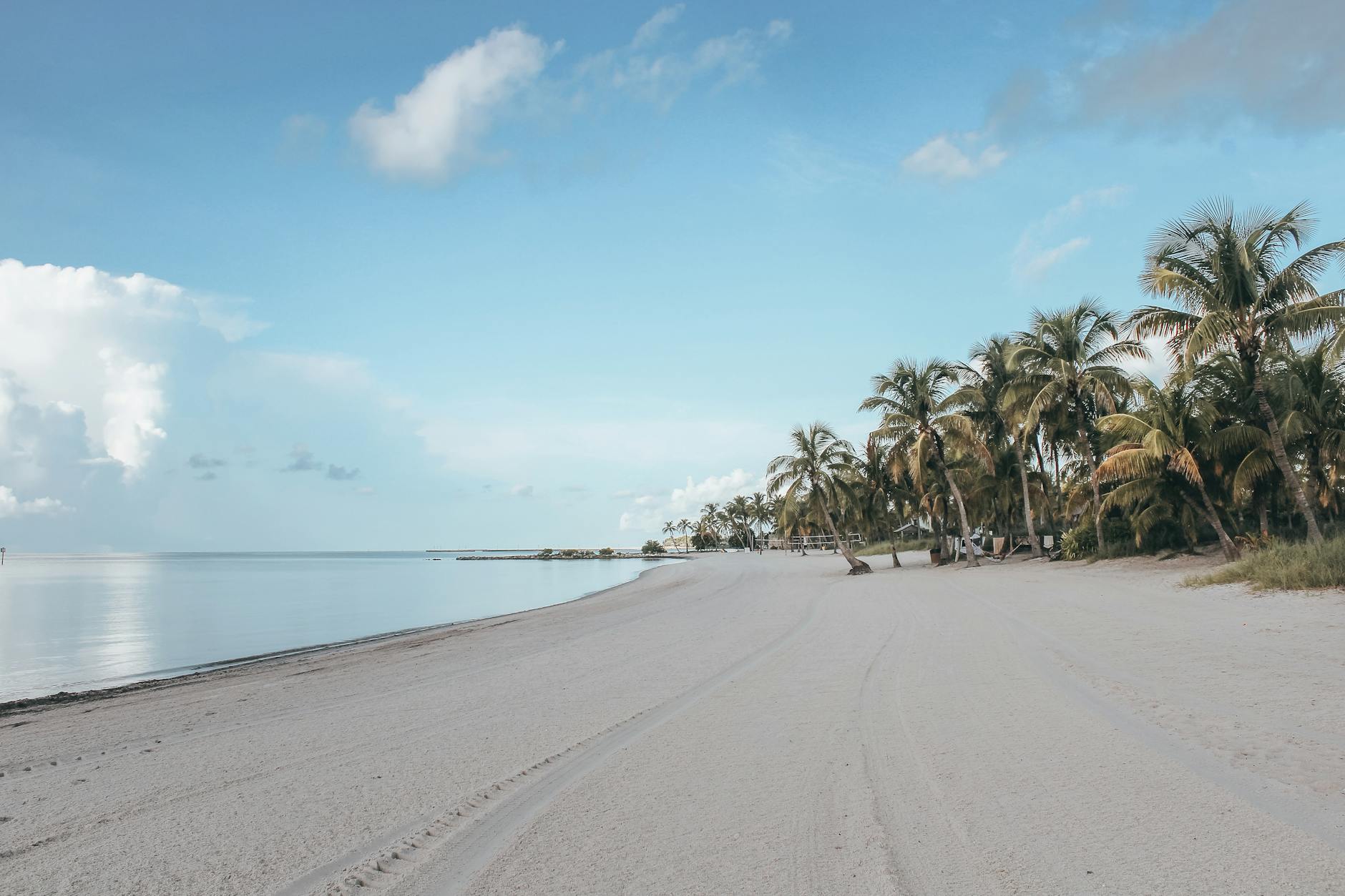
Key Biscayne is Miami’s island escape — a 1.5-mile barrier island just seven miles from downtown that feels a world removed from South Beach. Reached only by the Rickenbacker Causeway, it holds two of the city’s most beautiful parks, Crandon and Bill Baggs Cape Florida, along with the historic Cape Florida Lighthouse, the Ritz-Carlton’s flagship resort, and a small village center that feels more Cayman than Miami. It’s the quietest, most nature-rich of the city’s neighborhoods, and this guide covers the beaches, the things to do, and where to stay and eat — whether you have a half-day or a full week.
Getting to Key Biscayne
The only way onto the island is the Rickenbacker Causeway, one of the most photographed drives in Miami. The 4.5-mile span crosses Biscayne Bay past Virginia Key, home to a historic beach park, and Hobie Island, the city’s free windsurfing beach, before arriving at Key Biscayne village. There’s a $1.75 toll each way, payable by cash or SunPass. From downtown it’s about 15 minutes by car; from South Beach, 25; from Miami International Airport, roughly 30 minutes and $35 by rideshare. The Miami-Dade 102 bus runs from downtown, and the causeway’s dedicated bike lane is popular with local cyclists — though for a full beach day, a car makes life much easier.
The Best Things to Do on Key Biscayne
Bill Baggs Cape Florida State Park
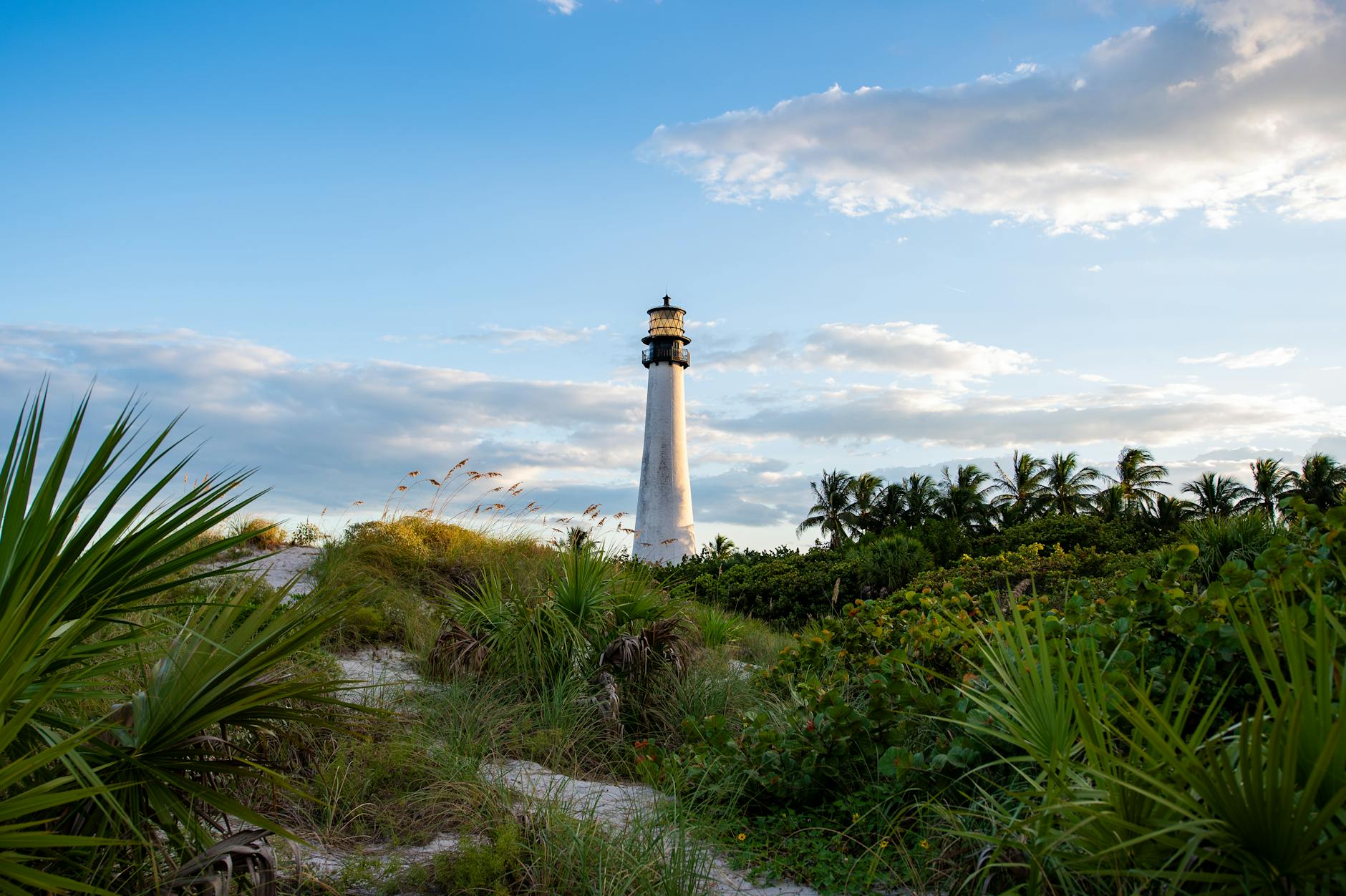
At the southern tip of the island, Bill Baggs Cape Florida State Park spreads across 400 acres of beach, mangrove trails, and bike paths, all anchored by the 1825 Cape Florida Lighthouse — the oldest standing structure in Miami-Dade County. Entry is $8 per vehicle (up to eight people), and the park is open 8am to sunset daily. Lighthouse tours run Thursday through Monday, weather permitting, for about $6, and you can rent bikes near the entrance for roughly $20 over two hours. Two casual, bayside spots — the Lighthouse Café and Boater’s Grill — handle lunch inside the park. If you only do one thing here, make it the six-mile perimeter loop, which strings together the lighthouse, the beach, the mangroves, and the bay.
Crandon Park
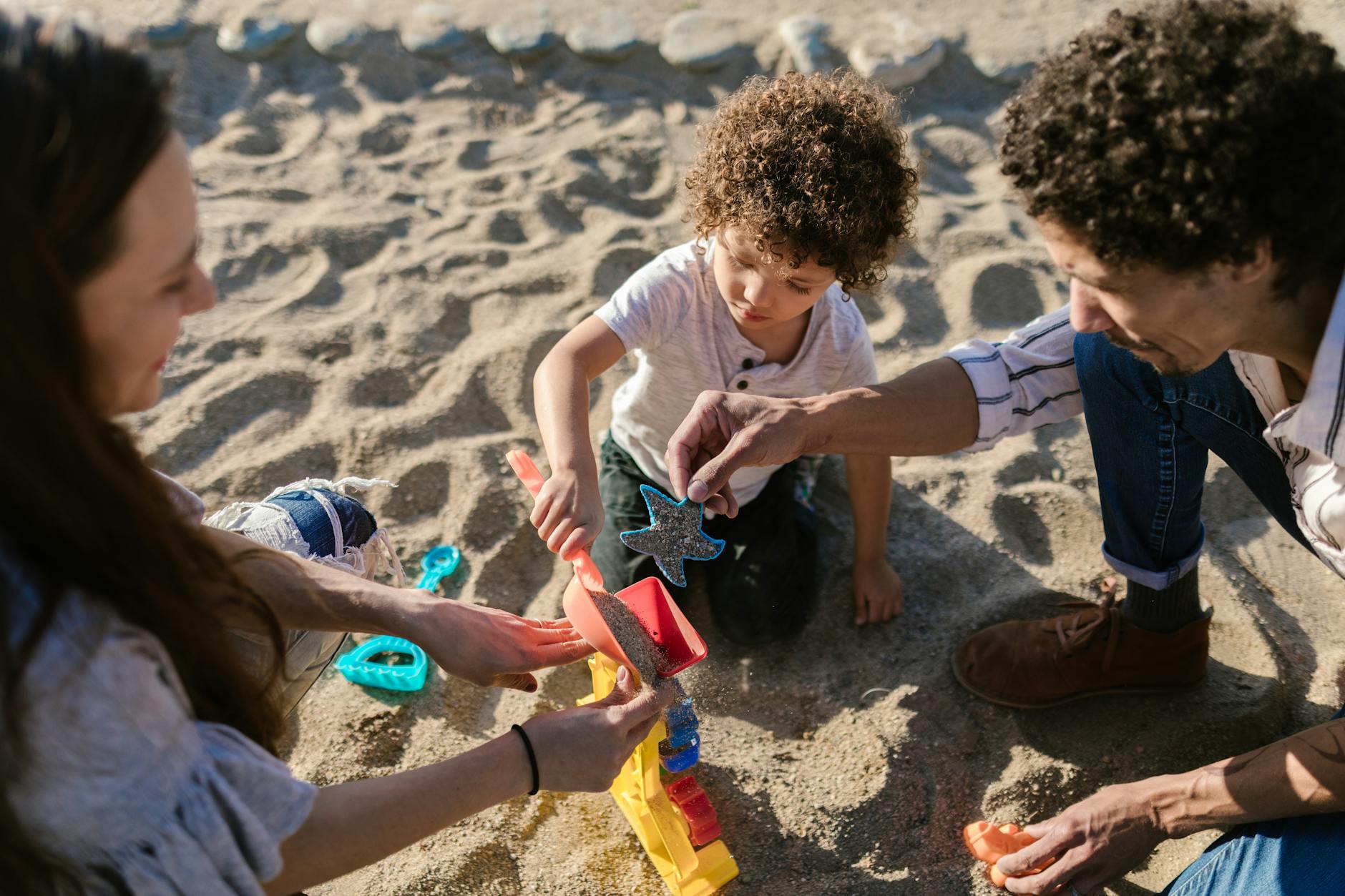
Crandon Park (6747 Crandon Blvd) is a two-mile crescent of soft white sand that regularly lands on lists of the best beaches in the country. An offshore sandbar keeps the water calm, making it the most family-friendly stretch in Miami — a point we get into in our best beaches in Miami guide. Parking is a $7 flat fee, and you’ll find picnic pavilions, grills, restrooms, and kayak and SUP rentals along the sand. The free Crandon Park Nature Center is a small, kid-pleasing museum about Biscayne Bay’s marine life, and the park also holds a public tennis center (about $5–10 an hour) and an 18-hole public golf course with bay views.
Climbing the Cape Florida Lighthouse
Built in 1825, the lighthouse is the oldest standing structure in Miami-Dade County, and climbing its 109 steps rewards you with panoramic Atlantic views. Free guided tours run Thursday through Monday, depending on volunteer availability.
Tennis & the Miami Open

Key Biscayne hosted the Miami Open from 1987 through 2018, before the tournament moved to Hard Rock Stadium. The Crandon Park Tennis Center is still a first-rate public facility, with 17 courts open to visitors at around $5–10 an hour.
Watersports & Sailing
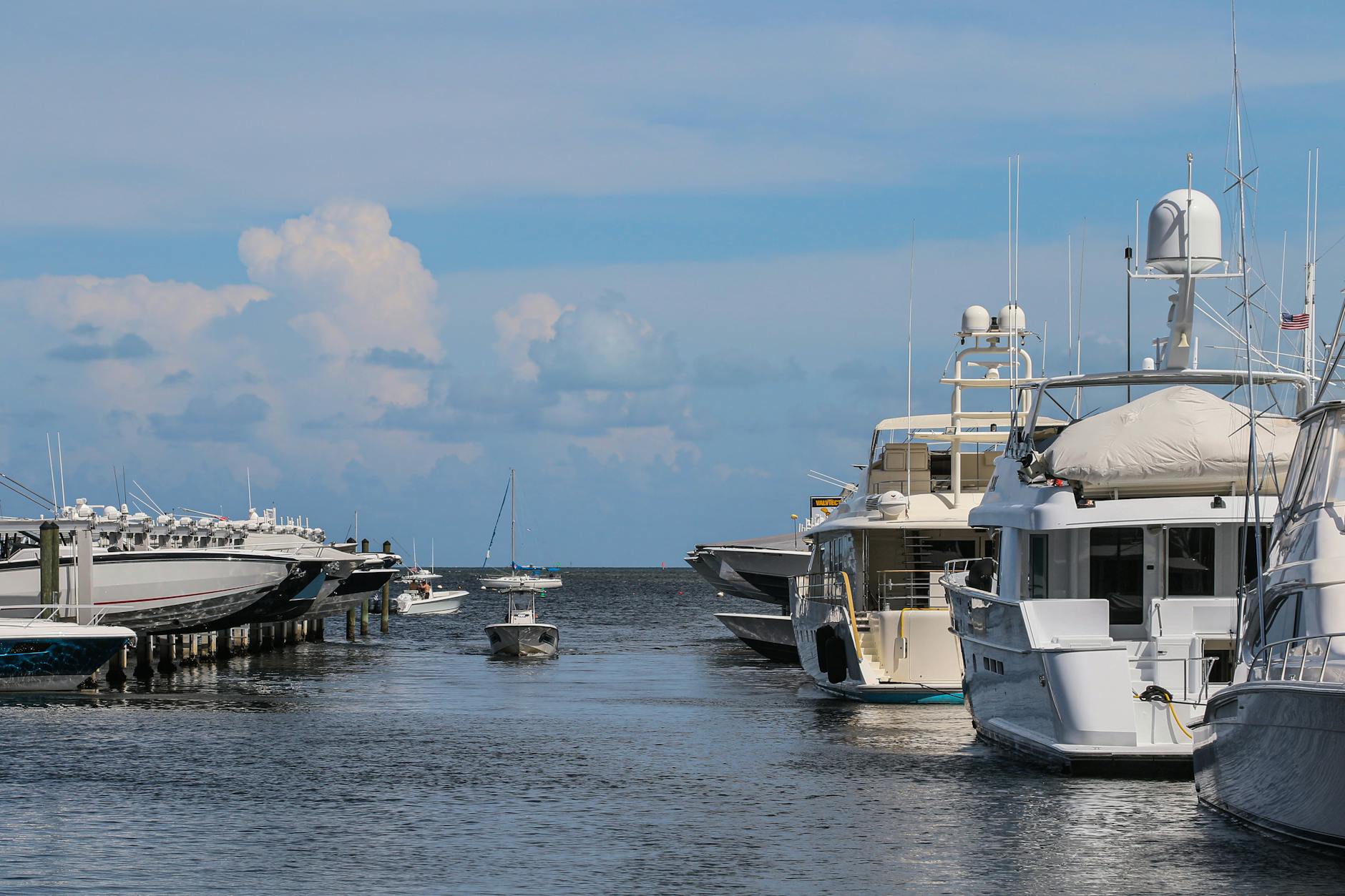
The island is a natural launchpad for time on the water. Crandon Marina is a 200-slip harbor running fishing charters and private rentals, and Crandon Park’s south concession rents sailboats and SUPs. The park’s south end is one of the city’s top kite-launching beaches, where Miami Kiteboarding offers lessons for around $150 an hour. Divers can book two-tank reef trips (about $130) with the well-regarded Diver’s Paradise of Key Biscayne, and sea kayaks rent for roughly $20 an hour at Bill Baggs’ No Name Harbor. Our guides to water sports and fishing charters have more if you want to plan around the water.
Mangrove Kayaking at No Name Harbor
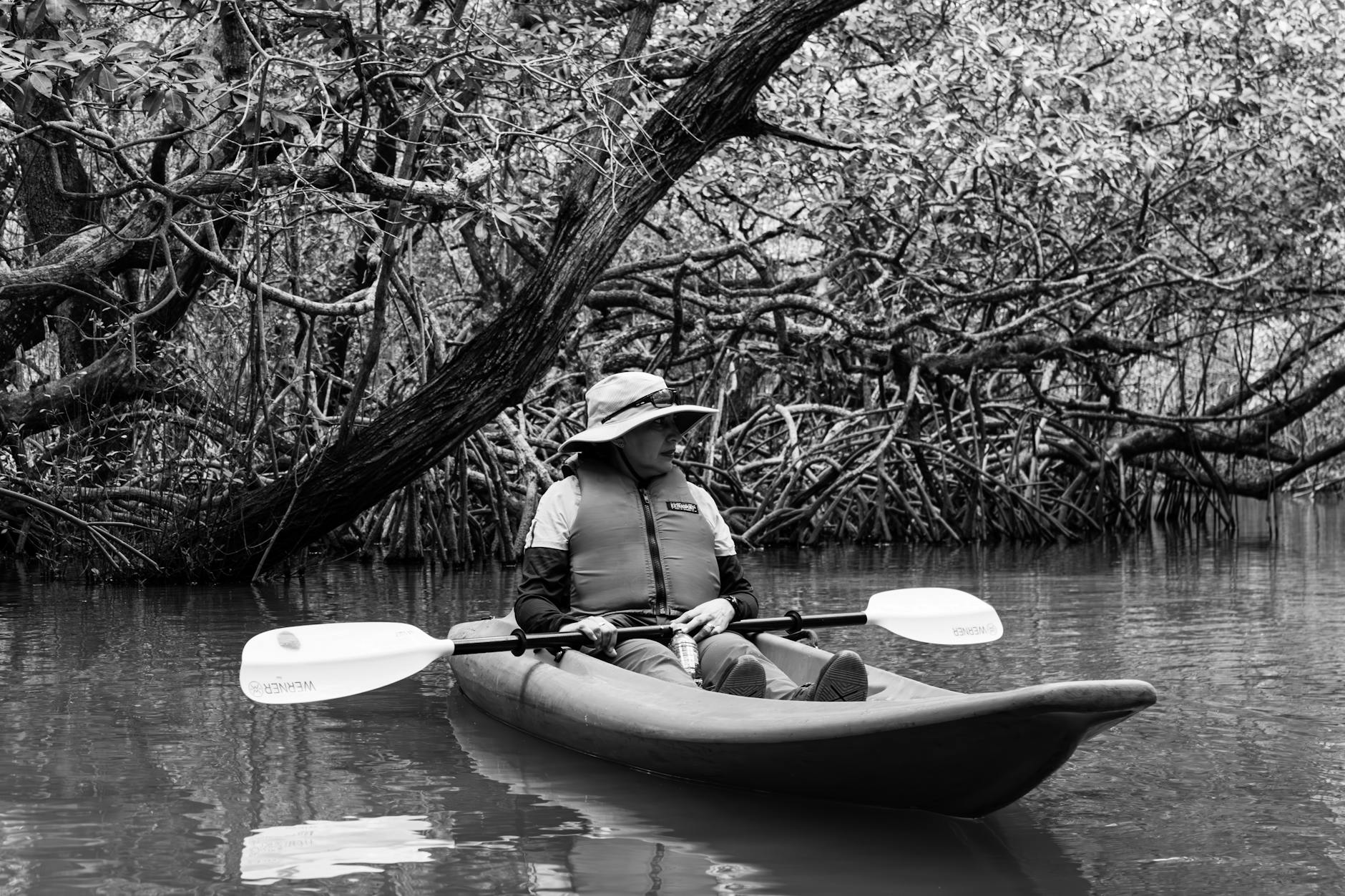
The lagoon at the southern tip of Bill Baggs is sheltered, calm, and lovely. Rental kayaks (about $20 an hour) turn the two-hour paddle around the lighthouse point into an easy, scenic adventure.
Marjory Stoneman Douglas Biscayne Nature Center
On the north side of Crandon Park, this free nature center has interactive exhibits about Biscayne Bay’s mangroves, manatees, and coastal life. It’s open daily and a reliable hit with kids.
Where to Stay on Key Biscayne
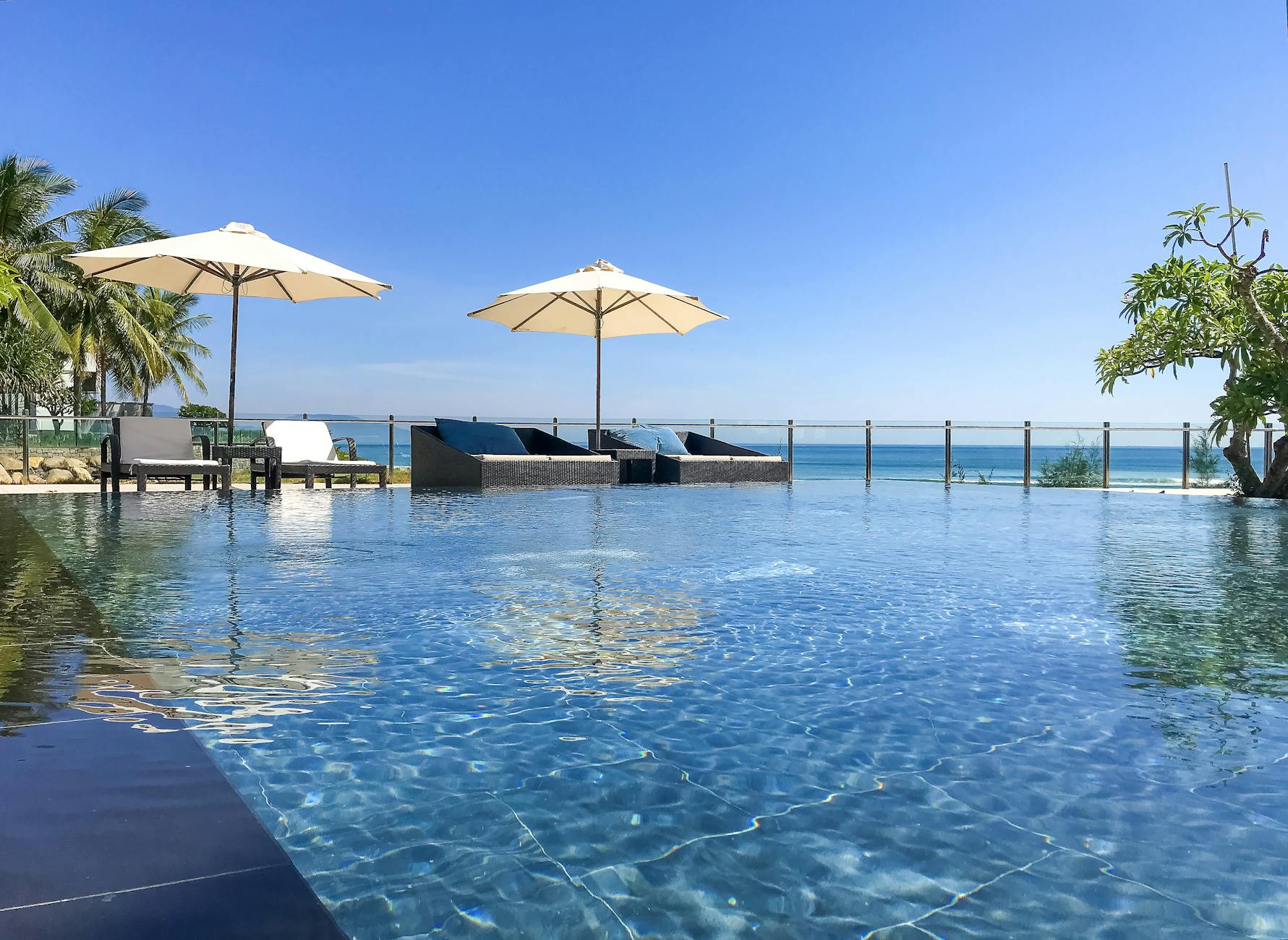
The Ritz-Carlton, Key Biscayne is the island’s landmark resort: beachfront, with three pools, multiple restaurants, and a full spa. The Silver Sands Beach Resort is the mid-range, family-friendly option with a long local reputation. Fifteen minutes away, the Cipriani-family boutique Mr. C Coconut Grove makes a stylish base for pairing Key Biscayne beach days with time in Coconut Grove. Condos on Vrbo and Airbnb fill out the rest, usually with four-night minimums. For options across the city, see our where to stay in Miami guide.
Where to Eat on Key Biscayne
Inside Bill Baggs, Boater’s Grill does casual seafood over No Name Harbor and the Lighthouse Café serves Cuban-influenced plates. At the Ritz-Carlton, The Dining Room is the fine-dining room (reserve ahead) and Cantina Beach turns out modern Mexican right on the sand. In the village, Costa Med Bistro is the go-to for casual Mediterranean on a patio, Milanezza Pizzeria is the family Italian spot, and Joey’s is the Cuban-American breakfast favorite that locals guard. Over at Crandon Marina, The Cleat pours cold drinks and casual seafood with marina views. Seafood lovers will find plenty more across the city in our seafood restaurants guide.
A Sample Day on Key Biscayne
Beat the parking fee with a 7am sunrise at Crandon Park (free if you arrive before 8am), then have breakfast at Joey’s around 9. Drive down to Bill Baggs mid-morning to bike or hike the perimeter loop, climb the lighthouse at noon (Thursday–Monday), and break for lunch at Boater’s Grill. Spend the early afternoon swimming at Crandon, cool off at the nature center around 4:30, catch a sunset cocktail at Cantina Beach, and settle in for dinner at Costa Med Bistro.
When to Visit
December through April is peak season, with near-perfect 72–82°F weather and resorts at their highest rates. March and April are the sweet spot as the water warms and crowds stay manageable. Summer, May through September, is hot and humid but still very much beach weather, with resort rates dropping 30–40%. Keep an eye on forecasts during hurricane season (June–November), when off-season deals are real but flexibility helps. For photos, aim for sunrise on the east-facing beaches and sunset around No Name Harbor and the lighthouse.
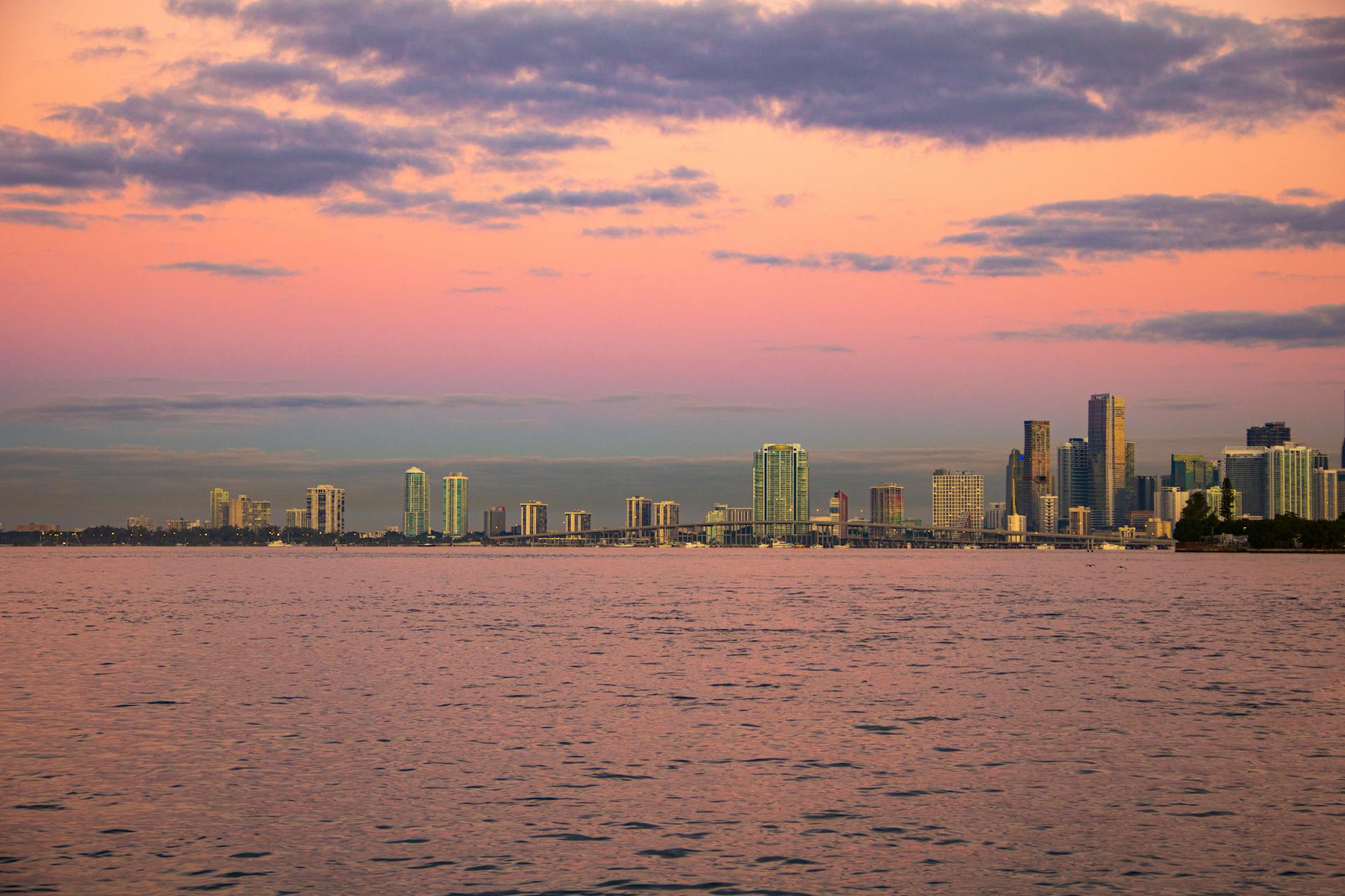
Key Biscayne vs. Other Miami Beaches
Compared with South Beach, Key Biscayne is calmer, far less developed, and much more family-focused, where South Beach is iconic, social, and commercial. Against Mid-Beach, both are quieter than South Beach, but Key Biscayne trades high-rises for nature parks. And where Haulover has surfable waves and a clothing-optional zone, Key Biscayne is all calm water and family swimming.
Frequently Asked Questions
Is Key Biscayne worth visiting?
Yes — especially for a calmer, nature-focused beach day. Bill Baggs Cape Florida and Crandon Park are two of the most beautiful parks in South Florida.
Is Key Biscayne safe?
Very. It’s one of the safest communities in Florida, and its single-entry island geography keeps it feeling private and quiet.
How long does it take to drive to Key Biscayne?
About 15 minutes from downtown Miami, 25 from South Beach, and 30 from the airport.
What’s the best beach on Key Biscayne?
Crandon Park for families, thanks to the calm water, nature center, and picnic areas; Bill Baggs Cape Florida for adults and couples, with the lighthouse, mangroves, and more secluded coves.
Are there hotels on Key Biscayne?
Yes — most notably the luxury Ritz-Carlton and the mid-range Silver Sands Beach Resort, plus a good supply of vacation rentals on the island.
Is Key Biscayne kid-friendly?
Extremely. Crandon’s calm water and nature center, the lighthouse climb, kayak rentals at Bill Baggs, and the family-focused Ritz-Carlton make it one of Miami’s best destinations for a family vacation.
Do I need a car for Key Biscayne?
It’s strongly recommended. The island is spread out, transit is limited to one bus route, and rideshare between the parks adds up. A rental car or a held Uber for a full beach day is the move.
For official park information, see Bill Baggs Cape Florida State Park.
Crandon and Bill Baggs are the two reasons most visitors cross the Rickenbacker, and they are calmer, cheaper and greener than anything on the Miami Beach strip. How they compare with the rest of the county’s sand — fees, conditions, crowds and the seaweed question — is set out in our complete guide to Miami beaches.