Biscayne National Park: 2026 Visitor Guide, Boat Tours & Snorkeling

Biscayne National Park is the lesser-known sibling of the Everglades — but for water lovers, snorkelers, and divers, it’s actually the more spectacular of Miami’s two adjacent national parks. Located just 20 miles south of Miami, Biscayne protects the northernmost living coral reefs in the continental U.S., a turquoise-water bay dotted with mangrove islands, and 10,000 years of human history including six mapped shipwrecks on the Maritime Heritage Trail. With 95% of the park underwater and accessible only by boat, this 2026 guide covers everything you need to plan a perfect Biscayne National Park visit.
Biscayne National Park: Why It’s Underrated
While 12+ million people visit Disney World every year and the Everglades sees 600,000 annual visitors, Biscayne National Park sees just 700,000 — yet it’s only 20 miles from Miami International Airport. The reason: most visitors don’t realize that the “park” is mostly water. Without a boat (or a tour), you’re limited to the Dante Fascell Visitor Center and a few short shoreline walks.
What’s protected: the third-largest coral reef in the world, mangrove forests, the largest marine ecosystem in the U.S. national park system, and historical sites including six pre-1860 shipwrecks. Wildlife: manatees, dolphins, sea turtles, hundreds of fish species, ospreys, herons, and migrating birds.
Biscayne National Park: Visitor Center & Logistics
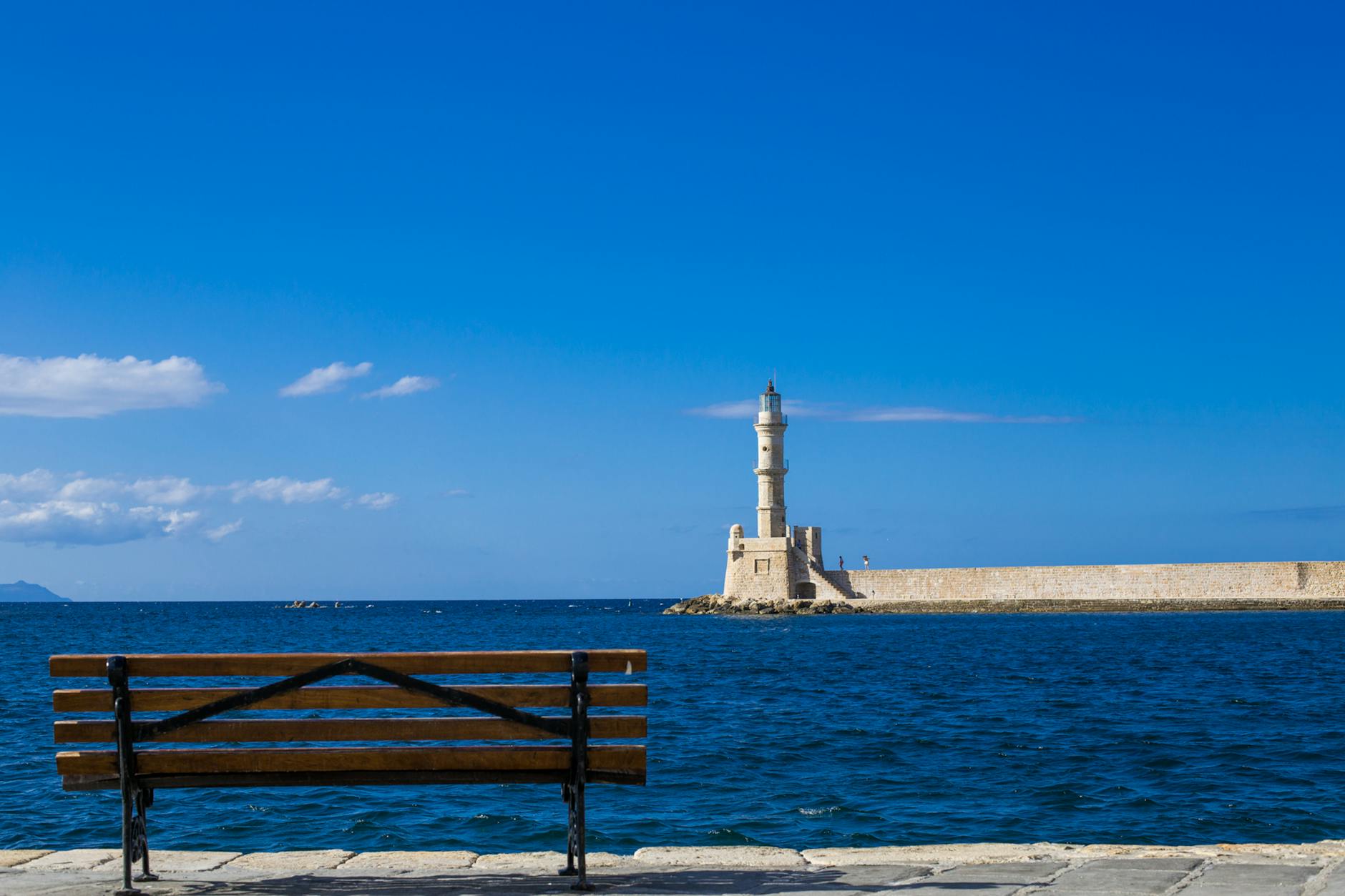
Dante Fascell Visitor Center — Located in Convoy Point, Homestead. Free admission. Indoor exhibits, ranger-led programs, gift shop, and the Biscayne National Park Institute office (the only authorized onsite outfitter for boat tours).
Address: 9700 SW 328th Street, Homestead, FL 33033
Hours: Generally 9 AM–5 PM daily
Distance from Miami: 45 minutes south via Florida’s Turnpike
Park entrance fee: Free for the visitor center area; tours have separate pricing
Free park map: Available at the visitor center
Biscayne National Park: Boat Tours
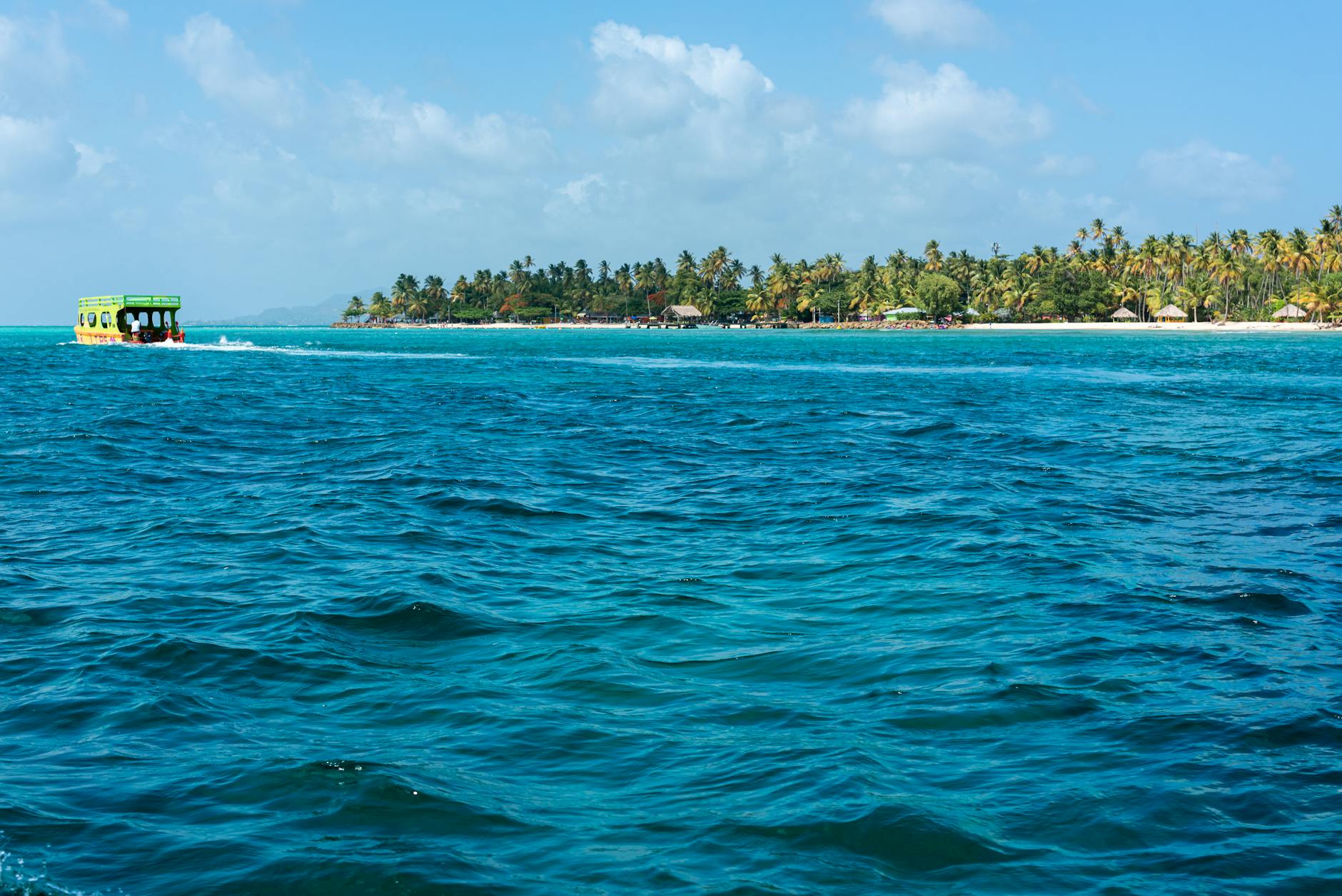
The Biscayne National Park Institute is the park’s only authorized onsite outfitter. Tours include:
Boca Chita Tour
3-hour boat trip to Boca Chita Key, the iconic island with its 1937 ornamental lighthouse. Pirate-themed history, walking trail, picnic area. ~$60 per person.
Snorkel & Boat Tours
Half-day and full-day snorkel tours to reef sites within the park. ~$80–120 per person. Snorkel gear included. Bring sun protection and a swimsuit.
Maritime Heritage Trail Snorkel (Mandalay/Arratoon Apcar)
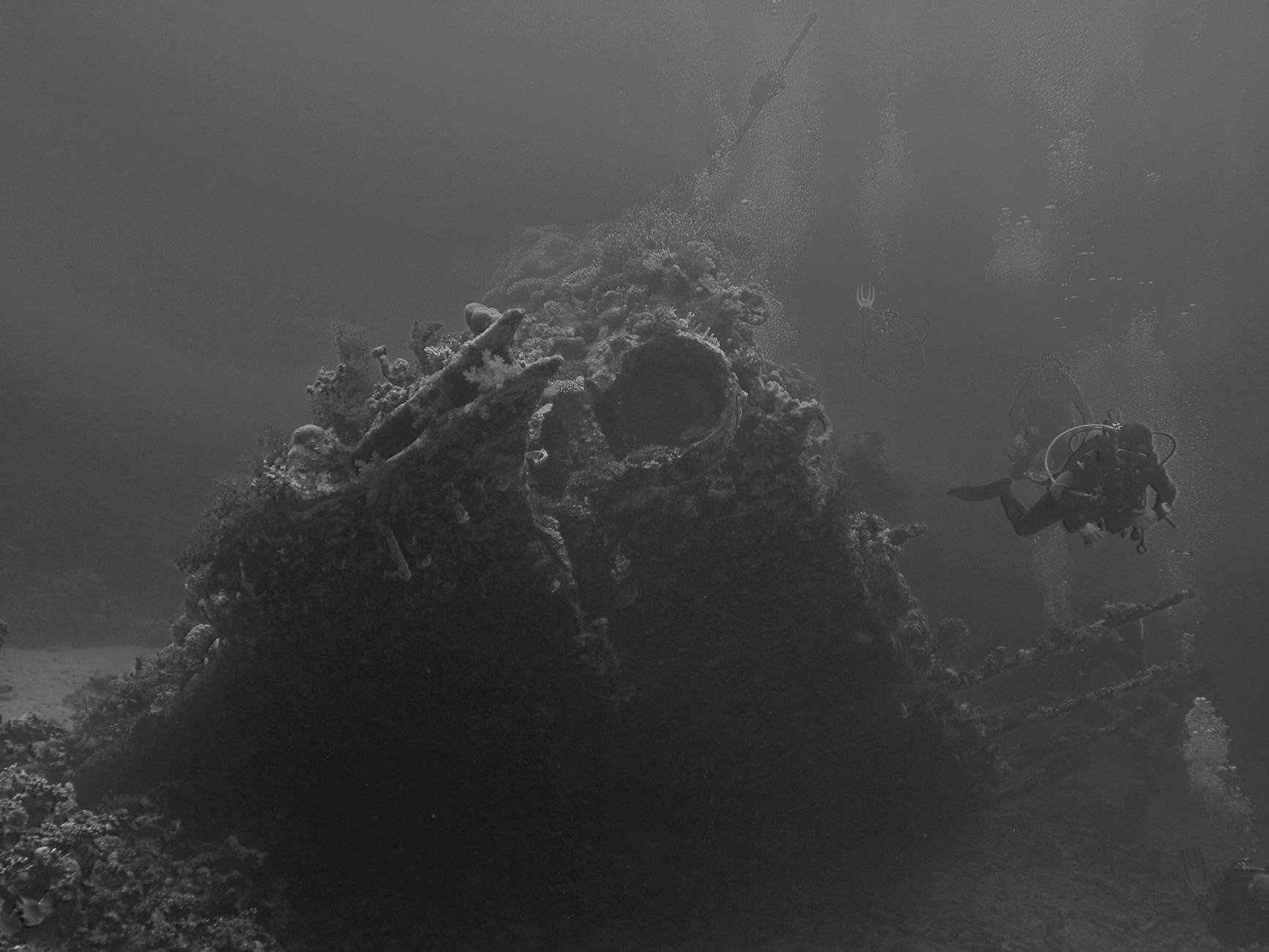
The Mandalay (1966 sunken yacht) and Arratoon Apcar (1878 freighter) are the shallowest of the six mapped shipwrecks. May–August snorkel-friendly tours allow visitors to view the wrecks in 15–30 feet of water. Among the most distinctive Biscayne National Park experiences.
Adams Key & Elliott Key Tours
Boat trips to historic islands with ranger-led tours of the National Park grounds. Includes hiking, beachcombing, and historical interpretation.
Mangrove Kayak Tour
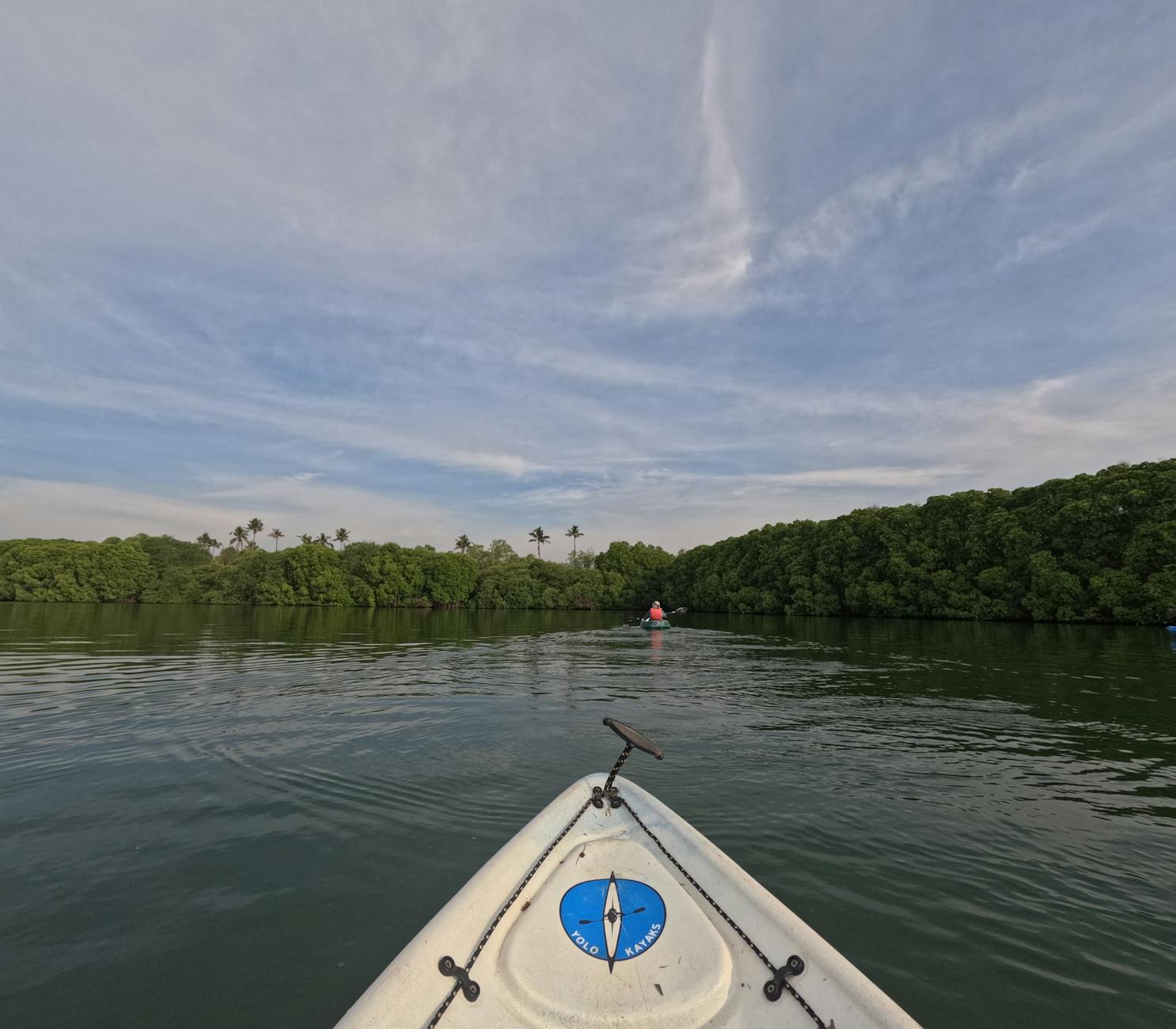
Guided kayak tours through the Hurricane Creek mangrove tunnels. Wildlife sightings include manatees, juvenile fish, sea turtles, and ospreys. ~$70–100 per person.
Biscayne National Park: Snorkeling & Diving
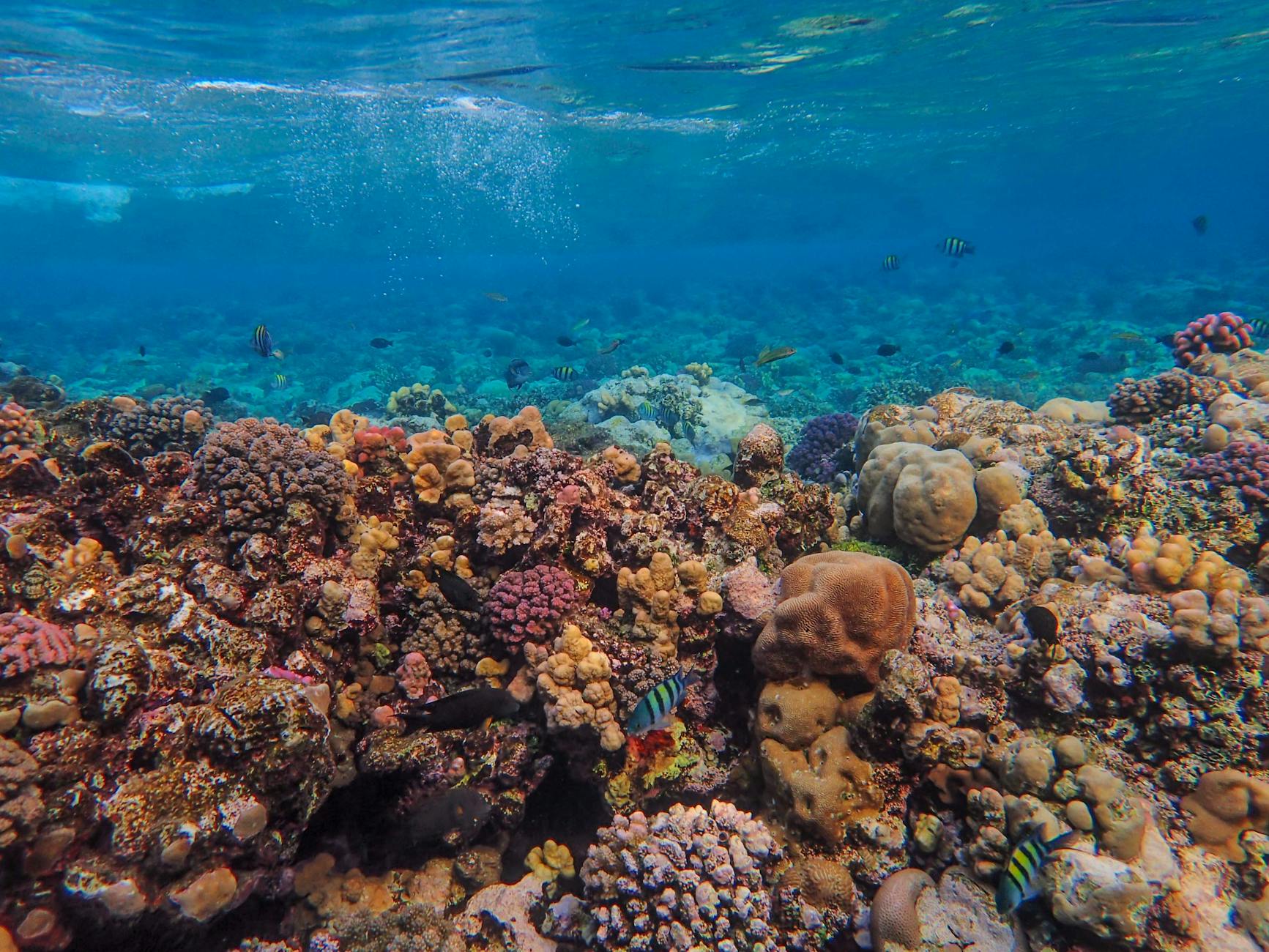
Reef sites: Long Reef, Bache Shoals, Pacific Reef. Depths 5–25 feet — accessible to most snorkelers.
Visibility: 30–60 feet in good conditions. Best summer months for clearest water.
Marine life: Yellowtail snappers, parrotfish, queen angelfish, sea turtles (especially summer), nurse sharks (often visible), spotted eagle rays, and dozens of other tropical species.
Coral health: Some bleaching has affected reefs; healthier areas remain. Coral lifestyle: protected since 1970s.
Best season: April–November (warmer water, calmer seas).
Worst season: December–March (cooler water, choppier conditions).
Biscayne National Park: Self-Guided Activities
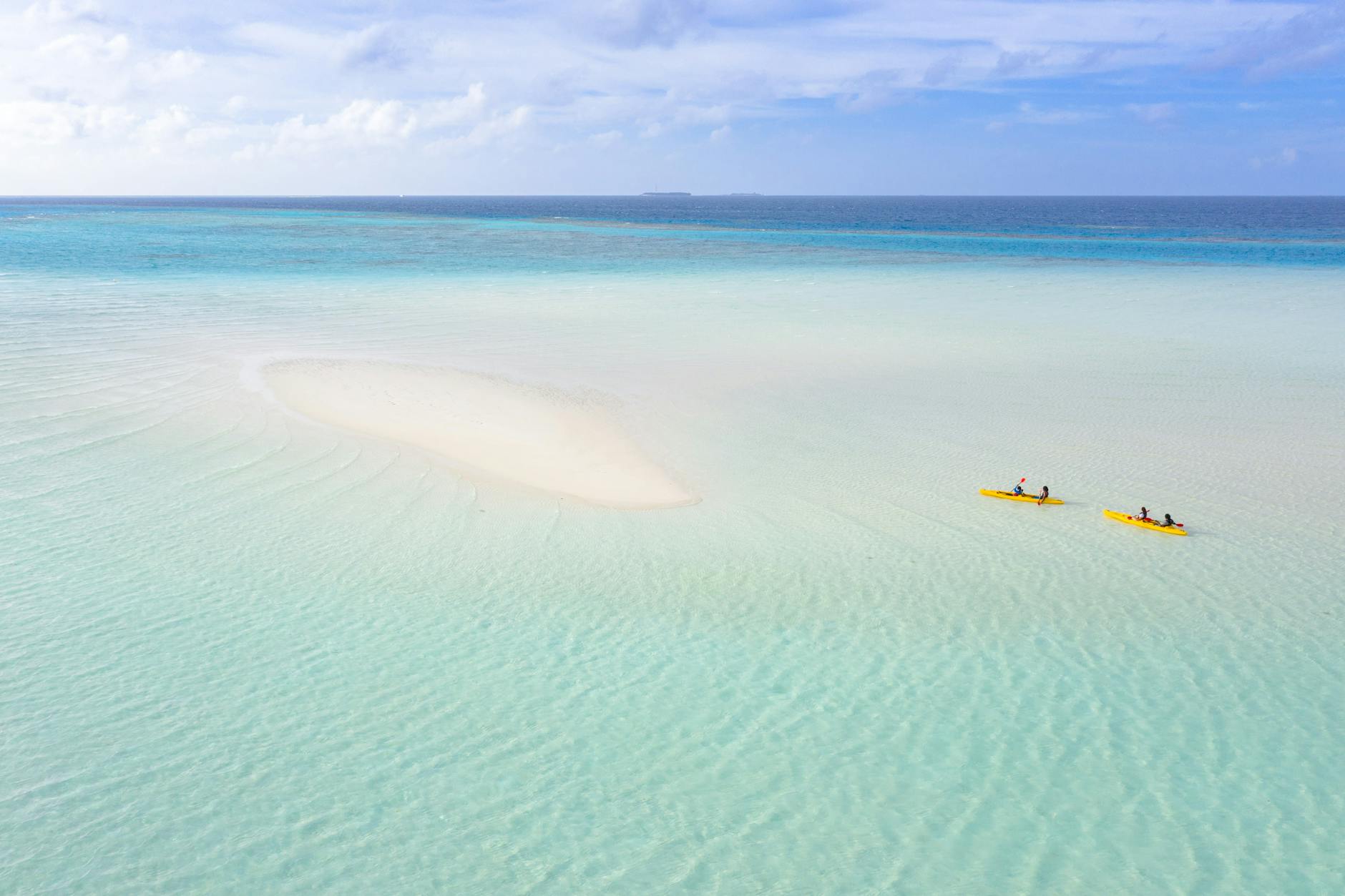
If you’re not on a guided tour, options at the visitor center include:
Convoy Point Trail: Short walk along Biscayne Bay shoreline. Free, ~30 min.
Dante Fascell Visitor Center exhibits: Free, ~45 min.
Watch the introductory film: Free, 15 min.
Self-guided kayak/canoe rental: ~$30/half-day for shoreline paddling. Limits to staying within visible sight of the visitor center.
Picnic areas: Free, available shoreside.
Fishing: Allowed with valid Florida saltwater fishing license. Various species in the bay.
Important: Without a boat or tour, you cannot reach the islands, reefs, shipwrecks, or most photogenic park areas. The visitor center and shoreline are nice but represent <5% of the park.
Biscayne National Park: When to Visit
Best season for snorkeling: April–November. Warmer water, better visibility, calmer seas.
Best for cooler temperatures and lower humidity: December–April. Less mosquito pressure, more comfortable for shore-based activities.
Avoid: Hurricane season July–November can have boat-cancellation risk. Tropical storms occasionally close park temporarily.
Best time of day: Morning tours (8 AM–noon) typically have best water visibility and calmer conditions.
Biscayne National Park: How to Get There
Drive: 45 minutes south of Miami. From South Beach, take I-95 → Florida’s Turnpike → exit at Speedway Boulevard (SW 312th Street) → east 9 miles to visitor center.
Uber/Lyft: $50–70 each way. Make sure your driver will wait for the return trip.
Tour packages: Many Miami tour companies offer hotel-pickup + Biscayne tour combos for $120–$180 per person.
Rental car: Recommended for full flexibility.
Biscayne National Park: Tips for Visitors
1. Book tours in advance. Especially weekends and Dec–April peak. Tours sell out 1–2 weeks ahead.
2. Combine with the Everglades. Both parks are 30–40 minutes apart in the southern Miami-Dade area. A combination 1.5-day or 2-day trip works well.
3. Bring sun protection essentials. Reef-safe sunscreen mandatory (regular sunscreen damages coral). Hat, sunglasses, water bottle.
4. Snorkel preparation. Tours include gear but bringing your own is more comfortable. Ear plugs help with descents.
5. Cell service is spotty. Once on the water, expect limited connectivity. Download maps or screenshots in advance.
6. Photography: Underwater housing or GoPro recommended. The shipwrecks in particular are photo-worthy.
Biscayne National Park: For Snorkeling Enthusiasts
Comparing snorkeling options near Miami:
Biscayne National Park — The only national park-protected reef snorkeling near Miami. Smaller crowds, ranger-led tours.
John Pennekamp State Park (Key Largo) — 1 hour south. Reefs slightly more colorful, more developed visitor infrastructure.
Looe Key NMS (Big Pine Key) — 2.5 hours south. Premier reef site for serious snorkelers.
For Miami visitors prioritizing convenience, Biscayne wins. For visitors with more time, Pennekamp or Looe Key may have slightly better coral health.
Plan Your Miami Day Trips
For more, browse our complete Miami Day Trips Guide, plus deep dives on the Everglades tour from Miami, Everglades airboat tours, Miami to Key West day trip, Fort Lauderdale from Miami, and snorkeling near Miami.
For official park information, visit the National Park Service Biscayne page.
Biscayne is one of two national parks on Miami’s doorstep, and the pair reward completely different days out — one is almost all water, the other almost all sawgrass. How they compare, and how they sit alongside the state parks and gardens closer to town, is set out in our Miami outdoors and nature guide.
The dry season from December to April brings the clearest water and the calmest weather for boat trips, though winter cold fronts can still cancel a day. Our guide to Miami in January explains how to plan outdoor days around them.