Best Cuban Food Miami: 2026 Restaurant Guide

This article contains advertising. Our booking links are routed through a partner that adds commission tracking automatically, so if you book through one we earn a commission from the provider, at no extra cost to you. It never affects what we recommend. Affiliate disclosure
Nowhere outside the island itself does Cuban cooking run as deep as it does in Miami. Successive waves of exiles and immigrants since 1959 turned this city into the unofficial culinary capital of the Cuban diaspora, and the payoff is everywhere: a $3 cortadito sipped at a sidewalk window can stick with you as long as any tasting menu. You will find half-century-old institutions where the waiters have worked since the Carter administration, third-generation bakeries that sell out of guava pastries by mid-morning, and a new guard of chefs reinventing their grandmothers’ recipes for white-tablecloth dining rooms. This guide walks through what to eat, where to find the real thing, and how to order like you have done it a hundred times.
What to Order Before You Pick a Restaurant
Cuban food rewards a little fluency, so it helps to know the canon before you sit down. The pressed Cuban sandwich is the obvious gateway — roast pork, sweet ham, Swiss, pickles, and yellow mustard flattened on a plancha until the bread shatters at the first bite — but it is only the opening act.
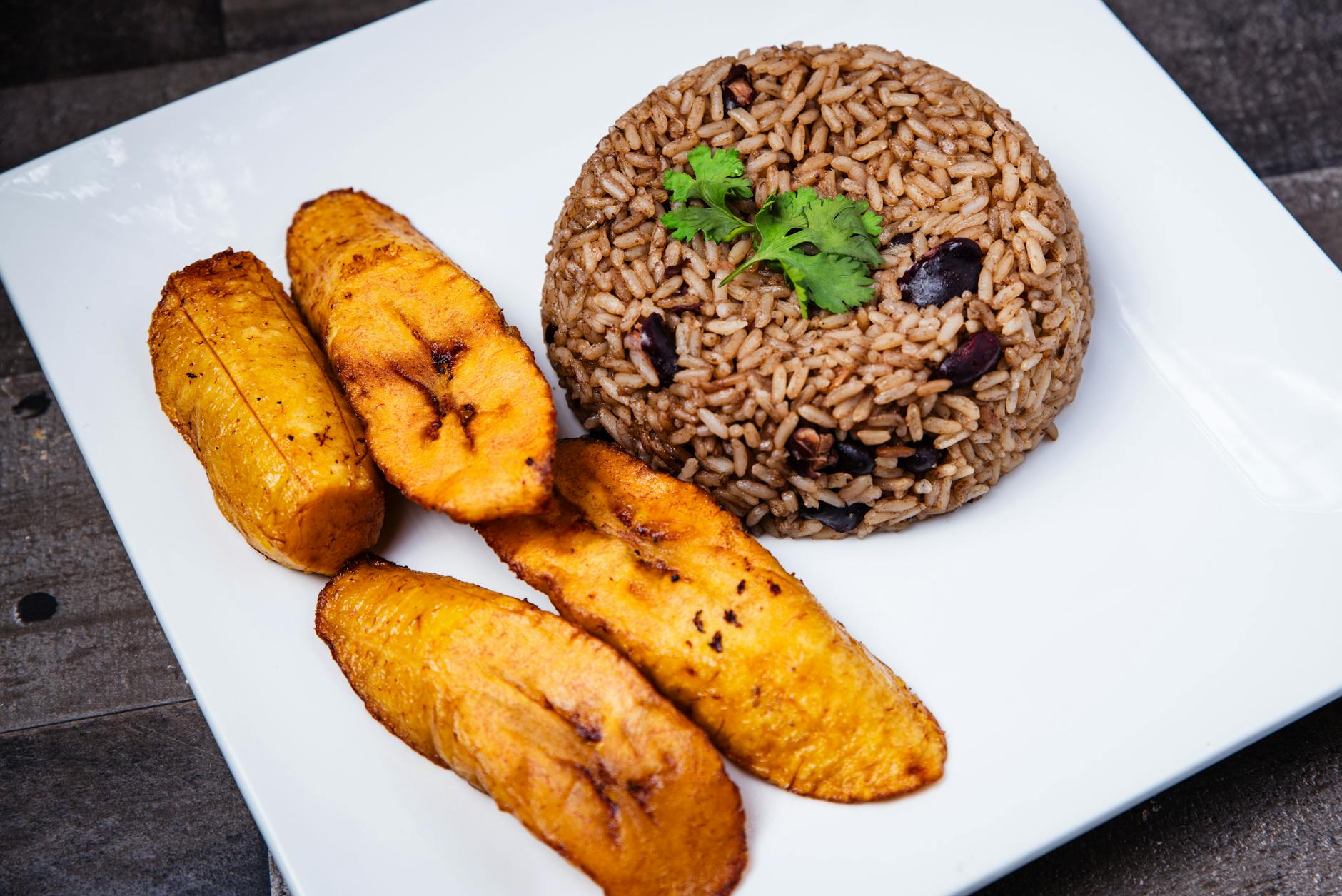
Sit down for a full meal and the table fills with ropa vieja (shredded beef braised soft in tomato and peppers), lechón asado (citrus-marinated roast pork), vaca frita (beef pan-fried until the edges crisp), and picadillo (ground beef with olives and raisins, sweet and savory at once). Almost everything arrives with white rice, black beans — or moros, the two cooked together — and a choice of tostones (twice-fried green plantains) or maduros (sweet, caramelized ripe ones). Order the croquetas to start; the ham version is the standard, and a good one has a thin, crackly shell over a molten center.
Save room for the sweets and the coffee, because both are non-negotiable. Pastelitos — flaky pastries filled with guava, cream cheese, or both — are a morning ritual. Flan and tres leches close most meals. And then there is the coffee: a cafecito (sweet, syrupy espresso), a cortadito (the same with a little steamed milk), or a colada, a foam-capped thimble-cup batch meant to be shared with the table or the office. If you want to go deeper on the café side of things, our guide to Miami’s best coffee shops maps out where to find the strongest pours.
The Institutions
Some of these rooms have barely changed in fifty years, and that is precisely the point. They are where Miami’s Cuban community has celebrated christenings, argued politics, and ended nights out for generations.

Versailles (3555 SW 8th Street) bills itself as “the world’s most famous Cuban restaurant,” and on Calle Ocho it has earned the nickname. Since 1971 it has been the unofficial town square of Cuban Miami, the place TV crews park outside whenever news breaks about the island. Go for the Cuban sandwich, the ropa vieja, and a stop at the ventanita window for a cafecito on the way out. Its sister restaurant La Carreta, run by the same family, scatters across the metro area and does a beloved palomilla steak and flan. Sergio’s, around since 1975, is the dependable 24-hour option and arguably pours the best croquetas in the city.
Puerto Sagua (700 Collins Avenue) is the holdout the developers never got — a 1962 diner in the middle of South Beach where you can still get a pressed sandwich and a café con leche at a Formica counter. In Little Havana, El Pub does a famous lechón asado and weekday lunch specials that locals have guarded for decades. For the full neighborhood picture, pair this list with our Little Havana guide.

Sandwich and Ventanita Specialists
A few spots have made their name on a single thing done exceptionally well. Sanguich de Miami on Calle Ocho elevated the Cuban sandwich into something of an event, curing its own meats and pressing the bread to order; the line moves fast and the payoff is worth it. Enriqueta’s, a no-frills lunch counter in Wynwood that predates the murals around it, turns out steam-table classics and a tremendous medianoche — the sweeter, egg-bread cousin of the Cuban sandwich.
The New Guard
The most exciting development of the last decade is a generation of chefs treating Cuban food as something to push forward rather than preserve under glass. La Trova pairs live Cuban music with cocktails from a James Beard–recognized bartender and a kitchen that sharpens the classics without flattening them. Ariete in Coconut Grove threads Cuban-American memory through a refined tasting-style menu — its croqueta and its burger are both city legends. Old’s Havana back on Calle Ocho splits the difference, traditional on the plate but lively in the room. For a wider look at the city’s Latin dining beyond Cuban cooking, see our guide to Miami’s Latin restaurants.
Bakeries and the Pastelito Run
Cuban bakeries are their own institution, and the best move of any morning is to walk in and point. Vicky Bakery, family-run since 1972, has grown across South Florida without losing its guava-and-cheese pastelitos or its croquetas preparadas. Yisell Bakery in Hialeah draws a devoted crowd for pastries baked in small batches throughout the day. Buy a dozen for less than a single brunch entrée and you will understand the appeal.

Where to Eat: Little Havana and Beyond
Calle Ocho (SW 8th Street) is the obvious starting line, and a slow walk past its ventanitas, cigar shops, and domino park is the most atmospheric way to eat your way through the cuisine. But locals will tell you the densest concentration of everyday Cuban cooking is actually in Hialeah, the working-class city just northwest of Miami where Spanish is the default and the lunch specials are unbeatable. To understand the history behind the food — the music, the migration, the cigars — read our Cuban culture and heritage guide, or let a local lead the way on one of the city’s food tours.

Tips for Ordering Like a Local
A few small things separate the tourists from the regulars. Ventanitas are cash-friendly and fast, so have a couple of dollars ready and know your order before you reach the window. A “café con leche and tostada” — buttered, pressed Cuban bread for dipping — is the standard breakfast. Lunch specials, usually a protein plus rice, beans, and plantains, are the best value on any menu and are typically served only on weekdays. And do not rush the coffee at the end; lingering over a cortadito is part of the meal, not an afterthought.
Frequently Asked Questions
What is the most famous Cuban restaurant in Miami?
Versailles on Calle Ocho is the best-known, as much a cultural landmark as a restaurant. For the best Cuban sandwich specifically, many locals point to Sanguich de Miami; for croquetas, Sergio’s.
What should I order if it is my first time?
Start with a ham croqueta, a Cuban sandwich or a plate of ropa vieja with rice, beans, and maduros, and finish with a cortadito. It is the most representative first meal you can have.
Where do locals actually eat Cuban food?
Beyond the famous Calle Ocho spots, much of the city’s everyday Cuban dining happens in Hialeah, where neighborhood cafeterias and bakeries serve some of the best value in South Florida.
