Little Havana Miami Guide: Complete Guide for Visitors (2026)
This article contains advertising. Our booking links are routed through a partner that adds commission tracking automatically, so if you book through one we earn a commission from the provider, at no extra cost to you. It never affects what we recommend. Affiliate disclosure
Little Havana is the cultural heart of Cuban America — a stretch of Calle Ocho (SW 8th Street) where the smell of espresso, the clack of dominoes, salsa drifting from open windows, and the sight of hand-rolled cigars all blur together into one of the most alive neighborhoods in the country. It’s where Cuban-American identity was forged in the 1960s, and it remains the easiest place in the United States to feel like you’ve stepped straight into Havana. This guide covers how to experience it like a local rather than a tourist — what to do, where to eat, how to get there, and when to go.
A Brief History
The neighborhood became Little Havana after the 1959 Cuban Revolution forced an exodus of more than 250,000 Cubans to South Florida between 1959 and 1962. Many settled just west of downtown, opening businesses, churches, and social clubs in what was then a sleepy, low-rent district. By the 1980s it had grown into the largest Cuban community outside Cuba and the political and cultural epicenter of the diaspora. Today Little Havana is more pan-Latin than purely Cuban — Nicaraguan, Honduran, Colombian, and Dominican families have all put down roots — but the Cuban anchor holds, and Calle Ocho’s restaurants, cigar shops, music clubs, and rum bars all keep that heritage front and center. For more on the culture itself, see our Cuban heritage guide.
Top Things to Do
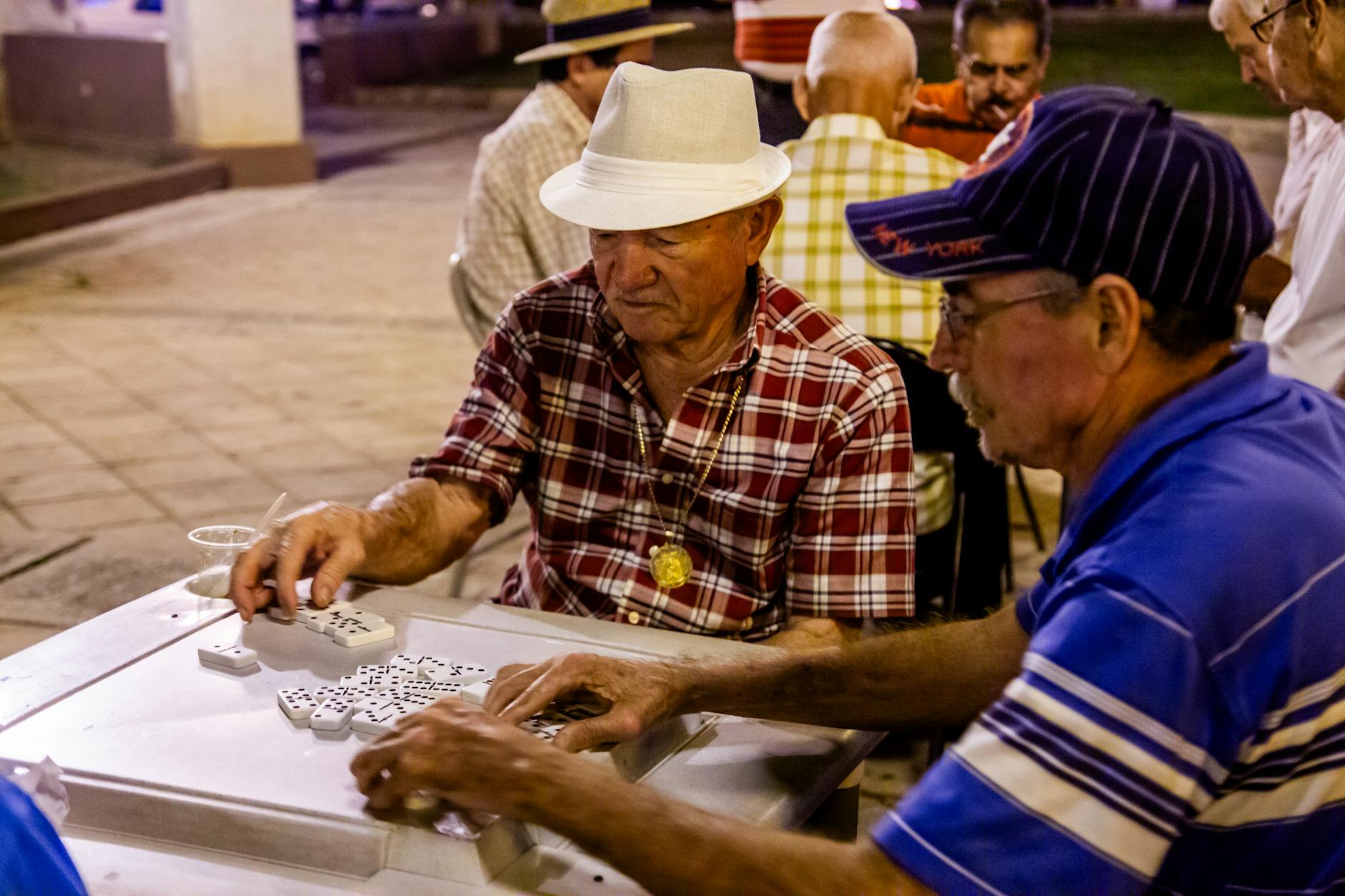
Máximo Gómez Park — universally known as Domino Park — is where retired Cuban men gather under shaded pavilions to play dominoes every single day, amid a steady stream of politics, gossip, and competitive trash talk. You have to be 55 and hold a city permit to play, but anyone can watch, and it’s the most photographed corner of the neighborhood. Come in the morning when the regulars arrive (801 SW 15th Avenue, open daily 9am–6pm).
From there, walk the Calle Ocho Walk of Fame, where pink-marble stars set into the sidewalk between roughly SW 12th and SW 17th Avenues honor Hispanic icons — Celia Cruz was the first, immortalized in 1987. The art-deco Tower Theater (a 1926 cinema now run by Miami Dade College) screens Spanish-language and classic Cuban films, and its lobby hosts rotating, free-to-view art exhibits.
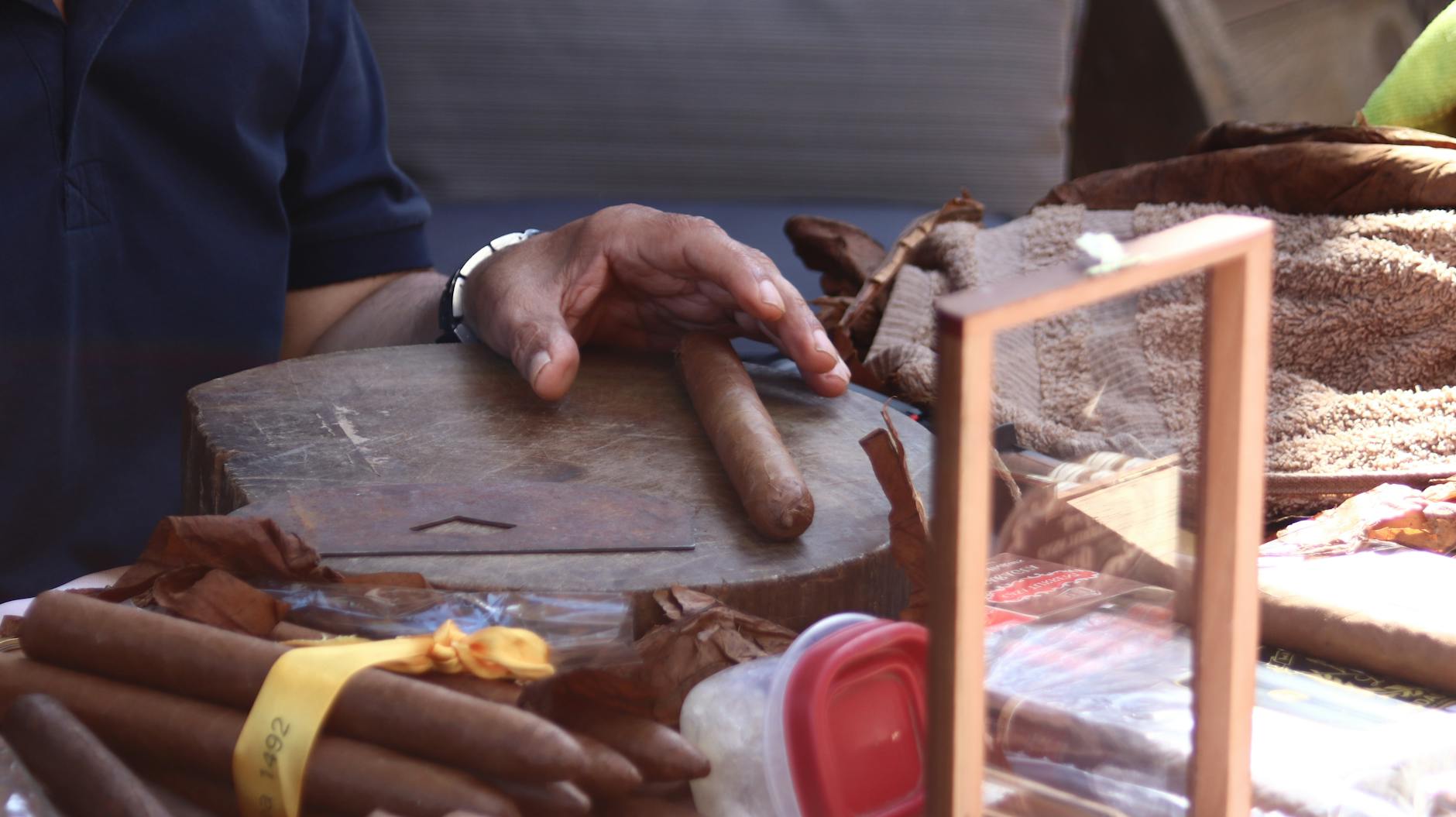
Watching cigars rolled by hand is a Calle Ocho rite. El Títan de Bronze (1071 SW 8th St) is the most respected shop on the strip — watch the master rollers work and buy a sampler. Cuba Tobacco Cigar Co. (1528 SW 8th St), run by the Bello family, offers hands-on rolling lessons for around $45 an hour, while the smaller, family-run El Cristo Cigars (1543 SW 8th St) is the spot for a one-on-one conversation.
Order a cortadito at any ventanita — the walk-up window every Cuban café keeps — for under $2.50, and pair it with a guava pastelito; it’s the most essential ritual in the neighborhood. Keep an eye out for the murals depicting Celia Cruz, José Martí, and Cuban patriots along the strip, and the sculptures of Cuban Memorial Boulevard at SW 13th Avenue, which honor Bay of Pigs veterans. To go deeper with context, Miami Culinary Tours runs the city’s most popular Little Havana food tour — 2.5 hours, six tasting stops, around $79, departing daily from 1543 SW 8th Street. End the day with live music: Ball & Chain (1513 SW 8th St) has hosted Cuban jazz and salsa most nights for decades, and the back patio under the pineapple-shaped fountain is the place to be. Entry is free most nights with a light cover (around $10) on weekends. If the dance floor calls, our salsa dancing guide covers lessons and the best Latin nights citywide.
Where to Eat
The icons come first. Versailles (3555 SW 8th St), family-owned since 1971, is the political and cultural anchor of the diaspora — go for the Cuban sandwich, café con leche, and ropa vieja, open until 2am. Its sister restaurant La Carreta (3632 SW 8th St) serves the same classics from the same family, and Sergio’s is the dependable 24/7 option for late-night cravings. For the full citywide picture, see our best Cuban food in Miami guide.
For something more modern, La Trova (971 SW 8th St) pairs James Beard–winning chef Michelle Bernstein’s elevated Cuban cooking with live music — book ahead for dinner. Old’s Havana Cuban Bar & Cocina (1442 SW 8th St) is a boutique room with excellent mojitos, and Doce Provisions (541 SW 12th Ave) does modern American with Cuban influences and a beloved brunch. Save room for sweets and quick bites: Azúcar Ice Cream (1503 SW 8th St) scoops tropical flavors like flan, mango, and passion fruit; El Pub (1548 SW 8th St) draws locals with $10 lunch specials; Los Pinareños Frutería (1334 SW 8th St) blends tropical-fruit batidos; and Vicky Bakery and Yisell Bakery (1800 SW 8th St) turn out pastelitos, croquetas, and Cuban bread to go.
Festivals and Annual Events
The neighborhood throws the biggest Latin party in the country. The Calle Ocho Festival each March is the largest Hispanic street festival in the U.S., drawing more than a million people for free, with major Latin acts across multiple stages. On the third Friday of every month, Viernes Culturales closes the strip for a free street party from 7 to 11pm with live music, art, and food vendors. The Three Kings Day Parade (January 6) and Cuban Independence Day (May 20) round out a calendar that keeps the neighborhood’s traditions visible all year.
Getting There and Where to Stay
Little Havana sits just west of downtown, so it’s an easy hop from almost anywhere in the city: roughly 25 minutes and $25–35 by rideshare from South Beach, 8 minutes and $10–15 from downtown (or the number 8 bus), and 15 minutes from Miami International Airport. If you’re driving, street parking on Calle Ocho is free on weekdays after 6pm and $1–2 an hour at the meters otherwise. The neighborhood itself has limited hotel inventory, but plenty of good bases sit within ten minutes — Brickell (EAST Miami, JW Marriott Marquis, Four Seasons), downtown (Kimpton EPIC, the Langford), and Coconut Grove (the Mayfair, Mr. C, the Ritz-Carlton). Our where to stay in Miami guide compares the areas in detail.
Best Time to Visit
December through April brings the cool, dry weather that makes walking the strip comfortable. Any Friday is lively — especially the third Friday for Viernes Culturales — and the rhythm of a visit is daytime atmosphere from about 11am to 3pm, then live music and dinner from 6pm on. Avoid summer afternoons, when the heat is punishing, and Sunday mornings, when many cigar shops and small museums stay closed.
A Half-Day Itinerary
Start around 10am with coffee and a pastelito at Vicky Bakery, then walk the Walk of Fame and stop at Domino Park to watch the games. Catch a cigar-rolling demo at El Títan de Bronze around 11:30, have lunch at Versailles or El Pub at 12:30, and spend the early afternoon at the Tower Theater and Cuban Memorial Boulevard. Cool off with a tropical-fruit batido at Los Pinareños and a scoop at Azúcar, and you’ve covered the essentials by 4pm — or stay on for dinner and the 8pm salsa show at Ball & Chain.
What to Buy
The signature souvenir is a sampler box of hand-rolled cigars (roughly $60–150 at El Títan de Bronze). Beyond that, look for Cuban coffee beans (Café Pilón or Bustelo at any market), a traditional guayabera shirt, a wooden dominoes set, salsa vinyl from street vendors at Viernes Culturales, Santería candles and figurines from the botánicas, and local Cuban rum.
Practical Tips
Spanish helps but isn’t required — most servers and shopkeepers speak English, and a few friendly words go a long way. Tip 18–20% as you would anywhere in the U.S., and carry a little cash for the ventanitas and street vendors even though most spots take cards. Wear comfortable shoes, since covering both sides of the strip adds up to well over a mile. Most of all, remember this is a real, working neighborhood where Cuban-American families live and run businesses — explore the side streets, but do it with respect.
Frequently Asked Questions
Is Little Havana safe for tourists?
Yes — during the day and into the evening, when restaurants and bars are busy, it’s generally safe and tourist-friendly. Use standard city precautions: don’t leave valuables in your car, stay aware of your surroundings, and use rideshare after dark.
How much time do you need?
A half-day (four to five hours) is enough to walk Calle Ocho, eat a meal, watch the dominoes, and tour a cigar shop. Add a food tour, dinner, and live music to make it a full day.
Is it walkable?
Very — the main stretch of Calle Ocho between SW 12th and SW 17th Avenues is flat, wide, and pedestrian-friendly, about a mile end to end.
What’s the best food in Little Havana?
Versailles for the iconic Cuban classics, La Trova for an upscale take, Azúcar for tropical ice cream, and any Calle Ocho ventanita for the perfect cortadito and pastelito.
When is the Calle Ocho Festival?
It takes place in March each year, usually mid-month. It’s free, draws over a million people, and features major Latin musicians across multiple stages along Calle Ocho.
loanDepot Park sits on the old Orange Bowl site right here, which makes this the only Miami neighborhood where you can eat a proper Cuban dinner and walk to a major-league ballgame. Our Miami sports guide has the ticket prices, the parking situation and why the Marlins are the best-value seat in the city.