Salsa Dancing Miami: Best Clubs, Lessons & Latin Nights for 2026
This article contains advertising. Our booking links are routed through a partner that adds commission tracking automatically, so if you book through one we earn a commission from the provider, at no extra cost to you. It never affects what we recommend. Affiliate disclosure
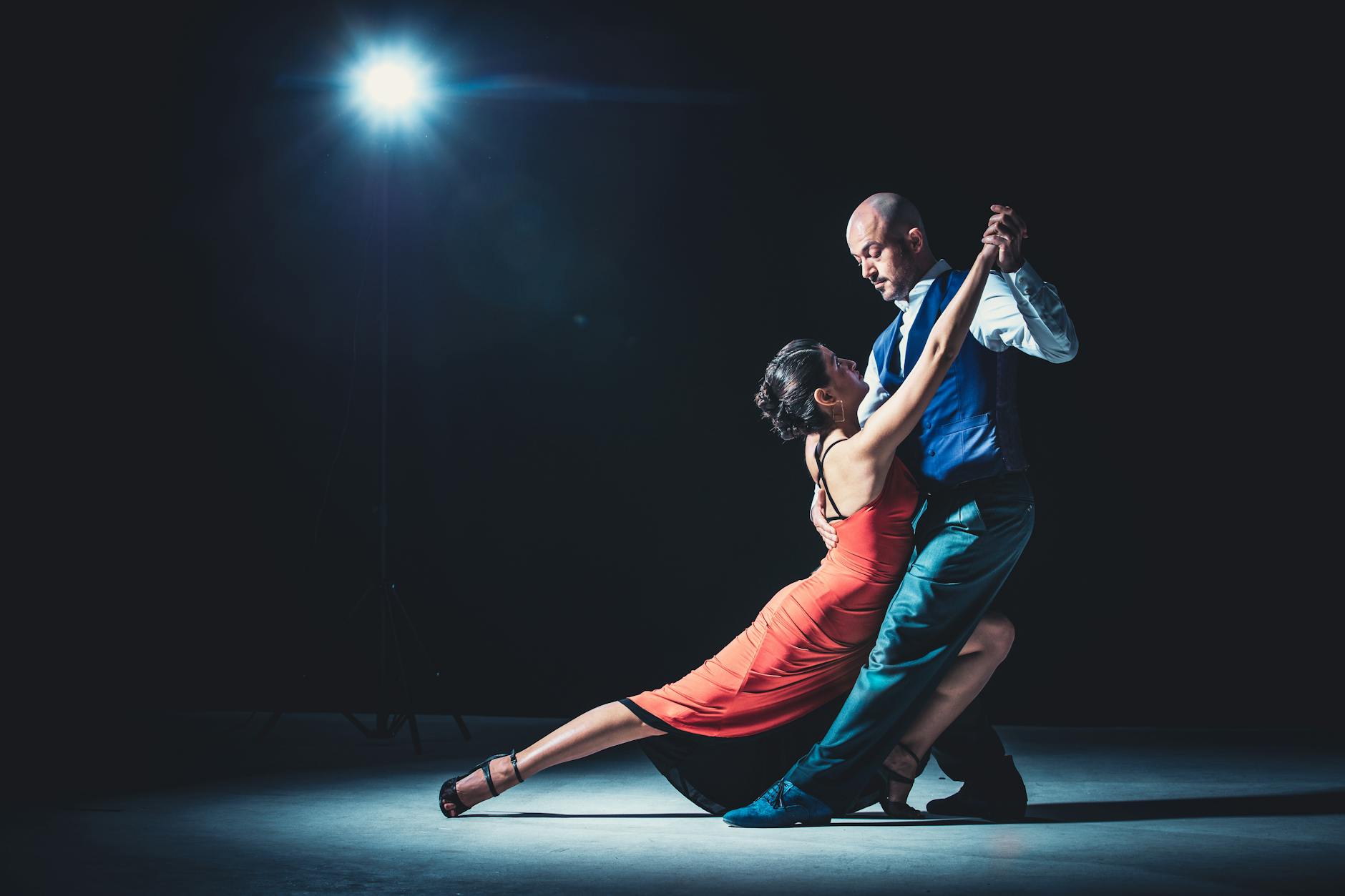
In Miami, salsa dancing is less a pastime than an inheritance. Home to the largest Cuban-American community in the country, the city has been North America’s salsa capital since the 1960s, when exiles arrived carrying their music and their dance floors with them. Live orchestras, world-class dancers, and rooms packed until the small hours have been part of the city’s rhythm ever since. Here’s how to join in — the clubs worth your night, where to take a first lesson, what to wear, and the unwritten rules of the floor. It’s one of the most rewarding corners of Miami’s nightlife, and most of it happens in Little Havana.
What Makes Miami Salsa Different
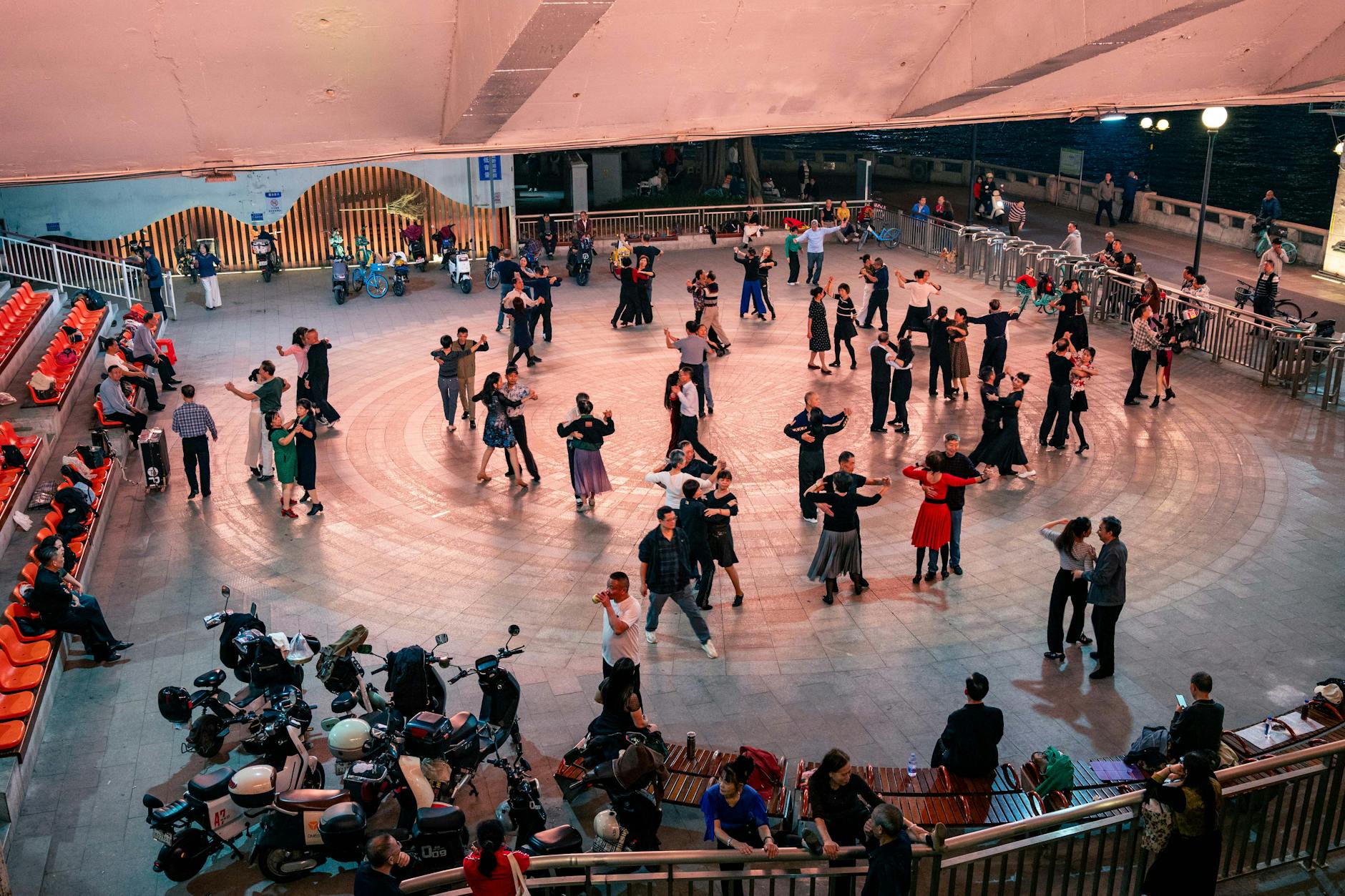
The local style is built around Cuban salsa, also called “casino” — which moves differently from the New York “on 2” style or the Cali-Colombian footwork. Cuban salsa favors circular movement, a strong partner connection, the group choreography of rueda de casino, and a constant back-and-forth with live timba bands. You’ll also find healthy communities for Puerto Rican on-2 salsa, bachata, and merengue. What ties it together is the mix on any given floor: absolute beginners and internationally competitive dancers, all out there at the same time. That openness is part of the city’s Cuban heritage, and it’s what makes the scene so easy to step into.
Little Havana: The Heart of the Scene

Ball & Chain
The single best introduction to the culture. A Calle Ocho fixture since 1935 — through several closures and rebirths — Ball & Chain runs live Latin bands seven nights a week, cycling through Cuban son, salsa, merengue, cha-cha, and bolero. The dance floor is small and cooled by lazy palm-leaf fans, and it welcomes every skill level; even committed non-dancers soak up the atmosphere over a mojito. Most weeknights are free to enter.
Hoy Como Ayer
“Today Like Yesterday” is the serious dancer’s room. Part of the Calle Ocho scene since 1999, it’s intimate and dimly lit, with acoustics that flatter the live orchestras playing Cuban timba and salsa on weekend nights. The crowd skews toward veteran competitors and working musicians, and the floor is smaller than Ball & Chain’s — which means it’s usually the experienced dancers who claim the space.
Cubaocho Museum & Performing Arts
Part museum of pre-Castro Cuban art, part bar, part live-music venue, Cubaocho programs salsa bands, Latin jam sessions, and visiting Cuban legends most nights. The floor is small but the energy never is, and a mojito and an aged-rum pour round out the evening.
Beyond Calle Ocho
Salsa Mia at Mango’s Tropical Café
The packaged tourist experience — and that’s not an insult. On Ocean Drive, Salsa Mia rolls a lesson, dinner, drinks, and a live show into one all-inclusive evening. For first-time visitors who want to actually try the dance without signing up for a multi-week class, it’s the easiest on-ramp there is.
Mayami Wynwood
The new-school floor. Mayami’s nights blend salsa, bachata, and reggaetón for a younger, modern crowd — more party than purist, but the energy is contagious. It pairs naturally with a night out in Wynwood’s clubs.
Brickell Salsa Nights
Several Brickell and downtown rooms run weekly salsa: Cuba Libre Restaurant & Rum Bar (Wednesday salsa), Café La Trova (Friday and Saturday Cuban music), and Toro Toro at the InterContinental (Latin Friday).
Café La Trova
Chef Michelle Bernstein’s Cuban restaurant doubles as one of the city’s best live-music rooms. Acclaimed bartender Julio Cabrera runs the bar, trova musicians play nightly, and the small dance floor comes alive after 10 p.m. on Friday and Saturday. Come hungry — it’s also a genuinely good entry in any Miami Cuban-food crawl.
Where to Take Beginner Lessons

If you’d rather learn a few steps before a night out, three options cover most visitors. Salsa Lovers Dance Studio, with locations in Doral and Miami Beach, offers drop-in beginner classes — no partner and no multi-week commitment required, which makes it the most tourist-friendly of the bunch. Salsa Kings, one of the city’s premier studios, runs group classes, private lessons, and Casino-style (Cuban) instruction, plus regular social nights at the studio. And many clubs fold in a free 30-minute beginner lesson before the social dancing starts: Ball & Chain occasionally on weeknights, with beginner sets also turning up at Bongos Cuban Café and Café La Trova. Arrive around 8 or 9 p.m. to catch the lesson before the floor fills.
What to Wear
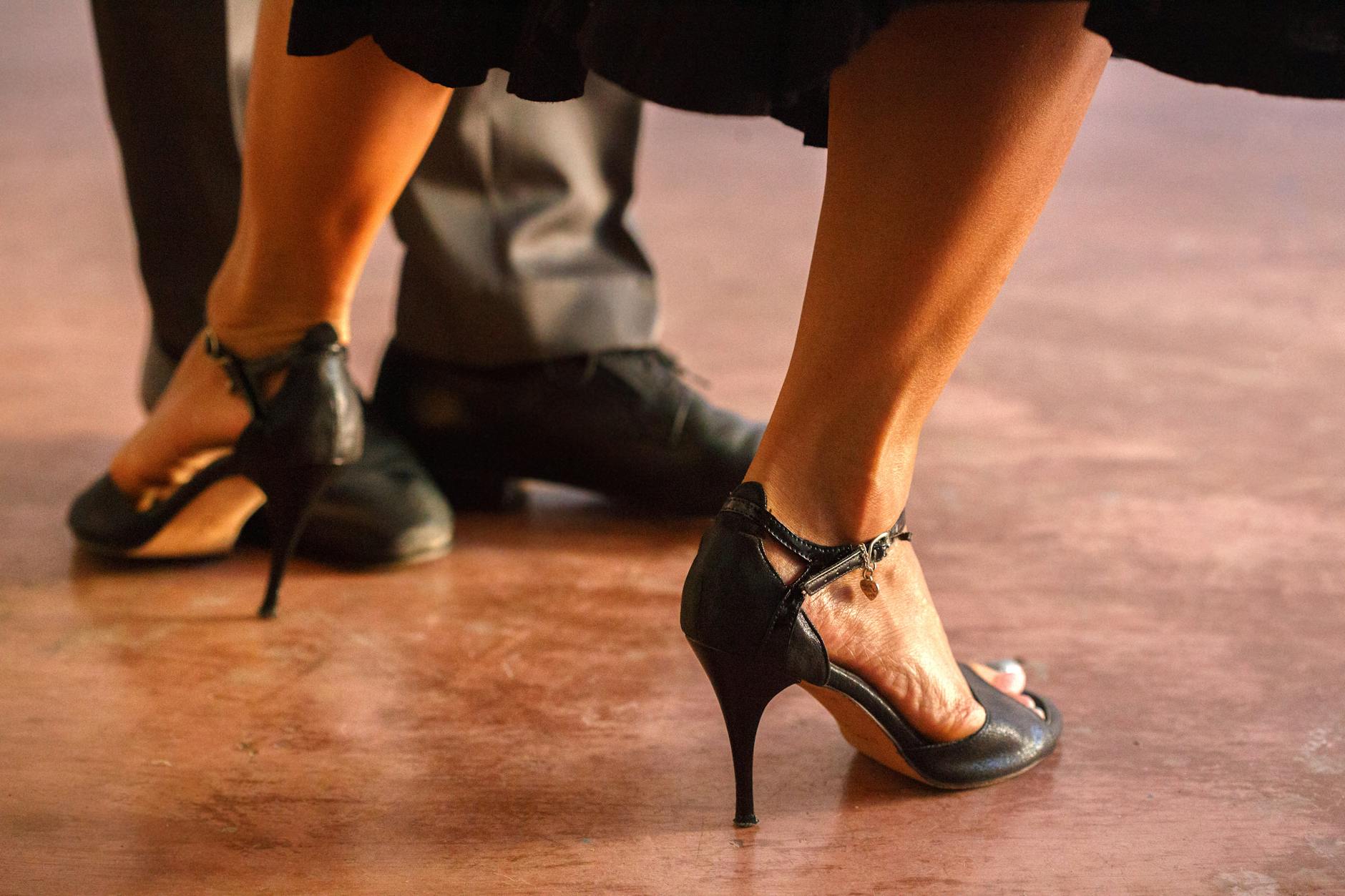
Women tend to favor a flowy dress or skirt that moves with a spin, usually paired with comfortable two-to-three-inch heels — though dance sneakers or flats are perfectly fine for beginners. Skip anything floor-length that can drag. Men do well in a guayabera or button-up with dark trousers and leather-soled dress shoes, which slide cleanly through turns; avoid sneakers, since rubber grips the floor and kills your spins. One more local habit worth copying: tuck a small towel in your bag, and consider a spare shirt — Miami salsa nights get hot fast, and the regulars change after the first hour.
Dance-Floor Etiquette
The social rules are simple and forgiving. Anyone can ask anyone to dance, and saying yes is the norm when you’re free; a friendly “later, gracias” is a perfectly acceptable pass. A partnership lasts one song — three to five minutes — after which you thank your partner and either continue or move on. Leaders (traditionally men) set the patterns and should match them to the follower’s level, so don’t throw advanced spins at a first-timer. Go easy on the drinks, since salsa runs on balance and connection — two is plenty for a session. And when the floor gets crowded and you clip someone, a quick “lo siento” and a smile is all it takes.
The Best Nights of the Week

The week has a rhythm of its own. Wednesday belongs to Cuba Libre’s downtown salsa night; Thursday is a more relaxed turn at Hoy Como Ayer. Friday is Ball & Chain at its packed, live-band best. Saturday is the big one — Hoy Como Ayer at full energy, plus Café La Trova and Mayami. And Sunday eases into Cubaocho’s afternoon-into-evening live music. Most rooms run until about 2 a.m. on weekdays and 3 or 4 a.m. on weekends, so there’s no rush.
If You’d Rather Watch
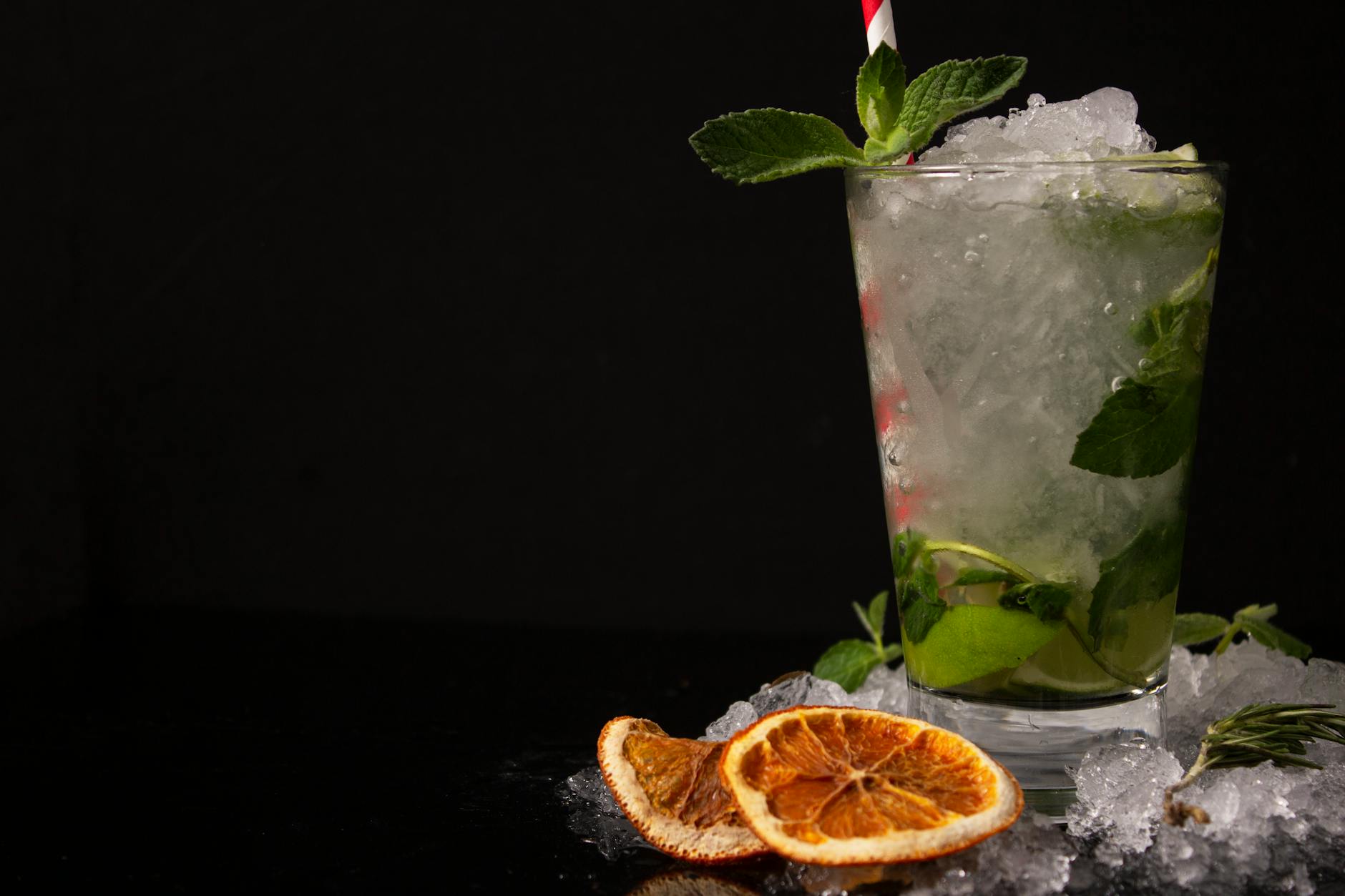
You don’t have to dance to enjoy any of this. Every venue above welcomes spectators — order a mojito or daiquiri, find a spot near the floor, and watch the experts work. Ball & Chain’s outdoor courtyard is ideal for taking it in without the heat of the indoor room. And once a year, the Calle Ocho Festival in March turns Little Havana into a free, all-day showcase of Cuban music and dance.
Plan Your Miami Nightlife
Salsa is just one window into the city’s Latin nightlife. When you’re ready to pair it with a cocktail-focused evening, our roundup of the city’s best bars is a good next stop.
For the most current weekly salsa calendar across all Miami venues, check DanceUs.org’s Miami Salsa Calendar.