With 35 miles of coastline, Biscayne Bay protected lagoons, an offshore reef, and steady ocean breezes, water sports in Miami are basically a 365-day-a-year industry. Whether you want a thrill-ride jet ski tour past celebrity homes, a quiet kayak through mangroves, a parasail ride 600 feet over the ocean, or a beginner kiteboard lesson, this guide tells you where to go, who to book with, what it costs, and how to do it without getting ripped off.
Water Sports in Miami at a Glance
Miami’s water-sport scene splits between two zones:
- Biscayne Bay — The protected lagoon between the mainland and Miami Beach. Calm, shallow, perfect for beginners. Most rentals operate from Sea Isle Marina, Miami Marine Stadium, Hobie Island, Crandon Marina, and Pelican Harbor.
- The Atlantic Ocean — Wider water, bigger swells, better for surfing, parasailing, deep-sea diving, and offshore fishing. Outfitters cluster at Haulover Marina, Miami Beach Marina, and Watson Island.
The biggest one-stop water-sports operators are Miami Watersports (Coconut Grove), Miami On The Water (Bayside), and Boucher Brothers (oceanfront on South Beach). All offer combo packages, which usually save 15–25% versus booking activities individually.
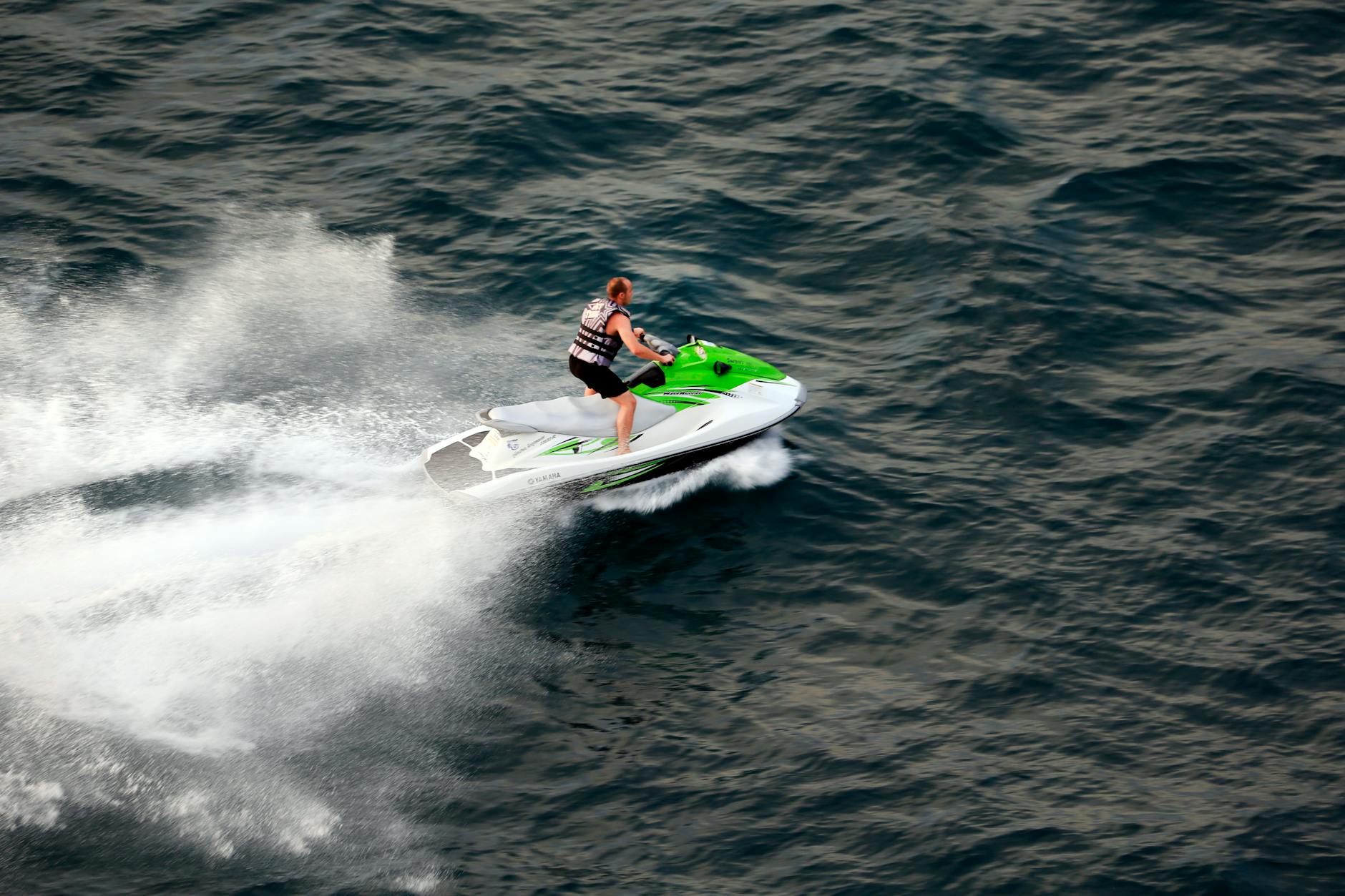
Jet Skiing in Miami
Jet skiing is the city’s signature water sport. The classic experience is a 1-hour guided tour of Biscayne Bay that loops past Star Island (the celebrity-mansion strip), the downtown skyline, and the Venetian Islands.
- Cost: $135–195 for a 1-hour single-rider tour; $165–225 for two riders on the same ski. Solo rides usually require a Florida boating safety card (you can take the free 30-minute online course onsite).
- Best operators: Miami Watersports (Coconut Grove), Boucher Brothers (South Beach), American Watersports (Haulover).
- Speed limits: Coast Guard cap is 15 mph in marina zones; open bay allows full throttle (50–60 mph).
- Age: Drivers must be 18+ with a valid ID. Riders age 5+ allowed as passengers with a vest.
- Insider tip: Book the 9am or 10am tour — water is glassy, light is gorgeous for photos, and you’ll beat the afternoon chop.
Parasailing
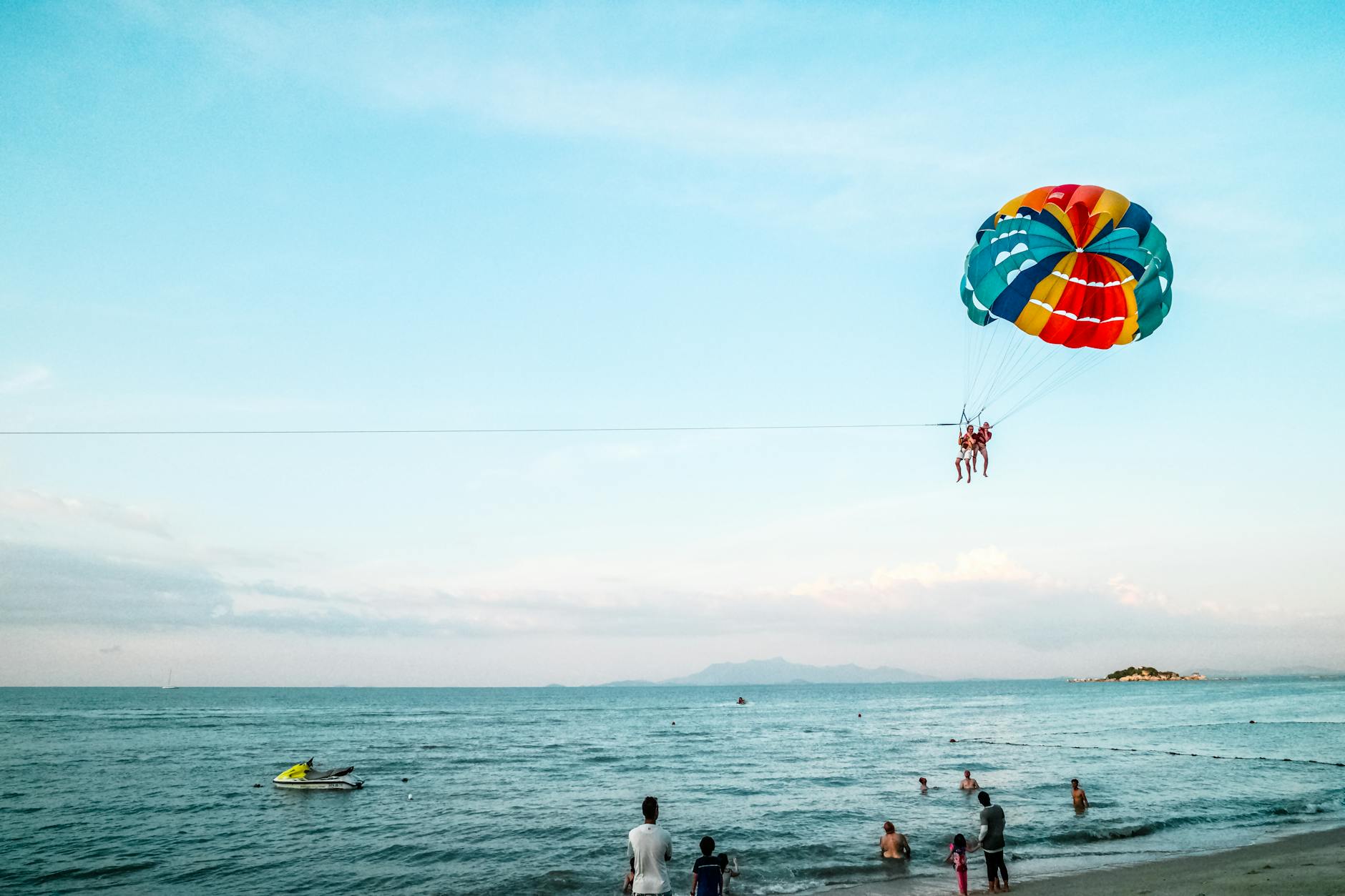
Parasailing is the easiest “epic” water sport in Miami — you sit in a strapped harness while a boat tows you 400–800 feet into the air over the Atlantic. The boat lifts and lowers you smoothly; even nervous flyers handle it well.
- Cost: $80–110 per person for a tandem 8–12-minute flight; $140 single-flyer. Family of three packages run ~$240.
- Best launch points: Miami Beach Marina (5th Street), Haulover Marina, Bayside.
- Time aloft: 8–12 minutes is standard; some operators offer “high-flyer” packages with 1,200-foot lines for ~$30 more.
- Weight rules: Minimum 130 lbs for solo flights; tandem 220–375 lbs combined is standard. Check before booking.
- Heads up: A windy day can ground flights — confirm the morning of, and book your first day of the trip so you can reschedule if needed.
Kayaking & Stand-Up Paddleboarding (SUP)
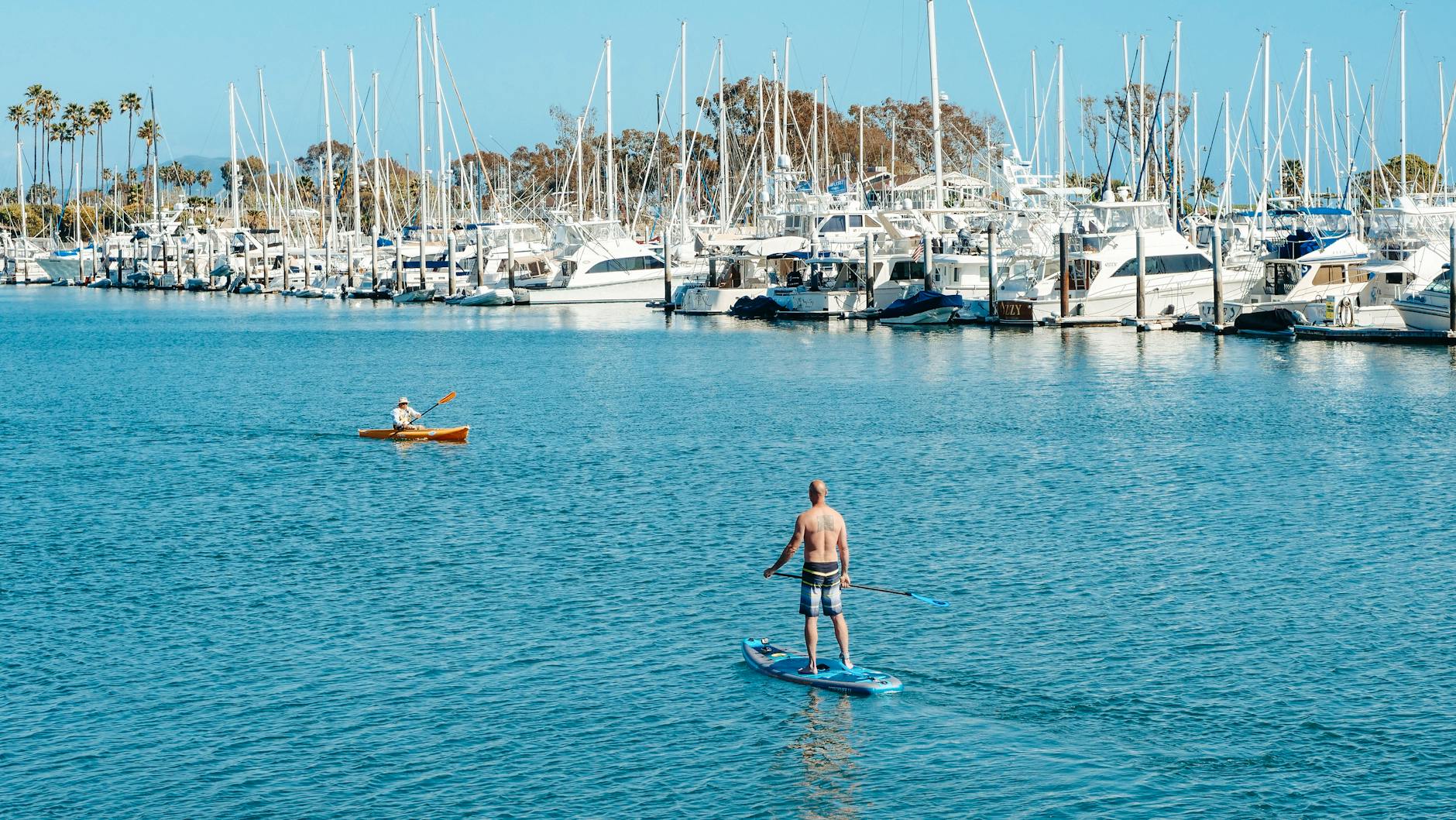
For low-stress, all-ages water adventure, kayaks and SUPs win — flat water is the default condition in Miami’s bays.
Best Places to Kayak in Miami
- Oleta River State Park (North Miami) — Florida’s largest urban park, with mangrove tunnels and a calm, flat river. Rentals on-site from BG Oleta River Outdoor Center: $25/hour single kayak, $35/hour tandem, $35/hour SUP.
- Bill Baggs / No Name Harbor (Key Biscayne) — Launch from the lagoon at the south end of the park; paddle 90 minutes around the lighthouse point.
- Matheson Hammock Park (Coral Gables) — Mangrove maze and atoll pool; kid-friendly, very calm.
- Coconut Grove (Dinner Key) — Skyline-view paddle past Vizcaya; rentals at SCKM Surf Club, ~$30/hour.
- BK Adventure (North Miami) — Bioluminescent night kayak tours during summer months; $60+ per person.
SUP Tips
SUP is more wind-sensitive than kayaking — go in the morning before the afternoon breeze picks up. Beginners should always paddle parallel to shore, not directly out, in case they tire and need to drift back.
Snorkeling in Miami
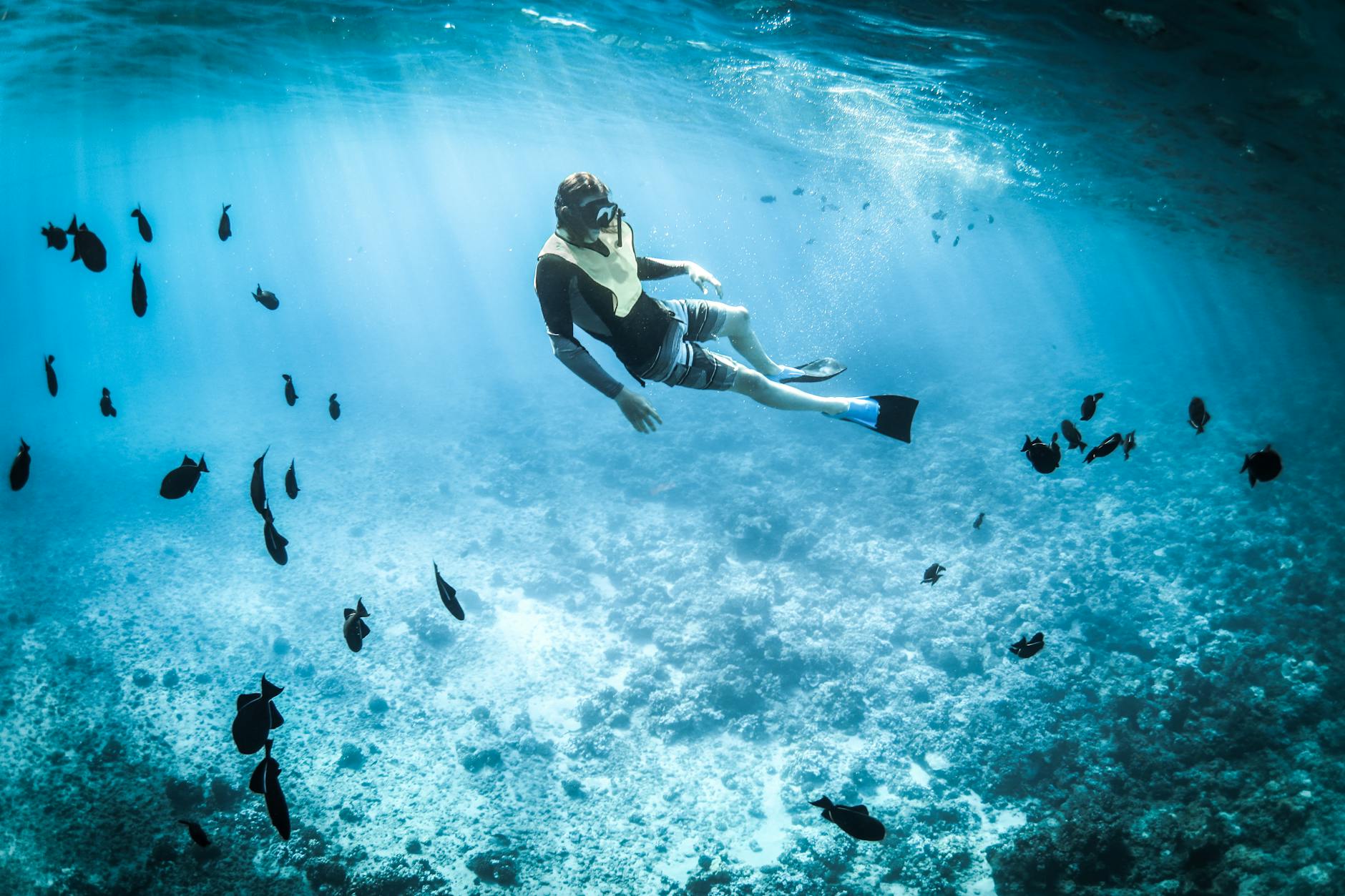
The best snorkeling near Miami is at Biscayne National Park, a 173,000-acre underwater park 45 minutes south of Miami at Convoy Point. The shallow reef holds 600+ fish species, four shipwrecks on the Maritime Heritage Trail, and seagrass meadows full of conch and rays.
- Biscayne National Park Institute — Half-day snorkel tours (~$89) include boat ride, gear, and ranger-led narration. The boat goes deeper into the reef than you can reach on your own.
- Crandon Park Beach — From-shore snorkeling is decent at the south end, where rocks form a reef-edge habitat for sergeant majors and parrotfish.
- Key Biscayne (Bill Baggs) — Snorkel the seagrass beds for manatees and small rays.
- Looe Key (drive 2 hours to Lower Keys) — One of the best reef snorkeling sites in North America, easily reachable as a day trip.
Scuba Diving
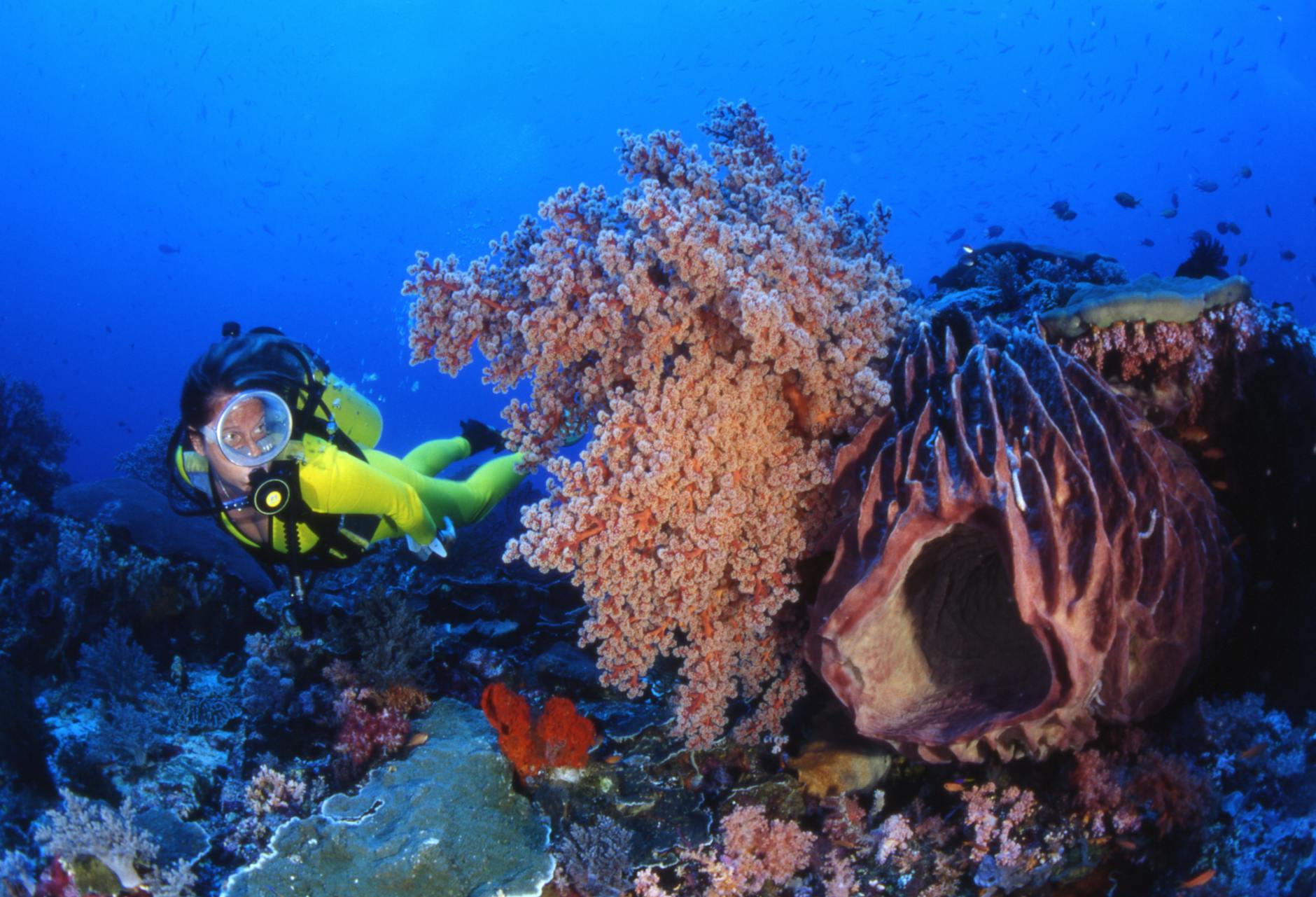
Miami’s offshore reef is part of the Florida Reef Tract — the third-largest barrier reef in the world. Wrecks line the bottom in 60–90 feet of water, and dive shops can have certified divers in the water 30 minutes after leaving the dock.
- Neptune Memorial Reef — A 16-acre underwater “city” 3.5 miles offshore from Miami Beach, doubling as a memorial. 40–50 ft depth, easy dive.
- Emerald Reef — A natural reef off Key Biscayne; coral formations, gobies, parrotfish, occasional nurse sharks.
- Wrecks: The Almirante (240-foot freighter), the Tanker, and the Amaryllis are all accessible Open Water-certified dives at 70–90 feet.
- Operators: South Beach Divers (rated #1 on TripAdvisor), Diver’s Paradise of Key Biscayne, Tarpoon Skin Diving Center, RJ Diving.
- Cost: $130–170 for a two-tank boat dive with all gear. Open Water certification courses run $450–550 over 3 days.
Kitesurfing & Windsurfing
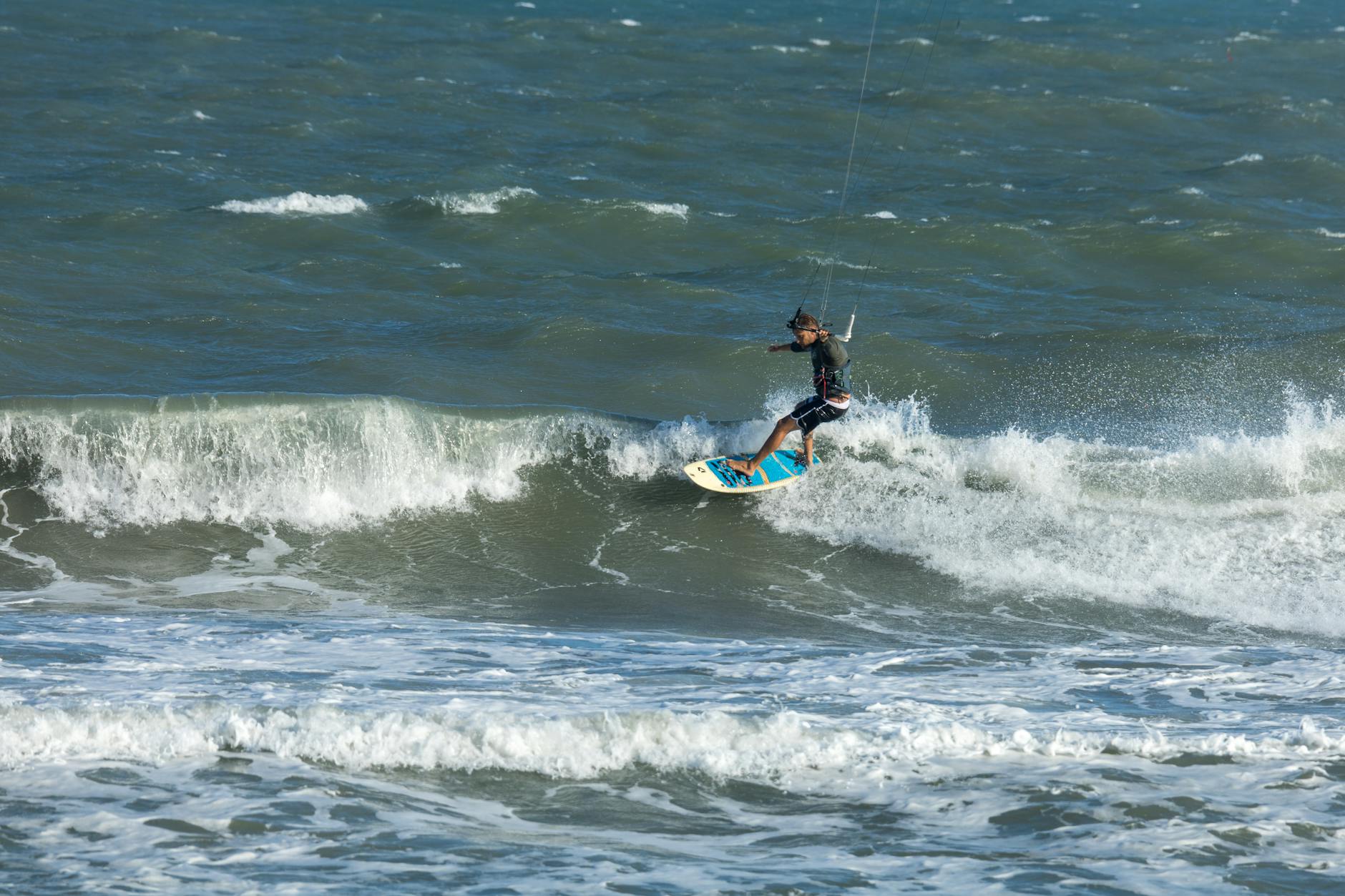
Miami’s combination of warm water, shallow flats, and steady east-trade winds 12–18 knots most of the year makes it a top U.S. kitesurfing destination — especially November through April.
- Crandon Park Beach (Key Biscayne) — The launch point for most lessons; long, shallow flat water and a sandy bottom.
- Hobie Island Beach (a.k.a. Windsurfer Beach) — Bayside, even shallower, ideal for beginners and dog-friendly to boot.
- Matheson Hammock — Less crowded; great for intermediates.
- Operators: Miami Kiteboarding (private 1-on-1 lessons $150/hour, full beginner package 9 hours $1,295), Adventure Sports Miami, Kite House.
- Lessons take 9–12 hours across 3 days for most students to ride independently.
Sailing & Yacht Charters
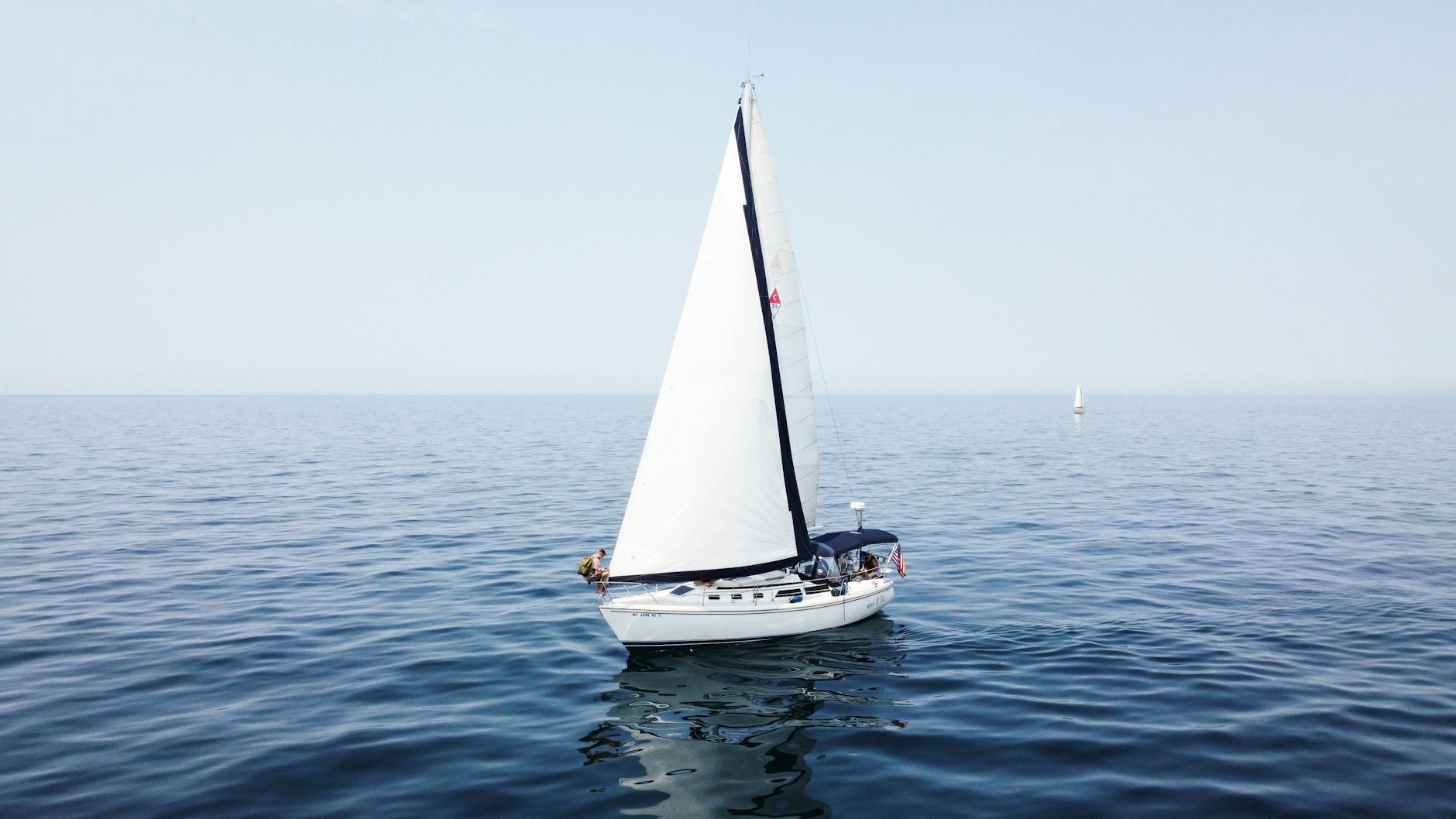
- Sunset cruise on a sailing catamaran: $65–95/person, 2 hours, drinks included. Best for couples.
- Half-day skippered sailboat charter: $700–1,200 for up to 6 guests; bring your own snacks. Try Miami Sailing.
- Private yacht charter: $300+/hour for a 50′ yacht; classic Miami flex. Book through GetMyBoat or Boatsetter.
- Sailing lessons: US Sailing-certified Basic Keelboat course, 16 hours over a weekend, ~$650.
For deeper coverage of cruises and tours, see our companion Miami boat tours guide.
Wakeboarding, Water Skiing & Tubing
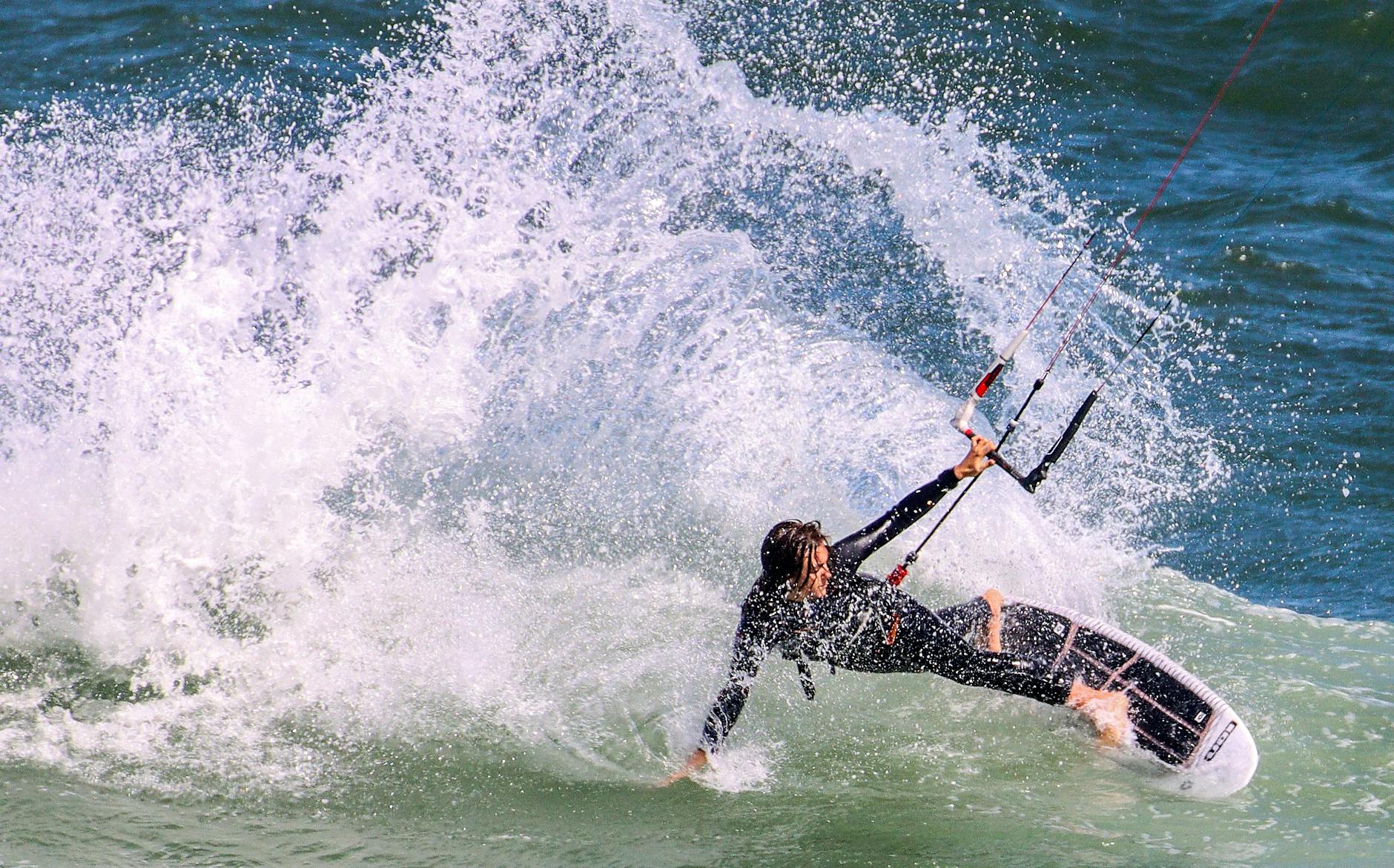
- Boucher Brothers Wakeboard: $400–550 for a 90-minute private boat session for up to 4 riders, including instructor and gear.
- Miami Watersports Tubing Package: $60–80 per person for 30 minutes of banana-boat or tube rides. Good for kids and groups.
- Cable Park (Quiet Waters Park, Deerfield): 45 minutes from Miami; $35 for a 1-hour cable session, no boat needed. Great for skill development.
Surfing in Miami
Miami isn’t a primary surf destination — the offshore reef breaks most waves before they reach shore. But during winter swells and pre-storm conditions, you can find ridable 2–4 foot waves at Haulover Beach (the only consistently surf-able spot in Miami-Dade) and South Beach south of the cut. Boards rent for $25–35/day at the Haulover Beach Park concession. For better waves, drive 80 minutes north to Sebastian Inlet or 35 minutes north to Pompano.
Flyboarding, Hoverboarding & eFoils
If you want the most viral-worthy water-sport photo of your trip, try flyboarding — water jets propel you 30 feet in the air. Miami Watersports runs 30-minute lessons for $189. eFoil (battery-powered hydrofoil board) lessons run $250–325 for 90 minutes; the learning curve is similar to surfing but with no waves needed. Operators: Lift Foils Miami, eFoil Miami.
Best Time of Year for Water Sports in Miami
- March–May: The best all-around season — warm water (75–80°F), low humidity, manageable winds, minimal rainfall.
- November–February: Coolest air (65–75°F), water 70–74°F. Best wind for kitesurfing, but you might want a 2mm wetsuit top.
- June–September: Hot, humid, and prone to afternoon thunderstorms — but mornings are perfect, and you’ll often have the water to yourself. Hurricane risk peaks August–September; check forecasts.
- October: Tail end of hurricane season; check forecasts but rates are excellent.
What to Bring
- Reef-safe sunscreen (SPF 50+): Required by Florida law on the reef; protects coral and your skin.
- Polarized sunglasses with a strap: Sun glare on water is intense; the strap saves a $200 pair.
- Swimwear with secure pockets or rash guard: Bikinis come off on jet skis at speed.
- Water-rated phone case (waterproof IP68): Essential for selfie videos and not crying.
- Quick-dry towel and change of clothes: Dock parking lots are usually exposed to the sun.
- ID and credit card: Most operators put a $250–500 hold pre-rental.
How to Book — and Avoid Getting Ripped Off
- Book direct when you can — operator websites are usually 5–10% cheaper than Viator/GetYourGuide and offer free cancellation up to 24 hours.
- Avoid Ocean Drive sidewalk hustlers selling jet ski deals — many “discount” tickets channel you to small marinas with old, poorly-maintained skis. Check Yelp/Google reviews before paying.
- Verify what’s included: Some advertised “$95 jet ski” rates exclude fuel ($25–40 per ski) and gratuity (often added at 18%).
- Combo packages (e.g., parasail + jet ski) typically save 15–25%; ask if a combo applies.
- Group bookings: 4+ people usually get 10% off, sometimes more.
- Insurance: Most operators bundle damage waiver into the price; if not, ask before signing.
Safety, Rules & Local Etiquette
- U.S. Coast Guard rules: Life jackets are mandatory for all watersports; operators provide.
- Boating license: Florida requires a Boating Safety Education ID for anyone born after 1988 driving a powered vessel. The free 30-minute online course suffices for solo jet ski rentals.
- BUI laws: Boating under the influence carries the same penalties as DUI ($1,000 fine + jail time).
- Manatee zones: Idle-speed in marked manatee zones (most of Biscayne Bay west of the Venetian Causeway). Manatees are protected; respect their space.
- Don’t anchor on coral: Use designated mooring buoys or sandy bottoms only.
- Marine wildlife: Dolphins, sea turtles, and rays cohabit Miami’s water. Do not feed, touch, or chase them.
Sample 1-Day Water Sports Itinerary
9am — Coffee at Lincoln Eatery, then Uber to Miami Beach Marina (5th Street). 9:30am — 1-hour jet ski tour past Star Island. 11am — Combo: 10-minute parasail flight from the same dock. 12:30pm — Lunch at Smith & Wollensky on the bay. 2pm — Drive to Hobie Island Beach for a 90-minute SUP rental, no instruction needed. 5pm — Sunset sailing catamaran from Bayside ($75/person). 8pm — Dinner at Garcia’s Seafood Grille on the Miami River.
Frequently Asked Questions
Do I need a license to drive a jet ski in Miami?
If you were born after January 1, 1988, you need a free Florida Boating Safety Education ID — completable in about 30 minutes online before you arrive. Anyone born before 1988 can rent without one. Drivers must be 18+; passengers can be any age (with a vest).
Where is the cheapest jet ski rental in Miami?
Mid-day weekday rentals from Haulover Marina or Pelican Harbor often start at $90/30 minutes — the city’s lowest. Add fuel ($25) and tax. Avoid Ocean Drive resellers; book direct from the marina.
Is parasailing safe?
Yes — commercial parasail operators in Miami are Coast Guard-licensed, with annual gear inspections. The biggest risks are weather (operators cancel in winds over 18 knots) and harness fit (always re-check before takeoff). Pregnant flyers and people with neck/back issues should sit out.
What’s the best Miami water sport for beginners?
Stand-up paddleboarding from Hobie Island Beach — calm shallow water, no wind exposure on a typical morning, and rentals come with a 5-minute crash course. Tandem parasailing is also very beginner-friendly.
Can I see dolphins on a Miami water-sports tour?
Yes. Bottlenose dolphins cohabit Biscayne Bay year-round, and most jet ski tours, parasail boats, and sailing cruises spot them at least once. Manatees are also frequent in the cooler months (November–March).
Are there water sports in Miami without a boat?
Plenty: kayaking (rentals at Oleta River, Crandon, Matheson Hammock), SUP (Hobie Island, Crandon), kitesurfing (Crandon), windsurfing (Hobie), surfing (Haulover), and snorkeling/scuba (shore entry at Crandon and Bill Baggs).
How much should I budget for a half-day of water sports?
For two people: ~$300–400 covers a 1-hour jet ski combo + parasail flight + lunch + tip. A more relaxed half-day of kayaking or snorkeling runs $150–200 for two.
Plan Your Miami Water Sports Day
Miami’s the rare city where you can jet ski past celebrity mansions in the morning, kayak through mangroves at noon, and parasail at sunset — all within 30 minutes of each other. Lock in popular tours 24–72 hours in advance, leave room in the schedule for weather, and don’t try to pack everything into a single day. For broader trip planning, see our best beaches in Miami and Miami fishing charters guides, and the Things to Do in Miami pillar for everything beyond the water.
More Water Sports Miami Resources
Water sports Miami means jet ski, parasail, snorkel, kayak, kitesurf, and sailing — all year round. Use the related guides below to combine water sports Miami activities with fishing trips and boat tours for a full week on the water.
For more on water sports miami from official sources, visit Biscayne National Park — official National Park Service site.