Where to Stay in Miami
Finding Your Perfect Miami Base
Choosing where to stay in Miami can make or break your trip. The city sprawls across dozens of distinct neighborhoods, each with its own personality, price range, and proximity to attractions. A beachfront hotel in South Beach delivers a completely different vacation than a boutique stay in Wynwood or a luxury high-rise in Brickell — and the right choice depends on what you want from your trip.
This guide breaks down Miami’s best areas for visitors, recommends standout hotels at every price point, and shares insider tips on timing, resort fees, and how to get the most value from your accommodation budget. Whether you are planning a romantic getaway, a family beach vacation, or an urban cultural exploration, understanding where to stay in Miami is the single most important decision you will make before you arrive. Below you will find detailed neighborhood profiles, month-by-month pricing insights, transportation breakdowns, and a practical booking checklist so you can plan with confidence.
South Beach — The Classic Miami Experience
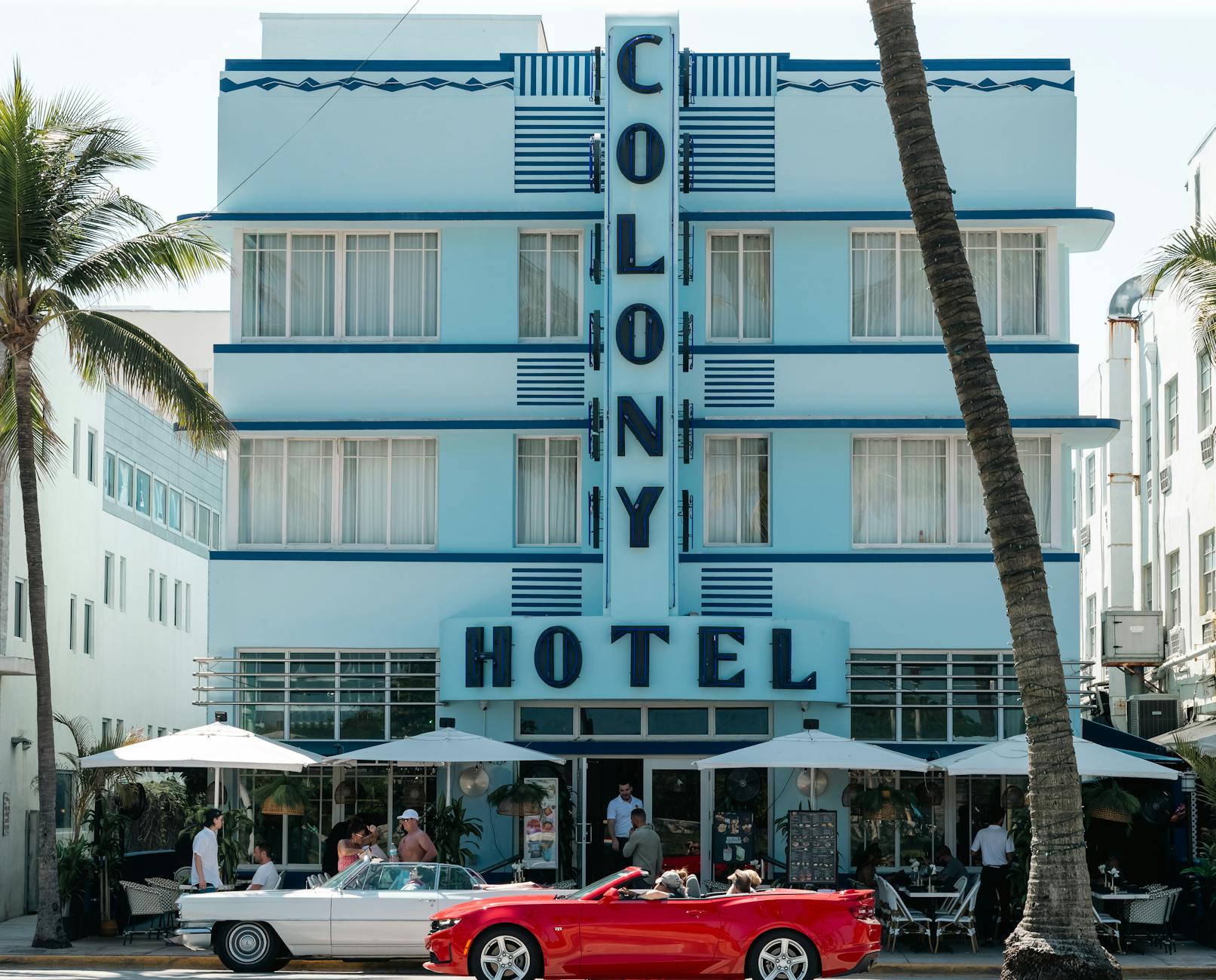
South Beach is where most first-time visitors stay, and for good reason. You are steps from iconic white-sand beaches, surrounded by the world’s largest collection of Art Deco architecture, and within walking distance of world-class restaurants, nightlife, and cultural attractions. The neighborhood stretches from South Pointe Park at the southern tip to roughly 23rd Street, with the densest concentration of hotels along Collins Avenue and Ocean Drive.
What Makes South Beach Special
The energy is unmatched. Ocean Drive buzzes day and night, Lincoln Road Mall offers pedestrian-friendly shopping and dining, and the beach itself is a vibrant social scene with iconic lifeguard towers and crystal-clear water. Cultural attractions include the Wolfsonian-FIU museum, the Art Deco Welcome Center, and the New World Center designed by Frank Gehry. For a deeper look at the neighborhood scene, explore our guide to Miami neighborhoods.
Best Hotels in South Beach
Luxury: The Faena Miami Beach is a theatrical masterpiece blending Art Deco glamour with South American warmth — expect gilded lobbies, Damien Hirst artwork, and a world-class restaurant by Francis Mallmann. Rates run $700–$1,200/night in peak season and drop to $400–$600 in summer. The stay includes beach service, pool access, and a stocked minibar on arrival. The Setai Miami Beach offers serene Asian-inspired luxury with three infinity pools and suites with floor-to-ceiling bay views; peak-season rates hover around $900–$1,500 and include access to a private beach area, daily breakfast at select suite levels, and complimentary green juice upon arrival. 1 Hotel South Beach leads the eco-luxury movement with reclaimed wood interiors, a rooftop pool, and a commitment to sustainability. Rates run $500–$900 in season, and the resort fee ($50/night) covers beach chairs, bikes, and Wi-Fi.
Mid-range: The Kimpton Surfcomber delivers a stylish boutique experience on Collins Avenue with an excellent pool scene and complimentary bikes. Expect to pay $250–$400 in peak season and $150–$250 during summer months. The rate includes a daily social hour with complimentary wine. The Betsy Hotel is a family-owned gem in the heart of the Art Deco district with a rooftop pool and genuine hospitality, averaging $280–$450 in high season. The Plymouth South Beach offers a quieter alternative with mid-century design and lush garden courtyards at $200–$350/night, making it one of the best value plays on the beach if you book early.
Budget: Freehand Miami is the city’s best budget option — part hostel, part boutique hotel — with the acclaimed Broken Shaker cocktail bar. Private rooms start at $120 in winter and dorms at $40–$60. Generator Miami brings European hostel sophistication to South Beach with private rooms starting around $100 in the off-season and climbing to $180 in January and February. Both properties include common-area Wi-Fi and social programming that makes them ideal for solo travelers.
South Beach Price Guide
Expect to pay $200–$500/night for mid-range hotels and $500–$1,500+ for luxury. Budget options run $80–$180. Important: almost all South Beach hotels charge a resort fee of $25–$50/night that is not included in the quoted room rate. Always factor this into your budget. Parking adds another $40–$75/night at most beachfront hotels, so consider whether you truly need a rental car while staying here.
Mid-Beach — Luxury Without the Chaos
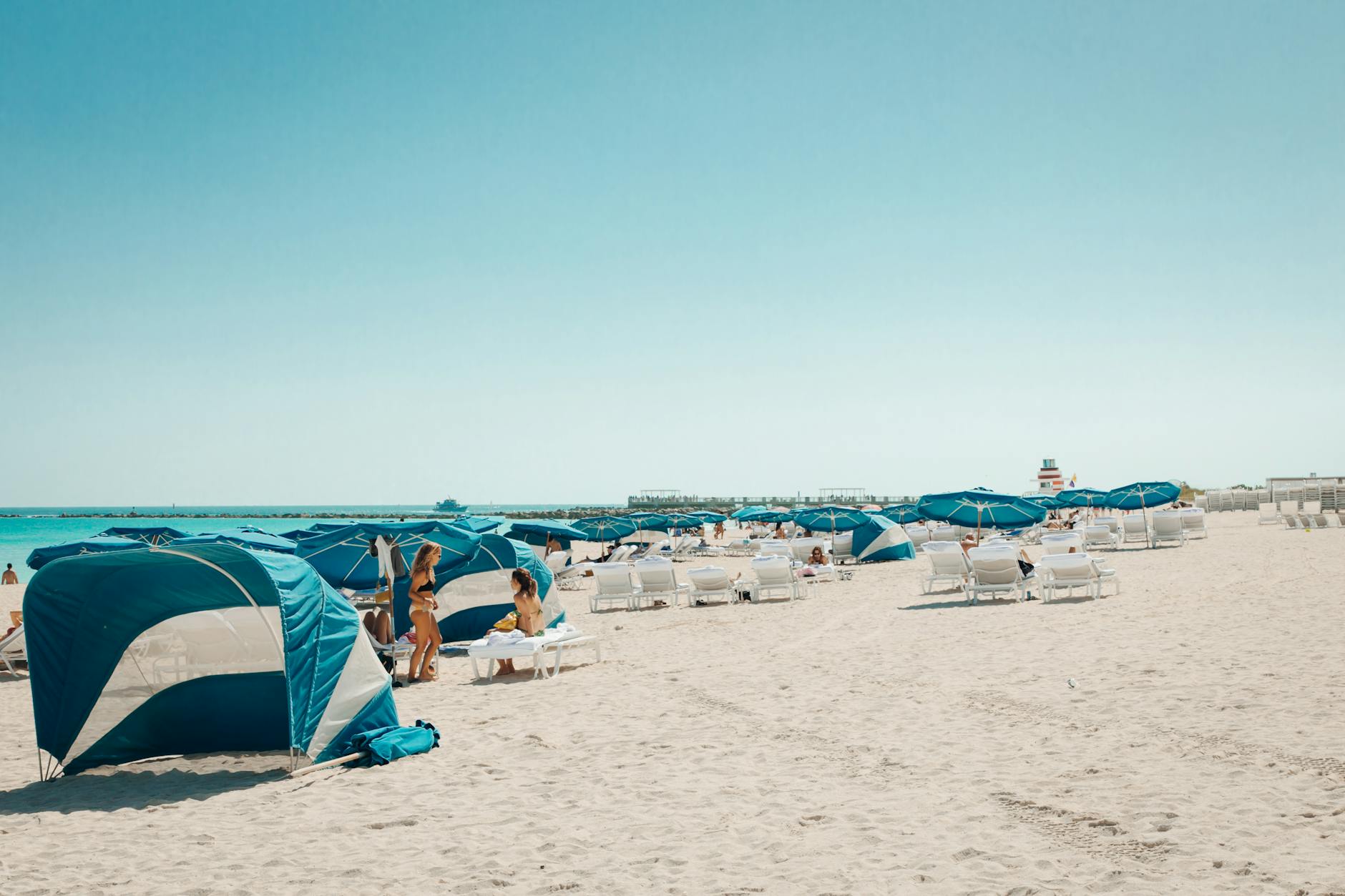
Mid-Beach (roughly 23rd to 63rd Streets) offers the best of both worlds: beachfront luxury and a calmer, more refined atmosphere than South Beach. This stretch is home to some of Miami’s most iconic resort hotels and has emerged as a serious dining destination in its own right.
Best Hotels in Mid-Beach
Luxury: The Fontainebleau Miami Beach is a legendary 1,504-room resort that has defined Miami glamour since 1954 — think enormous pools, celebrity-chef restaurants (including Hakkasan and LIV nightclub), and a sprawling spa. Peak-season rates run $450–$900/night, and the resort fee ($45/night) covers pool cabanas, beach service, and fitness center access. The Edition Miami Beach, a collaboration between Ian Schrager and Marriott, brings boutique sensibility to a beachfront setting with a basement bowling alley, ice rink, and nightclub. Rooms start at $500 in season and include access to the bowling alley and ice rink. The Faena sits at the border of Mid-Beach and South Beach.
Special reopening: The iconic Delano Miami Beach is set for a stunning rebirth in 2026, reimagined by Ennismore while honoring its legendary mid-century design heritage.
Mid-range: The Confidante Miami Beach (part of Hyatt’s Unbound Collection) occupies a beautifully restored 1940s building with two pools and a relaxed vibe. Rates average $220–$380/night in winter, dropping to $140–$220 in summer, with Hyatt points redemption available for loyalty members. Eden Roc Miami Beach offers historic resort glamour with more approachable pricing than the Fontainebleau, typically running $200–$450 depending on the season. Both include beach access and pool service.
North Beach and Surfside — The Quiet Alternative
For travelers who want a beach vacation without the South Beach energy, North Beach (above 63rd Street) and Surfside offer a more residential, family-friendly experience. The beaches are just as beautiful — and significantly less crowded.
Surfside has a charming small-town main street (Harding Avenue) with independent shops and excellent restaurants. The Surf Club, a Four Seasons Resort is the area’s crown jewel — a meticulously restored 1930s private club reimagined by architect Richard Meier, with Thomas Keller’s restaurant and a pristine private beach. Peak-season rates start at $800/night and include beach service, valet parking, and access to the Four Seasons spa. Even in this luxury bracket, the atmosphere feels intimate — there are fewer than 80 rooms.
North Beach offers significantly lower hotel rates than South Beach while still providing direct beach access. The Carillon Miami Wellness Resort caters to health-focused travelers with an extensive spa and fitness program; all-inclusive wellness packages start at $350/night and include classes, spa credits, and healthy meals. Budget travelers will find some of the best oceanfront deals here — independent motels and smaller hotels regularly post rates of $100–$180/night even in winter, making North Beach one of the smartest answers to where to stay in Miami on a budget.
Bal Harbour — Ultra-Luxury Beachfront
Bal Harbour is Miami’s most exclusive enclave, a tiny village where pristine beaches meet world-class shopping. If money is no object and you prefer understated elegance over South Beach energy, this is your spot.
The St. Regis Bal Harbour sets the standard with butler service, spacious suites, and direct access to both the beach and Bal Harbour Shops — one of the world’s most exclusive open-air shopping centers. The Ritz-Carlton Bal Harbour offers similarly polished luxury with a spectacular oceanfront pool deck. Expect to pay $600–$2,000+/night in season. Both properties include valet parking, beach setup with umbrellas and chairs, and access to heated pools. Off-season rates dip to $350–$700 — still premium, but a significant savings if you want the Bal Harbour experience without peak pricing.
Brickell — Miami’s Urban Center
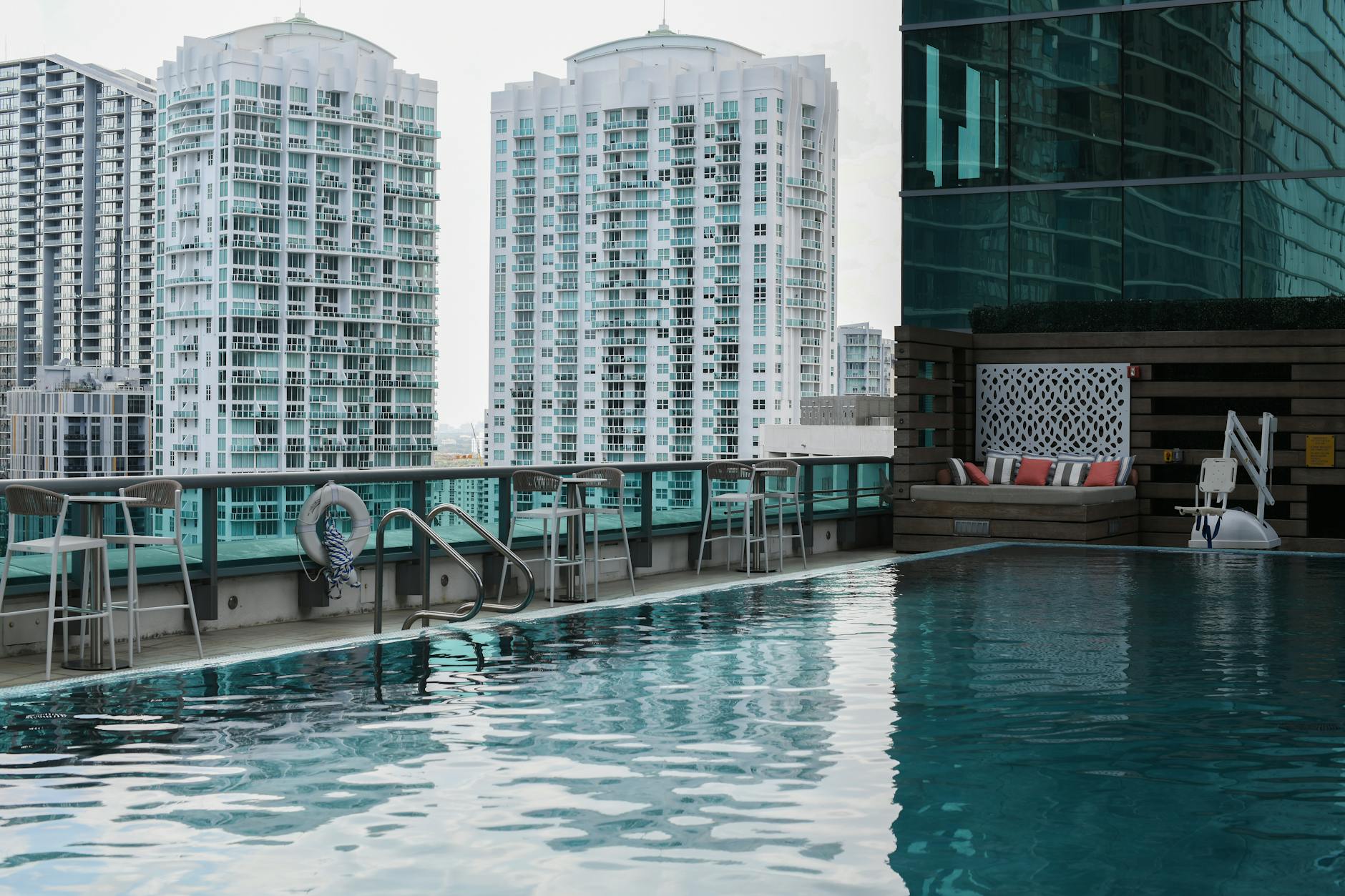
Brickell is the neighborhood of choice for travelers who prefer an urban, walkable experience over a beach-centric vacation. Miami’s financial district has transformed into a vibrant lifestyle destination with world-class dining, rooftop bars, and the massive Brickell City Centre shopping complex. For visitors exploring things to do in Miami beyond the beach, Brickell puts you at the center of the action.
Why Stay in Brickell
Hotels in Brickell average 30–40% less than South Beach for comparable quality. The free Metromover connects you to Downtown’s museums and cultural attractions, and you are a 15-minute rideshare from the beach. The neighborhood’s restaurant and bar scene rivals South Beach with less tourist markup. You will also save on parking — several Brickell hotels include it in the rate, and the walkable layout means you can go days without needing a car.
Best Hotels in Brickell
Luxury: EAST Miami at Brickell City Centre features the acclaimed Sugar rooftop bar with panoramic bay views and a sleek, Asian-inspired design aesthetic. Rates run $300–$550 in peak season and $180–$300 in summer, with the resort fee ($35/night) covering the pool, fitness center, and Wi-Fi. The Four Seasons Hotel Miami is a long-standing favorite for business and luxury travelers, with one of the best pools in the city and rates from $400–$800 in season.
Mid-range: Hotel AKA Brickell brings design-forward Italian elegance following a recent refresh, with a rooftop pool and Michelin-starred chef David Myers’ ADRIFT Mare restaurant. Rooms average $200–$350 and include a complimentary morning coffee service. SLS Brickell offers Philippe Starck design and a lively atmosphere at $180–$320/night.
Budget: Hampton Inn & Suites by Hilton Miami Brickell Downtown and Yve Hotel provide reliable, affordable options with Metromover access. Expect to pay $130–$220/night, with rates occasionally dipping below $100 in September and October. Both include complimentary breakfast, which saves $20–$40 per person each morning.
Downtown Miami — Culture at Your Doorstep
Downtown puts you within walking distance of the Pérez Art Museum Miami, Frost Museum of Science, Adrienne Arsht Center, and Bayfront Park. It is the most connected neighborhood in Miami thanks to the Metromover, Metrorail, and Brightline high-speed rail to Fort Lauderdale and West Palm Beach. If you are interested in Miami’s arts and culture scene, Downtown is a natural home base.
The Gabriel Miami (Hilton Curio Collection) occupies a beautifully restored 1920s building with Art Deco details and a rooftop pool. Rates average $180–$320 in peak season and drop to $120–$200 in summer. InterContinental Miami offers waterfront views and direct access to Bayfront Park at $200–$400/night, with Brightline station a ten-minute walk away — a major convenience for day trips up the coast.
Coconut Grove — Tropical Bohemian Charm
Miami’s oldest neighborhood offers a leafy, laid-back alternative to the beach and urban areas. Coconut Grove is ideal for travelers who want proximity to Vizcaya Museum, the waterfront, and excellent dining without the noise of South Beach.
Mr. C Miami – Coconut Grove brings Italian sophistication to a bayfront setting with a marina, pool, and Bellini restaurant. Rates run $250–$450 in peak season and $150–$250 in summer, with complimentary boat shuttle service to nearby attractions on select days. The Ritz-Carlton Coconut Grove delivers polished luxury in a residential neighborhood setting at $350–$600/night, including access to a full-service spa and heated pool.
Coconut Grove also offers excellent vacation rental options. Two- and three-bedroom homes near the village center rent for $150–$300/night and work well for families who want a kitchen, yard, and neighborhood feel. The area’s walkability — with CocoWalk, waterfront parks, and farmers markets all within strolling distance — makes it one of the more underrated answers to where to stay in Miami for longer visits.
Coral Gables — Old-World Elegance
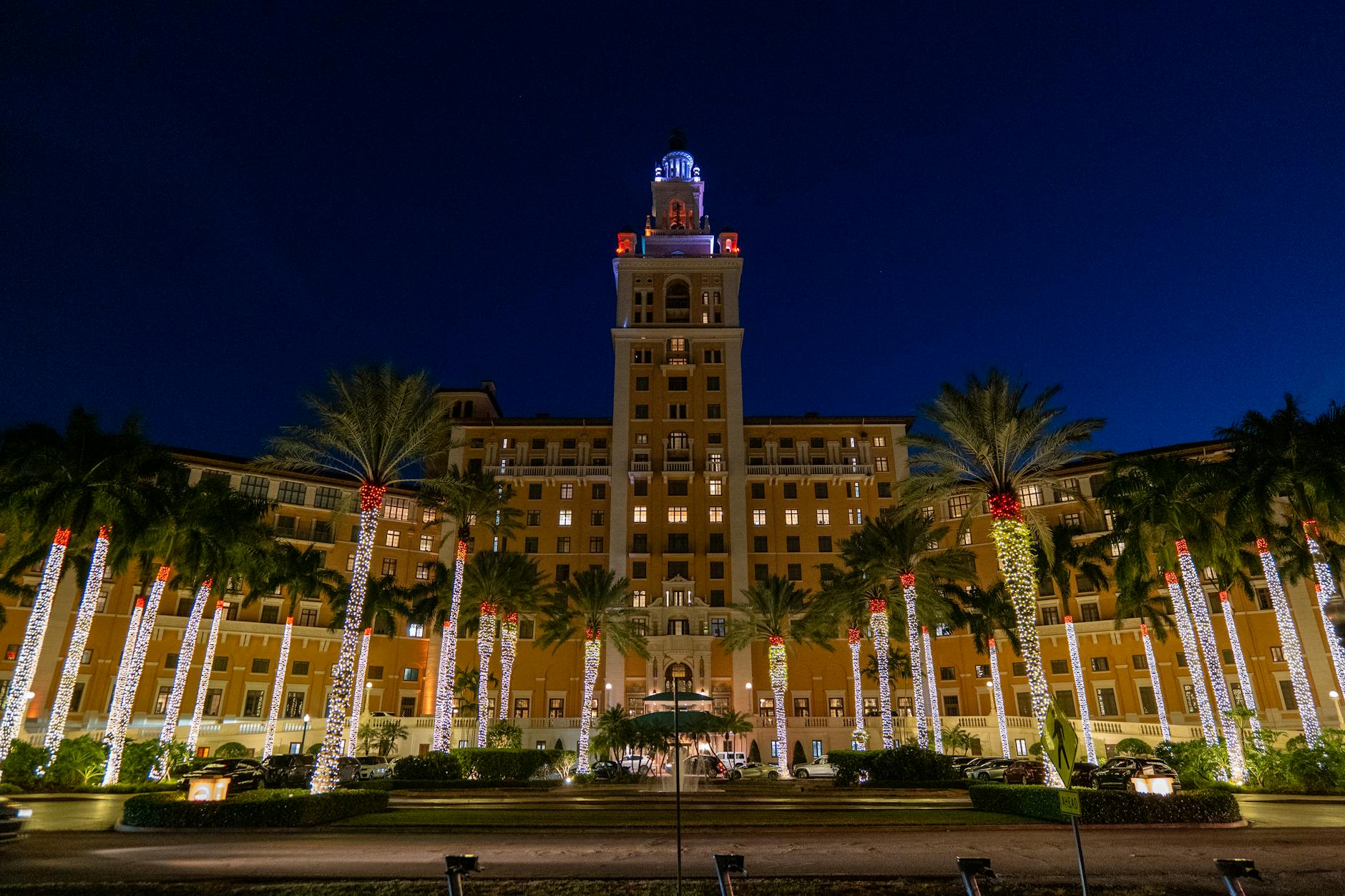
The City Beautiful is perfect for travelers who appreciate Mediterranean architecture, manicured boulevards, and a refined atmosphere. Coral Gables is slightly removed from the main tourist areas but offers easy access via the free trolley system and is only a 20-minute drive from South Beach.
The Biltmore Hotel (biltmorehotel.com) is one of the most iconic hotels in America. This 1926 National Historic Landmark features a 315-foot tower, the largest hotel pool in the continental U.S., a championship golf course, and Sunday brunch that is a Miami institution. Rates range from $350–$700 in peak season and $200–$400 in summer, with the resort fee covering pool access, fitness facilities, and Wi-Fi. Even if you do not stay here, visit for cocktails by the pool or a free Sunday tour.
For something more intimate, The Colonnade Hotel on Miracle Mile offers a historic boutique experience in the heart of Coral Gables’ shopping and dining district at a more accessible $160–$280/night. The Venetian Pool, the University of Miami campus, and dozens of independent restaurants along Giralda Plaza are all within walking distance.
Key Biscayne — Island Resort Living
Connected to the mainland by the Rickenbacker Causeway, Key Biscayne delivers a resort-island experience just 15 minutes from Downtown. The Ritz-Carlton Key Biscayne is the island’s premier resort, offering a private beach, excellent spa, tennis facilities, and a family-friendly atmosphere with calm, shallow waters. Peak-season rates run $500–$900/night and include beach setup, kids’ programs, and access to multiple pools. Summer rates drop to $300–$500, making it one of the more approachable luxury options during off-peak months.
Key Biscayne is ideal for families and outdoor enthusiasts who want to combine beach relaxation with nature activities at Crandon Park and Bill Baggs Cape Florida State Park. Note that there is a $2 toll each way on the causeway, and the island has limited dining compared to the mainland — the Ritz-Carlton’s restaurants fill the gap, but most visitors make at least a few trips across the bridge for dinner in Brickell or Coconut Grove.
Wynwood and the Design District — The Creative Stay
Wynwood has limited hotel options but is gaining ground as a place to stay for art-focused and experience-driven travelers. The neighborhood puts you in walking distance of street art, galleries, breweries, and some of Miami’s best restaurants. For a full overview of what the creative scene offers, see our Miami arts and culture guide.
The Arlo Wynwood is the neighborhood’s standout hotel, purpose-built for the creative district with art-inspired design, a rooftop pool with skyline views, and a ground-floor restaurant. Rates run $200–$380 in peak season and $130–$220 in summer. In the nearby Design District, upscale Airbnb options provide an alternative for visitors who want luxury within walking distance of ICA Miami and world-class dining. Two-bedroom apartments in the Design District rent for $180–$350/night and often include kitchen facilities and private parking — a significant perk in a city where parking fees add up fast.
The main trade-off with Wynwood is beach access. You are a 20-minute rideshare from South Beach, so this neighborhood works best for travelers who prioritize culture, food, and nightlife over sand and surf. Exploring the diverse neighborhoods of Miami is easy from here, as Wynwood sits centrally between the beach, Downtown, and Little Havana.
Little Havana — Budget Stays With Authentic Culture
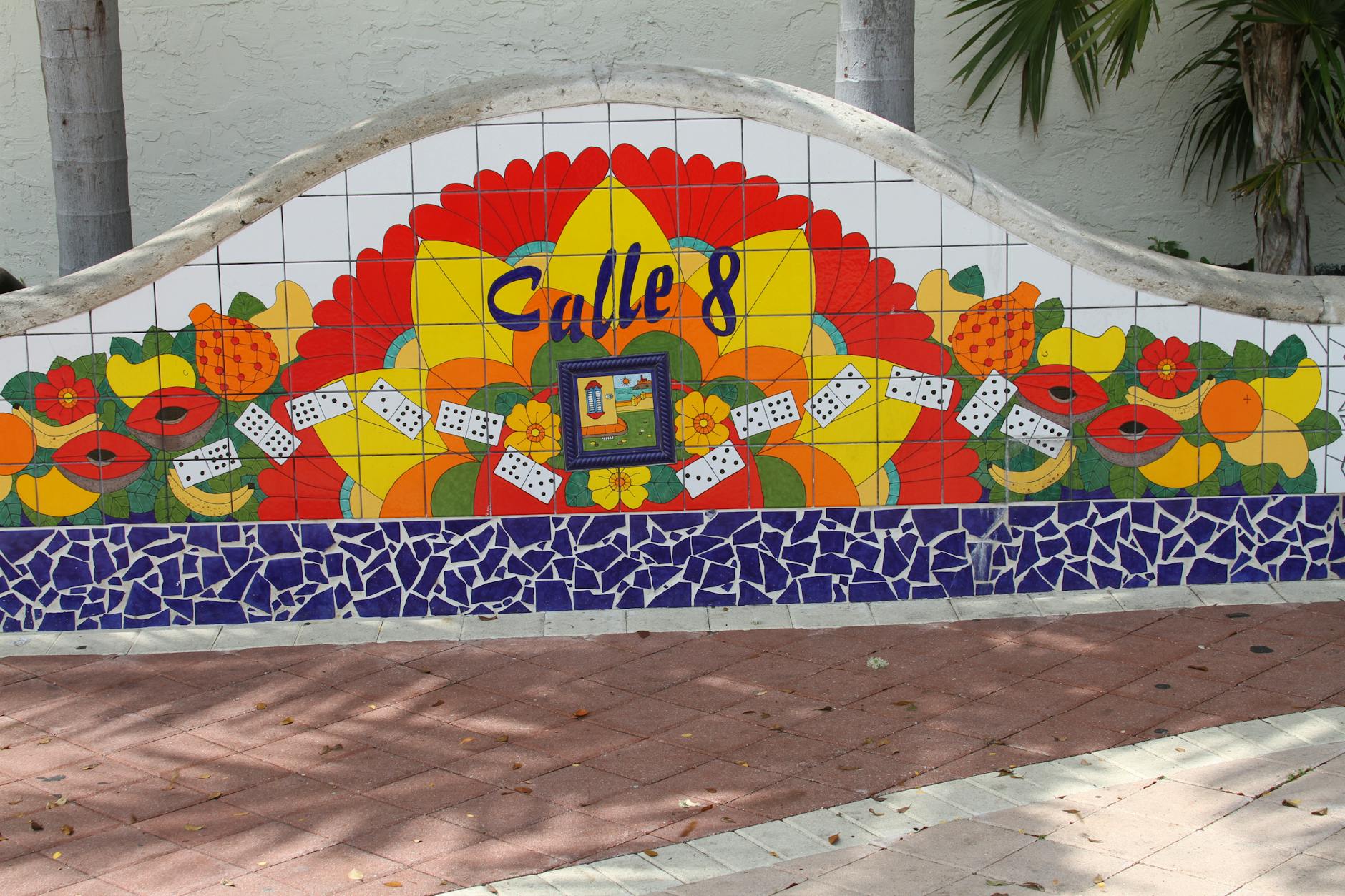
Little Havana is Miami’s cultural heartbeat, and it is rapidly emerging as one of the savviest places to book a room. The neighborhood centered on Calle Ocho (SW 8th Street) pulses with live salsa music, hand-rolled cigars, domino parks, and some of the best affordable food in South Florida. Staying here places you inside a living, breathing cultural experience rather than observing it from a tour bus.
Accommodation Options in Little Havana
Little Havana does not have large chain hotels, which is part of its charm. Instead, the accommodation scene leans toward vacation rentals, boutique guesthouses, and Airbnb properties. Entire apartments and casitas in the neighborhood rent for $80–$160/night year-round, with prices staying remarkably stable across seasons compared to the wild swings on Miami Beach. Many listings are colorful, character-filled homes owned by local families who take pride in sharing the neighborhood’s culture with guests.
For a more traditional hotel experience, several well-maintained budget hotels sit along SW 8th Street and the surrounding blocks. Expect clean, no-frills rooms for $70–$130/night. The Life House, Little Havana brings boutique-hotel polish to the neighborhood with curated interiors, a communal kitchen, and a courtyard designed for socializing. Rates run $140–$250 depending on the season, making it the area’s most stylish option.
Why Little Havana Works for Budget Travelers
Beyond low room rates, the cost of daily life in Little Havana is dramatically cheaper than the beach. A full Cuban breakfast with café con leche runs $5–$8. A lunch of ropa vieja or pan con lechón at a Calle Ocho ventanita costs $8–$12. Cocktails at Ball & Chain — one of Miami’s best live-music venues — are half the price of a South Beach hotel bar. You can eat, drink, and explore all day for what a single resort dinner would cost on the beach.
Little Havana is also just a ten-minute drive or rideshare from Brickell and Downtown, making it easy to access museums, performing arts, and the Metromover system. For travelers who want to understand the real Miami — not just the postcard version — this neighborhood delivers an experience that money cannot buy at a five-star resort.
Miami Springs and the Airport Area — Practical Stays for Travelers in Transit
Not every Miami trip starts or ends with a leisurely check-in. If you have an early-morning flight, a long layover, or simply want to save money on your first or last night, the area around Miami International Airport (MIA) and the adjacent town of Miami Springs offers practical, affordable accommodation.
Why Consider the Airport Area
MIA is located in western Miami-Dade County, roughly 30–45 minutes from South Beach depending on traffic. If your flight departs at 6 a.m. or arrives after midnight, spending a night near the airport eliminates a stressful, expensive late-night taxi ride across the city. It also saves you a full night’s rate at a pricier beachfront hotel you would barely use.
Best Options Near MIA
The Miami Airport Marriott and Hilton Miami Airport Blue Lagoon are the top full-service hotels in the area, both offering free airport shuttle service, pools, on-site restaurants, and soundproofed rooms. Rates run $140–$250/night in season and $100–$160 in summer. The Aloft Miami Airport provides a more modern, millennial-friendly design with a rooftop bar and rates starting at $120.
Miami Springs itself is a quiet, leafy residential town with a surprising amount of character. Small independent motels and hotels along Okeechobee Road offer rooms for $70–$120/night, and the town has several excellent, affordable restaurants frequented by locals. The Fairfield Inn & Suites Miami Airport West and TownePlace Suites offer reliable extended-stay options with kitchenettes for $90–$150/night.
Who Should Stay Here
This area works best for travelers who need a one-night stopover, are catching a cruise from PortMiami the next morning, or are visiting Miami on business near Doral or the airport corridor. It is not ideal for a full vacation — you will need a car or rideshare for everything — but as a strategic bookend to a longer trip, an airport-area night can save $100–$300 compared to an equivalent night on the beach.
When to Book and How to Save — Month-by-Month Pricing Guide
Miami hotel pricing varies dramatically by season, and understanding the month-by-month trends can save you hundreds of dollars. Here is a detailed breakdown of what to expect throughout the year when deciding where to stay in Miami and when to lock in your reservation.
January and February — Peak Season
This is the most expensive time to visit. Snowbirds from the Northeast and Midwest flood the city, and hotel rates across all neighborhoods hit their annual highs. A mid-range South Beach hotel that costs $200/night in September will run $400–$500 in January. Brickell and Downtown hotels climb by 40–60%. Book at least two to three months in advance for the best selection. Last-minute deals are rare during these months.
March — Spring Break Surge
March is the single most expensive month in Miami. Spring break travelers, Ultra Music Festival, and the Miami Open tennis tournament all converge. Hotel rates peak 10–20% above January levels, and popular properties sell out entirely. If you must visit in March, book three to four months ahead and consider staying in Brickell or Little Havana to avoid the worst of the beach-hotel markup.
April — Late Peak, Early Deals
Early April still carries peak-season pricing, but rates begin to soften after Easter. The second half of April can offer 15–25% savings over March while still delivering excellent weather. This is one of the smartest windows for budget-conscious visitors who want warm, dry days without summer heat.
May — The Sweet Spot
May is widely considered the best value month in Miami. Hotel rates drop 30–40% from peak, the weather is warm and mostly dry (the rainy season typically begins in late May or early June), and crowds thin significantly. Mid-range South Beach hotels average $180–$280, and luxury properties dip below $400. Book one to two months ahead for the best selection.
June Through August — Summer Rates
Summer brings the lowest rates of the year alongside hot, humid weather and daily afternoon thunderstorms. Hotel prices drop 50–60% from peak across most neighborhoods. A room that costs $500 in February may go for $200–$250 in July. The trade-off is heat (daily highs of 90°F with high humidity) and the start of hurricane season. Many luxury hotels offer summer packages that bundle spa credits, dining credits, or extra nights to attract visitors. Book two to four weeks ahead — availability is rarely an issue.
September and October — The Deepest Discounts
These are the absolute cheapest months, with rates 60–70% below peak at some properties. September is also the peak of hurricane season, which keeps many visitors away. If you are flexible with dates and comfortable monitoring weather forecasts, you can find extraordinary deals — luxury beachfront rooms for under $200/night and mid-range options below $100. Cancellation policies are typically generous during these months.
November — Shoulder Season Value
November offers a compelling blend of good weather, moderate pricing, and thinner crowds. Rates sit 25–35% below peak through mid-November, then begin climbing sharply as Art Basel approaches in early December. The first two weeks of November are an excellent time to visit, with warm days, low humidity, and hotel rates comparable to May.
December — Art Basel and Holiday Peaks
Early December brings Art Basel, Miami’s marquee cultural event, and hotel rates spike dramatically for that week — sometimes exceeding even March levels. After Art Basel, rates dip briefly before climbing again for Christmas and New Year’s Eve, when South Beach hotels charge their absolute maximum. If you plan to visit in December, either target the quiet window between Art Basel and Christmas (roughly December 10–20) or book your Art Basel trip six months in advance.
General Money-Saving Tips
Watch for resort fees. Nearly all South Beach and Miami Beach hotels charge $25–$50/night in resort fees not included in the advertised rate. Always check the total cost before booking.
Compare weekday vs. weekend. Miami hotel prices can fluctuate significantly between weekdays and weekends, sometimes by 30% or more. Sunday through Thursday stays are almost always cheaper.
Consider alternative neighborhoods. Brickell, Downtown, and Little Havana offer rates 30–40% lower than South Beach with excellent access to attractions via free transit.
Look for parking deals. Hotel parking in Miami Beach runs $40–$75/night. Some Brickell and Downtown hotels include parking, and staying in walkable neighborhoods can eliminate the need for a car entirely.
Book breakfast-included hotels. A hotel breakfast saves $20–$40/day per person in a city where restaurant breakfasts are not cheap.
Average Nightly Rates by Neighborhood — A Practical Comparison
Understanding how pricing varies across Miami’s neighborhoods is essential for deciding where to stay in Miami without overspending. Here is a realistic comparison of average nightly rates for a standard double room across the year’s three pricing tiers.
South Beach is the most expensive neighborhood for visitors. In peak season (January through March), expect to pay $300–$500 for a mid-range hotel and $600–$1,500 for luxury. In shoulder season (May and November), mid-range drops to $180–$300. In summer, you can find decent rooms for $120–$220.
Mid-Beach runs slightly higher than South Beach for luxury resorts (the Fontainebleau and Edition push averages up) but offers comparable mid-range pricing. Peak-season averages sit at $320–$550 for mid-range and $500–$1,200 for luxury.
North Beach and Surfside deliver 20–30% savings over South Beach at every tier. Mid-range peak-season rates average $180–$320, and budget options run $100–$180 — with the same beach access.
Bal Harbour is exclusively luxury territory. Peak-season averages run $600–$1,200, with summer dips to $350–$700.
Brickell and Downtown offer the best urban value. Mid-range hotels average $180–$320 in peak season, dropping to $100–$200 in summer. Budget chain hotels run $100–$180 year-round. The absence of resort fees at most mainland hotels adds to the savings.
Coconut Grove and Coral Gables sit in the moderate range, with mid-range hotels averaging $200–$400 in peak season and $130–$250 in summer. The Biltmore and Ritz-Carlton push luxury averages to $400–$700.
Little Havana is the most affordable neighborhood for visitors, with vacation rentals and guesthouses averaging $80–$160 year-round and very little seasonal fluctuation. This makes it the most predictable place to budget for accommodation.
Wynwood and Design District have limited hotel inventory, which keeps rates moderate. The Arlo averages $200–$380 in peak season. Vacation rentals in the area run $150–$300.
Key Biscayne is a one-hotel market (the Ritz-Carlton), so rates reflect luxury pricing: $500–$900 in season, $300–$500 in summer.
Miami Springs and Airport Area offers the lowest traditional hotel rates in the metro: $80–$180 year-round for name-brand chains, with minimal seasonal variation.
Transportation From Your Hotel — How Each Area Connects to Attractions
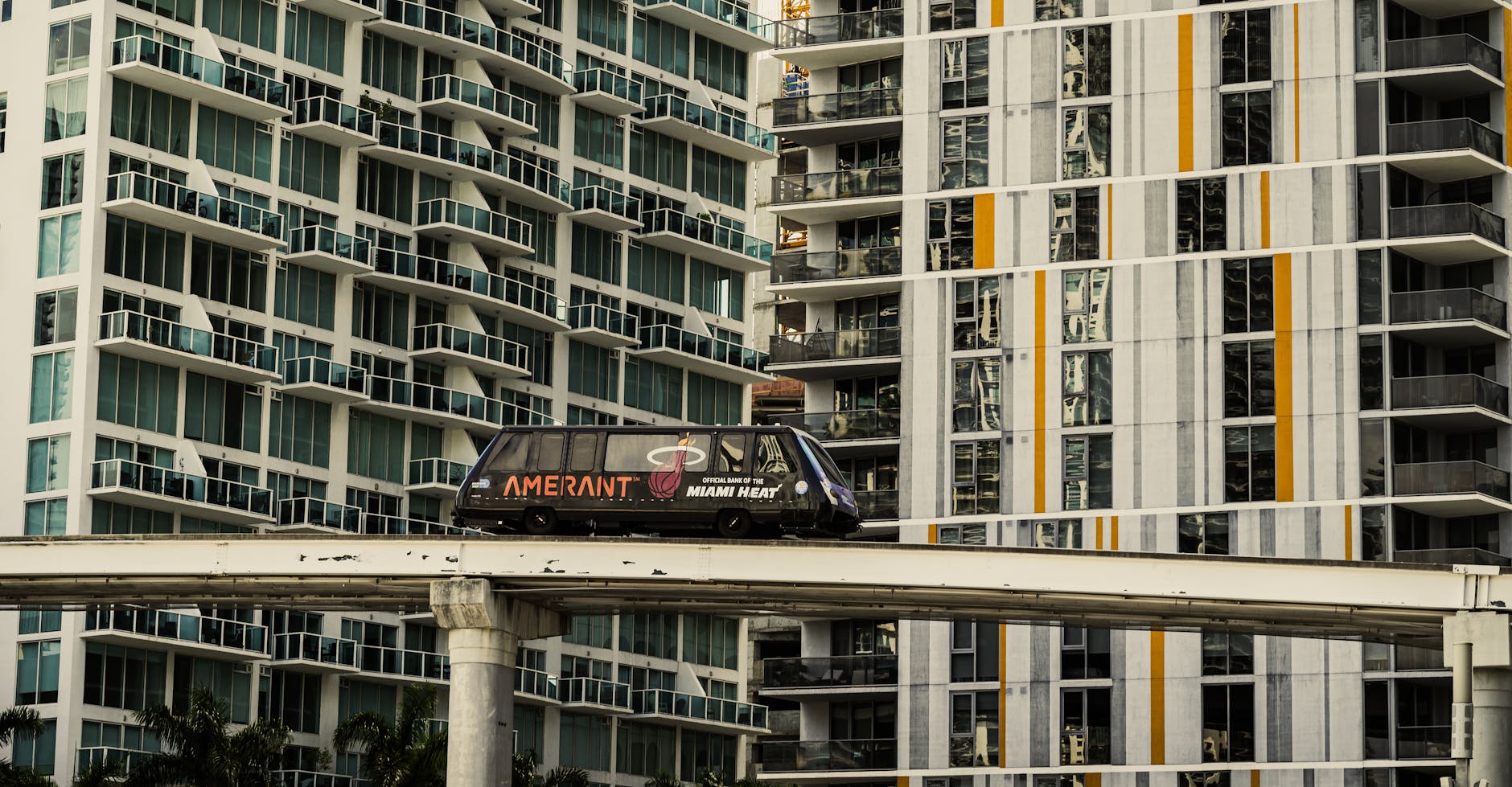
One of the most important and overlooked factors in deciding where to stay in Miami is how easily your neighborhood connects to the attractions you plan to visit. Miami is a sprawling city, and traffic can be brutal — a destination that looks 15 minutes away on a map may take 45 minutes during rush hour. Here is how each major area connects to the rest of the city.
South Beach and Mid-Beach
The free Miami Beach Trolley runs north-south along the island, connecting South Beach, Mid-Beach, and North Beach. It is convenient for moving within Miami Beach but does not cross to the mainland. To reach Wynwood, Little Havana, or Downtown from South Beach, plan on a 20–30-minute rideshare ($15–$25 each way) or take the Route 120 bus across the MacArthur Causeway to Downtown, where you can connect to the Metromover. During peak hours (especially Friday and Saturday nights), rideshare surge pricing from South Beach can double or triple fares.
Brickell and Downtown
These neighborhoods are the most connected in Miami. The free Metromover loops through both areas and connects to the Metrorail, which runs south to Coconut Grove, Coral Gables, and beyond. The Brightline high-speed rail station at MiamiCentral connects you to Fort Lauderdale (30 minutes) and West Palm Beach (60 minutes). Reaching the beach from Brickell takes 15–20 minutes by rideshare or 30 minutes by bus. For visiting attractions across the city, Brickell and Downtown offer the most transportation flexibility.
Coconut Grove and Coral Gables
Both neighborhoods connect to Downtown via the Metrorail (Coconut Grove and Douglas Road stations). The free Coral Gables Trolley circulates through the city’s main commercial areas. Reaching South Beach takes 25–35 minutes by car, and both areas are a quick 10–15-minute drive to Brickell. These are car-friendly neighborhoods with free or affordable parking at most restaurants and shops — a major advantage over the beach.
Little Havana
Little Havana sits between Brickell and the airport, making it centrally located for reaching most of Miami’s attractions. Downtown is a 10-minute drive east, the airport is 10 minutes west, and South Beach is 20–25 minutes across the causeway. The neighborhood is served by several bus routes, and the free Little Havana Trolley connects Calle Ocho to Brickell. Rideshare fares from Little Havana tend to be lower than from the beach, averaging $8–$15 to most popular destinations.
Wynwood and the Design District
Wynwood is centrally located but not well served by public transit. Most visitors rely on rideshare ($10–$18 to South Beach, $8–$12 to Brickell) or the city’s bike-share program. The free Wynwood Trolley connects the neighborhood to Midtown and Edgewater. Street parking is limited, especially on weekends, but several paid lots charge $10–$20 for an evening.
Key Biscayne
Key Biscayne is the most isolated neighborhood on this list. There is no public transit to the island, and the only access is via the Rickenbacker Causeway (with a $2 toll each way). You will need a rental car or plan on regular rideshare trips ($15–$25 to Downtown or Brickell). The trade-off is worth it for many families — the island’s quiet beaches and parks are unmatched — but factor transportation costs into your budget.
North Beach, Surfside, and Bal Harbour
The Miami Beach Trolley connects these areas to South Beach, though the ride can take 30–40 minutes during busy periods. The Route 119 bus runs from Bal Harbour to Aventura and the Aventura Mall. Reaching Downtown from North Beach takes 20–30 minutes by car. These neighborhoods work well for beach-focused trips but require more effort to access mainland attractions.
Airport Area and Miami Springs
The MIA Mover connects the airport to the Miami Intermodal Center, where you can access Metrorail, Tri-Rail (to Fort Lauderdale and beyond), and Brightline. From the airport area, South Beach is 30–45 minutes by car (traffic dependent), Downtown is 15–20 minutes, and Coral Gables is 10–15 minutes. Most airport-area hotels offer free shuttle service to MIA terminals.
What to Look for When Booking — A Practical Checklist
Miami hotels vary widely in what they include, and hidden costs can add $50–$100/night to your quoted rate. Before you finalize where to stay in Miami, run through this checklist to avoid surprises and ensure the property truly fits your needs.
Resort Fees
The biggest gotcha in Miami hotel booking. Most Miami Beach hotels charge a mandatory resort fee of $25–$50/night that is not included in the advertised rate. This fee typically covers Wi-Fi, pool towels, beach chairs, and gym access — amenities you might assume are included. Always check the total cost including fees before comparing properties. Mainland hotels in Brickell, Downtown, and Coral Gables are less likely to charge resort fees.
Pool Access and Quality
In Miami’s heat, the pool is not optional — it is essential. Check whether the hotel has a full-size pool or a small plunge pool, whether there are dedicated pool hours, and whether cabanas or loungers require an extra fee. Some luxury hotels charge $200–$500/day for poolside cabanas. If pool quality matters to you, look for hotels that specifically highlight their pool scene, like the Fontainebleau or the Biltmore.
Beach Access
Not all beachfront hotels provide the same beach experience. Ask whether the hotel offers complimentary beach chairs and umbrellas (many do not — rental runs $20–$40/day on South Beach) and whether there is a dedicated beach area for guests. Hotels like the Setai and Surf Club maintain private beach sections, while others simply sit across the street from a public beach.
Parking
Hotel parking in Miami Beach runs $40–$75/night for valet (self-parking is rare at beach hotels). In Brickell and Downtown, valet runs $30–$50/night, and some hotels offer self-parking for $15–$25. If you do not plan to rent a car, confirm that the hotel is in a walkable area or near free transit before committing. Alternatively, public parking garages in South Beach charge $2–$4/hour, which can be cheaper for short stays if your hotel rate does not include parking.
Breakfast
Restaurant breakfasts in Miami run $15–$30 per person at casual spots and $30–$60 at hotel restaurants. A hotel that includes breakfast can save a couple $40–$80/day. Hampton Inn, Courtyard by Marriott, and many vacation rentals with kitchens offer this advantage. At higher-end hotels, check whether breakfast is included with the room rate or the resort fee — it often is not.
Kitchen or Kitchenette
Having a kitchen or kitchenette can save significant money on a longer trip. Vacation rentals, extended-stay hotels, and suite-style properties in Little Havana, Coconut Grove, and the airport area commonly include full kitchens. Even a mini-fridge and microwave can reduce food costs by letting you stock up on snacks, drinks, and quick meals from local markets.
Cancellation Policy
Miami weather is generally reliable, but hurricane season (June through November) adds a layer of unpredictability. Book hotels with flexible cancellation policies during these months. Most major chains offer free cancellation up to 24–48 hours before check-in. During peak season, cancellation windows tighten — some properties require 7–14 days’ notice or charge the full stay for late cancellations.
Noise Level
South Beach, particularly the blocks near Ocean Drive between 5th and 15th Streets, can be very loud at night. If you are a light sleeper, ask for a room facing away from the street or choose a hotel above 15th Street. Mid-Beach, North Beach, Coconut Grove, and Coral Gables are significantly quieter. Many guests underestimate how loud South Beach nightlife can be — it is worth considering when choosing where to stay in Miami, especially if you plan to sleep before 2 a.m.
Proximity to Your Priorities
Make a list of the three or four things you most want to do in Miami, then choose a neighborhood that puts you closest to those activities. If your list includes beach, nightlife, and Art Deco, South Beach is the obvious choice. If it includes museums, performing arts, and dining, Downtown or Brickell wins. If it includes nature, family activities, and quiet beaches, Key Biscayne or Surfside makes more sense. Choosing based on proximity saves time, money, and the frustration of sitting in Miami traffic.
Which Area Is Best for Your Trip?
First-time visitors: South Beach for the full Miami experience, or Mid-Beach for beach access with more polish.
Couples and romance: The Faena or Setai in South Beach, Mr. C in Coconut Grove, or the Biltmore in Coral Gables.
Families: Key Biscayne for calm beaches and nature, Surfside for a quieter beach-town feel, or Coconut Grove for outdoor activities.
Nightlife seekers: South Beach (especially south of 15th Street) for clubs, or Brickell for a more sophisticated rooftop-bar scene.
Budget travelers: Little Havana for authenticity and the lowest rates, Brickell for urban value, or North Beach for affordable oceanfront rooms.
Art and culture lovers: Wynwood’s Arlo hotel for gallery access, Downtown for museum proximity, or South Beach for Art Deco immersion. See our arts and culture guide for must-visit venues.
Business travelers: Brickell or Downtown for financial district access and Brightline rail connections.
Transit travelers: Miami Springs or the airport corridor for early flights and late arrivals, with rates 50–70% below the beach.
Frequently Asked Questions About Where to Stay in Miami
What is the best area to stay in Miami for first-time visitors?
South Beach is the best area for first-timers because it concentrates beaches, dining, nightlife, and cultural attractions within a walkable area. Mid-Beach is an excellent alternative if you want beach access with a calmer atmosphere. For a broader understanding of each area, consult our Miami neighborhoods guide.
Is it better to stay in Miami Beach or Downtown Miami?
It depends on your priorities. Miami Beach is ideal for beach time, nightlife, and Art Deco architecture. Downtown and Brickell are better for museums, performing arts, dining, and urban exploration. Hotels in Downtown and Brickell are typically 30–40% cheaper than comparable options in Miami Beach, and the free Metromover provides excellent connectivity.
How much should I budget for a hotel in Miami?
Budget travelers can find decent options for $80–$150/night in areas like North Beach, Little Havana, or the airport area. Mid-range hotels run $200–$400/night. Luxury beachfront resorts start at $500 and can exceed $1,500/night in peak season. Always add $25–$50/night for resort fees at beach hotels, and factor in parking ($40–$75/night) if you plan to rent a car.
When is the cheapest time to visit Miami?
September and October offer the absolute lowest hotel rates, often 60–70% below peak season prices. May and November are excellent shoulder months with better weather and moderate pricing. Avoid Art Basel week (early December), spring break (March), and major holiday weekends for the best deals.
Do I need a car if I stay in Miami Beach?
Not necessarily. South Beach, Mid-Beach, and Surfside are walkable, and the Miami Beach Trolley provides free transportation along the island. However, a car is helpful for visiting neighborhoods on the mainland like Wynwood, Little Havana, or Coral Gables. Rideshare apps fill the gap affordably, typically costing $10–$25 per trip to mainland destinations.
What are resort fees in Miami?
Resort fees are mandatory daily charges ($25–$50/night) added by most Miami Beach hotels on top of the room rate. They typically cover amenities like pool towels, Wi-Fi, and beach chairs. These fees are not included in the advertised room price, so always check the total cost before booking. Mainland hotels are less likely to charge them.
Is Little Havana safe for tourists?
Yes. The main tourist corridor along Calle Ocho (SW 8th Street) is well-trafficked and safe during the day and evening. Like any urban neighborhood, use standard city awareness at night and stick to well-lit, populated streets. The area around Domino Park, Ball & Chain, and the main commercial strip is lively and welcoming to visitors.
Should I stay near the airport if I have an early flight?
If your flight departs before 8 a.m., an airport-area hotel is a smart move. The drive from South Beach to MIA takes 30–45 minutes without traffic but can stretch to an hour during morning rush. Spending your last night near the airport saves stress and money — airport-area hotels run $80–$180/night compared to $200–$500+ on the beach. Most offer free airport shuttle service.
What is the best neighborhood for a long stay in Miami?
For stays of a week or longer, consider Coconut Grove, Coral Gables, or Little Havana, where vacation rentals with full kitchens and neighborhood amenities make extended stays comfortable and affordable. Brickell also works well for longer visits thanks to its walkability, grocery stores, and excellent public transit connections. Weekly and monthly rental discounts of 15–30% are common across all these areas.
Your Next Step
Now that you know where to stay in Miami, start exploring what to do once you arrive. Our guide to things to do in Miami covers beaches, museums, nightlife, day trips, and local experiences across every neighborhood. Pair it with our neighborhood profiles to build an itinerary that matches your accommodation choice, and browse our arts and culture guide for the city’s best galleries, performances, and cultural landmarks.
More on Where to Stay in Miami
Deciding where to stay in Miami shapes every other choice on your trip. Beach travelers look at different hotels than business or family visitors, and budget-conscious travelers can find great deals one neighborhood inland. The links below help you finalize where to stay in Miami based on your trip type.
For more where to stay in miami resources from official sources, visit Miami & Miami Beach official lodging directory.
Explore Our Where-to-Stay Guides
The right base changes everything. Compare your options by style and budget.
- Best Hotels in Miami Beach — our top picks across South, Mid, and North Beach.
- Boutique Hotels — design-forward stays with real character.
- Beachfront Hotels — wake up to the sand and the surf.
- Cheap & Budget Hotels — great stays that won’t wreck the trip.
- Vacation Rentals — apartments and homes broken down by neighborhood.
- Luxury Resorts — five-star service and oceanfront grandeur.
- Brickell & Downtown Hotels — stay in the city’s high-rise core.
- Hotels with the Best Pools — rooftop decks and resort-style lagoons.
- Pet-Friendly Hotels — bring the dog along.
- Where to Stay for First-Timers — the best areas if it’s your first trip.
Cruise passengers have a different set of priorities from everyone else — transfer time, breakfast hours, luggage storage and whether parking is included for a whole week. If a sailing from PortMiami is the reason for your trip, start with our guide to hotels near the Port of Miami instead.