Miami Travel Planning & Tips
Miami Travel Guide: Everything You Need to Plan the Perfect Trip in 2026
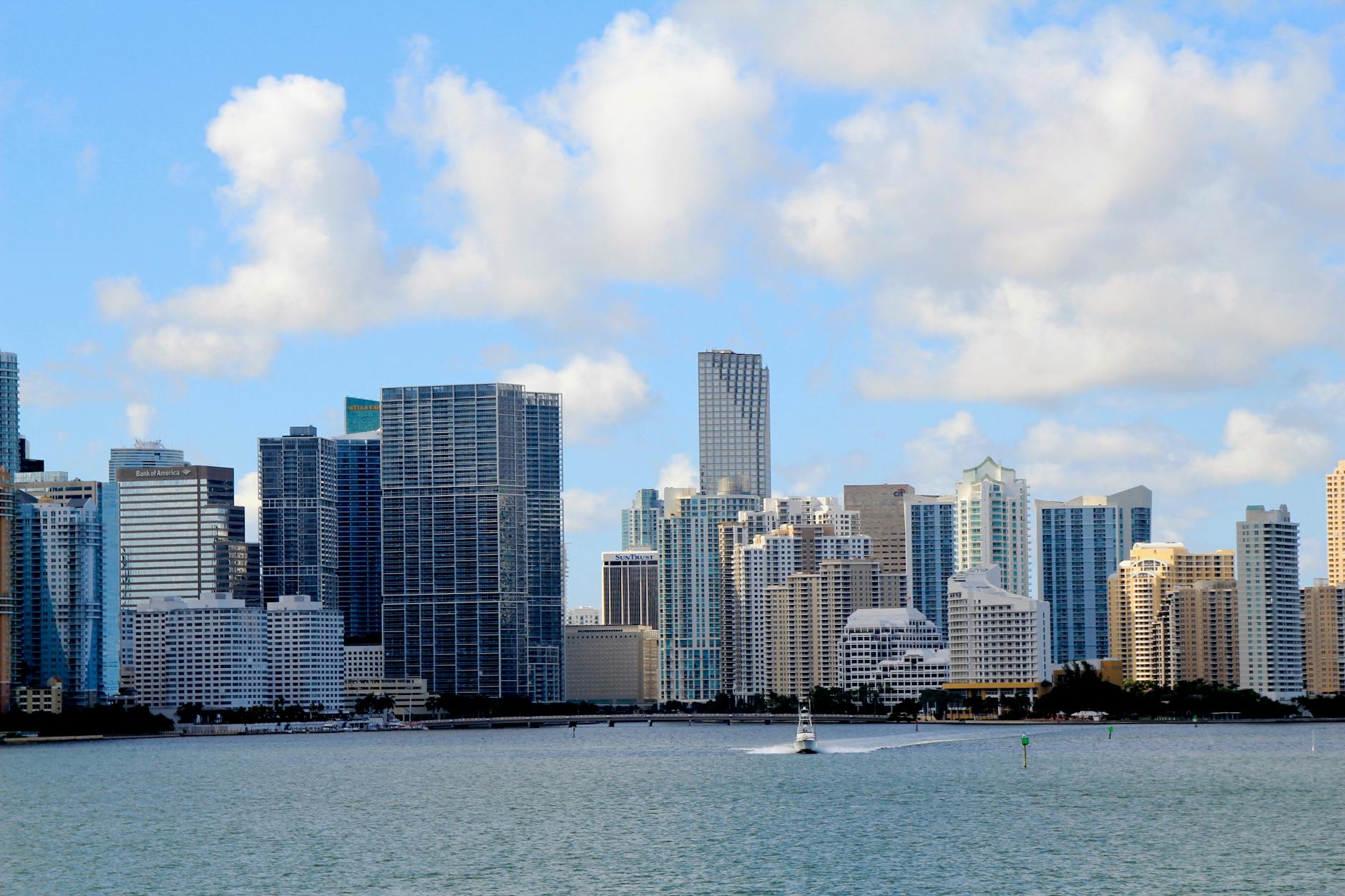
Miami is one of those rare destinations that delivers on every promise — blazing sunsets over Biscayne Bay, world-class dining that fuses Latin American and Caribbean flavors, neighborhoods dripping with art and culture, and miles of coastline that look exactly like the postcards. But between the glamour and the guidebook clichés, there is a real city with real logistics to figure out, and a poorly planned Miami trip can drain your wallet fast while leaving you stuck in traffic wondering where the magic went.
This guide exists to make sure that does not happen. Whether you are visiting Miami for the first time or returning after a few years away, we have assembled every practical detail you need — from the best month to book, to how much you should budget per day, to the free transit systems most tourists never discover. We have broken down airport arrivals, neighborhood personalities, packing lists by season, sample itineraries for three different trip lengths, and dozens of money-saving strategies that locals actually use.
Bookmark this page. You will come back to it more than once before your trip — and probably during it, too.
Best Time to Visit Miami
Miami is a year-round destination, but the experience varies dramatically depending on when you arrive. The difference between a February visit and an August visit is not just temperature — it is crowd density, hotel pricing, hurricane risk, and even the vibe of the city itself. Here is a detailed breakdown so you can choose the window that fits your priorities.
Peak Season: December Through February
Weather: This is Miami at its most comfortable. Daytime highs hover between 70°F and 80°F (21–27°C), humidity is manageable, and rain is rare. Evenings cool to the low 60s, making outdoor dining and rooftop bars genuinely pleasant.
Crowds and prices: This is the most expensive and most crowded window. Hotel rates in South Beach can run 40–60% higher than shoulder season. Restaurants require reservations weeks in advance. The beach is packed by 10 a.m. on weekends. December is especially intense because of Art Basel (usually the first week of December), which floods Wynwood, the Design District, and Miami Beach with international art collectors, celebrities, and party-goers. January brings Art Deco Weekend on Miami Beach, another major draw.
Best for: Visitors who want guaranteed good weather and do not mind paying premium prices. If you are planning a December or January trip, book 4–6 months in advance to secure reasonable rates.
Sweet Spot: March Through May
Weather: March and April deliver the best weather balance — warm days in the low 80s, low humidity, and minimal rain. May starts the transition toward summer, with temperatures climbing into the mid-80s and afternoon thunderstorms becoming more frequent.
Crowds and prices: March still sees spring break crowds (especially mid-March through early April), but rates begin dropping compared to peak season. April and May are the true sweet spot: pleasant temperatures, noticeably lower hotel prices, and thinner crowds at major attractions. You can often find South Beach hotels at 20–30% below peak rates.
Best for: First-time visitors who want a well-rounded experience. This is our top recommendation for most travelers. Book 2–3 months ahead for the best selection.
Summer: June Through September
Weather: Hot. Daily highs reach the upper 80s to low 90s (31–34°C), and the humidity is intense — the “feels like” temperature frequently exceeds 100°F. Afternoon thunderstorms roll through almost daily, usually between 3 and 6 p.m. They are typically short and dramatic, but they will disrupt beach plans.
Crowds and prices: This is budget season. Hotel rates drop significantly — you can find quality rooms on South Beach for $150–$200/night that would cost $350+ in February. Restaurants are easier to get into. The trade-off is obvious: oppressive heat, mosquitoes, and hurricane season (June 1 through November 30). The statistical peak for hurricane activity is mid-August through mid-October.
Best for: Budget travelers comfortable with heat and willing to accept hurricane risk. If you visit in summer, buy travel insurance with trip cancellation coverage and monitor weather forecasts starting a week before departure.
Shoulder Season: October and November
Weather: October is still warm (mid-80s) and remains part of hurricane season. By late November, humidity drops noticeably and temperatures settle into the comfortable mid-to-upper 70s.
Crowds and prices: October is one of the quietest months — and one of the cheapest. November starts picking up as snowbirds arrive, and Thanksgiving week is a mini peak. Late November into early December sees a rapid price climb as Art Basel approaches.
Best for: Travelers who want low prices and can tolerate some weather uncertainty. Late November (before Thanksgiving) is an underrated window.
Month-by-Month Quick Reference
| Month | Avg High | Rain | Crowds | Hotel Cost | Overall Rating |
|---|---|---|---|---|---|
| January | 76°F | Low | High | $$$ | Great weather, pricey |
| February | 78°F | Low | High | $$$ | Peak season continues |
| March | 80°F | Low | High (spring break) | $$–$$$ | Excellent weather |
| April | 83°F | Low–Med | Moderate | $$ | Best value + weather |
| May | 86°F | Medium | Low–Mod | $$ | Good value, warming up |
| June | 89°F | High | Low | $ | Budget-friendly, hot |
| July | 91°F | High | Low–Mod | $ | Peak heat + humidity |
| August | 91°F | High | Low | $ | Hurricane risk highest |
| September | 89°F | High | Very Low | $ | Quietest month |
| October | 85°F | High | Low | $–$$ | Still hurricane season |
| November | 80°F | Low–Med | Moderate | $$ | Shoulder gem |
| December | 77°F | Low | Very High | $$$$ | Art Basel premium |
How Many Days Do You Need in Miami?
The short answer: five days is the sweet spot for a first visit. But here is how different trip lengths break down so you can decide what works for your schedule and budget.
3 Days in Miami: The Highlights Reel
Three days is enough to hit the essentials — South Beach, a food tour through Little Havana, a quick pass through Wynwood Walls, and an evening or two experiencing the nightlife. You will feel rushed, and you will definitely leave things on the table, but you will get a real taste of the city. A long weekend (Friday through Sunday) works well for this.
Best for: Weekend warriors, cruise ship add-on trips, or travelers combining Miami with another Florida destination like the Keys.
5 Days in Miami: The Ideal First Visit
Five days lets you explore without the constant pressure of a ticking clock. You can spend a full day on the beach without guilt, dedicate a morning to the Vizcaya Museum, take a day trip to the Everglades, explore multiple neighborhoods at a real pace, and still have an evening free for a long dinner in Brickell or a sunset cruise on the bay. Most first-time visitors who spend five days report feeling satisfied that they “got” Miami.
Best for: First-time visitors, couples, anyone who wants a complete experience without overextending.
7+ Days in Miami: The Deep Dive
A week or more opens up possibilities that shorter trips cannot accommodate: a day trip to Key Biscayne, an afternoon browsing the Design District, a Coral Gables walking tour, snorkeling at Biscayne National Park, or a lazy day exploring the food scene in depth. This length also gives you a buffer day if weather forces you to rearrange plans — especially useful in summer.
Best for: Families with children, travelers who dislike rushing, anyone combining beach time with cultural exploration.
Miami Trip Budget Guide
Let us be direct: Miami is an expensive city, and South Beach is one of the most expensive neighborhoods for tourists in the entire United States. But with smart planning, you can manage costs effectively at any budget level. Here are realistic daily budget breakdowns per person, based on current 2026 pricing.
Budget Traveler: $100–$160 per Day
- Accommodation: $60–$90/night (hostels, budget hotels off the beach, Airbnb in residential neighborhoods like Little Havana or Allapattah). Split with a travel partner to cut this in half.
- Food: $25–$40/day. Street food and counter-service Cuban restaurants for lunch ($8–$14), grocery store or food truck dinners, free hotel breakfast where available. A Cuban sandwich and cafe con leche from a Little Havana ventanita runs about $9 total.
- Transportation: $10–$15/day. Free trolleys and Metromover handle much of your travel. Metrorail is $2.25 per ride. Budget one or two rideshares per day for late-night or cross-town trips.
- Activities: $0–$20/day. Beaches are free. Wynwood Walls outdoor murals are free. Many museum free days available (see money-saving section below). Walking tours of Art Deco District are low-cost.
Mid-Range Traveler: $200–$350 per Day
- Accommodation: $150–$250/night. A decent hotel on South Beach or a well-reviewed boutique in Wynwood or Brickell. In shoulder season, this budget stretches much further.
- Food: $50–$80/day. Casual breakfast ($12–$18), a sit-down lunch at a mid-range restaurant ($18–$30), and a proper dinner with a drink or two ($35–$55). Take advantage of Miami’s diverse food scene — some of the best meals in the city are at neighborhood spots, not the trendy beachfront places.
- Transportation: $20–$40/day. Mix of rideshares and occasional free transit. A rental car is about $40–$70/day including parking ($20–$40/day on South Beach) but provides maximum flexibility.
- Activities: $30–$60/day. Paid museum admissions ($15–$25 each), boat tours ($40–$65), Everglades tour ($35–$55), snorkeling trips, food tours ($65–$85).
Luxury Traveler: $500+ per Day
- Accommodation: $350–$800+/night. Iconic beachfront hotels like the Faena, the Setai, or the Four Seasons Surf Club. During Art Basel, expect these to double.
- Food: $150–$300/day. Celebrity chef restaurants, waterfront fine dining in Brickell, omakase in Sunset Harbour, rooftop cocktail bars.
- Transportation: $50–$100/day. Private car service, premium rideshares, luxury car rental, or water taxis.
- Activities: $100+/day. Private boat charters, spa treatments, VIP nightclub entry, private Everglades tours, helicopter rides, yacht cruises.
Accommodation Costs by Area
Where you stay dramatically affects your budget. Here is what to expect per night for a standard double room in peak vs. shoulder season:
| Neighborhood | Peak Season (Dec–Feb) | Shoulder (Apr–May) | Summer (Jun–Sep) |
|---|---|---|---|
| South Beach (Ocean Dr area) | $300–$600+ | $180–$350 | $130–$250 |
| Mid-Beach / North Beach | $200–$400 | $130–$250 | $100–$180 |
| Brickell / Downtown | $180–$350 | $120–$220 | $90–$170 |
| Wynwood / Design District | $160–$300 | $110–$200 | $80–$160 |
| Coral Gables | $150–$280 | $100–$200 | $80–$150 |
| Little Havana / MiMo | $90–$180 | $70–$130 | $55–$110 |
For a detailed breakdown of each area’s personality and best hotel picks, see our complete Where to Stay in Miami guide.
Getting to Miami
Miami International Airport (MIA)
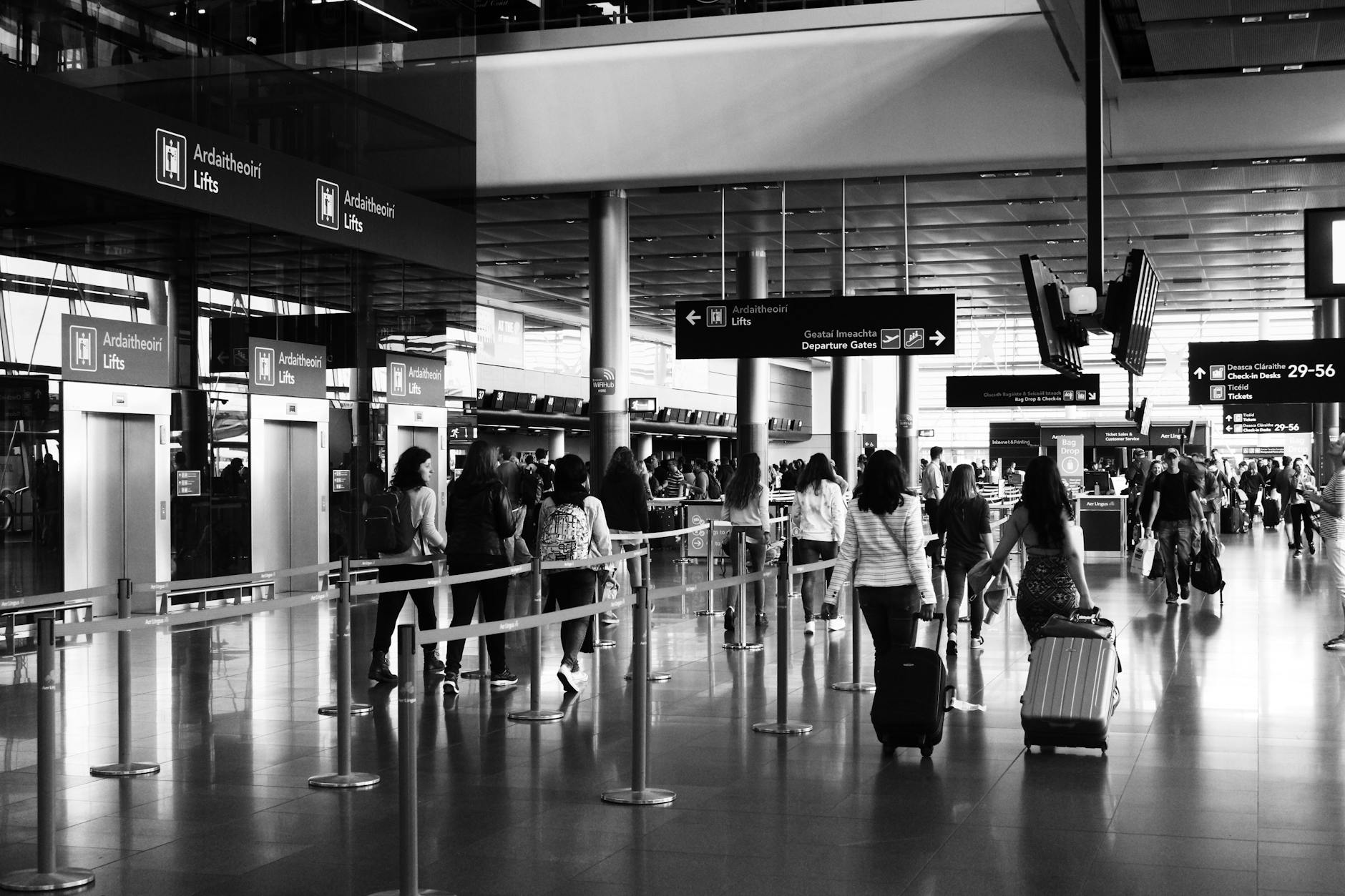
Most visitors arrive through Miami International Airport (MIA), one of the busiest international airports in the United States, handling over 50 million passengers per year. It is located about 8 miles west of downtown Miami and 12 miles from South Beach.
Key arrival tips:
- Customs and immigration can take 30–90 minutes during peak hours (mid-morning and early afternoon, when multiple international flights land simultaneously). Enroll in Global Entry or Mobile Passport to skip the long lines.
- Rideshare pickup is on Arrivals Level 1. Follow signs for “Ride App Pickup” — designated zones are clearly marked outside each terminal. Expect to pay $20–$35 to South Beach, $15–$25 to downtown/Brickell, depending on time and demand.
- MIA Mover: This free automated people-mover connects the airport terminals to the Miami Intermodal Center (MIC), where you can access Metrorail, rental car shuttles, and regional bus service. It runs every 2–3 minutes.
- Rental cars: The MIA Rental Car Center is connected via the free MIA Mover. All major rental companies operate there. During peak season, book your rental car at least 3–4 weeks in advance — inventory sells out and prices spike.
- Metrorail from MIA: Take the MIA Mover to the MIC station, then board the Metrorail Orange Line toward downtown. The fare is $2.25, and the ride to downtown takes about 15 minutes. This is the cheapest way into the city.
For the most current terminal maps and flight information, visit miami-airport.com.
Fort Lauderdale-Hollywood International Airport (FLL)
Do not overlook Fort Lauderdale (FLL), located about 30 miles north of Miami. Budget carriers like Spirit, Frontier, and Southwest operate heavily out of FLL, and fares can be $50–$150 cheaper than comparable MIA flights, especially on domestic routes.
The trade-off is the commute: expect 45–90 minutes to reach Miami Beach or downtown, depending on traffic (I-95 is notoriously congested during rush hours). A rideshare from FLL to South Beach typically runs $40–$65. There is also a Brightline train connecting Fort Lauderdale to downtown Miami (about 30 minutes, approximately $15–$25 each way), which eliminates the highway traffic entirely.
Our advice: If the fare savings are $100+ per person, FLL is worth the extra transit time. If the savings are marginal, fly into MIA for convenience.
Driving to Miami
If you are road-tripping from elsewhere in Florida or the Southeast, Miami is accessible via I-95 (from the north), the Florida Turnpike, or US-1 if you are coming from the Keys. Be aware that traffic in Miami is heavy year-round, and rush hour (7–9 a.m. and 4–7 p.m.) on I-95 can add 30–60 minutes to your drive. If possible, time your arrival for midday or later evening.
Cruise Port
PortMiami is the busiest cruise port in the world and sits on Dodge Island, connected to downtown by a short causeway. If you are adding days before or after a cruise, the port is conveniently close to Brickell, downtown, and the Metromover system. Many hotels offer cruise packages with shuttle transfers.
Getting Around Miami
Miami is a sprawling, car-oriented metro area. The neighborhoods you want to visit — South Beach, Wynwood, Little Havana, Coconut Grove, Coral Gables — are spread across a wide geographic area. No single transportation mode is perfect, so the best strategy combines several options.
Rental Car
Pros: Maximum flexibility, essential for day trips (Everglades, Keys, Fort Lauderdale). Air conditioning on demand, which matters more than you think in summer.
Cons: Parking is expensive on South Beach ($20–$40/day at garages, $5–$8/hour on meters). Traffic is aggressive. Some neighborhoods (Wynwood, South Beach) are easier on foot than by car.
Cost: $40–$70/day for a standard sedan, plus parking and gas. Book through the MIA Rental Car Center for airport pickup via the free MIA Mover.
Our take: Rent a car if you plan to explore beyond the beach and downtown core, or if you have a day trip on the schedule. Skip it if you are staying exclusively on South Beach for a short trip.
Rideshare (Uber / Lyft)
Pros: Convenient, no parking hassle, widely available. Pickup zones clearly marked at the airport and major venues.
Cons: Surge pricing during events and nightlife hours can double or triple fares. A South Beach-to-Wynwood ride that costs $15 at 2 p.m. might cost $35–$45 at midnight on a Saturday.
Our take: The best option for visitors staying on the beach who want to explore a different neighborhood for a few hours. Budget $20–$40/day if relying on rideshare as primary transport.
Metrorail
What it is: An elevated heavy-rail system with two lines (Green and Orange) running from the northern suburbs through downtown to the southern suburbs. Fare is $2.25 per ride using an EASY Card or EASY Ticket.
Useful for: Getting from MIA to downtown (Orange Line), traveling between Dadeland, Coconut Grove, Brickell, and downtown.
Limitations: Does not go to Miami Beach. Stations are limited and not always within walking distance of tourist destinations.
For routes and schedules, check miamidade.gov.
Metromover (Free)
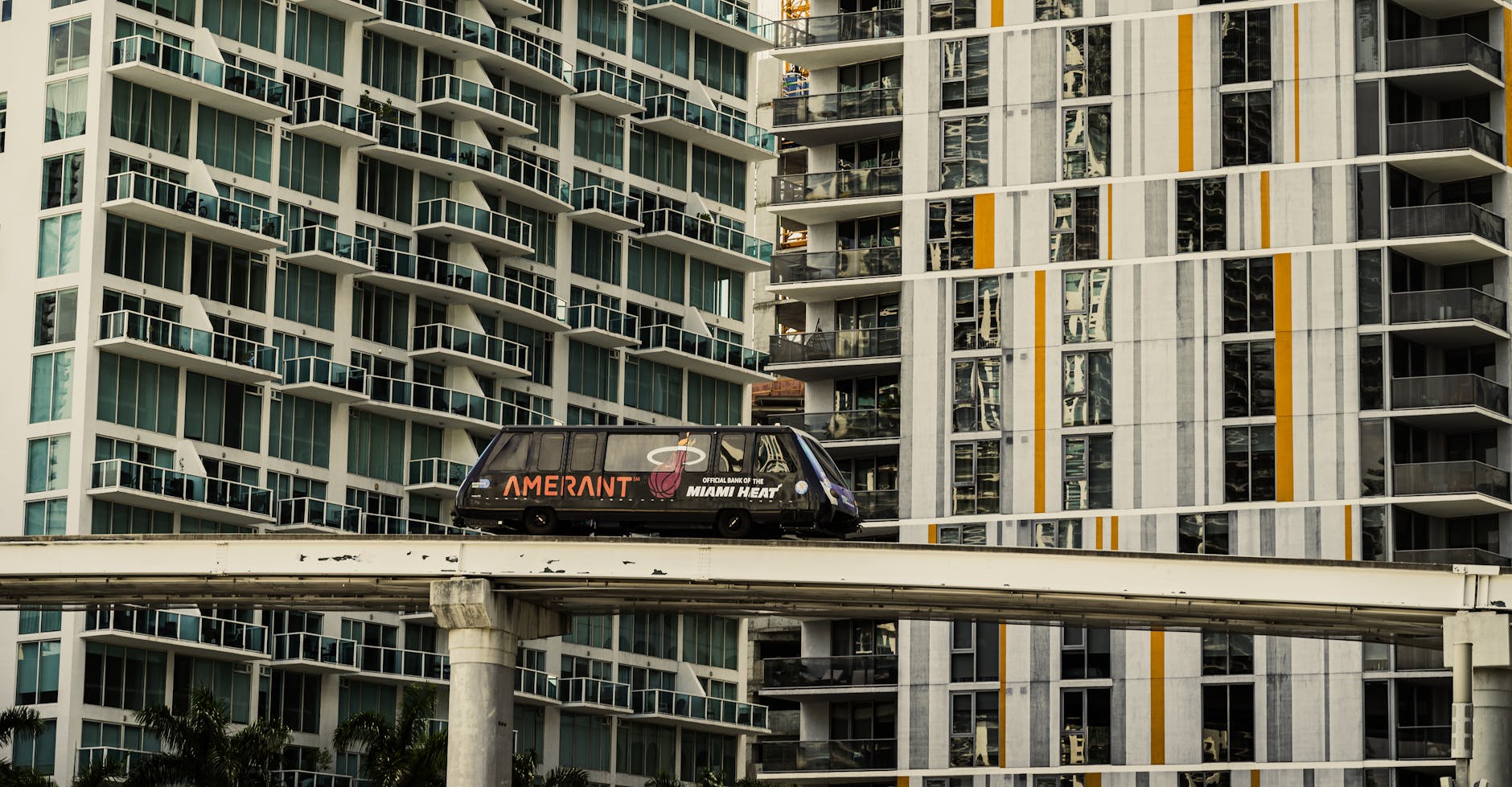
What it is: A free automated people-mover covering the downtown Miami and Brickell corridor. Three loops (Inner, Omni, and Brickell) connect major stops including Bayfront Park, the Adrienne Arsht Center, Freedom Tower, and the Brickell City Centre area.
Our take: Absolutely use this if you are spending any time downtown. It is free, clean, air-conditioned, and runs frequently (every 90 seconds to 5 minutes depending on the time of day). One of the best free transit systems in any American city.
Free Trolleys on Miami Beach
Miami Beach operates a free trolley system that most tourists do not know about. This is a genuine game-changer for getting around the beach without spending money on rideshares.
- South Beach Loop: Covers the southern tip from South Pointe Park up through the Art Deco District.
- Middle Beach Loop: Connects Mid-Beach hotels and residential areas.
- North Beach Loop: Serves the quieter northern section of Miami Beach.
- Collins Express: Runs the length of Collins Avenue, connecting South Beach to North Beach.
Hours: 8:00 a.m. to 11:00 p.m. daily. Trolleys arrive approximately every 20 minutes. Schedules and real-time tracking are available through transit apps (see Resources section below).
Pro tip: The Collins Express trolley is the single most useful free transit line for tourists. It connects nearly every major hotel, restaurant, and beach access point along the full length of Miami Beach.
Biking
Pros: Miami is flat as a pancake, making cycling easy. Citi Bike stations are plentiful throughout South Beach, downtown, Brickell, Wynwood, and the Design District. A single ride is $2.50 for 30 minutes; day passes are around $7.
Cons: The heat and humidity in summer make long rides uncomfortable. Not all roads have dedicated bike lanes, and Miami drivers can be aggressive. Not practical for longer cross-city trips.
Our take: Excellent for short hops on Miami Beach (South Beach to Mid-Beach) or exploring Wynwood on a weekend morning. Carry water and wear sunscreen.
Water Taxis
Water taxis operate on Biscayne Bay, connecting points along the waterfront from Bayside Marketplace downtown to Miami Beach. They are more of a scenic experience than a practical commuter option, but they offer a fun, traffic-free way to cross the bay. Expect to pay $15–$25 per ride.
Transportation Bottom Line
For most visitors, the best strategy is: Use free trolleys and the Metromover for neighborhood exploration. Supplement with rideshare for cross-town trips and late-night rides. Rent a car only for day trips or if staying in a non-central area. This hybrid approach keeps costs manageable while avoiding the stress of parking in Miami.
Where to Stay in Miami — Quick Guide
Miami’s neighborhoods each have distinct personalities, and where you stay shapes your entire trip experience. Here is a quick overview to help you narrow it down — for detailed recommendations including specific hotel picks at every budget, see our full Where to Stay guide.
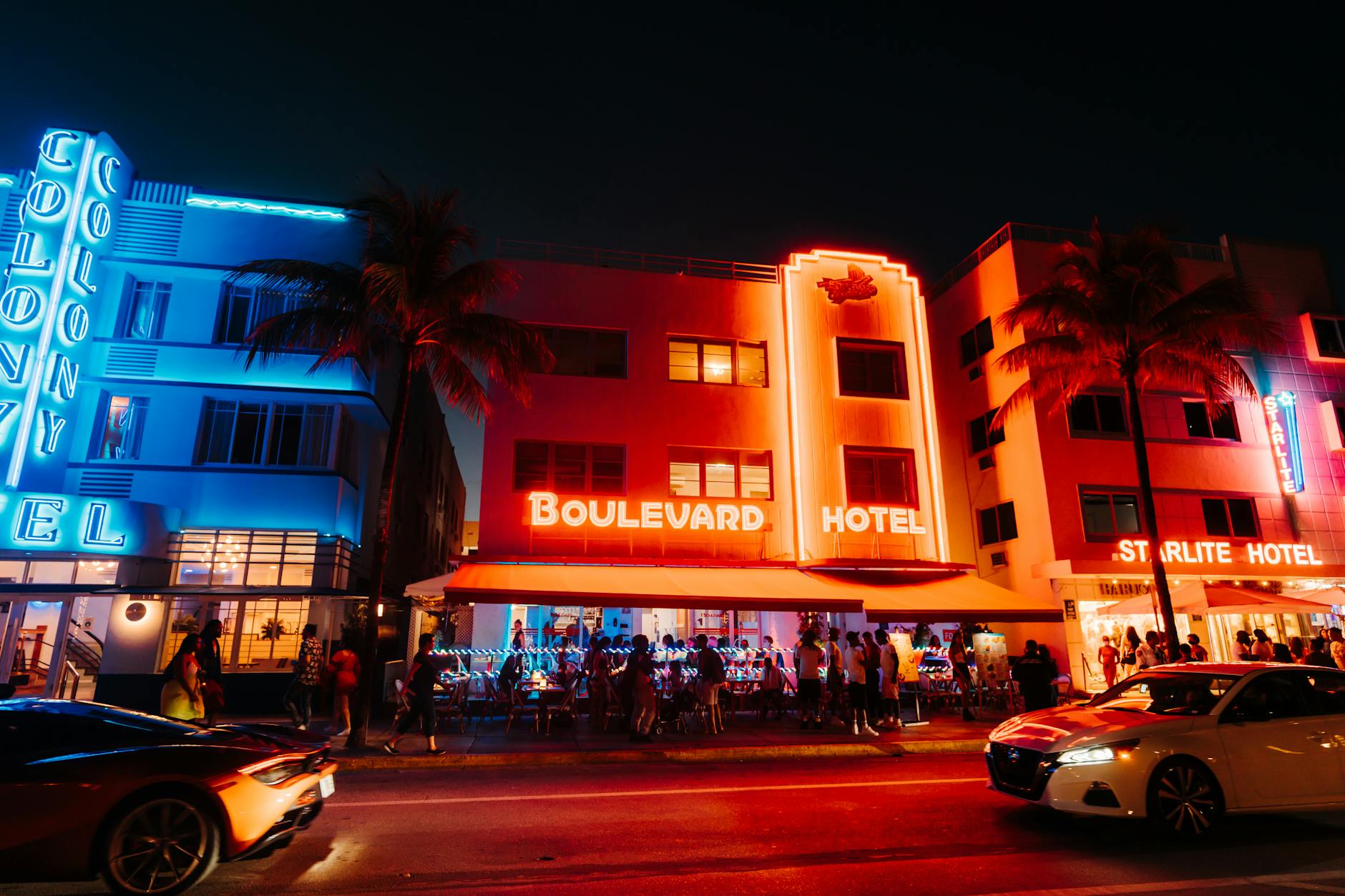
- South Beach: The classic Miami Beach experience. Art Deco architecture, Ocean Drive nightlife, the most famous stretch of sand. Also the most expensive and crowded. Best for first-timers who want the “postcard” experience.
- Mid-Beach: Quieter than South Beach, with excellent hotels (Faena, Edition) and easier beach access. Best for couples and travelers who want beach proximity without the South Beach intensity.
- North Beach: The most affordable part of Miami Beach. Local-feeling, with great casual dining. Best for budget travelers and families.
- Brickell / Downtown: Miami’s financial and urban center. High-rise hotels, excellent restaurants, rooftop bars, and the free Metromover. No beach, but connected to everything. Best for business travelers and urban explorers.
- Wynwood: Art galleries, street murals, breweries, and a creative-hipster energy. Limited hotel options but unique boutique stays. Best for art lovers and younger travelers.
- Coconut Grove: Leafy, walkable, village-like. Waterfront dining and a relaxed pace. Best for families and nature lovers.
- Coral Gables: Old-money elegance with Mediterranean-revival architecture, the Biltmore Hotel, and excellent dining. Best for travelers who prefer quiet sophistication over beach buzz.
What to Pack for Miami
Miami’s dress code depends on where you are going and what season you are visiting. Here is what actually matters.
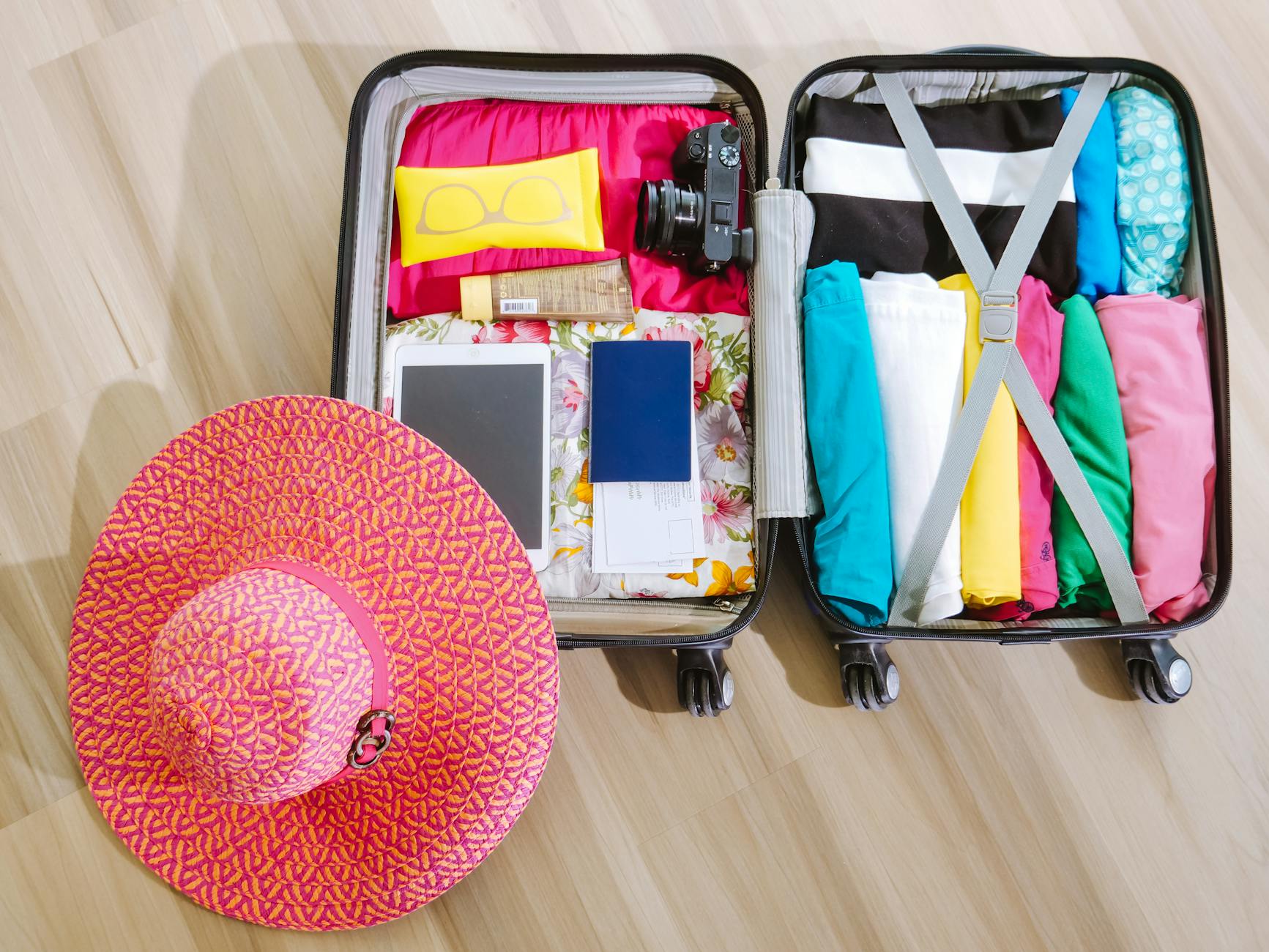
Year-Round Essentials
- Sunscreen (SPF 50+, reef-safe): Non-negotiable. The Florida sun is aggressive, even on overcast days. Reapply every two hours when outdoors. Reef-safe formulas are required at some beach areas.
- Sunglasses with UV protection
- A wide-brim hat or baseball cap
- A reusable water bottle: Hydration is critical, and Miami tap water is safe to drink. This also saves you $3–$5 every time you would otherwise buy bottled water.
- Comfortable walking shoes: Sandals for the beach, but bring lightweight sneakers or walking shoes for neighborhoods like Wynwood and Little Havana where you will walk for miles.
- A light layer: Restaurants and malls blast the air conditioning to near-arctic levels. A light cardigan, hoodie, or long-sleeve shirt is essential for indoor comfort.
- Swimsuit(s): Bring at least two so one can dry while you wear the other.
November Through April (Dry Season)
- Lightweight pants and sundresses for daytime.
- A light jacket or sweater for evenings — temperatures can dip into the low 60s after sunset, especially December through February.
- One nicer outfit for upscale dining. Many Miami restaurants and clubs enforce dress codes: no flip-flops, no tank tops, no athletic wear. Collared shirts and closed-toe shoes for men; a dress or nice separates for women.
May Through October (Wet Season)
- Rain gear: A compact, packable rain jacket or a small travel umbrella. Afternoon thunderstorms are almost daily.
- Moisture-wicking fabrics: Cotton soaks through in minutes in 90%+ humidity. Synthetic or linen blends are much more comfortable.
- Insect repellent: Mosquitoes are a real factor in summer, especially near waterways and in the Everglades.
Beach Bag Essentials
- Beach towel (or verify your hotel provides them — most beachfront hotels do)
- Waterproof phone pouch
- After-sun aloe vera gel
- Snacks and water (beach vendors charge $6–$10 for a water bottle)
- A book or Kindle (you are on vacation — unplug for a bit)
Miami Safety Tips
Miami is a major international city and is generally safe for tourists, especially in the main visitor areas. That said, urban awareness applies here as it does in any large city. Here is practical guidance.
General Safety
- Stay in well-lit, populated areas at night. South Beach, Brickell, Wynwood, and Coconut Grove are all active and well-patrolled after dark. Avoid wandering into unfamiliar residential areas late at night.
- Secure your valuables. Petty theft — phone snatching, car break-ins, unattended bag theft — is the most common tourist crime. Do not leave bags unattended on the beach. Do not leave valuables visible in a parked car, ever.
- Be cautious with nightlife. Keep your drink in your hand. Use the buddy system. Miami’s nightlife scene is world-class but attracts crowds, and the usual big-city precautions apply.
- Avoid isolated areas, especially at night. Some stretches of downtown and the area west of Wynwood can feel deserted after business hours. Stick to the main corridors.
Beach Safety
- Swim near lifeguard stations. Miami Beach has excellent lifeguard coverage during daylight hours. Pay attention to flag warnings: red flag means dangerous conditions, double red means the water is closed.
- Rip currents are a genuine hazard, particularly after storms. If caught in a rip current, do not swim against it — swim parallel to shore until you escape the pull, then swim back.
- Jellyfish and stingrays are present seasonally. Shuffle your feet when entering the water to avoid stepping on a stingray. If stung by a jellyfish, rinse with vinegar or saltwater (not fresh water).
Hurricane Season Awareness
If visiting between June 1 and November 30, monitor weather forecasts, especially from the National Hurricane Center. Modern forecasting gives several days of warning before a hurricane approaches, so sudden surprises are rare. Purchase travel insurance that covers trip interruption and cancellation due to weather events. If a hurricane warning is issued, follow local evacuation orders immediately — Miami-Dade County has established evacuation zones and shelters.
Sun Safety
This deserves its own section because sunburn is the single most common tourist health issue in Miami. The UV index regularly hits “extreme” levels (11+), even during winter months. First-day sunburns are incredibly common and can ruin the rest of your trip.
- Apply SPF 50+ sunscreen 30 minutes before sun exposure.
- Reapply every 2 hours, and immediately after swimming.
- Limit direct midday sun exposure (11 a.m. to 3 p.m.) during your first two days.
- Wear a hat and UV-protective clothing, especially if you are fair-skinned.
- Hydrate aggressively. Drink water even when you do not feel thirsty. The combination of sun, heat, humidity, and alcohol dehydrates you faster than you realize.
Common Scams to Avoid
- The “free” CD or bracelet: Someone hands you something “for free” on the street, then demands payment. Politely decline and keep walking.
- Unlicensed tour operators: Book tours through established companies with reviews, not from people approaching you on the sidewalk.
- Club promoters with “VIP” deals: Some are legitimate, many are not. If a deal sounds too good to be true, it is. Research clubs directly through their websites.
- Restaurant bait-and-switch: Some Ocean Drive restaurants employ aggressive hosts who seat you, then present inflated prices. Always check the menu and prices before sitting down.
Money-Saving Tips & Free Things to Do in Miami
Miami does not have to break the bank. Here are the best strategies for stretching your dollar, plus genuinely worthwhile free experiences.
Free Attractions and Activities
- South Beach / Miami Beach: The beach itself is free, all day, every day. Bring your own towel, snacks, and water to avoid overpriced vendors.
- Wynwood Walls (outdoor murals): The outdoor street art throughout Wynwood is free to walk through. The Wynwood Walls enclosed garden has a small admission fee, but the surrounding streets are covered in world-class murals accessible to everyone. Read more in our Miami Arts & Culture guide.
- Art Deco Historic District walking tour: Self-guided walks through the Art Deco District on South Beach are free — just stroll along Ocean Drive, Collins Avenue, and the side streets between 5th and 15th Streets. The Miami Design Preservation League also offers guided tours for around $30 if you want deeper context.
- Bayfront Park: A 32-acre waterfront park in downtown Miami with skyline views, walking paths, and free events.
- Lincoln Road Mall: This pedestrian promenade on South Beach is free to walk and great for people-watching. Window-shopping and cafe-sitting cost nothing.
- South Pointe Park: At the very southern tip of Miami Beach, this park offers stunning views of Fisher Island, Government Cut, and cruise ships passing by. Completely free.
- Little Havana’s Calle Ocho: Walking through Little Havana along SW 8th Street is free and culturally rich. Watch domino games at Máximo Gómez Park, admire the Walk of Fame stars, and soak in the atmosphere.
- Coral Gables Venetian Pool (on certain days): This historic public pool occasionally offers free admission for Coral Gables residents and reduced rates for others. Even from outside, the architecture is worth seeing.
Museum Free Days
Several of Miami’s best museums offer free or reduced admission on specific days:
- Pérez Art Museum Miami (PAMM): Free on the first Thursday and first Saturday of every month.
- The Bass (Miami Beach): Check their website for periodic free admission days and community events.
- Institute of Contemporary Art (ICA Miami): Always free. This is one of the best free art museums in Florida.
- Frost Science Museum: Offers occasional community free days — check their calendar.
Food and Drink Savings
- Happy hours are sacred in Miami. Many restaurants and bars offer 50% off drinks and discounted appetizers between 4 and 7 p.m. Brickell and Wynwood have particularly strong happy hour scenes. A $22 cocktail becomes $11 — and food specials can make happy hour essentially a cheap dinner.
- Eat lunch, not dinner, at upscale restaurants. Many of Miami’s best restaurants offer lunch menus at 30–50% below dinner prices for similar quality.
- Cuban ventanitas (walk-up windows): Scattered throughout Little Havana and Hialeah, these serve espresso, Cuban sandwiches, croquetas, and pastries at local prices ($2–$8 per item). Some of the best food in Miami comes through a window.
- Grocery stores: Publix and Whole Foods have prepared food sections that are surprisingly good and cheaper than restaurants. A sushi platter or sub from Publix is a Miami institution.
- Bring a reusable water bottle. We cannot stress this enough. Buying bottled water at tourist-area prices ($4–$6 per bottle) adds up shockingly fast. A refillable bottle saves $15–$25 per person per day.
Transportation Savings
- Use the free trolley system on Miami Beach. This alone can save $20–$40/day compared to rideshares.
- Use the free Metromover for any travel within downtown and Brickell.
- Walk. South Beach, Wynwood, and the Design District are all highly walkable neighborhoods. Many visitors reflexively open a rideshare app for trips that are a pleasant 10–15 minute walk.
- Get an EASY Card if using Metrorail multiple times — it is cheaper than paying individual fares and can be loaded with day passes.
General Money-Saving Strategies
- Visit during shoulder season (April–May or late November). The savings on accommodation alone can fund several nice dinners.
- Stay off the beach. Hotels in Brickell, Wynwood, or Little Havana are 30–50% cheaper than equivalent quality on South Beach. The beach is a $10 rideshare away.
- Consider a tourist pass. The Go Miami Card and Miami Sightseeing Pass bundle attractions at discounted rates. They save money if you plan to visit 3+ paid attractions, but do the math first — they are not always a deal.
- Book activities midweek. Boat tours, food tours, and other tourist activities often have lower prices on Tuesday through Thursday.
Miami for First-Time Visitors
If this is your first trip, here are the mistakes we see most often — and how to avoid them.
Common First-Timer Mistakes
- Underestimating distances. Miami Beach and “Miami” are separated by Biscayne Bay. Getting from South Beach to Wynwood or Little Havana takes 20–40 minutes depending on traffic. Plan your days by geography — cluster nearby activities together.
- Only staying on South Beach. South Beach is iconic, but it is also the most tourist-heavy, most expensive part of Miami. Some of the city’s best experiences — the food in Little Havana, the art in Wynwood, the waterfront dining in Coconut Grove — are across the bay. Make sure you venture off the beach.
- Ignoring sunscreen on Day 1. We covered this in safety, but it bears repeating: getting badly sunburned on your first day is the single most common regret. Ease into sun exposure.
- Eating only on Ocean Drive. Ocean Drive restaurants are some of the most overpriced, lowest-quality dining in the city. They survive on tourist foot traffic, not on food quality. Walk one or two blocks inland — even to Collins Avenue or Washington Avenue — and the restaurant quality improves dramatically while prices drop.
- Not making restaurant reservations. Popular Miami restaurants book up weeks in advance, especially on weekends and during peak season. Reserve your must-try spots as soon as your trip dates are confirmed. Check our Miami Food Guide for recommendations.
- Forgetting about the heat. Even in winter, midday sun can be intense. In summer, outdoor sightseeing between noon and 3 p.m. is genuinely miserable. Plan indoor activities (museums, shopping, lunch) during peak heat.
Cultural Tips
- Miami is bilingual. Over 70% of the population speaks Spanish at home. You will hear Spanish as often as English in many neighborhoods, and some businesses operate primarily in Spanish. This is not a tourist gimmick — it is the genuine culture of the city. A few basic Spanish phrases go a long way in earning warm welcomes, especially in Little Havana and Hialeah.
- Tipping is expected. 18–20% at sit-down restaurants, $1–$2 per drink at bars, 15–20% for rideshares and taxis. Some restaurants add automatic gratuity for parties of 6 or more — check your bill before adding extra.
- Miami runs late. Dinner at 9 or 10 p.m. is normal. Clubs do not get going until midnight or 1 a.m. If you show up to a South Beach club at 10 p.m., you will be nearly alone.
- Dress to impress (in the right places). Miami has a strong fashion culture, especially in South Beach, Brickell, and the Design District. Nobody will judge you in board shorts at a beachside cafe, but upscale restaurants and nightclubs enforce dress codes. When in doubt, smart casual.
Useful Apps & Resources
Download these before your trip to make navigation, dining, and planning smoother.
Transportation Apps
- Google Maps or Apple Maps: Essential for navigation and real-time transit directions, including Metrorail and bus schedules.
- Uber / Lyft: Both operate widely throughout Miami-Dade County. Have both installed — sometimes one has significantly lower pricing than the other for the same route.
- Transit App: Real-time tracking for Miami’s Metrorail, Metrobus, Metromover, and the free trolley systems. More accurate than Google Maps for local transit.
- Citi Bike Miami: For finding and unlocking bike-share stations across the city.
Dining and Nightlife
- OpenTable / Resy: Essential for restaurant reservations in Miami, especially during peak season. Many of the best restaurants are only bookable through these platforms.
- Yelp: Useful for discovering neighborhood restaurants, reading recent reviews, and finding hours of operation.
- Discotech: For nightclub guest lists, table reservations, and event listings. Helpful for avoiding overpriced door charges.
Weather and Safety
- Weather Channel or AccuWeather: Hourly forecasts are crucial for planning around afternoon thunderstorms in summer.
- NOAA Weather Radar: The best source for real-time radar during storm season. Bookmark the National Hurricane Center page if visiting during hurricane season.
Tourist Passes and Deals
- Go City Miami: Bundled admission to attractions including Pérez Art Museum, Jungle Island, boat tours, and more. Compare the pass cost against individual admissions before purchasing.
- Groupon / Travelzoo: Worth checking for discounted tours, spa treatments, and dining experiences. Miami vendors frequently list deals.
Official Resources
- Greater Miami Convention & Visitors Bureau (miamiandbeaches.com) — Official tourism site with event calendars, attraction listings, and seasonal guides.
- Miami International Airport (miami-airport.com) — Terminal maps, real-time flight status, parking, and ground transportation information.
- Miami-Dade County (miamidade.gov) — Transit maps, schedules, EASY Card information, and public service alerts.
Sample Miami Itineraries
These itineraries are designed as flexible starting points, not rigid schedules. Adjust based on your interests, energy level, and the weather. For more activity ideas, see our complete Things to Do in Miami guide.
3-Day Miami Itinerary (The Highlights)
Day 1 — South Beach & Art Deco District
- Morning: Arrive, settle into your hotel, and head to the beach. Stake out a spot south of 15th Street for classic South Beach vibes. Spend the morning soaking up the sun, swimming, and people-watching.
- Midday: Walk over to Española Way for lunch — this charming pedestrian street has several good restaurants with outdoor seating at reasonable (for South Beach) prices.
- Afternoon: Self-guided Art Deco walking tour along Ocean Drive and Collins Avenue (5th to 15th Streets). Pop into the Art Deco Welcome Center at 10th and Ocean for maps and context.
- Evening: Sunset drinks at a rooftop bar (Juvia or the Broken Shaker are popular choices). Dinner along Lincoln Road or Washington Avenue. If you have energy, explore the nightlife along Collins Avenue.
Day 2 — Little Havana & Wynwood
- Morning: Head to Little Havana for a Cuban coffee and pastry at a ventanita on Calle Ocho (SW 8th Street). Walk through Máximo Gómez Park (Domino Park), browse cigar shops, and visit the Tower Theater.
- Midday: Lunch at one of Little Havana’s classic restaurants — Versailles or El Exquisito for traditional Cuban food, or Azucar Ice Cream for creative tropical flavors.
- Afternoon: Rideshare or bike to Wynwood (about 15 minutes). Explore the Wynwood Walls and surrounding murals. Browse galleries on NW 2nd Avenue. Duck into a craft brewery (Wynwood Brewing Company or Veza Sur) for a cold beer.
- Evening: Dinner in Wynwood (KYU, Zak the Baker, or Coyo Taco are all solid choices). Walk around the neighborhood at night when the neon art installations come alive.
Day 3 — Brickell, Bayfront & Departure
- Morning: Ride the free Metromover through downtown and Brickell. Get off at Bayfront Park for waterfront views and photos. Visit the Pérez Art Museum Miami (PAMM) — the building alone is architecturally stunning.
- Midday: Lunch at Brickell City Centre or one of the many restaurants along Brickell Avenue.
- Afternoon: Last-minute shopping at Brickell City Centre or Mary Brickell Village. If time allows, walk across the Brickell Key bridge for skyline photos.
- Evening: Head to the airport (Metrorail from downtown to MIA takes 15 minutes), or, if this is your last night, splurge on a memorable dinner at one of Brickell’s waterfront restaurants.
5-Day Miami Itinerary (The Complete Experience)
Days 1–3: Follow the 3-day itinerary above.
Day 4 — Everglades & Coral Gables
- Morning: Depart early (by 8 a.m.) for a half-day Everglades tour. Airboat rides and wildlife walks typically take 3–4 hours including transit. Book a guided tour or rent a car and drive to Shark Valley or Everglades National Park’s main entrance (about 45 minutes from Miami).
- Midday: Return to the city and have lunch in Coral Gables — the Restaurant Row along Giralda Plaza has several excellent options.
- Afternoon: Explore Coral Gables: walk through the Biltmore Hotel lobby (free and stunning), visit the Venetian Pool if it is open, stroll Miracle Mile. The neighborhood’s Mediterranean-revival architecture is unlike anything else in Miami.
- Evening: Dinner in Coconut Grove at Monty’s Raw Bar (casual waterfront) or Lulu in the Grove. Walk along the bayfront promenade as the sun sets.
Day 5 — Key Biscayne & Relaxation
- Morning: Drive or rideshare to Key Biscayne (about 20 minutes from South Beach via the Rickenbacker Causeway — $1.75 toll). Visit Crandon Park Beach, widely considered one of the best beaches in Florida — calmer water, less crowded, and gorgeous.
- Midday: Pack a lunch or eat at one of the casual spots in the Key Biscayne village.
- Afternoon: Visit Bill Baggs Cape Florida State Park at the southern tip of the island. Climb the historic lighthouse for panoramic views. Snorkel or kayak if conditions are good.
- Evening: Return to your hotel neighborhood for a final evening out. Consider a sunset cruise on Biscayne Bay (departures from Bayside Marketplace, about $30–$50 per person) as a memorable farewell to Miami.
7-Day Miami Itinerary (The Deep Dive)
Days 1–5: Follow the 5-day itinerary above.
Day 6 — Design District, North Beach & Culture
- Morning: Spend the morning in the Design District — high-end boutiques, architecture, public art installations, and excellent coffee shops. The Institute of Contemporary Art (ICA Miami) is free and worth an hour or more.
- Midday: Lunch at one of the Design District’s restaurants (Michael’s Genuine is a longtime favorite, or try one of the newer openings).
- Afternoon: Head to North Beach for a quieter, more local beach experience. Explore the MiMo (Miami Modern) Historic District along Biscayne Boulevard — a distinctive architectural style from the 1950s that is less famous but equally photogenic as Art Deco.
- Evening: Catch a performance at the Adrienne Arsht Center for the Performing Arts or New World Symphony on Miami Beach. Book tickets in advance.
Day 7 — Flexible: Your Miami
- Option A — Day trip to the Florida Keys: Drive to Key Largo (about 90 minutes) for snorkeling at John Pennekamp Coral Reef State Park. Bring your own snorkel gear or rent on-site.
- Option B — Beach and spa day: Return to your favorite beach, book a spa treatment at one of Miami Beach’s hotels, and decompress before departure.
- Option C — Family activities: Visit the Miami Children’s Museum, Jungle Island, or Zoo Miami if traveling with kids.
- Option D — Deeper neighborhoods: Explore areas you missed — Hialeah (a deeply Cuban working-class city with incredible food), Overtown (historic Black neighborhood with legendary soul food at Red Rooster), or the Deering Estate in Cutler Bay.
- Evening: Farewell dinner at a special restaurant. Our picks: Mandolin for a romantic courtyard in the Design District, Joe’s Stone Crab on South Beach if in season (October–May), or La Mar by Gastón Acurio at the Mandarin Oriental for waterfront Peruvian cuisine.
Frequently Asked Questions About Visiting Miami
What is the best time to visit Miami?
The best time for most visitors is March through May, when temperatures are warm (low 80s), humidity is manageable, and hotel prices are lower than peak season. November through April is the broad “good weather” window, but December through February is the most expensive and crowded period. Summer (June–September) offers the lowest prices but brings intense heat, humidity, and hurricane risk.
How many days should I spend in Miami?
Five days is the ideal length for a first visit. This gives you enough time to explore South Beach, Little Havana, Wynwood, and one or two additional neighborhoods, plus take a day trip to the Everglades or Key Biscayne. A 3-day trip covers the highlights, while 7+ days allows for a thorough, relaxed exploration.
Is Miami expensive for tourists?
Yes, Miami is one of the more expensive U.S. tourist destinations, especially South Beach. However, budget travelers can manage on $100–$160 per day by staying in neighborhoods off the beach, eating at local Cuban restaurants and food trucks, using the free trolley and Metromover systems, and enjoying free attractions like the beach, Wynwood murals, and museum free days.
Do I need a car in Miami?
Not necessarily. If you are staying on Miami Beach and mainly exploring the beach areas, the free trolley system, Metromover, and rideshare apps will cover most of your needs. A rental car becomes more useful if you plan day trips to the Everglades, the Keys, or Fort Lauderdale, or if you want to explore neighborhoods spread across the metro area without relying on rideshares.
Is Miami safe for tourists?
Miami is generally safe for tourists in the main visitor areas — South Beach, Brickell, Wynwood, Coconut Grove, Coral Gables, and the Design District are all well-patrolled and popular at most hours. Standard urban precautions apply: stay in well-lit areas at night, secure your valuables, do not leave items unattended on the beach, and be cautious with nightlife. The most common tourist crime is petty theft, not violent crime.
What should I pack for a Miami trip?
Essentials include high-SPF reef-safe sunscreen, sunglasses, a hat, lightweight breathable clothing, comfortable walking shoes, and at least two swimsuits. Bring a light layer for air-conditioned restaurants (they are kept very cold). In summer, add a compact rain jacket and insect repellent. For nightlife, pack one smart-casual outfit — many upscale restaurants and clubs enforce dress codes.
How far in advance should I book a Miami trip?
For the general November through April high season, book 2–3 months in advance for the best hotel selection and flight prices. For December (Art Basel) and January (Art Deco Weekend), book 4–6 months ahead — hotels sell out and prices surge. Summer travel can be booked with shorter lead times since demand is lower.
Should I fly into MIA or Fort Lauderdale (FLL)?
Fly into MIA for convenience — it is much closer to all Miami neighborhoods and has excellent ground transportation options. Consider Fort Lauderdale (FLL) only if the fare savings are significant (typically $100+ per person). FLL is about 30 miles north and adds 45–90 minutes of travel time to reach Miami Beach. The Brightline train from Fort Lauderdale to downtown Miami (about 30 minutes, $15–$25) can reduce that commute.
What is the cheapest month to visit Miami?
September is typically the cheapest month — it is the quietest period of the year, with the lowest hotel rates and fewest tourists. However, September is also peak hurricane season with intense heat and humidity. For the best balance of value and weather, late April through May offers shoulder-season prices with much better conditions.
Can I visit Miami on a budget?
Yes. Key strategies include: staying in neighborhoods off the beach (Little Havana, Allapattah, North Beach), eating at local Cuban restaurants and food trucks, using the free trolley and Metromover systems, bringing a reusable water bottle, visiting free attractions (beaches, Wynwood murals, ICA Miami), and taking advantage of happy hour specials. Visit during shoulder season (April–May) for the best combination of lower prices and good weather.
Start Planning Your Miami Trip
Miami is a city that rewards good planning. The difference between a mediocre Miami trip and an unforgettable one usually comes down to timing, neighborhood choice, and knowing the little details — like where to find free transit, which restaurants are worth the reservation hassle, and which tourist traps to skip.
You now have everything you need to build a trip that matches your budget, timeline, and interests. Here is where to go next:
- Decide where to stay: Our Where to Stay in Miami guide breaks down every neighborhood with specific hotel recommendations at every price point.
- Plan your activities: Browse our complete list of things to do in Miami to build your daily itinerary.
- Eat well: The Miami Food Guide covers everything from Cuban ventanitas to celebrity chef restaurants, organized by neighborhood and budget.
- Explore the neighborhoods: Our Miami Neighborhoods guide helps you understand the personality and vibe of each area.
- Experience the culture: Check our Arts & Culture guide for museum recommendations, gallery walks, and performance schedules.
- Go out: The Miami Nightlife guide covers bars, clubs, and live music across the city.
Miami is waiting. Plan smart, pack light, wear sunscreen — and enjoy every minute of it.
Explore Our Miami Planning Guides
Everything you need to settle before you book.
- Best Time to Visit — month by month, season by season.
- Weather by Month — temperatures, rain and hurricane season.
- Miami Vacation Cost — what a Miami trip actually costs.
- Miami on a Budget — how to do Miami cheaply.
- What to Wear — packing list and dress codes.
- Is Miami Safe? — neighborhood-by-neighborhood safety.
- Getting Around Miami — getting around without a car.
- Miami Airport (MIA) Guide — MIA terminals, lounges and transfers.
- Car Rental Tips — how to avoid the rental traps.
- Parking in Miami Beach — garages, meters and beach parking.
- Miami Itineraries — 3, 5 and 7-day plans.
Once the logistics are settled, our day trips from Miami guide covers everything within a couple of hours of the city.
If your dates fall in March, plan around spring break. Miami Beach treats the whole month as a high-impact period, with checkpoints, parking surcharges and doubled towing fees on the peak weekends. Our spring break in Miami guide explains the rules and which neighborhoods sit outside them.