Why Miami Is One of America’s Great Food Cities
Miami’s food scene is a direct reflection of its people — a multicultural collision of Cuban, Caribbean, Latin American, Haitian, Southern, and global influences that has created one of the most exciting and distinctive dining landscapes in the United States. This is not a city that follows food trends from elsewhere; Miami creates its own, rooted in tropical ingredients, immigrant traditions, and a deep love of gathering around the table.
From a $3 cafecito at a Little Havana ventanita to a $300 omakase in a Design District jewel box, the best restaurants in Miami span every budget and cuisine. Whether you are planning a long weekend or an extended stay, exploring things to do in Miami means building your itinerary around meals. This guide covers the must-try dishes, the neighborhoods where you should eat, the iconic restaurants, and the insider tips that will help you eat like a local. Bring your appetite — Miami’s food scene demands it.
Essential Miami Dishes You Must Try
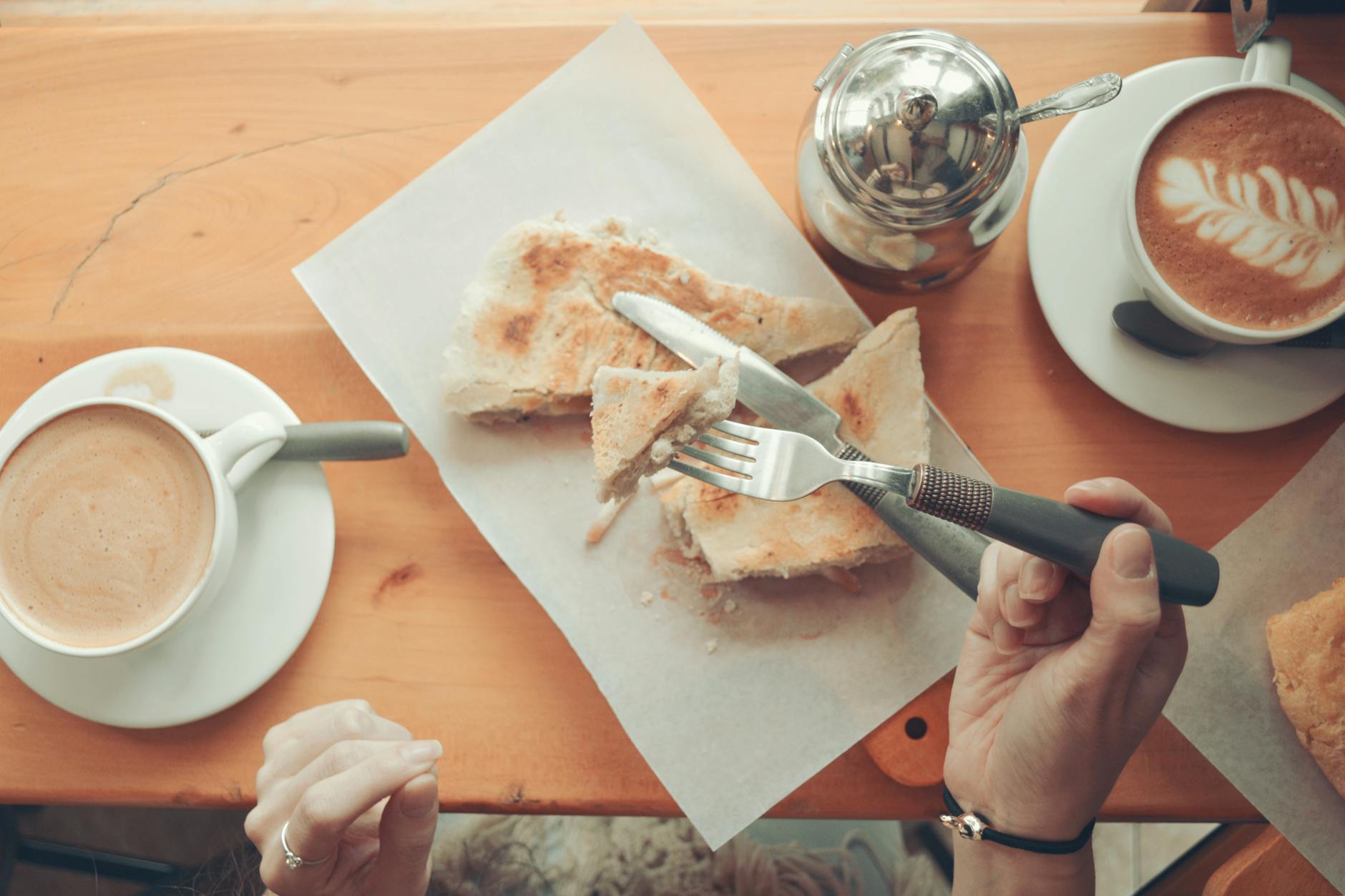
Before diving into restaurants, understand the dishes that define Miami’s culinary identity. These are the flavors that make the city unlike anywhere else in the country, and tasting them all is one of the great joys of visiting.
Cuban sandwich: Miami’s most iconic dish — roasted pork, ham, Swiss cheese, pickles, and yellow mustard pressed between buttered Cuban bread until the crust shatters. The debate over who makes the best one has fueled arguments for generations. The bread matters enormously — authentic Cuban bread is baked with a palmetto leaf that creates a distinctive crackly crust. Every visitor must try at least one, and most locals will insist you try theirs.
Cafecito (Cuban coffee): The fuel of Miami. This tiny, intensely sweet shot of espresso is ordered at ventanitas — walk-up windows — throughout the city. A colada is a larger version meant to share, typically poured into small plastic cups and passed around among coworkers or friends. A cortadito adds a splash of steamed milk. The secret is the espumita — the light brown foam created by vigorously whipping the first drops of espresso with sugar until it becomes a sweet, creamy cap.
Stone crab claws: Available October through May, Florida stone crab is a sustainable delicacy — only the claws are harvested, and the crab regenerates them. Served chilled with mustard sauce, they are sweet, delicate, and unmistakably Miami. Claws are graded by size: medium, large, jumbo, and colossal. Expect to pay $40–$80 per pound depending on size and restaurant.
Ceviche: Miami’s Peruvian and Latin American communities have made this city one of the best places in the U.S. to eat ceviche — raw fish cured in citrus with onions, cilantro, and chili peppers. Every neighborhood has its own interpretation, from classic Peruvian leche de tigre preparations to Ecuadorian shrimp ceviches served with popcorn and plantain chips.
Ropa vieja: Literally “old clothes,” this is Cuba’s national dish — slow-braised shredded beef in a rich tomato sauce with peppers and onions, served over white rice with black beans and sweet plantains. It is comfort food at its finest, and the version you try at a family-run cafeteria in Hialeah will likely be the best you have ever tasted.
Arepas: Miami’s Venezuelan population boom has made these stuffed cornmeal patties ubiquitous. Filled with everything from shredded beef (carne mechada) to black beans and cheese (domino) to chicken and avocado (reina pepiada), they are the perfect grab-and-go meal at any hour.
Croquetas: These creamy, breaded, deep-fried cylinders are the unofficial snack of Miami. Ham croquetas are the classic, but modern versions feature everything from spinach and goat cheese to lobster. Available at every bakery, ventanita, and Cuban restaurant in the city, usually for $1–$3 each.
Griot: Haiti’s gift to Miami — marinated pork shoulder braised until tender, then fried until the edges turn impossibly crispy. Served with pikliz (a spicy pickled cabbage slaw) and rice and beans, griot is one of the most satisfying dishes in the city and a cornerstone of Little Haiti’s food culture.
Cuban Cuisine — The Soul of Miami’s Food Scene
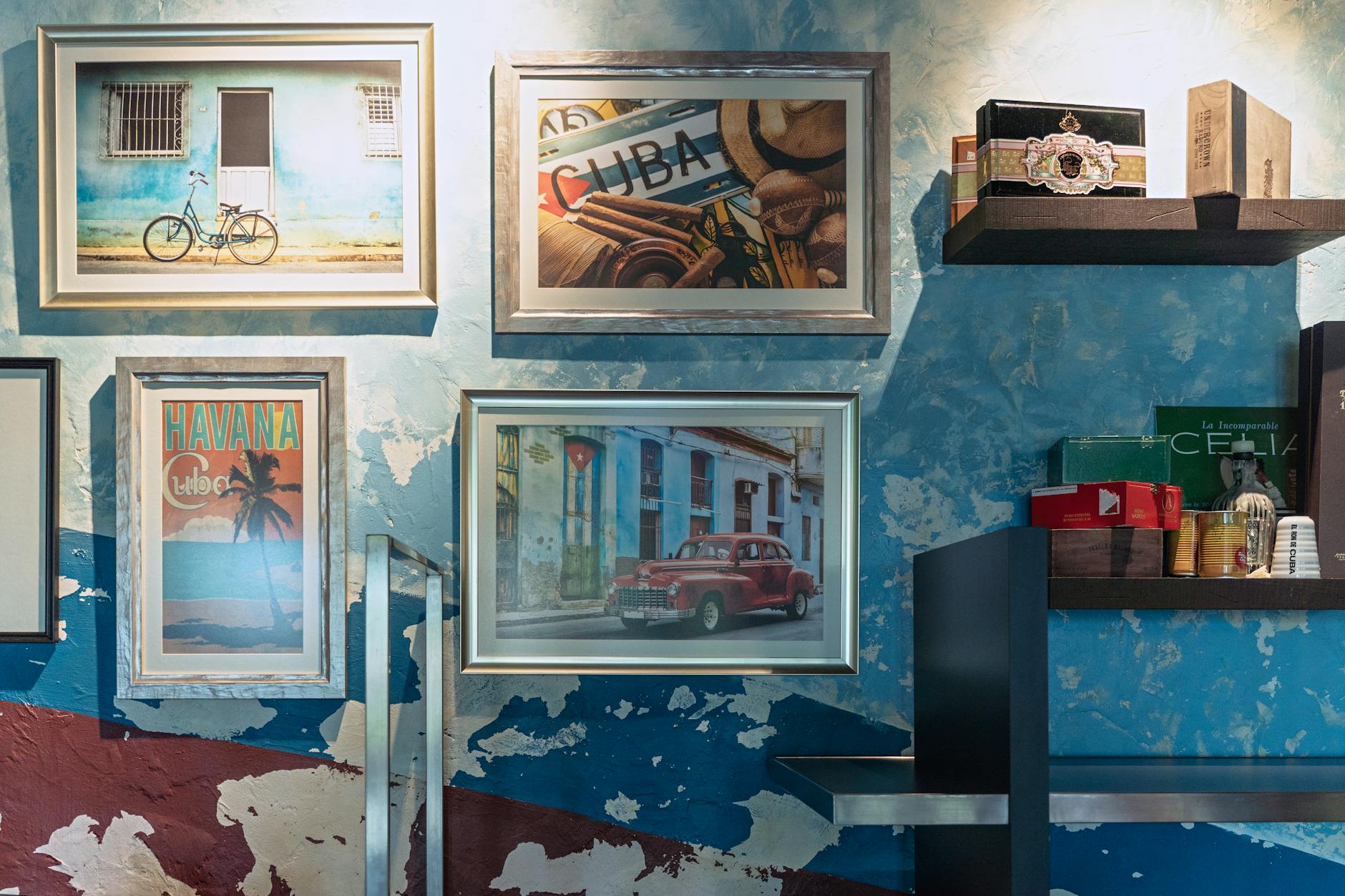
Cuban food is the foundation of Miami’s culinary identity. The city has more Cuban restaurants than any place outside Havana, ranging from no-frills cafeterias to refined modern interpretations. If you are searching for the best restaurants in Miami for authentic Cuban food, you will find them concentrated in Little Havana, Hialeah, and Westchester — but excellent Cuban cooking exists in virtually every Miami neighborhood.
Classic Cuban Restaurants
Versailles Restaurant in Little Havana is the undisputed institution — a mirrored, chandeliered dining room that has served as the gathering place for Miami’s Cuban community since 1971. The menu covers every classic: ropa vieja, lechón asado, vaca frita, picadillo, and the famous Cuban sandwich. The adjacent bakery and ventanita window draw lines throughout the day for pastelitos (guava-and-cheese pastries) and cafecito. Expect entrées in the $14–$22 range, with the atmosphere and history included at no extra charge. On election nights and during major political events, Versailles becomes a gathering point for the Cuban-American community — it is as much a cultural landmark as a restaurant.
La Carreta is another beloved chain with multiple locations, offering generous portions of traditional Cuban food at reasonable prices. Their late-night Bird Road location stays open until 3:30am, making it a lifeline for shift workers, club-goers, and anyone craving a midnight plate of palomilla steak with rice and beans. The masas de puerco (fried pork chunks with onions) are reliably excellent at every location. El Exquisito on Calle Ocho is a no-frills cafeteria where the daily specials — rice, beans, a protein, and plantains — run under $15 and taste like someone’s abuela cooked them. Arrive before noon for the best selection.
Islas Canarias in Westchester deserves a special mention. This family-run restaurant is beloved by locals for what many consider the best Cuban sandwich in Miami — the bread perfectly pressed, the ratio of pork to ham precisely calibrated, the pickles adding the right snap of acid. Their croquetas are similarly legendary. It is the kind of place that rarely appears on tourist lists but always appears on “best of” lists compiled by Miamians.
Modern Cuban and Latin Fusion
Ariete in Coconut Grove has become the standard-bearer for modern Cuban cuisine, where chef Michael Beltran merges homestyle Cuban cooking with French technique. The result — dishes like croqueta-crusted snapper and guava-glazed short ribs — honors tradition while pushing it forward. The dining room is warm and approachable, with entrées in the $28–$45 range, and the bar program features creative cocktails built around tropical fruits and Cuban rum. Doce Provisions in Little Havana brings a farm-to-table sensibility to Cuban classics in a stylish but unpretentious setting, with dishes like smoked fish dip with plantain chips and a Cuban breakfast plate that draws weekend crowds.
Latin American Beyond Cuban — Peruvian, Colombian, Venezuelan, Haitian, and Brazilian
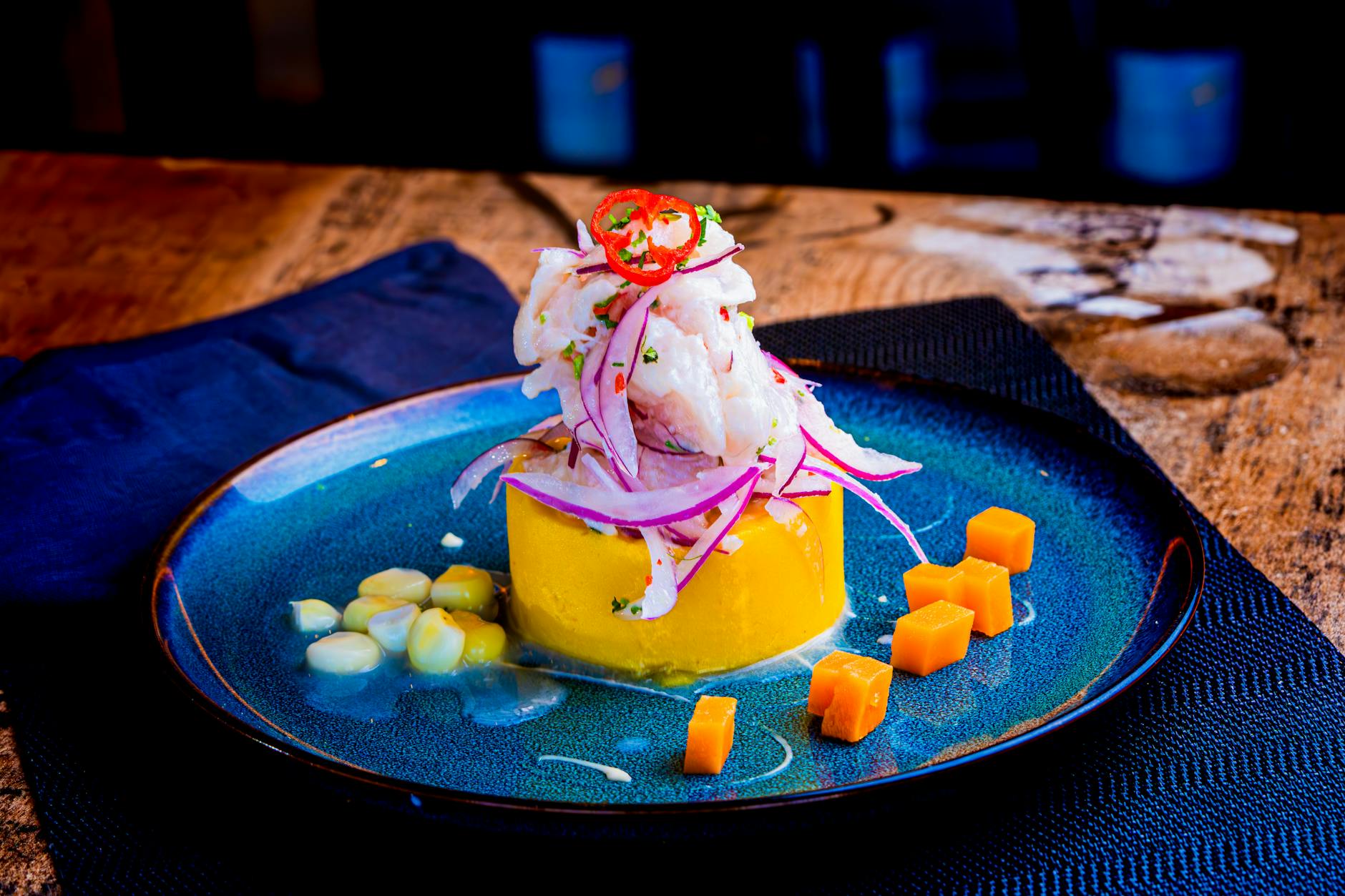
While Cuban food is Miami’s culinary backbone, the city’s Latin American dining scene extends far beyond the island. Waves of immigration from across Central and South America and the Caribbean have made Miami a legitimate gateway to the flavors of the entire hemisphere. Any serious list of the best restaurants in Miami must account for this extraordinary diversity.
Peruvian
Miami has one of the strongest Peruvian dining scenes outside of Lima. La Mar by Gastón Acurio at the Mandarin Oriental in Brickell is the flagship — a gorgeous waterfront restaurant from Peru’s most famous chef, serving immaculate ceviches, tiraditos (Peru’s answer to sashimi, with thin slices of raw fish in a citrusy sauce), and anticuchos (grilled beef heart skewers). Entrées run $30–$55, with the bay views adding immeasurable value. CVI.CHE 105 in Downtown Miami is a more casual and affordable Peruvian option with an enormous ceviche menu — the mixto with fish, shrimp, octopus, and squid is a crowd favorite. In Doral, Pollos & Jarras serves exceptional rotisserie chicken with ají verde sauce, a Peruvian staple that is comfort food at its simplest and best.
Colombian
Doral has become Miami’s unofficial Colombian quarter, packed with panaderías and restaurants. Mondongo’s is a regional chain beloved for its enormous portions of bandeja paisa — a platter of beans, rice, ground meat, chicharrón, fried egg, plantain, avocado, and arepa that could feed two people. La Fogata Colombian Grill specializes in charcoal-grilled meats, including tender churrasco and costillas (ribs) that arrive sizzling on cast-iron platters. For a quick Colombian breakfast, seek out a bakery serving almojábanas (cheese bread rolls) and buñuelos (fried cheese balls) alongside hot chocolate — a morning ritual for many Miami Colombians.
Venezuelan
Miami is home to the largest Venezuelan diaspora community in the United States, and the food reflects that presence everywhere. Doggi’s Arepa Bar has multiple locations and offers dozens of arepa fillings, from the classic reina pepiada (chicken and avocado) to creative options like Nutella and banana. Moreno’s Cuba in Kendall, despite the name, serves outstanding Venezuelan cachapas — sweet corn pancakes folded around melted white cheese. For something more refined, Tamarina in Doral offers modern Venezuelan cuisine with dishes like pabellón spring rolls and cachapa topped with burrata and truffle oil.
Haitian
Little Haiti, centered around NE 2nd Avenue and 54th Street, is the heart of Miami’s Haitian community and one of the most underrated dining neighborhoods in the city. Chef Creole has been the anchor restaurant for decades, serving enormous plates of griot (fried pork), tassot (fried goat), poisson gros sel (whole fried snapper with salt), and diri djon djon (black mushroom rice) at remarkably low prices — most plates are $10–$16. Chez Le Bébé is a tiny, no-frills spot that serves what many consider the best griot in Miami. The neighborhood is evolving, and the food is a compelling reason to explore it — pair a meal with a visit to the Little Haiti Cultural Complex for a full experience.
Brazilian
Fogo de Chão in Miami Beach and Coral Gables offers the full Brazilian churrascaria experience — endless rounds of skewered meats carved tableside, from picanha (top sirloin cap) to lamb chops, alongside a lavish salad bar. For a more casual taste of Brazil, Brazaviva in Doral serves excellent açaí bowls, pão de queijo (cheese bread), and coxinhas (shredded chicken croquettes). The Brazilian community in Miami has also made brigadeiros — chocolate truffles rolled in sprinkles — available at bakeries and specialty shops across the city.
Seafood — Fresh From Florida’s Waters
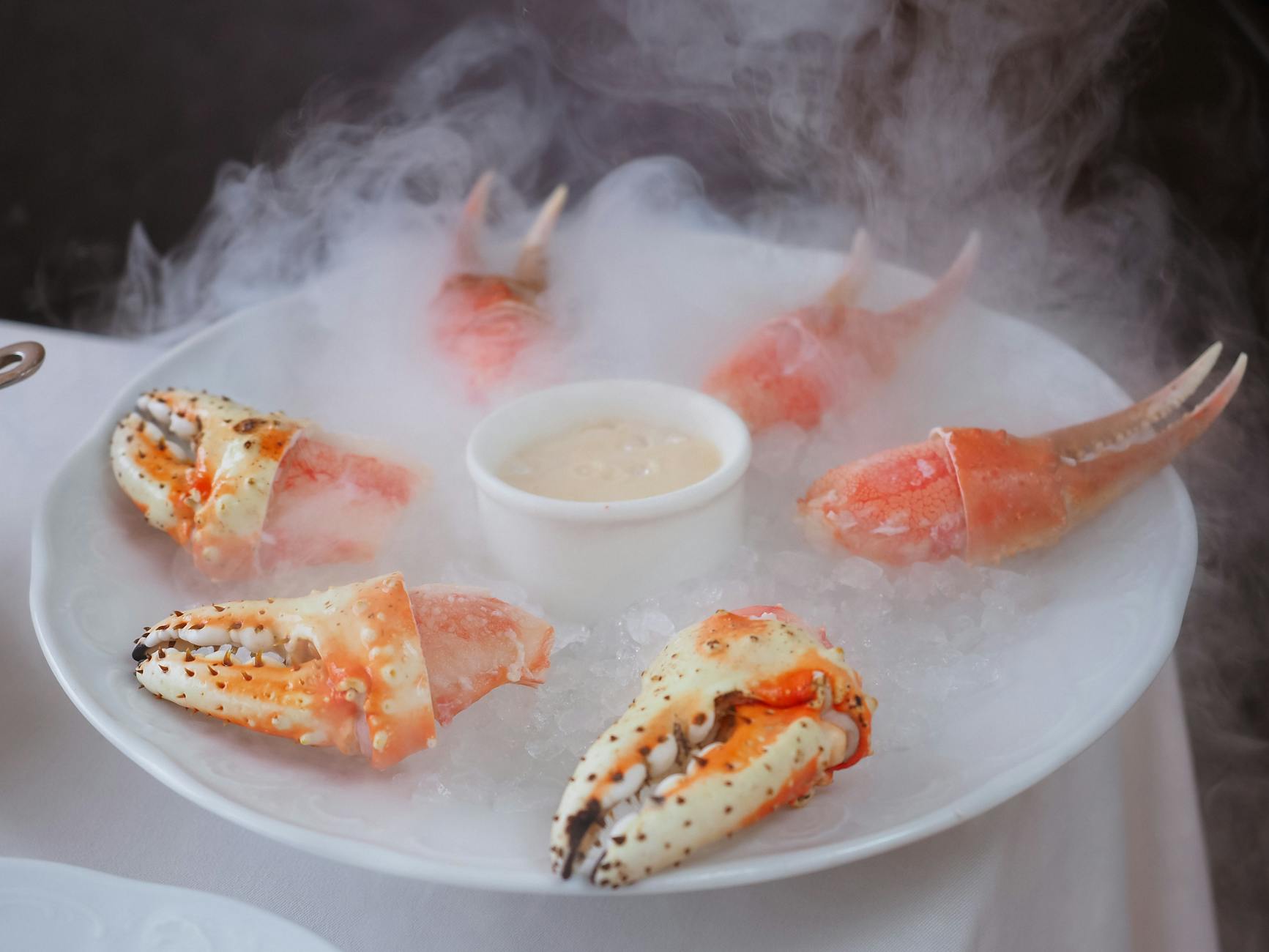
Surrounded by the Atlantic Ocean and Biscayne Bay, Miami has access to some of the freshest seafood in the country. The local catch includes Florida stone crab, yellowtail snapper, mahi-mahi, grouper, Florida spiny lobster, and shrimp from the Gulf and Keys. The proximity to the Florida Keys — just a two-hour drive south — means that much of the fish on Miami’s menus was swimming that same morning. Seafood restaurants consistently rank among the best restaurants in Miami for good reason.
Iconic Seafood Restaurants
Joe’s Stone Crab in South Beach has been a Miami institution since 1913, famous for its stone crab claws served chilled with their signature mustard sauce. The restaurant still does not take reservations — expect a wait of one to two hours during peak season, or go to the takeaway counter for the same claws without the line. Beyond the claws, the creamed spinach, hash browns, and key lime pie are all legendary in their own right. Stone crab season runs October 15 through May 15, and the restaurant closes during the off-season.
Garcia’s Seafood Grille & Fish Market on the Miami River is a no-frills waterfront gem where you eat fresh-off-the-boat fish while watching boats cruise past. The whole fried snapper is legendary — crispy skin, tender white flesh, served with yellow rice and a wedge of lime. The attached fish market means that what you are eating is as fresh as it gets. Arrive early or expect a wait, because word has long been out on this place.
El Floridita on Bird Road is the classic Cuban seafood spot — packed with regulars who come for the garlic shrimp, paella, and attentive service at honest prices. The enchilado de camarones (shrimp in creole sauce) is one of the most satisfying seafood dishes in Miami, and the whole grilled snapper feeds two generously.
Rusty Pelican on Key Biscayne delivers the most spectacular dining view in Miami — the Downtown skyline reflected across Biscayne Bay at sunset — alongside elevated seafood and steaks. Request a table on the terrace and time your reservation for 30 minutes before sunset. Entrées run $35–$60. Casablanca Seafood Bar & Grill on the Miami River offers a similarly scenic, unpretentious waterfront experience with excellent fresh fish at more modest prices.
Casual Seafood and the Keys Connection
Alabama Jack’s in Card Sound, technically on the way to the Keys, is a legendary open-air bar perched on the water where locals gather for cold beer, conch fritters, and smoked fish dip while watching manatees and ospreys. It is cash only, open only on weekends, and worth every bit of the detour.
Captain Jim’s Seafood in North Miami is a neighborhood fish market and restaurant where the fried shrimp basket and grilled mahi sandwich are simple, generous, and perfectly executed. Truluck’s in Miami Beach and Brickell offers a more polished experience, with an excellent raw bar and stone crab service during season that rivals Joe’s at slightly lower prices. Seasalt and Pepper on the Miami River has become a go-to for upscale waterfront seafood — their branzino and lobster truffle mac and cheese are standouts, and the ambiance on the river at night is genuinely romantic.
For the freshest possible fish, visit the Fish Market at Biscayne Bay or the seafood vendors at the Flagler Fish Company, where you can buy whole fish, stone crab claws, and shrimp directly and have it cooked on site or take it back to your rental.
Fine Dining — Miami’s Culinary Ascent
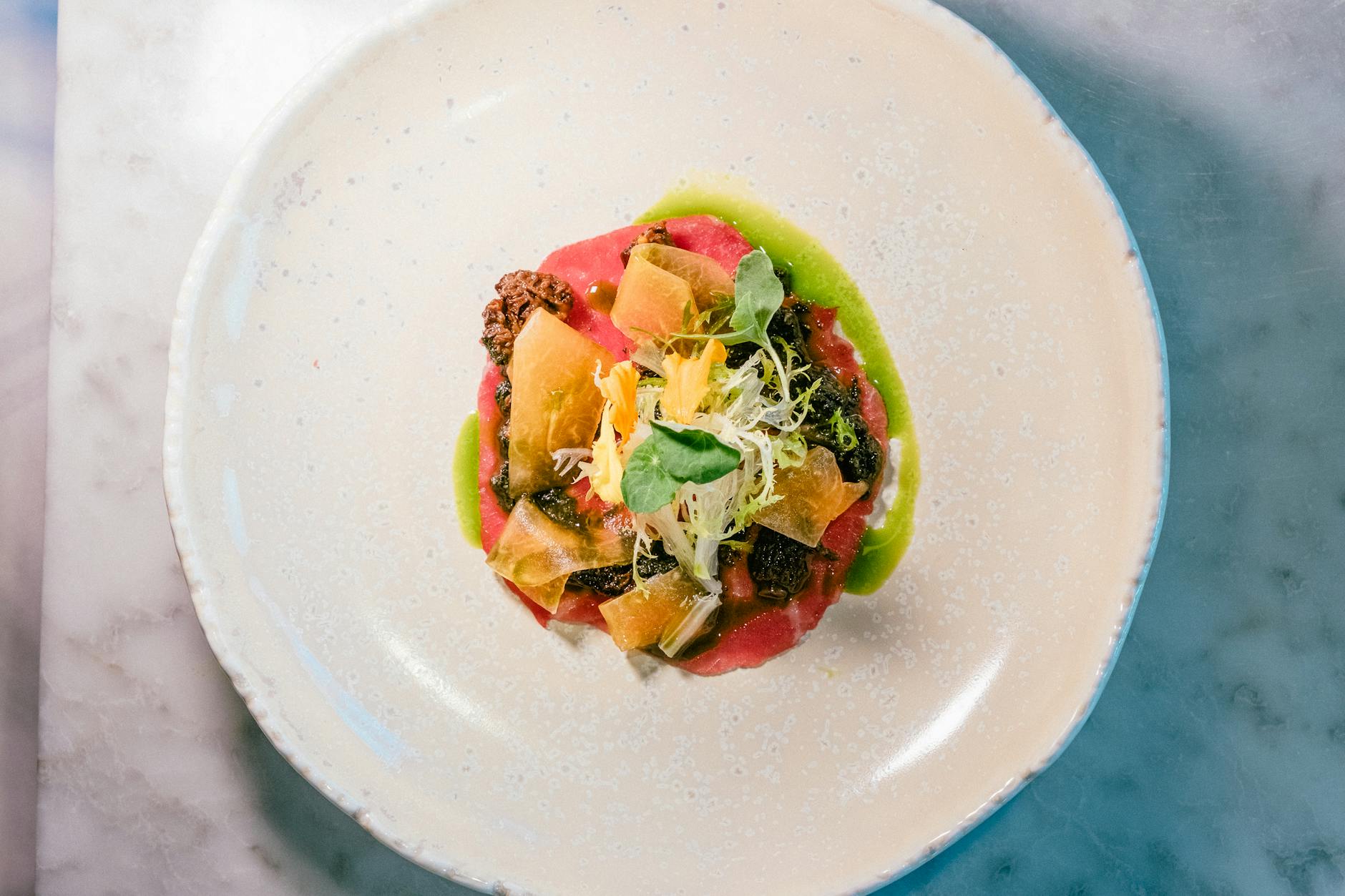
Miami’s fine dining scene has matured dramatically, earning Michelin recognition and attracting internationally acclaimed chefs. The city now stands among the top culinary destinations in America, and the best restaurants in Miami at the fine-dining level compete with anything in New York, Chicago, or San Francisco.
Top Fine Dining Restaurants
Naoe in Brickell is one of Miami’s most extraordinary dining experiences — a tiny omakase counter where chef Kevin Cory presents a multi-course Japanese meal using ingredients flown in daily from Tokyo’s Tsukiji Market. The meal typically includes a bento box, sashimi, nigiri, and a hot course, with exceptional sake pairings. Expect to spend $250–$350 per person. Reservations are essential and often booked weeks in advance — plan ahead.
Boia De in the Upper Eastside has earned a devoted following (and Michelin recognition) for its inventive Italian-inspired cooking in an intimate, 30-seat space. Dishes like rigatoni with white Bolognese, crispy chicken thigh with chili and honey, and their signature mortadella focaccia exemplify the restaurant’s ability to make simple ingredients extraordinary. The wine list is thoughtfully curated and fairly priced. Expect to spend $80–$120 per person before wine.
Carbone at the Surf Club in Surfside brings the legendary New York Italian-American experience to Miami with tableside Caesar salads, veal parmesan the size of a catcher’s mitt, and impeccable service in a glamorous mid-century setting designed by Richard Meier. The spicy rigatoni vodka is worth every penny of its $32 price tag, and the theatricality of the service — tuxedoed waiters, dramatic presentations — makes it feel like an event. Budget $150–$250 per person.
Cotoa in a North Miami strip mall is turning out some of the city’s most inventive cooking, with Chef Alejandra Espinoza rethinking traditional Latin American dishes through a fine-dining lens. Le Jardinier in the Design District offers refined vegetable-forward French cuisine from Michelin-starred chef Alain Verzeroli, proving that Miami fine dining is not only about steak and seafood. Stubborn Seed in South Beach, helmed by Top Chef winner Jeremy Ford, serves a tasting menu that blends global techniques with local ingredients — the sea urchin pasta and wagyu tartare are exceptional.
Brunch Culture — Miami’s Favorite Weekend Ritual
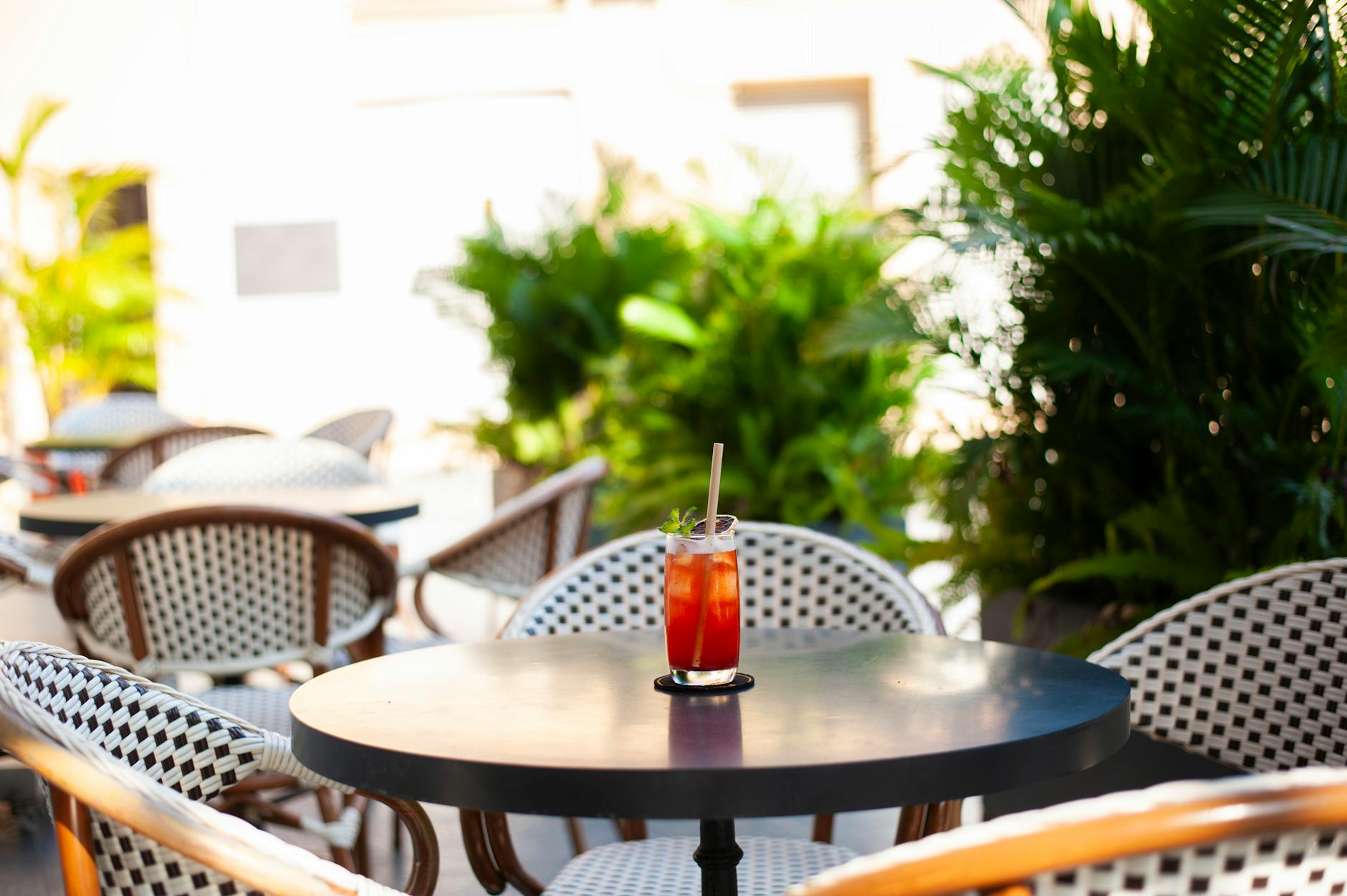
Brunch in Miami is not just a meal — it is a weekend institution. The city’s warm weather, outdoor dining culture, and love of lingering over food make brunch one of the defining dining experiences for visitors. Many of the best restaurants in Miami put their most creative energy into their weekend menus.
Best Brunch Spots by Neighborhood
Greenstreet Cafe in Coconut Grove is the quintessential Miami brunch — a sidewalk cafe where you linger for hours over eggs Benedict, fresh-squeezed juices, and bottomless mimosas while watching the Grove go by. The French toast with caramelized bananas is a long-standing favorite. Arrive by 10:30am on weekends or face a serious wait.
Michael’s Genuine Food & Drink in the Design District serves one of Miami’s most respected brunches, with dishes like wood-oven eggs with chorizo, homemade English muffins, and a raw bar that would be the envy of many dinner-only restaurants. The open kitchen and buzzy atmosphere make it feel like a celebration.
Eating House in Coral Gables earned its reputation on brunch, and dishes like Captain Crunch French toast (yes, coated in cereal) and smoked salmon Benedict have become cult favorites. It is creative, indulgent, and unpretentious — Miami brunch at its best.
Nikki Beach in South Beach takes brunch to a whole different register — a beachfront affair with DJ sets, rosé by the bottle, and a buffet spread of sushi, carving stations, and charcuterie alongside traditional brunch plates. It is as much a scene as a meal, and if you want the glamorous, see-and-be-seen South Beach experience, this is where you find it. Budget $60–$90 per person.
OTL in Wynwood offers a more relaxed vibe with excellent coffee, avocado toast done right, and a rotating menu of creative egg dishes in a space decorated with local art. Lolo’s Surf Cantina on South Beach serves a Mexican-leaning brunch with chilaquiles, breakfast burritos, and frozen margaritas that pair surprisingly well with Saturday morning. For something truly unique, Boia De occasionally runs a Sunday brunch with a short, impeccable menu — check their social media for dates.
Miami’s Food Halls and Markets
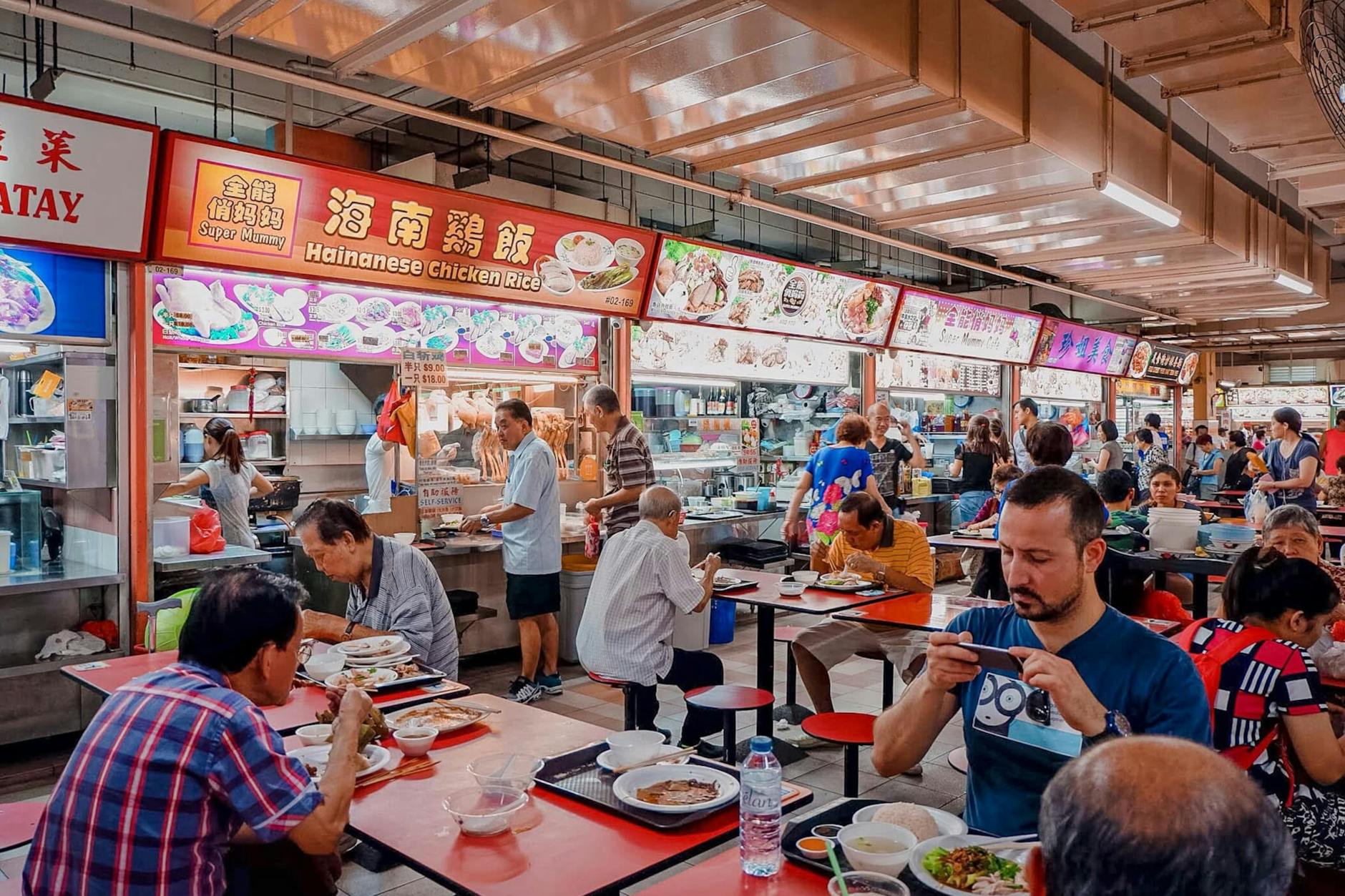
Food halls have become one of the best ways to sample Miami’s culinary diversity in a single visit. They bring together multiple vendors under one roof, letting you taste your way through the city’s cuisine without committing to a single restaurant.
Time Out Market Miami
Time Out Market in South Beach (1601 Drexel Avenue) is the crown jewel of Miami’s food hall scene. Curated by the editors of Time Out magazine, it gathers some of the city’s best chefs and restaurants under one roof. You can sample Kyu’s famous roasted cauliflower, ceviche from Perlita, and sweets from Coyo Taco all in one visit. The communal seating and full bar make it easy to spend a long, unhurried afternoon tasting and exploring. Most dishes run $12–$22, making it an affordable way to try multiple high-quality kitchens. Open daily for lunch and dinner, with weekend brunch options.
La Cocina
La Cocina in Little Havana is a newer addition that focuses specifically on Latin American street food — arepas, empanadas, tamales, ceviches, and tropical juices from vendors representing Colombia, Venezuela, Mexico, and Cuba. It is smaller and less polished than Time Out Market, but the food is more authentically rooted in the surrounding neighborhood. Prices are lower too — most items are $6–$14. It is an excellent first stop on a walking tour of Calle Ocho.
Lincoln Road Farmers Market
Every Sunday from October through May, Lincoln Road in South Beach hosts an open-air farmers market that draws both locals and visitors. Vendors sell fresh tropical fruits (mamey, guanabana, star fruit), artisan cheeses, fresh-baked bread, local honey, prepared foods, and freshly squeezed juices. It is a wonderful way to spend a Sunday morning — grab breakfast from the food stalls, browse the produce, pick up gifts to take home, and absorb the neighborhood atmosphere. The market runs from approximately 9am to 2pm.
Other Markets Worth Visiting
The Coconut Grove Farmers Market on Saturdays is a long-running local favorite with organic produce, smoothies, and prepared foods. The Citadel in Little River is a food hall and events space with rotating vendors and a rooftop bar. And in Doral, the Downtown Doral Farmers Market on Saturdays reflects the neighborhood’s Latin American character, with Colombian, Venezuelan, and Peruvian vendors alongside more traditional market fare.
Where to Eat by Neighborhood
Miami is a city of distinct neighborhoods, each with its own dining personality. Understanding which neighborhoods specialize in what will help you make the most of your meals. Consult our Miami neighborhoods guide for a deeper look at the character of each area.
Little Havana
The epicenter of Cuban food. Beyond Versailles, try Azucar Ice Cream Company for inventive tropical flavors (the Abuela María with vanilla, guava, and cream cheese is legendary), Los Pinareños Frutería for fresh sugarcane juice and tropical fruit smoothies, and Ball & Chain for live salsa music alongside Cuban bar food and cocktails. A walk down Calle Ocho from 12th to 17th Avenues is a culinary adventure in itself — sampling as you go is the only proper approach.
Wynwood
The neighborhood has transitioned from food trucks to established restaurants. KYU earned a Michelin Bib Gourmand for its wood-fired Asian cooking — the roasted cauliflower with shishito peppers is a must-order. Salty Donut serves artisanal doughnuts that draw weekend lines. Wynwood Kitchen & Bar offers Latin-inspired dishes surrounded by murals from prominent street artists. Pair your meal with a walk through the Wynwood Walls — Miami’s street art scene is one of its cultural highlights.
Brickell
The widest international variety in a concentrated area. La Mar by Gastón Acurio at the Mandarin Oriental serves Peruvian ceviche and tiraditos with waterfront views. Zuma delivers contemporary Japanese izakaya cuisine in a sophisticated setting — the miso-marinated black cod is outstanding, and the weekend brunch is one of the most popular in the city. For casual dining, Brickell City Centre houses a curated collection of restaurants spanning cuisines from Italian to Mexican to Korean.
Design District
Michael’s Genuine Food & Drink is a neighborhood institution known for farm-to-table cooking and one of Miami’s best brunches. Mandolin Aegean Bistro transports you to a Greek island with its garden courtyard and Mediterranean menu — the spreads, grilled octopus, and lamb chops are all superb. MC Kitchen offers modern Italian with an emphasis on handmade pastas.
Coral Gables
Bulla Gastrobar serves excellent Spanish tapas on Miracle Mile — the patatas bravas and Ibérico ham croquettes are standouts. Eating House earned a devoted following for its creative comfort food in a strip-mall setting — proof that in Miami, the best food often hides in the most unassuming locations. Ortanique on the Mile has been a Coral Gables institution for Caribbean-fusion cuisine, with jerk-marinated dishes and tropical sauces that reflect the chef’s Jamaican heritage.
Coconut Grove
Ariete leads the neighborhood’s dining renaissance with modern Cuban cuisine. Leku at the Rubell Museum offers Basque-inspired cuisine in an art-filled setting — dining there is part meal, part cultural experience. Greenstreet Cafe is the Grove’s beloved sidewalk cafe, perfect for people-watching over a long brunch.
South Beach
South Beach is tourist territory, which means it has both the highest concentration of overpriced mediocrity and some genuinely excellent restaurants. Skip the Ocean Drive tourist traps and seek out Joe’s Stone Crab for a classic, Yardbird Southern Table for fried chicken and bourbon, and Juvia for a rooftop experience blending Japanese, Peruvian, and French cuisines with panoramic views. On Lincoln Road, Meat Market serves excellent steaks in a stylish setting.
Coffee Culture — Beyond the Cafecito
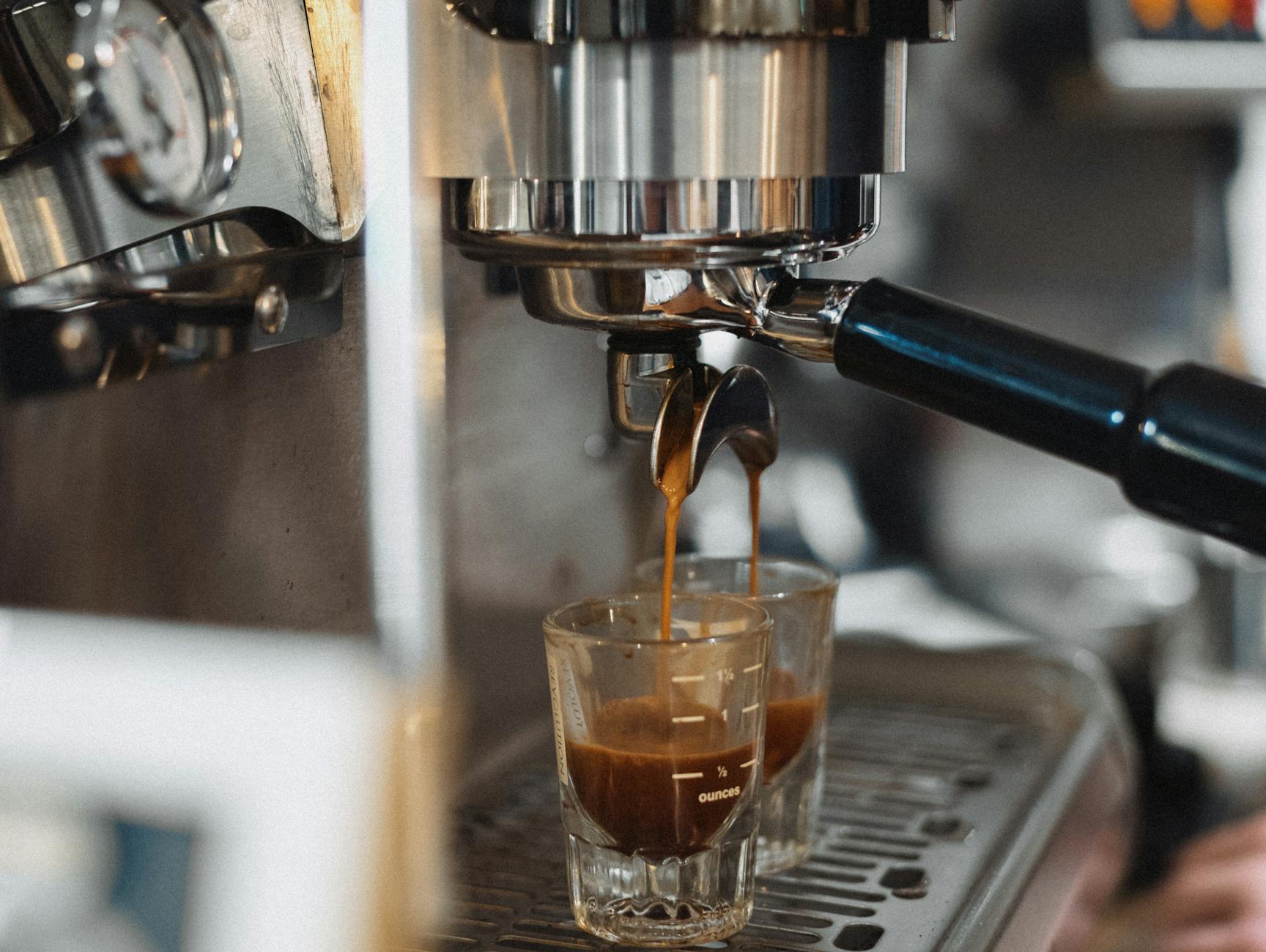
Miami’s coffee culture starts with the cafecito but extends well beyond it. The city has developed a layered cafe scene where Cuban tradition coexists with third-wave specialty coffee, creating something uniquely its own.
The Ventanita Tradition
The ventanita — the walk-up coffee window — is Miami’s most distinctive coffee tradition. Found at Cuban bakeries, gas stations, and standalone windows throughout Little Havana, Hialeah, and Westchester, ventanitas serve cafecito ($1–$2), cortaditos ($2–$3), and café con leche ($3–$4) alongside croquetas and pastelitos. The experience is as much social as it is caffeinated — locals gather at the window to gossip, debate, and catch up while sipping tiny cups. Versailles Bakery, La Carreta’s walk-up window, and Palacio de los Jugos all have iconic ventanitas.
Third-Wave and Specialty Coffee
Panther Coffee, which started in Wynwood and now has locations across the city, was one of the first to bring specialty coffee culture to Miami. They roast their own beans and serve precise pour-overs and espresso drinks in airy, art-filled spaces. All Day in Wynwood has become another hub, with beautifully presented lattes and a food menu that goes well beyond pastries.
Cafe Grumpy brought its New York roots to the Design District, offering single-origin coffees in a sleek space. Vice City Bean in Brickell is a local favorite for quick espresso drinks. And Threefold Cafe in Coral Gables brings Australian cafe culture to Miami, with flat whites, avocado toast, and an all-day brunch menu that makes it one of the best casual restaurants in the Gables.
What makes Miami’s coffee culture special is the coexistence — you can start your morning with a $1.50 cafecito at a Little Havana ventanita and end your afternoon with a $7 single-origin pour-over in Wynwood, and both experiences are authentically Miami.
Late-Night Eats — Where to Eat After Midnight
Miami is a late-night city. Clubs close at 5am, and the dining scene has adapted accordingly. When hunger strikes at 2am, these spots deliver.
La Carreta (Bird Road) is the undisputed king of late-night Cuban food, open until 3:30am and serving the full menu — croquetas, Cuban sandwiches, palomilla steaks, and cortaditos — to a cross-section of Miami life that includes clubbers, nurses, taxi drivers, and insomniacs. It is one of the best restaurants in Miami for an authentic after-hours experience.
Coyo Taco in Wynwood stays open until 3am on weekends and has a hidden bar behind a bookshelf entrance. The tacos — al pastor, carnitas, barbacoa — are legitimately good, not just good-for-3am good. The location inside Wynwood makes it a natural stop during a night out in the neighborhood.
David’s Cafe on Alton Road in South Beach is a round-the-clock Cuban diner where models, bartenders, and tourists share the counter at 4am over medianoche sandwiches (the sweeter, smaller cousin of the Cuban sandwich) and café con leche. Pizza Tropical, a local chain, serves Cuban-style pizza (lighter cheese, thinner crust) until the early hours at multiple locations.
Taqueria El Mexicano in several locations offers tacos and burritos well past midnight. And for something more upscale, Swan in the Design District (from Pharrell Williams and David Grutman) serves a late-night menu on weekends until 2am in one of the most stylish dining rooms in the city.
The key to late-night eating in Miami is knowing that Cuban restaurants are your most reliable option — many cafeterias in Hialeah and along Calle Ocho keep surprisingly late hours, and the food is just as good at midnight as it is at noon.
Budget Eating — Miami on the Cheap
You do not have to spend a fortune to eat spectacularly in Miami. In fact, some of the best restaurants in Miami are the ones where your total bill barely tops $15. Here is how to eat well without breaking the bank:
Cuban cafeterias throughout Little Havana, Hialeah, and Westchester serve complete plates (protein, rice, beans, plantains) for $10–$16. These are full, satisfying meals cooked fresh daily. The rotation typically includes ropa vieja, lechón asado, bistec empanizado (breaded steak), and chicken fricassee. Ask for a plato del día (daily special) for the best value.
Ventanitas (walk-up coffee windows) sell cafecito for $1–$2, croquetas for $1–$3, and pastelitos for under $3. They are everywhere in Little Havana and increasingly across the city. A cafecito and two ham croquetas for under $5 is one of the best deals in American dining.
Food trucks along NW 2nd Avenue in Wynwood and throughout the city serve Caribbean and Latin American food for $8–$14 — often better than the sit-down restaurants nearby.
Venezuelan arepas shops have exploded across Miami, serving stuffed cornmeal patties for $6–$10. Try Doggi’s Arepa Bar or La Latina Arepas.
Haitian restaurants in Little Haiti serve enormous plates of griot, tassot, or fish for $10–$16, including rice, beans, and fried plantains. These are some of the most generous portions in the city.
Supermarket delis: Sedano’s, Presidente, and other Latin supermarkets have hot food counters serving fresh Cuban and Latin dishes at very low prices — a well-kept local secret. A full plate of lechón with rice and beans from a supermarket deli can cost as little as $7.
Happy hours: Many of the best restaurants in Miami offer happy hour specials between 4pm and 7pm, with half-price cocktails and discounted appetizers. Brickell in particular is loaded with happy hour options that let you sample upscale restaurants at budget-friendly prices.
Miami Food Festivals and Events
Miami’s food calendar is packed year-round, but certain events are worth planning your trip around. If you are exploring things to do in Miami, timing your visit to coincide with a food festival adds another dimension to the experience.
South Beach Wine & Food Festival (February): The city’s biggest food event, featuring celebrity chef dinners, tastings on the beach, and cooking demonstrations over four days. Events sell out quickly — book early if a specific dinner interests you.
Calle Ocho Festival (March): Millions of visitors descend on Little Havana for the country’s largest Hispanic festival, with street food vendors serving Cuban, Colombian, Peruvian, and Caribbean fare. The energy is infectious and the food is abundant and affordable.
Stone crab season opening (October 15): The unofficial start of Miami’s culinary high season. Joe’s Stone Crab’s opening day is practically a holiday.
Spice Restaurant Month (August and September): Miami’s version of restaurant week, where dozens of restaurants offer prix-fixe lunch ($28) and dinner ($42) menus. It is the best time to try fine-dining restaurants at a fraction of the regular price, and it overlaps with the off-season, meaning fewer crowds and easier reservations.
Wynwood Life (year-round): Monthly art and food festivals in Wynwood featuring local food vendors, live music, and artisan markets.
Practical Dining Tips
Reservations: Essential for popular restaurants, especially in South Beach, Brickell, and the Design District. Book at least a week ahead for dinner, two weeks or more for hot spots during peak season. OpenTable and Resy are both widely used. For the most in-demand spots like Carbone, Naoe, and Boia De, book as far in advance as the system allows.
Tipping: Standard tipping in Miami is 18–20% for sit-down dining. Some restaurants add an automatic gratuity (usually 18%) for larger parties — check your bill before adding more. At Cuban cafeterias and casual counters, tipping is appreciated but not always expected at the same percentage.
Dress code: Miami dines casual. At most restaurants, neat casual attire (no flip-flops or swimwear) is fine. Fine dining spots may request collared shirts for men. South Beach restaurants tend to skew a bit dressier in the evening.
Timing: Miamians eat late. Dinner reservations before 7pm are easy to score; the rush starts at 8pm and runs until 10:30pm. For popular restaurants, dining early or late gives you the best chance of a table. Brunch on weekends peaks between 11am and 1pm — arriving at 10am or after 2pm avoids the worst waits.
Happy hours: Many Brickell and Wynwood restaurants offer happy hour deals (typically 4–7pm) with discounted drinks and appetizers. This is one of the best ways to sample high-end restaurants on a budget.
Navigating South Beach: Avoid the restaurants with sidewalk hawkers on Ocean Drive — they are almost universally mediocre and overpriced. Walk one or two blocks inland to Collins Avenue, Washington Avenue, or Alton Road for substantially better food at lower prices. The best restaurants in Miami Beach are rarely on the waterfront strip.
Driving and parking: Miami is a driving city, and many of the best restaurants require a car to reach. Valet parking ($10–$25) is common at upscale restaurants. In Brickell and Wynwood, Uber or Lyft is often easier than finding street parking.
Frequently Asked Questions About Miami Food
What food is Miami known for?
Miami is best known for Cuban cuisine (the Cuban sandwich, cafecito, ropa vieja, croquetas), fresh seafood (stone crab claws, yellowtail snapper, ceviche), and a broader Latin American food scene that includes Venezuelan arepas, Peruvian ceviche, Colombian empanadas, and Haitian griot. The city’s food identity is shaped by its immigrant communities, and exploring the best restaurants in Miami means eating your way through dozens of cultures.
What is the best restaurant in Miami?
There is no single “best” — it depends on what you are looking for. For fine dining, Naoe and Boia De are among the most acclaimed. For Cuban food, Versailles is the iconic institution. For seafood, Joe’s Stone Crab is legendary. For a modern Miami experience, Ariete and KYU represent the city’s culinary evolution. The beauty of Miami’s dining scene is its depth across every price point.
Where should I eat in Miami on a budget?
Little Havana’s Cuban cafeterias serve complete meals for $10–$16. Ventanitas sell cafecito and snacks for $1–$3. Food trucks in Wynwood and along NW 2nd Avenue offer excellent meals for $8–$14. Venezuelan arepa shops across the city serve filling meals for $6–$10. Haitian restaurants in Little Haiti offer enormous plates for $10–$16. And Spice Restaurant Month in August and September brings prix-fixe menus to dozens of upscale restaurants.
Is Miami a good food city?
Miami is one of America’s best food cities. Its unique blend of Cuban, Caribbean, Latin American, and global cuisines creates a dining scene unlike anywhere else in the country. The city has earned Michelin recognition and attracts world-class chefs, while its street-level food culture — ventanitas, food trucks, cafeterias — remains vibrant and affordable. The range from $3 cafecito to $300 omakase, all excellent, is what makes the best restaurants in Miami so exciting to explore.
What is stone crab season in Miami?
Florida stone crab season runs from October 15 through May 15. During this season, stone crab claws are available fresh at restaurants and markets across the city. Joe’s Stone Crab is the most famous destination, but many seafood restaurants — including Truluck’s, Garcia’s, and numerous neighborhood spots — offer excellent stone crabs at lower prices. Outside of season, frozen claws are available but lack the sweetness of fresh ones.
Do I need reservations for Miami restaurants?
For popular restaurants, especially in South Beach, Brickell, and the Design District, reservations are strongly recommended. Book at least a week ahead during peak season (December through April). Casual restaurants, Cuban cafeterias, and food trucks do not take reservations. For the city’s top fine-dining spots, booking two to four weeks in advance is advisable.
What are the best food neighborhoods in Miami?
Little Havana for Cuban food, Little Haiti for Haitian cuisine, Brickell for international fine dining, Wynwood for trendy restaurants and food halls, Coral Gables for upscale casual dining, and Doral for Colombian and Peruvian food. Each neighborhood has a distinct culinary personality — plan to eat in at least three or four different areas during your visit for the fullest picture of what Miami offers.
More on the Best Restaurants in Miami
Picking the best restaurants in Miami means matching cuisine to neighborhood: Cuban in Little Havana, Haitian in North Miami, peruvian in Brickell, fine seafood in South Beach. The guides below help you find the best restaurants in Miami by area, occasion, and budget.
For more best restaurants in miami resources from official sources, visit The Infatuation Miami restaurant reviews.