LGBTQ+ Miami Guide
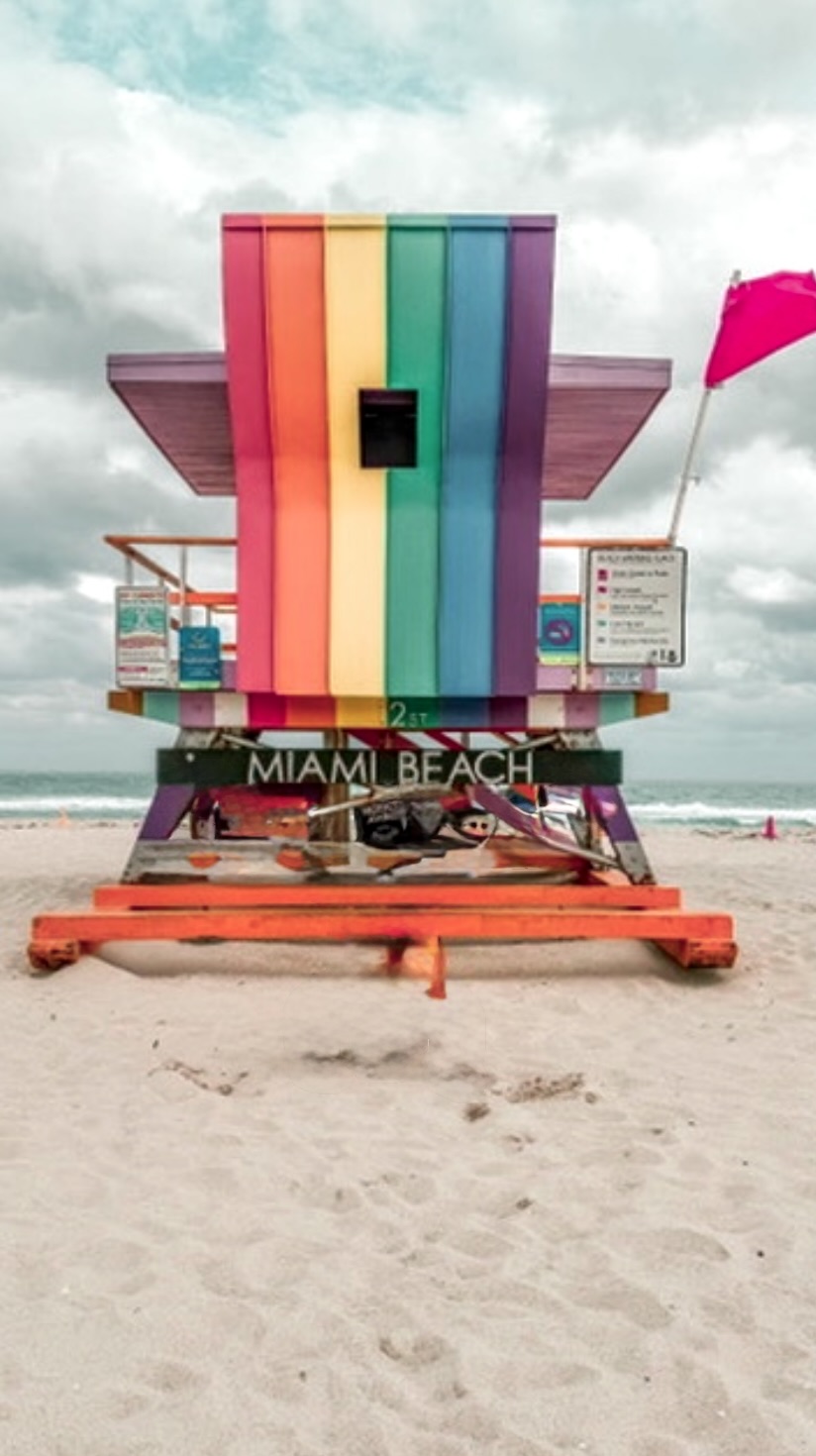
There is a lifeguard tower at the end of 12th Street painted in rainbow stripes, and it is not a marketing exercise — it marks the stretch of sand that has been the center of gay Miami for four decades, through a period when the city was one of the least welcoming places in America and through the years when gay men and lesbians did more than anyone else to save the Art Deco district from demolition. Understanding that history explains why Miami Beach feels the way it does today.
This guide covers the practical version: the beaches, the bars that are still standing, the drag brunches, where to stay, the annual calendar, and the honest question of where the scene actually is now — because a large part of the answer is forty minutes north in Wilton Manors, and no guide that pretends otherwise is being straight with you. Checked September 2026; venues in this city open and close quickly, so confirm before you build an evening around one.
At a Glance
| What | Where | When |
|---|---|---|
| The gay beach | 12th Street at Ocean Drive, Miami Beach | Any day; busiest weekends |
| Clothing-optional | Haulover Beach, towers 12–16 | Daily, lifeguarded year-round |
| The bar strip | Washington Avenue and Ocean Drive, South Beach | Thursday to Sunday |
| The dense scene | Wilton Drive, Wilton Manors | Every night; 40 minutes north |
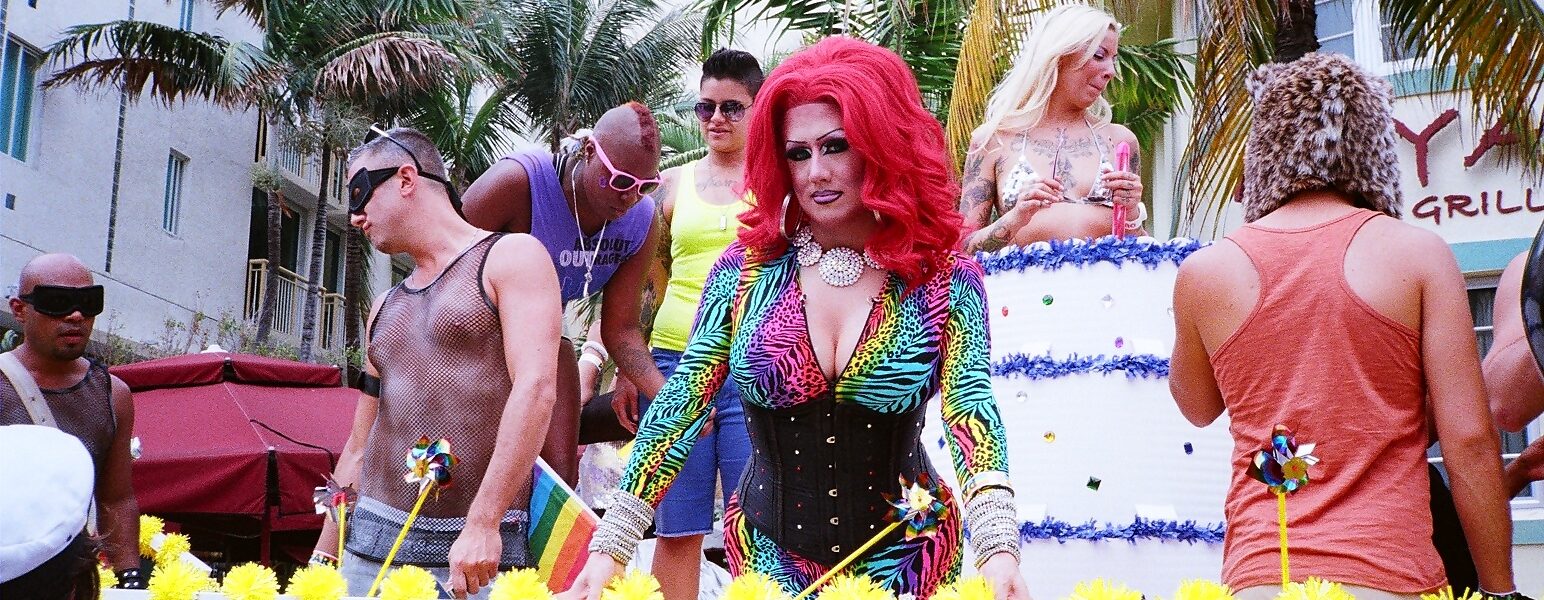
| Miami Beach Pride | Ocean Drive parade, Lummus Park festival | Second weekend of April |
| Winter Party Festival | Miami Beach | Late February into early March |
| Stonewall Pride | Wilton Manors | June |
| Drag brunch | Ocean Drive and Wynwood | Saturday and Sunday |
The Beaches
12th Street Beach
Where Ocean Drive meets 12th Street, and the default meeting point for gay Miami since the 1980s. The rainbow lifeguard tower — designed by the architect William Lane, who was responsible for much of the distinctive tower program along this coast — is the landmark, and the crowd spreads out on either side of it. It is busiest on weekend afternoons and in the run-up to Pride, and it is entirely unremarkable on a Tuesday morning, which is its own kind of pleasure.
Practicalities are the same as anywhere on Miami Beach: the sand is public and free, the loungers in front of the hotels are not, alcohol and smoking are prohibited year-round and actually enforced, and parking is metered and difficult. Our Miami beaches guide has the full rulebook.
Haulover
Twenty minutes north, Florida’s oldest officially recognized clothing-optional beach, and the clothing-optional section between lifeguard towers 12 and 16 has a long-established gay stretch at its northern end. It is lifeguarded, signposted, and much more ordinary in atmosphere than its reputation suggests — families, retirees and regulars, all behaving completely normally. Photography is prohibited there and the rule is taken seriously; do not test it.
Parking is $7 Monday to Thursday and $10 at weekends and on holidays, and the lots close an hour before sunset.
A Short History, Because It Explains the City
Miami’s relationship with its LGBTQ+ population is not a straight line, and the two turning points are worth knowing.
In January 1977, Dade County passed an ordinance banning discrimination on the basis of sexual orientation. Within months, a campaign led by the singer Anita Bryant had forced a referendum and the ordinance was repealed by a large margin — a defeat that made national news and became a catalyst for gay political organizing across the United States. It took until 1998 for a comparable protection to be restored in Miami-Dade.
The second turning point was architectural. Through the 1980s, South Beach was a decaying district of derelict Art Deco hotels widely expected to be demolished. The people who bought, restored and reopened them — and who ran the bars, restaurants and clubs that gave anyone a reason to come — were disproportionately gay men. The neighborhood that now charges $700 a night was rebuilt, in large part, by a community that had been voted against in a landslide twenty years earlier. Our Art Deco district guide covers the buildings; this is the part of the story it does not always tell.
Gianni Versace’s 1992 purchase and restoration of the mansion on Ocean Drive, and his murder outside it in 1997, sits in the middle of that arc and is the single most-photographed address on the street.
Nightlife in Miami Beach
Here is the honest position: South Beach has fewer dedicated gay venues than it did fifteen years ago. Rents rose, the neighborhood changed, and several institutions closed. What remains is good, and there is a great deal of mixed nightlife that is entirely comfortable, but if you have arrived expecting a dense gay village you will be looking for something that has largely relocated north.
Twist
Washington Avenue at 11th Street, and the anchor of the strip. Seven bars across two floors, three dance floors, a courtyard, a rooftop, and an extended two-for-one happy hour every day. There is no cover. It is open late, it fills after midnight, and it has outlasted almost everything around it — which tells you most of what you need to know. If you are only going to one gay bar in Miami Beach, this is it.
Palace Bar
Ocean Drive at 10th Street, directly across from the beach, and the home of Miami’s best-known drag brunch. The performers work the sidewalk and the street itself, which turns Ocean Drive into a stage and makes it one of the few genuinely fun things happening on that road. Book ahead for weekend brunch; walking up at noon on a Sunday will not work.
The mixed scene
Beyond those, a great deal of Miami Beach and Wynwood nightlife is mixed and unbothered. Our South Beach nightlife, best clubs and Wynwood nightlife guides cover it. Wynwood in particular has a young, queer-friendly bar and warehouse scene that is often more interesting than anything on Washington Avenue, and it is where a lot of the city’s actual creative energy now sits.

Drag and Cabaret
Drag is one of the things Miami does properly, and it runs well beyond the gay bars.
- Palace Bar on Ocean Drive — the sidewalk brunch, the one everybody has seen a video of.
- R House in Wynwood — a gallery-restaurant whose drag brunch became nationally known, and a very different room from the beach: art on the walls, a young mixed crowd, and a long wait for a table. See our Miami brunch guide.
- Wilton Manors — the Sunday brunch circuit along the Drive, and the cabaret rooms attached to the larger clubs.
A practical note that catches visitors: Miami drag brunches are ticketed events with seatings, not restaurants you drop into. Book, arrive on time, and expect a service charge added automatically.
Wilton Manors: The Part Guides Skip
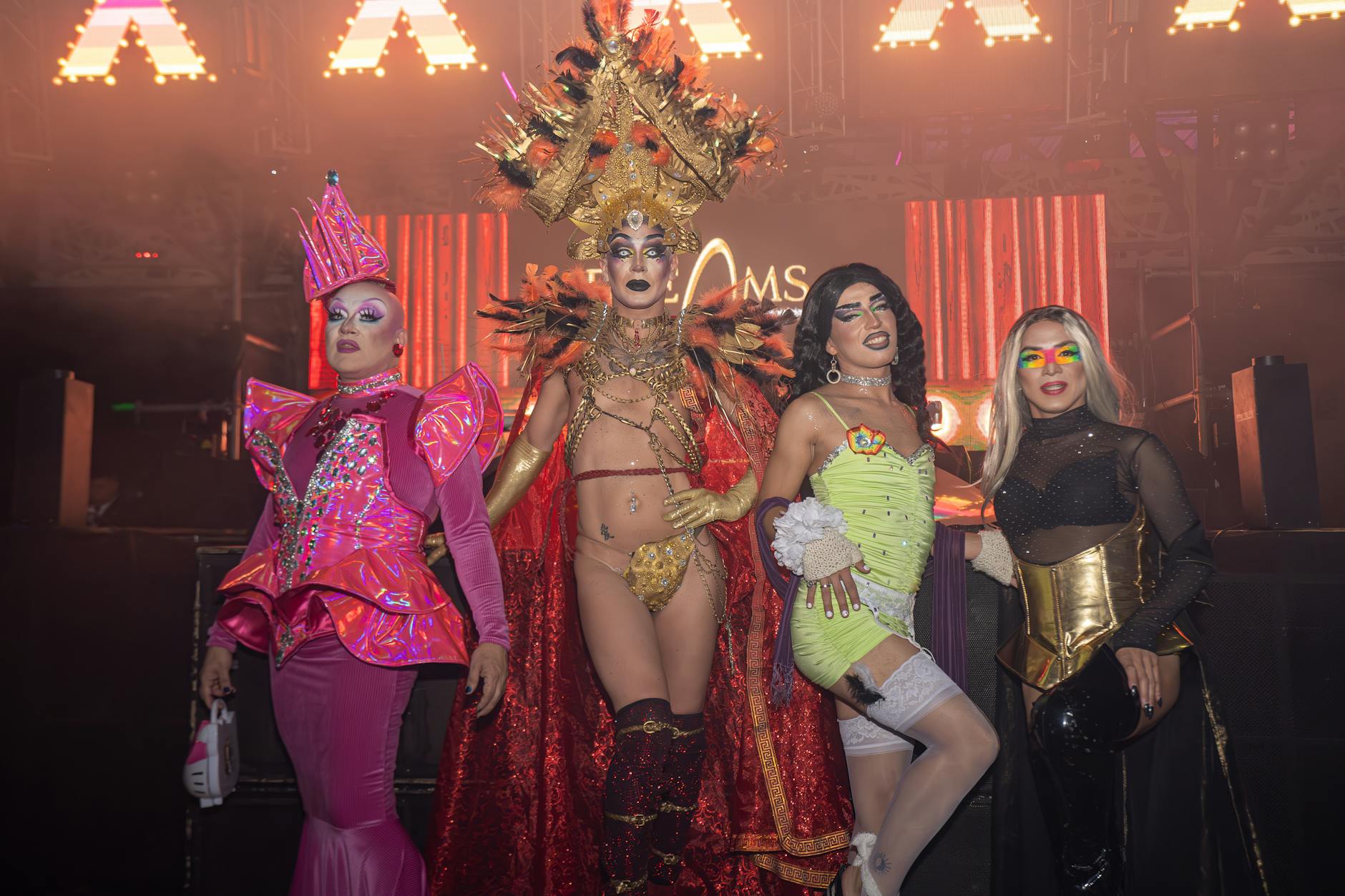
Forty minutes north of Miami Beach, just inside Fort Lauderdale, is the densest concentration of LGBTQ+ nightlife in the southeastern United States. Wilton Drive runs for a few blocks and packs fifteen-plus bars, clubs, cabarets and restaurants end to end — you can walk the whole strip in ten minutes and spend a weekend on it.
- Hunters — a thirty-year fixture with multiple bars and a large dance floor, at its busiest on Saturdays and during Pride and Bear Week.
- The Manor Complex — the biggest production on the Drive: a multi-level club with several dance floors, drag and runway events, and weekend parties on a Miami scale.
- Eagle Wilton Manors — the leather and bear home base, part of the international Eagle network.
- Sunday brunch along the Drive, which is a genuine institution and a much more relaxed affair than the Ocean Drive version.
Getting there is the only friction. It is a drive or a long rideshare — figure $60 to $90 each way from South Beach, more at surge — or the Brightline train to Fort Lauderdale plus a short ride, which is often cheaper and considerably more pleasant. Our Fort Lauderdale from Miami guide covers the connection. Many visitors split the trip: a few nights on the beach in Miami, a weekend in Fort Lauderdale for the nightlife. That is the right call more often than not.
The Annual Calendar
| Event | When | What it is |
|---|---|---|
| Winter Party Festival | Late February into early March | A week of parties on Miami Beach; a National LGBTQ Task Force fundraiser drawing 10,000+ |
| Miami Beach Pride | Second weekend of April | Parade along Ocean Drive from 5th to 14th, festival in Lummus Park, 170,000+ attendees |
| Stonewall Pride | June | Wilton Manors’ street party — a night parade, which is unusual and very good |
| Miami Music Week | Late March | Not an LGBTQ+ event, but the week the city’s dance floors are at their best |
| Miami Swim Week | Late May into June | Fashion week for swimwear; a large parallel party circuit |
| Aqua Girl | Spring | Miami’s long-running women’s festival weekend |
Miami Beach Pride 2027 falls on 10 and 11 April. The parade runs the length of Ocean Drive between 5th and 14th Streets and the festival occupies Lummus Park across both days. Book accommodation months ahead — that weekend and Winter Party are the two dates when the beach hotels genuinely sell out. Our events and festivals calendar places them alongside the rest of the city’s year.
Where to Stay
There is no single gay district to book into, so the question is really which neighborhood suits the trip.
South Beach, 5th to 15th Street
The obvious choice: walking distance to the 12th Street beach, Twist and Palace, and everything on Ocean Drive. Small Art Deco hotels here are often better value and considerably more characterful than the big resorts — see our boutique hotels guide and best hotels in Miami Beach. Noise is the trade-off; a room facing Collins or Washington will hear the street until 4am.
Mid-Beach
Quieter, more residential, still on the sand, and a five-minute ride from the strip. The right answer if you want the beach without the noise.
Wynwood and Edgewater
For a trip built around the mainland’s bars, galleries and restaurants rather than the beach. Younger, cheaper, and closer to where Miami’s queer creative scene actually is. See our Wynwood guide.
Fort Lauderdale
If nightlife is the priority, staying near Wilton Manors for part of the trip removes the single biggest logistical problem in this guide. Our full where to stay in Miami guide compares the Miami neighborhoods properly.

Daytime: Culture, Not Just Sand
The gap between the beach in the afternoon and the club at midnight is real, and there is more to fill it with than most visitors realize.
- The Wolfsonian-FIU on Washington Avenue holds a collection of design and propaganda material from 1850 to 1950 that is far stranger and more interesting than a beach-town museum has any right to be. Ninety minutes, air-conditioned, and almost never busy.
- The Pérez Art Museum Miami on the downtown waterfront, with a hanging garden terrace over Biscayne Bay that is worth the ticket on its own. See our PAMM guide.
- Wynwood Walls and the surrounding streets — the open-air mural district that reshaped the neighborhood. Our Wynwood Walls guide covers what is worth paying for and what is free on the street outside.
- Art Deco walking tours from the Ocean Drive welcome center, which cover the restoration story properly — including the part this page opened with. See Miami walking tours.
- The Versace mansion at 1116 Ocean Drive is now a hotel and restaurant. You can book a table and see the interior, or you can look at the steps from the sidewalk with everyone else, which is what most people do.
For rain, heat or a recovery afternoon, our rainy day activities guide is the fallback, and Miami’s best museums covers the rest.
Eating and Drinking Away From the Strip
Ocean Drive is where visitors eat and where locals do not, and the reasons are well documented: $25 cocktails, an automatic 18 to 20% service charge, and “two-for-one” offers that arrive at the table nearer $50. One block inland changes everything.
- Española Way — a pedestrianized block of Mediterranean-revival buildings with tables in the street, a few minutes from Twist, and a fraction of the Ocean Drive markup.
- Lincoln Road — a pedestrian mall that is touristy but functional, with the better restaurants sitting on the side streets rather than the main run. Our Lincoln Road guide sorts them out.
- Wynwood and the Design District — where the interesting cooking is. Warehouse restaurants, natural wine, and a crowd that skews younger and queerer than the beach.
- Little Havana — a completely different evening: Cuban food, live music, dominoes in Máximo Gómez Park. See our Cuban food guide.
Our Miami food guide and happy hour guide both apply here, and both are more useful than any list of gay-owned restaurants — Miami Beach hospitality is queer-run at a level that makes the distinction fairly meaningless.
Getting Around at Night
Miami is a driving city and a night out has a logistics problem attached.
- Within South Beach, walk. Twist, Palace, the 12th Street beach, Española Way and Lincoln Road are all within fifteen minutes of one another, and parking a car in that area on a Saturday night is a genuinely miserable experience.
- The free Miami Beach Trolley loops the island and runs into the evening — slow, but it exists and costs nothing.
- Rideshare surges hard between 2am and 4am when the clubs empty, particularly on Washington Avenue. Walking six blocks away from the strip before ordering routinely halves the fare.
- Do not drive after drinking. Enforcement on the causeways is heavy and the penalties in Florida are serious.
- Between Miami Beach and the mainland, buses run across the causeways frequently until late. Our transportation guide has the detail.
Weddings, Honeymoons and Longer Stays
Florida has performed same-sex marriages since January 2015, and Miami Beach has been a popular destination for them since almost the moment it became possible. The practical draw is straightforward: beach ceremonies, a large and experienced supplier base, hotels that have been doing this for a decade, and a city where nobody is going to be strange about it.
The paperwork is a Miami-Dade County marriage licence obtained in person, with a short waiting period that is waived for out-of-state couples — and, as with everything legal in this guide, worth confirming with the county clerk rather than a blog before you book flights. Beach ceremonies on public sand need a permit; the hotels handle this routinely as part of a package.
Our Miami destination wedding guide and honeymoon guide cover venues and costs, and romantic Miami covers the quieter version — sunset from the Rickenbacker, dinner in Coconut Grove, a room at the north end of the beach where nothing happens after ten.
Safety and Practicalities
Miami Beach is an easy and comfortable place to be openly gay, and has been for a long time. A few honest notes rather than reassurances.
- Miami Beach, Wynwood, downtown and Fort Lauderdale are all straightforwardly fine. Public affection on Ocean Drive or Wilton Drive attracts no attention whatsoever.
- Greater Miami-Dade is a big, diverse and socially varied county, and the further you get from the coast and the more suburban the setting, the more it resembles the rest of Florida. Nothing to be anxious about; just read the room the way you would anywhere.
- Florida state law has shifted on a number of LGBTQ+ issues in recent years, particularly around schools, healthcare and public performance. It changes what living here is like far more than what visiting is like, but it is real, and local organizations are the people to ask if it affects you directly.
- Trans travelers should be aware that rules around public facilities in state-controlled buildings have changed; municipal Miami Beach is a considerably more relaxed environment than the state as a whole.
- The usual city sense applies: Ocean Drive at 3am is a place where drinks get spiked and bills get inflated, exactly as it is for everyone. See is Miami safe.
Where the Scene Is Thin
Two honest gaps, since nobody else writes them down.
Dedicated lesbian and queer women’s venues are scarce. Miami has no permanent lesbian bar in the way it once did, and the scene runs largely on recurring parties, promoters and event nights rather than fixed addresses. Aqua Girl remains the anchor weekend of the year. The practical approach is to find out what is on rather than where to go, which means following local promoters on social media before you travel.
The daytime scene is mostly the beach. Outside Pride and Winter Party there is no cafe district, no bookshop, no community center that functions as a hangout in the way visitors from other cities expect. Miami’s gay social life happens on sand at three in the afternoon and in a club at one in the morning, with a gap in between.
Three Itineraries That Work
A long weekend, first visit
Friday: land, check in around 12th Street, an hour on the sand before sunset, dinner on Española Way, and Twist late. Saturday: 12th Street beach in the morning, the Wolfsonian or an Art Deco walking tour when the sun gets serious, then Wynwood for the evening — dinner and bars rather than the beach. Sunday: drag brunch at Palace or R House, then Haulover in the afternoon, which is exactly the right pace for a Sunday. Monday: fly home, or go north.
A week, with a night out that matters
Four nights on Miami Beach as above, then two in Fort Lauderdale — Brightline up on a Thursday, Wilton Drive on Thursday and Friday, which are quieter and friendlier than Saturday, and back down on the Sunday. This is how people who visit South Florida regularly actually structure it, and it solves the nightlife problem entirely.
Pride weekend
Arrive Thursday, because Friday afternoon flights into a full city are miserable. The parade runs Ocean Drive on the Saturday and the festival occupies Lummus Park across both days, so a room between 5th and 15th is worth paying for. Book by January. Expect Ocean Drive to be closed, expect the beach to be busy from ten in the morning, and expect to spend more than you planned — that is the weekend, and it is worth doing once.
Community and Resources
If you want more than a night out, South Florida has a substantial infrastructure that visitors rarely see.
- Pridelines, in Miami, is one of the oldest LGBTQ+ youth and community organizations in the region and runs programming well beyond the calendar of parties.
- The Pride Center at Equality Park in Wilton Manors is the largest community center in the area, with groups, health services and events most days of the week — and it is a far better first stop than a bar if you are moving to the area rather than visiting.
- The Stonewall National Museum, Archives and Library in Fort Lauderdale holds one of the largest LGBTQ+ archives in the United States, with a gallery open to the public. For anyone interested in the history sketched earlier on this page, it is the place that holds the documents.
- SunServe and several county health providers offer LGBTQ+-focused services including PrEP and sexual health clinics; walk-in and same-day options exist across Miami-Dade and Broward.
None of these is a tourist attraction and none needs to be on an itinerary. They are here because the question “is there anything beyond the bars?” gets asked often and the answer is yes, most of it a short drive north.
What It Costs
| Item | Typical 2026 cost |
|---|---|
| Beach chair and umbrella rental, 12th Street | $40–$70 for two |
| Haulover parking | $7 weekdays, $10 weekends |
| Cocktail, South Beach | $18–$25 before the service charge |
| Drag brunch ticket with food | $60–$95 including automatic gratuity |
| Club cover, weekend | $20–$40; Twist has none |
| Rideshare, South Beach to Wilton Manors | $60–$90 each way |
| Brightline, Miami to Fort Lauderdale | From around $19 booked ahead |
| Pride weekend hotel premium | Expect 50–100% over a normal April rate |
Honest Verdicts
- Do not plan a Miami trip solely around gay nightlife. Plan it around the beach, the food and the city, and treat Wilton Manors as the night out. That is how locals actually do it.
- Twist is the only South Beach venue worth building an evening around. Everything else on the strip is a mixed club that happens to be friendly.
- Ocean Drive restaurants still add 18–20% automatically, and Pride weekend is not an exception. Eat one block inland on Española Way or Collins and the same money buys a better meal.
- The Haulover clothing-optional beach is much less of an event than its reputation. If you were expecting a scene, it is a beach. That is rather the point.
- Book Pride accommodation in January, not March. The second weekend of April genuinely fills.
- Take Brightline to Fort Lauderdale rather than a rideshare if you are going up for the night and can time the return. It is cheaper, faster and does not surge.
Frequently Asked Questions
Where is the gay beach in Miami?
12th Street, where it meets Ocean Drive on Miami Beach, marked by the rainbow-painted lifeguard tower. Haulover Beach’s clothing-optional section, between towers 12 and 16, has a long-established gay stretch at its northern end.
When is Miami Beach Pride?
The second weekend of April — 10 and 11 April in 2027. The parade runs along Ocean Drive from 5th to 14th Street, with the festival in Lummus Park.
Is South Beach still a gay neighborhood?
It is a comfortable and welcoming one, but it has far fewer dedicated venues than it did fifteen years ago. The density of gay nightlife in South Florida is now in Wilton Manors, forty minutes north.
Is Miami safe for LGBTQ+ travelers?
In Miami Beach, Wynwood, downtown and Fort Lauderdale, yes, straightforwardly. Florida state politics has moved in ways that affect residents more than visitors, but it is worth being aware of rather than surprised by.
How do I get from Miami Beach to Wilton Manors?
Rideshare for $60 to $90 each way, or Brightline from downtown Miami to Fort Lauderdale plus a short ride at the other end — cheaper, faster and no surge pricing.
Are there lesbian bars in Miami?
No permanent ones at present. The women’s scene runs on recurring parties and promoter-led nights, with Aqua Girl as the anchor weekend. Check what is on before you travel rather than looking for an address.
Do I need to book drag brunch in advance?
Yes. Miami drag brunches are ticketed seatings rather than walk-in restaurants, weekend tables go days ahead, and gratuity is added automatically.
What is the best month to visit?
April for Pride, late February for Winter Party, or October and November if you want warm water, low prices and no crowds. See our best time to visit guide.
For the practical side of a Haulover afternoon, from which lot to use and what it costs to how the clothing-optional section works and the etiquette regulars expect, see our Haulover Beach guide. It also covers the rest of the park, including the marina, the sandbar and the Tuesday-night food trucks.
Related Miami Guides
- South Beach Guide — the neighborhood this page mostly takes place in.
- Miami Nightlife — the full picture, gay and otherwise.
- Art Deco District — the buildings, and who saved them.
- Miami Beaches — including Haulover’s rules and parking.
- Wynwood Nightlife — where the younger scene actually is.
- Fort Lauderdale from Miami — how to get to Wilton Manors.
- Miami Events and Festivals — Pride and Winter Party in the wider calendar.
- Miami Boutique Hotels — the Art Deco rooms worth booking.
Photo Credits
Miami Beach Pride float on Ocean Drive: A float during Miami Beach Pride 2012 by Phillip Pessar, CC BY 2.0, via Wikimedia Commons.
The 12th Street rainbow lifeguard tower: Miamigay by RaisingUp, CC BY-SA 4.0, via Wikimedia Commons.
Remaining photographs from the miamitourism.org library.