Miami Beach vs South Beach: Complete Guide for Visitors (2026)
This article contains advertising. Our booking links are routed through a partner that adds commission tracking automatically, so if you book through one we earn a commission from the provider, at no extra cost to you. It never affects what we recommend. Affiliate disclosure
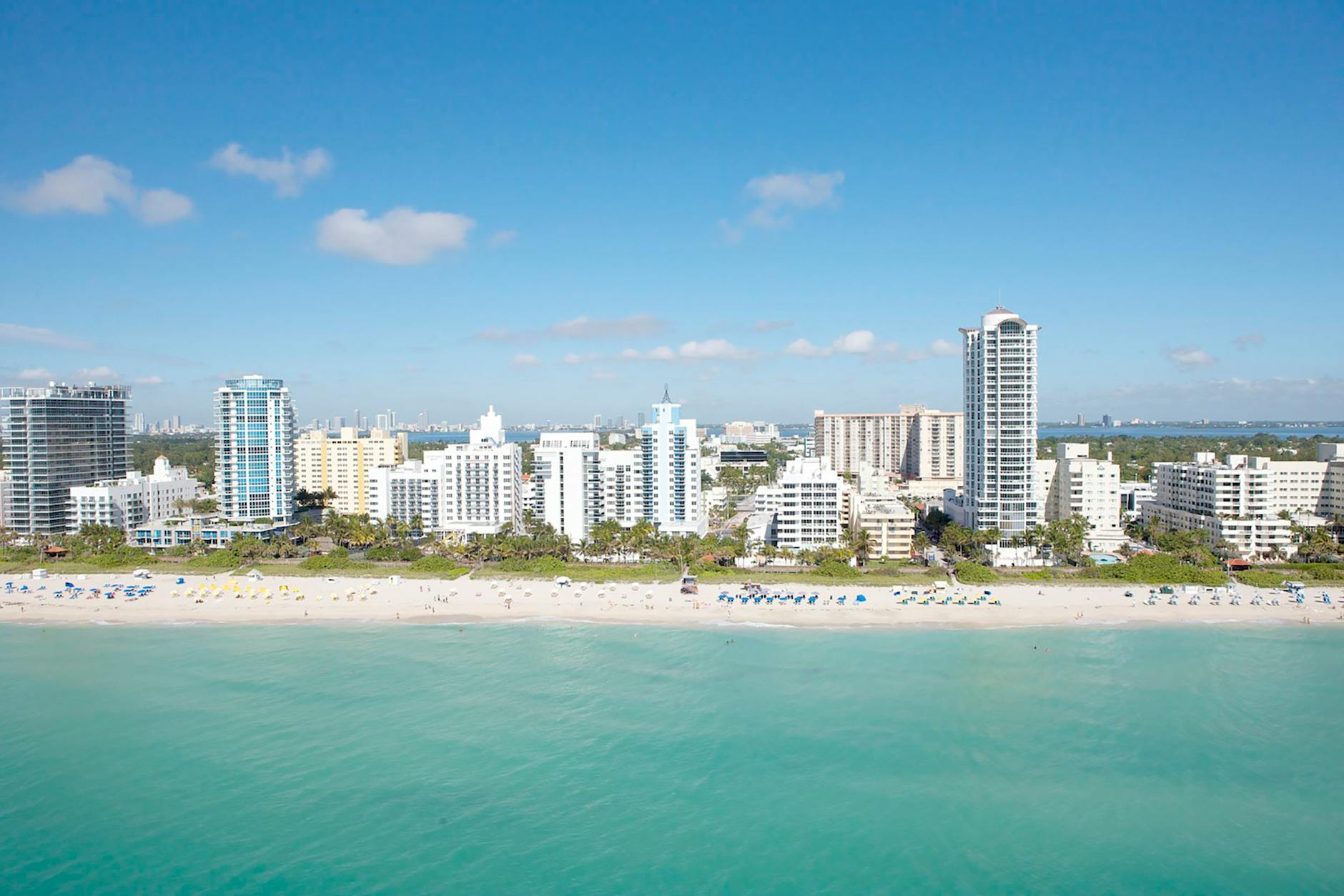
“Miami Beach vs South Beach” is the question almost every first-time visitor asks, and the answer is simpler than most travel blogs make it: Miami Beach is the city, and South Beach is one neighborhood inside it. The seven-mile barrier island called Miami Beach holds three distinct neighborhoods — South, Mid, and North — each with its own vibe, hotel inventory, food scene, and price point. This guide lays them side by side across geography, atmosphere, hotels, beaches, and travel style, so you can confidently book the right home base for your trip.
The quick answer
Miami Beach is the entire seven-mile island — a separate city from Miami proper. South Beach is the southern 2.5 miles of that island, from 1st to 23rd Street, and it’s the part most people picture: Art Deco hotels, Ocean Drive, the crowds. North of it, Mid-Beach runs from 23rd to 63rd Streets and skews quieter and more luxury-focused, while North Beach, from 63rd to 87th, is the residential, locals-favored, more affordable stretch. So when someone says “I’m going to Miami Beach,” they could mean any of three very different neighborhoods; when they say “South Beach,” they mean the lively southern third specifically.
South Beach: the iconic neighborhood
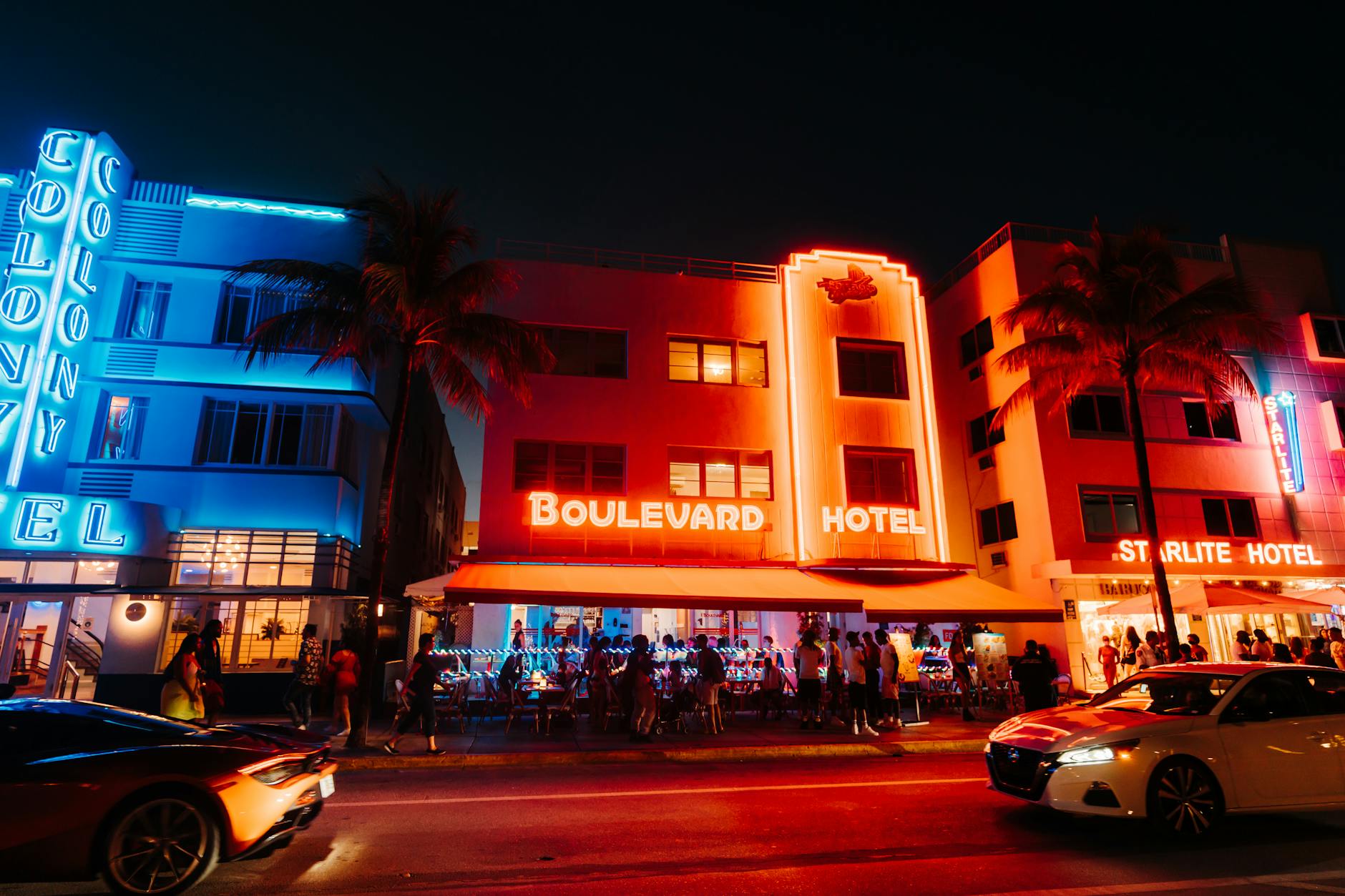
South Beach, from 1st to 23rd Street, is energetic, social, and unapologetically see-and-be-seen, with a nightlife that runs late. It’s the natural fit for first-time visitors, party travelers, design lovers, and foodies who want the iconic Miami experience within a short walk. It stays busy year-round and gets genuinely packed from December through April and during spring break. The highlights read like a Miami postcard — Ocean Drive, the Lincoln Road Mall, the Art Deco district, and the Lummus Park beach — and the flat, dense grid makes it the most walkable neighborhood on the island. On the luxury end, the Setai, Faena, 1 Hotel South Beach, and W South Beach anchor the hotel scene, while Joe’s Stone Crab, Yardbird, Prime 112, and the old-school Puerto Sagua cover the iconic tables. Nightlife is the city’s most concentrated here, from LIV and Story to Sweet Liberty and a stack of rooftop bars. Expect hotel rates of roughly $300 to $800 a night in winter and $150 to $350 in summer. For a full breakdown of what to do here, see our South Beach guide, and note that much of the architecture is covered in our Art Deco district guide.
Mid-Beach: the quieter luxury zone
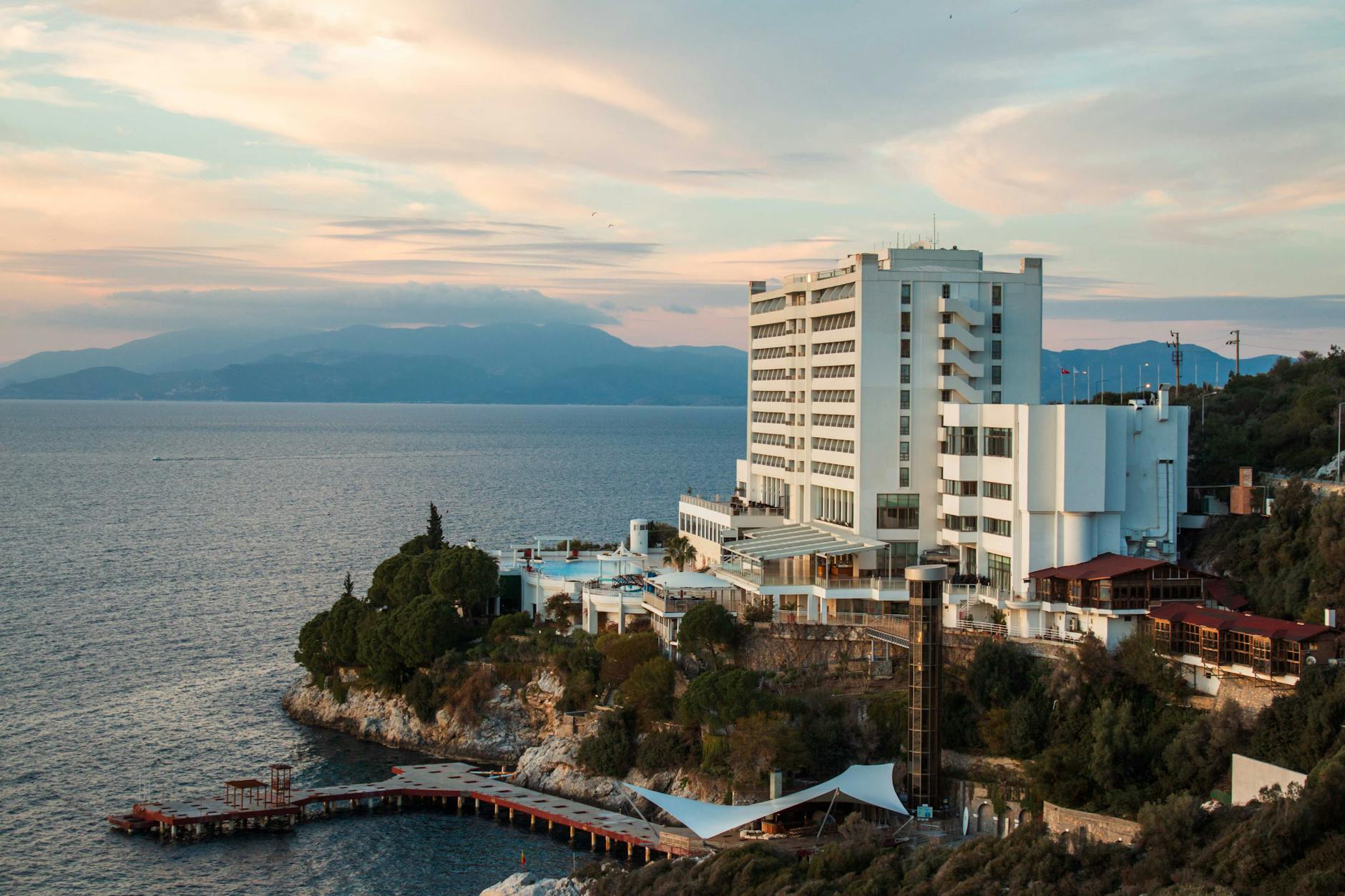
From 23rd to 63rd Streets, Mid-Beach is calmer, more residential, and polished — luxury without the intensity. It suits couples, photographers, and repeat visitors who want beach time without the South Beach scene, and the crowds stay moderate, with far less spring-break energy. The Faena District, the Edition, the Fontainebleau, and a wider beachwalk are the draws, and it’s walkable enough along Collins Avenue and the boardwalk even if the density is lower than South Beach. The luxury hotels — the Faena, the Edition, the Fontainebleau, and 1 Hotel — come with dining to match, including the Surf Club Restaurant by Thomas Keller, Hakkasan at the Fontainebleau, and Pao by Paul Qui. Nightlife is thinner, though LIV at the Fontainebleau technically sits here. Rates run higher than South Beach, roughly $400 to $1,200 in winter and $200 to $500 in summer.
North Beach: the local favorite
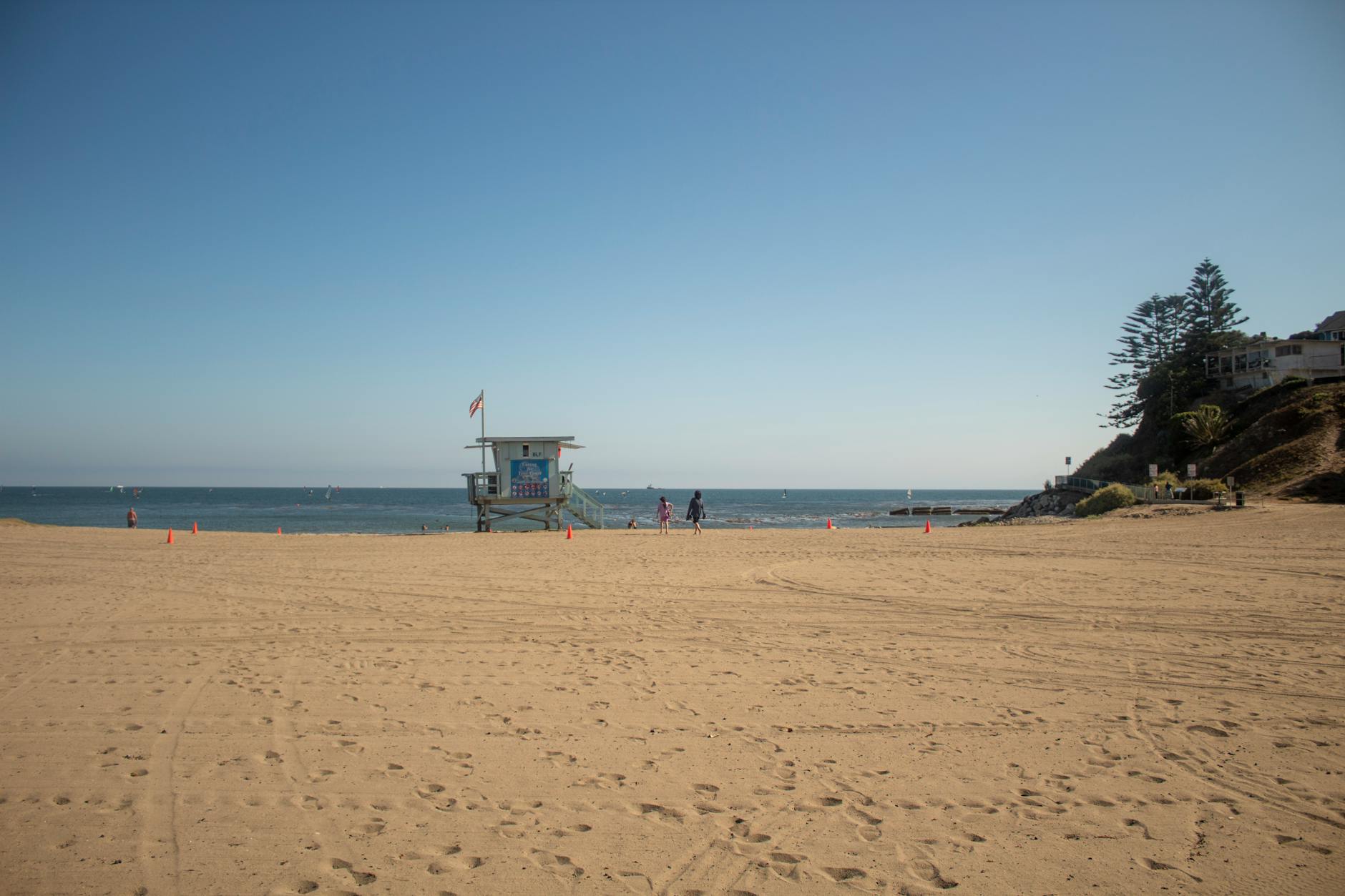
North Beach, from 63rd to 87th Streets, is residential, multilingual, and value-friendly — the choice for families, budget travelers, repeat visitors, and anyone settling in for a longer stay. Crowds are light even on weekends. The North Shore Open Space Park, Bandshell concerts, and casual cafés set the tone, and the village core is walkable, though you’ll want a car or an Uber for some outings. Lodging leans boutique and value-focused, with plenty of vacation rentals, and the restaurants run to affordable, family-run Argentine, Brazilian, and Eastern European spots. Nightlife is quiet — head to South Beach when you want the scene. Winter hotel rates typically land between $150 and $300. If you’re eyeing this end of the island, our combined North Beach & Surfside guide goes deeper.
Side-by-side comparison
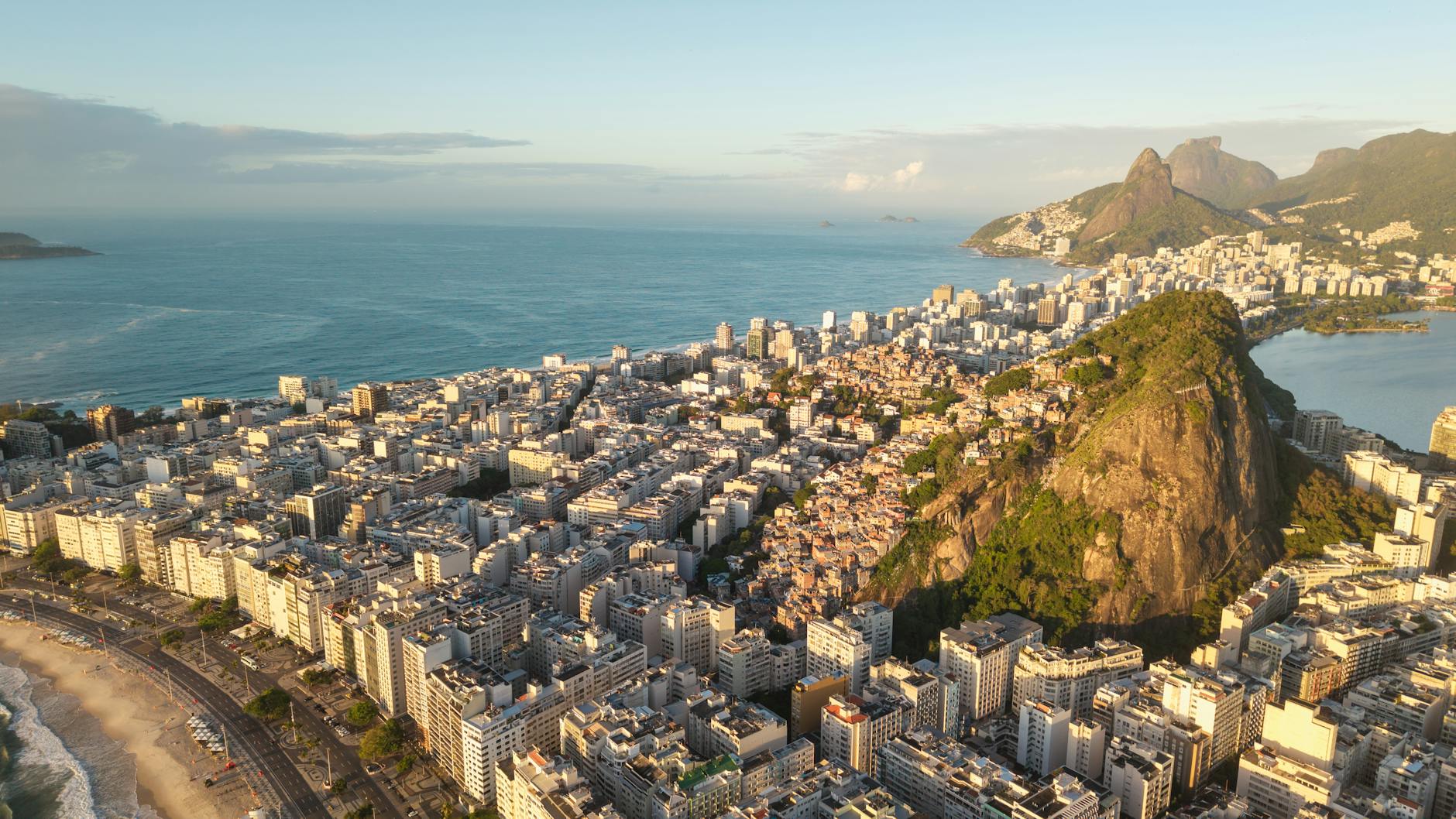
| Feature | South Beach | Mid-Beach | North Beach |
|---|---|---|---|
| Vibe | Lively, social | Refined luxury | Quiet, residential |
| Best for | First-timers, party | Couples, repeat visitors | Families, budget |
| Crowds | Very busy | Moderate | Light |
| Walkability | Excellent | Good | Moderate |
| Beaches | Iconic, Lummus Park | Wide, less crowded | Quietest |
| Boardwalk access | Yes | Yes (best section) | Yes |
| Hotel cost (winter) | $300–800/night | $400–1,200/night | $150–300/night |
| Nightlife | The most | Some | Minimal |
| Food scene | Best variety | Top luxury picks | Authentic local |
| Best for kids? | OK during day | Yes | Excellent |
Which neighborhood should you pick?
Choose South Beach if it’s your first Miami trip and you want the iconic experience, if you’re traveling with friends who want late-night options, if you’re a foodie after the most restaurant variety in one walkable area, if Art Deco architecture is your thing, or if you’re in for a long weekend and value walkability above all.
Choose Mid-Beach if you’ve done South Beach and want something quieter, if you’re celebrating an anniversary or honeymoon, if you want full luxury hotel amenities at the Faena, Edition, or Setai, or if you’re a photographer chasing better light without the crowds.
Choose North Beach if you’re traveling with kids and want quiet beach time, if you’re on a budget and want maximum value, if you’re staying five or more nights and prefer a residential rhythm, or if you want authentic Argentine, Brazilian, or Cuban food without the tourist markup.
Comparing the beaches
The sand is gorgeous the length of the island; what changes is the crowd. South Beach’s Lummus Park is wide, busy, lifeguarded, and the spot for the iconic photo. Mid-Beach offers wider sand with fewer people and lifeguards on duty — the best stretch for serious sunbathing. North Beach is the quietest, with a boardwalk shaded by sea grape trees. Keep going north and Surfside Beach has a boutique-village feel just past Bal Harbour, whose own beach is narrow but pristine and private-feeling, while Haulover Beach at the far north end has the best surf in Miami-Dade and a clothing-optional zone. For the full rundown, see our best beaches in Miami guide.
Practical trip tips
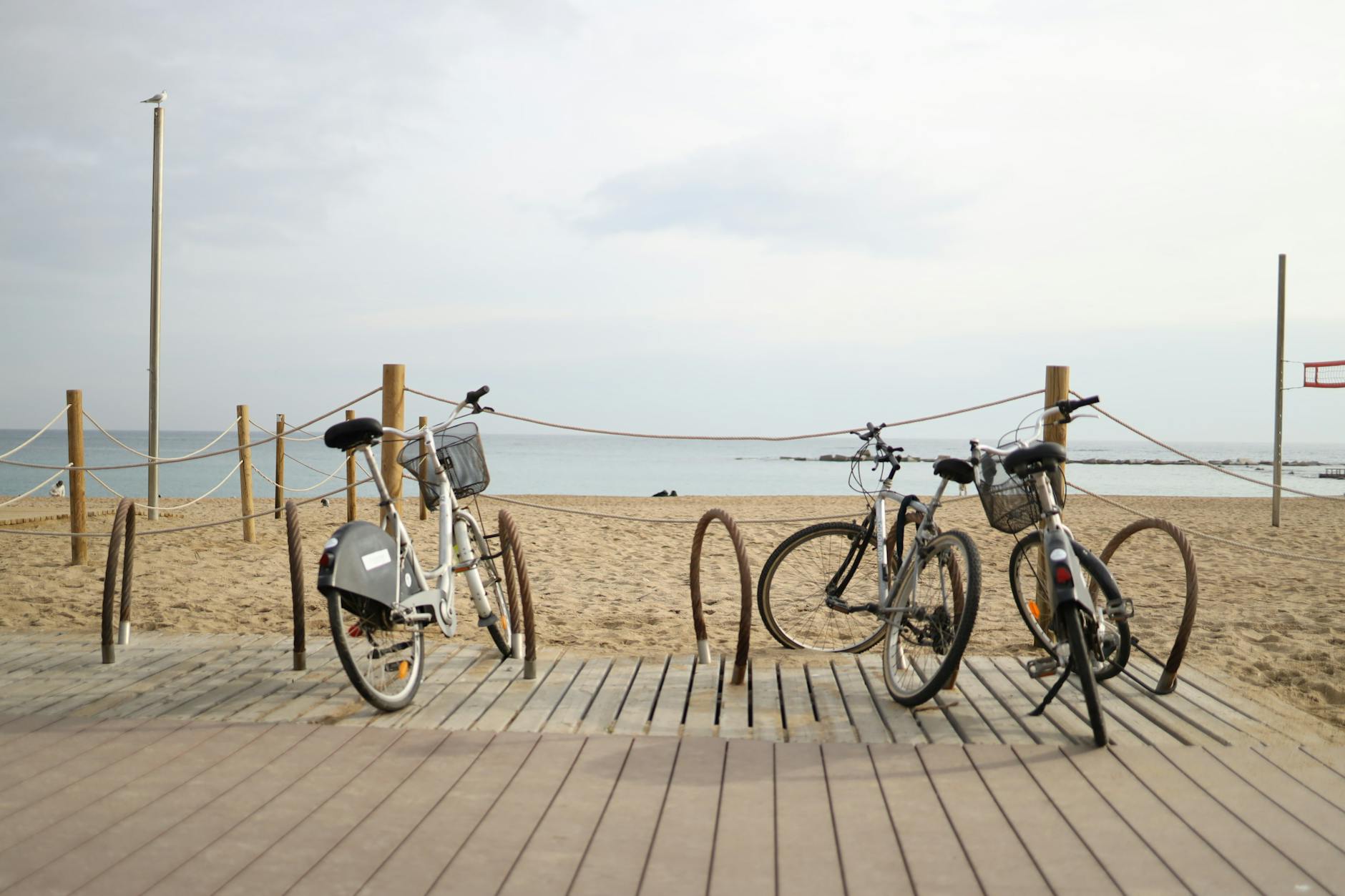
Getting between neighborhoods is easy and often free. The free Miami Beach Trolley connects all three every 15 minutes, and the four-mile dune-side Beachwalk lets you bike or stroll the whole way. An Uber between neighborhoods usually runs $8 to $15. Parking is the one place South Beach stings — about $4 an hour at meters, versus roughly $1 an hour in North Beach — but beach access itself is free everywhere on the island.
The hybrid strategy: split your stay
Plenty of travelers split the trip: two or three nights in South Beach for the scene, then two or three in Mid-Beach or North Beach to unwind. It’s a smart way to experience both sides of the island and bring down your average nightly rate. If you’d like help lining up hotels for a split stay, our where to stay in Miami guide compares the options.
A sample 5-day itinerary across all three
Spend your first day in South Beach: arrive, walk the Art Deco district, and have dinner at Joe’s Stone Crab. Day two stays in South Beach for a Lummus Park beach day, rooftop drinks at Sweet Liberty, and a night at LIV. On day three, move hotels to Mid-Beach for a spa morning at the Faena and dinner at Pao. Day four, bike the Beachwalk up to North Beach and grab lunch on Normandy Drive. Close out day five with a quiet North Beach morning and a relaxed breakfast in the Sherbrooke Hotel’s breakfast room before you head home.
Frequently asked questions
Is Miami Beach the same as South Beach?
No. Miami Beach is the city — the entire seven-mile island — and South Beach is just the southernmost neighborhood within it. The other two are Mid-Beach and North Beach.
Should I stay in Miami Beach or South Beach?
If the question is South Beach versus Mid- or North Beach: pick South Beach for first-time energy, Mid-Beach for luxury calm, and North Beach for value and family quiet.
Is South Beach better than Miami Beach?
It depends on your trip. South Beach gives you the most concentrated tourist experience; the wider island offers more variety, value, and quiet. The whole debate comes down to fit, not quality.
Where do locals live in Miami Beach?
Most residents favor Mid-Beach — Belle Isle and Sunset Harbour especially — or North Beach, for the quieter, more residential feel.
Which Miami Beach neighborhood is cheapest?
North Beach, consistently. Hotel rates run 30 to 50 percent less than South Beach for the same beach access.
Is Mid-Beach a separate town from South Beach?
No — both are neighborhoods within the city of Miami Beach, sharing the same city government, schools, and police.
Can I walk between South Beach and Mid-Beach?
Yes. The four-mile Beachwalk and Collins Avenue both run through all three neighborhoods; South Pointe to North Beach is roughly seven miles end to end.
Planning your neighborhood base
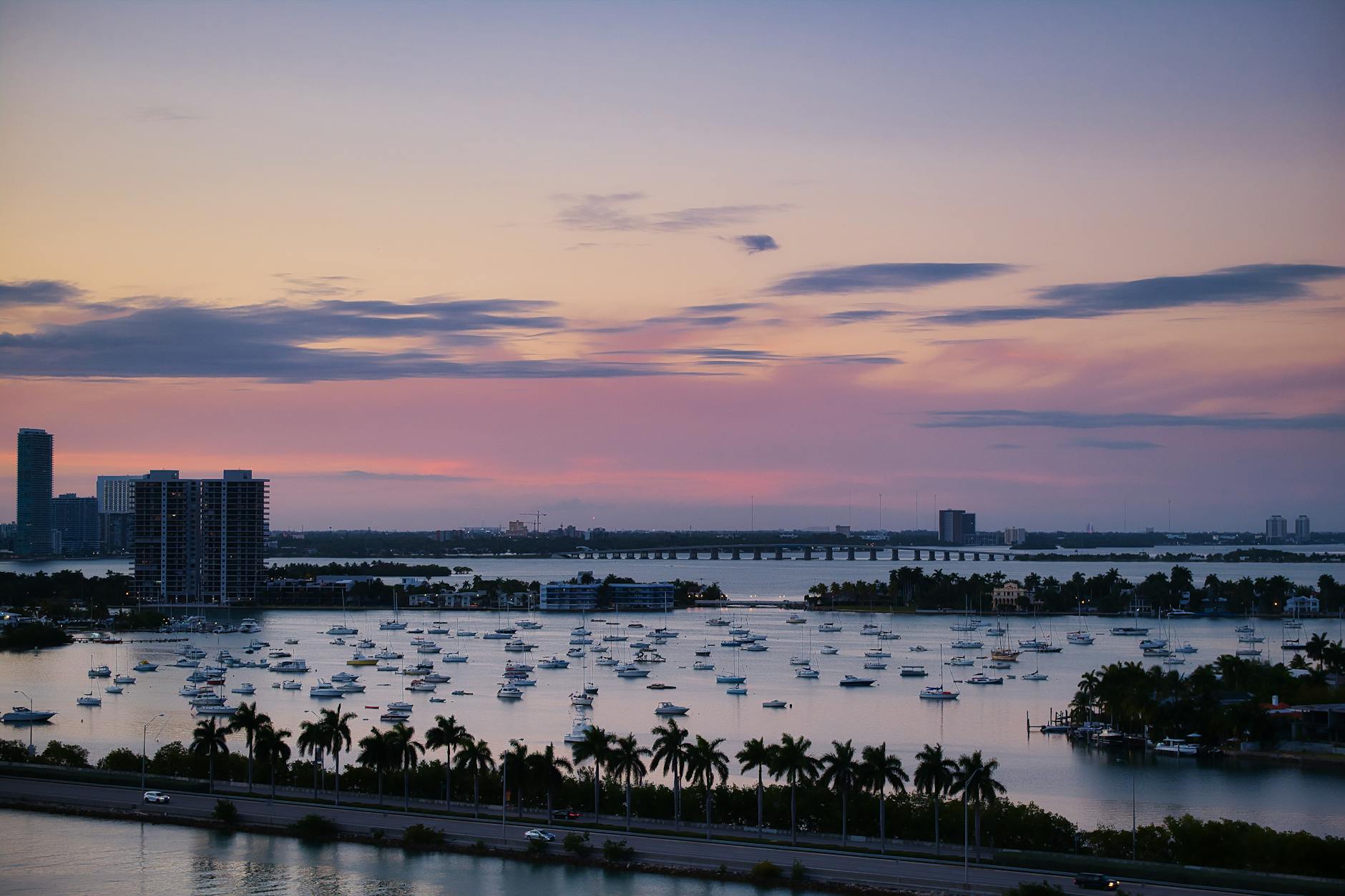
Choosing the right neighborhood shapes your whole trip more than almost any other decision. To dig further, start with our Miami neighborhoods guide and match your travel style to the right base. For a local’s-eye view of the area, see Greater Miami & Miami Beach: the Miami Beach area.