Coral Gables Miami Guide: Complete Guide for Visitors (2026)
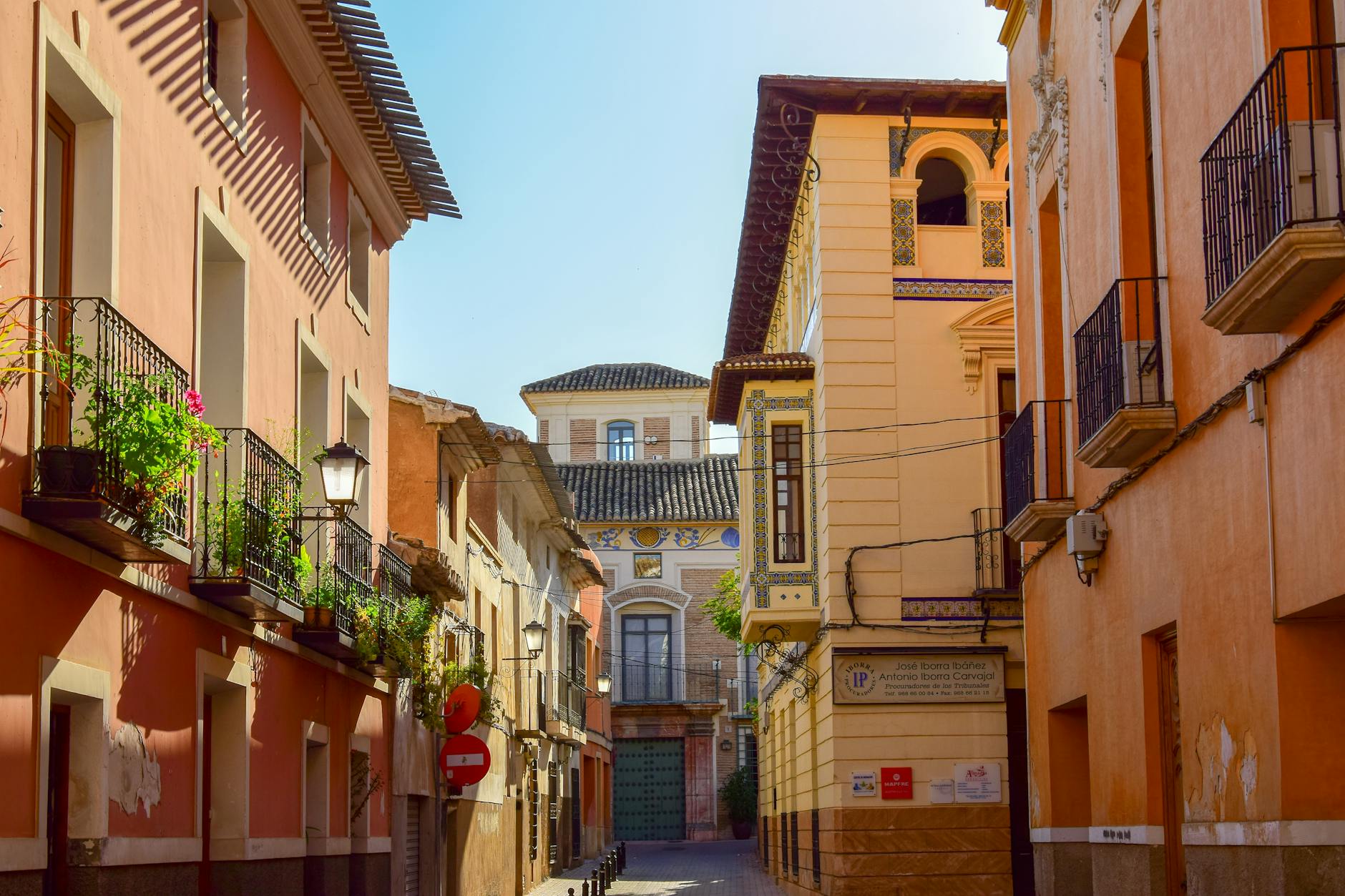
Locals call Coral Gables “the City Beautiful,” and after a morning of banyan-shaded boulevards, plaza fountains, and coral-rock architecture, you’ll understand why. Developer George Merrick laid the neighborhood out in 1925 as one of America’s first planned cities, and the result is 13 square miles of Mediterranean Revival buildings, the landmark Biltmore Hotel, the singular Venetian Pool, and one of Miami’s deepest restaurant scenes along Miracle Mile. It’s the calmest, most cohesive corner of the city’s neighborhoods — and this guide walks through what to do, where to eat, where to stay, and how a day here fits into a wider trip.
Getting Your Bearings
Coral Gables sits about five miles southwest of downtown, bordered by Coconut Grove to the east and South Miami to the south. The mood is Mediterranean and unhurried: upscale but family-friendly, heavy on restaurants, and a world away from South Beach’s noise. Couples, food lovers, history buffs, and families all find their footing here. You can hit the highlights in a full day, but two or three nights lets the slower rhythm sink in. Whatever your pace, don’t leave without seeing the Biltmore Hotel, the Venetian Pool, Miracle Mile, and Fairchild Tropical Botanic Garden.
The Best Things to Do in Coral Gables
The Biltmore Hotel
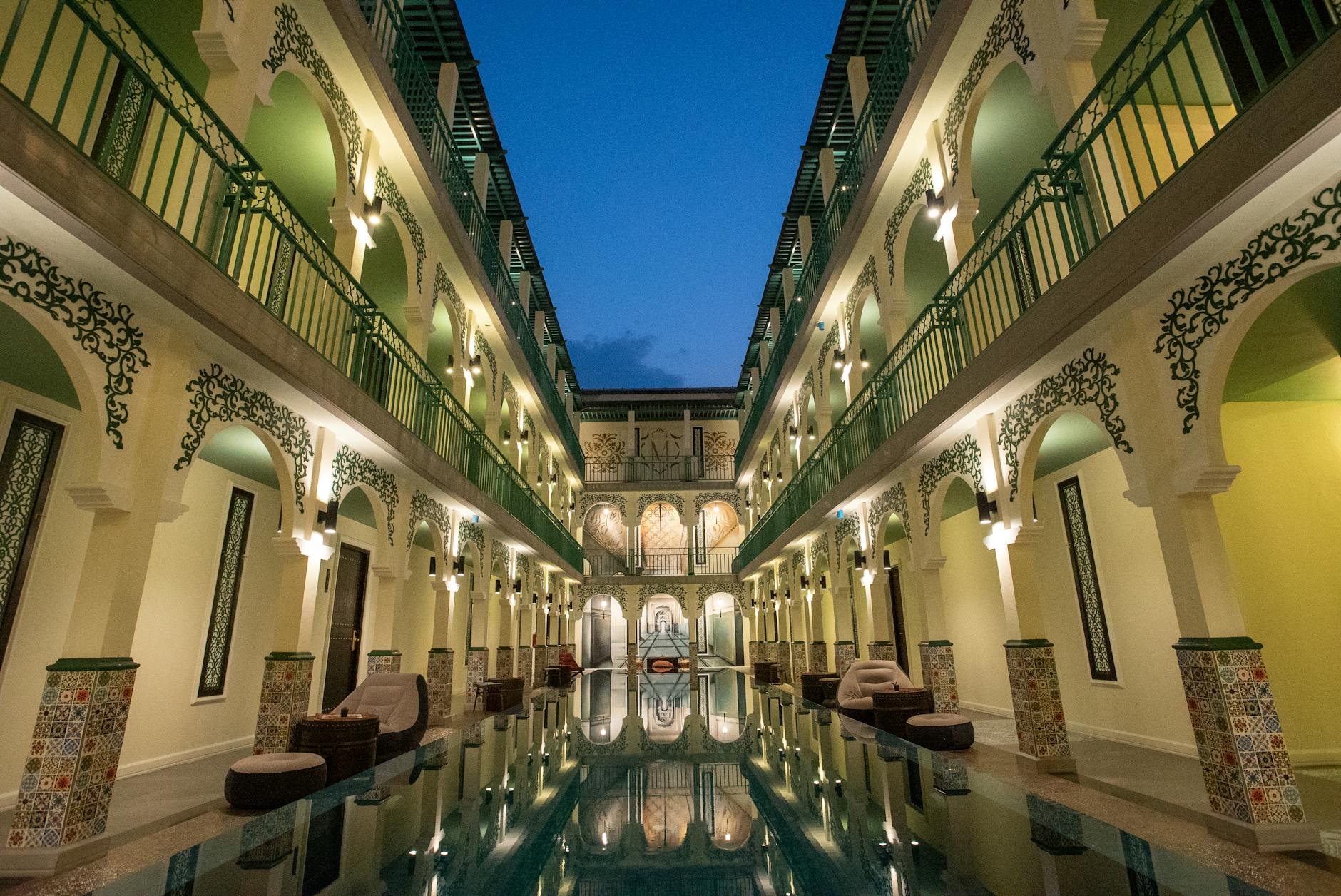
Rising over the neighborhood at 1200 Anastasia Avenue, the Biltmore was built in 1926 by hotelier John McEntee Bowman and George Merrick, and it remains a National Historic Landmark and working resort. Its 23,000-square-foot pool was the largest hotel pool in the continental U.S. when it opened; the grounds also hold a Donald Ross–designed 18-hole golf course, four restaurants, and a full spa. You don’t need to be a guest to see it — a free 90-minute historic tour runs every Sunday afternoon, and the legendary Sunday brunch buffet at the Fontana restaurant is worth building a morning around.
Venetian Pool
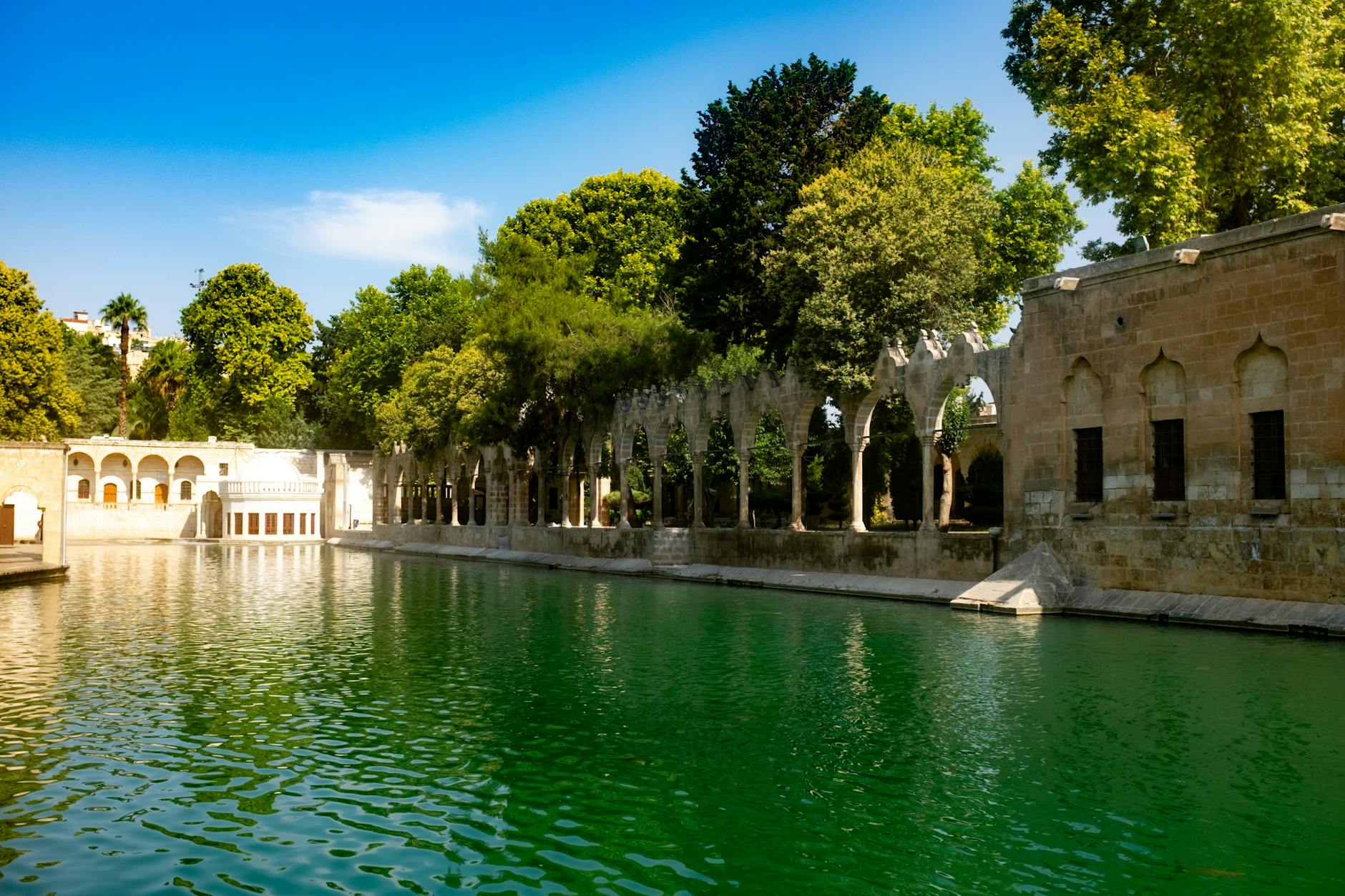
Carved out of a coral-rock quarry in 1923, the Venetian Pool at 2701 De Soto Boulevard is unlike any other public swimming hole in the country — in fact, it’s the only one on the National Register of Historic Places. Roughly 82,000 gallons of fresh artesian spring water fill a landscape of cascades, lagoons, caves, and a sandy “beach,” and the spring keeps the water a cool 70–78°F, which feels wonderful in summer. It’s open 11am–4:30pm Tuesday through Sunday (closed Mondays), with lifeguards on duty. Admission runs about $21 for adults and $16 for kids, dropping to $5–10 for Coral Gables residents. One catch for families: children under 38 inches tall aren’t permitted.
Miracle Mile & Giralda Plaza
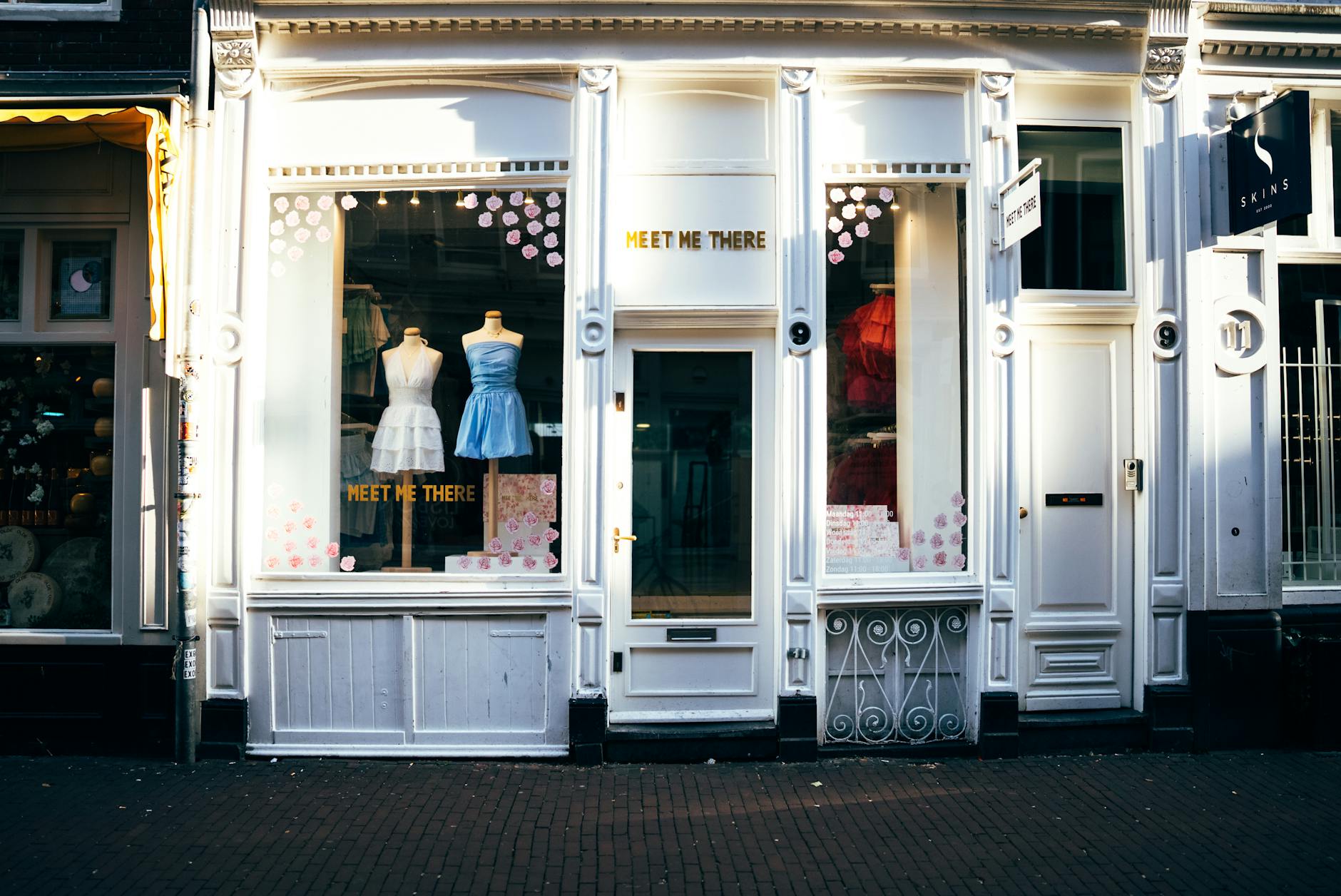
Miracle Mile is the half-mile stretch of Coral Way between Douglas and Le Jeune Roads, lined with boutiques, fine-dining rooms, art galleries, and the Coral Gables Cinema. Turn onto the adjoining Giralda Plaza, a pedestrian-only block packed with restaurants and outdoor seating, and you’ve found the most walkable part of the neighborhood — the natural place to spend an evening.
Fairchild Tropical Botanic Garden
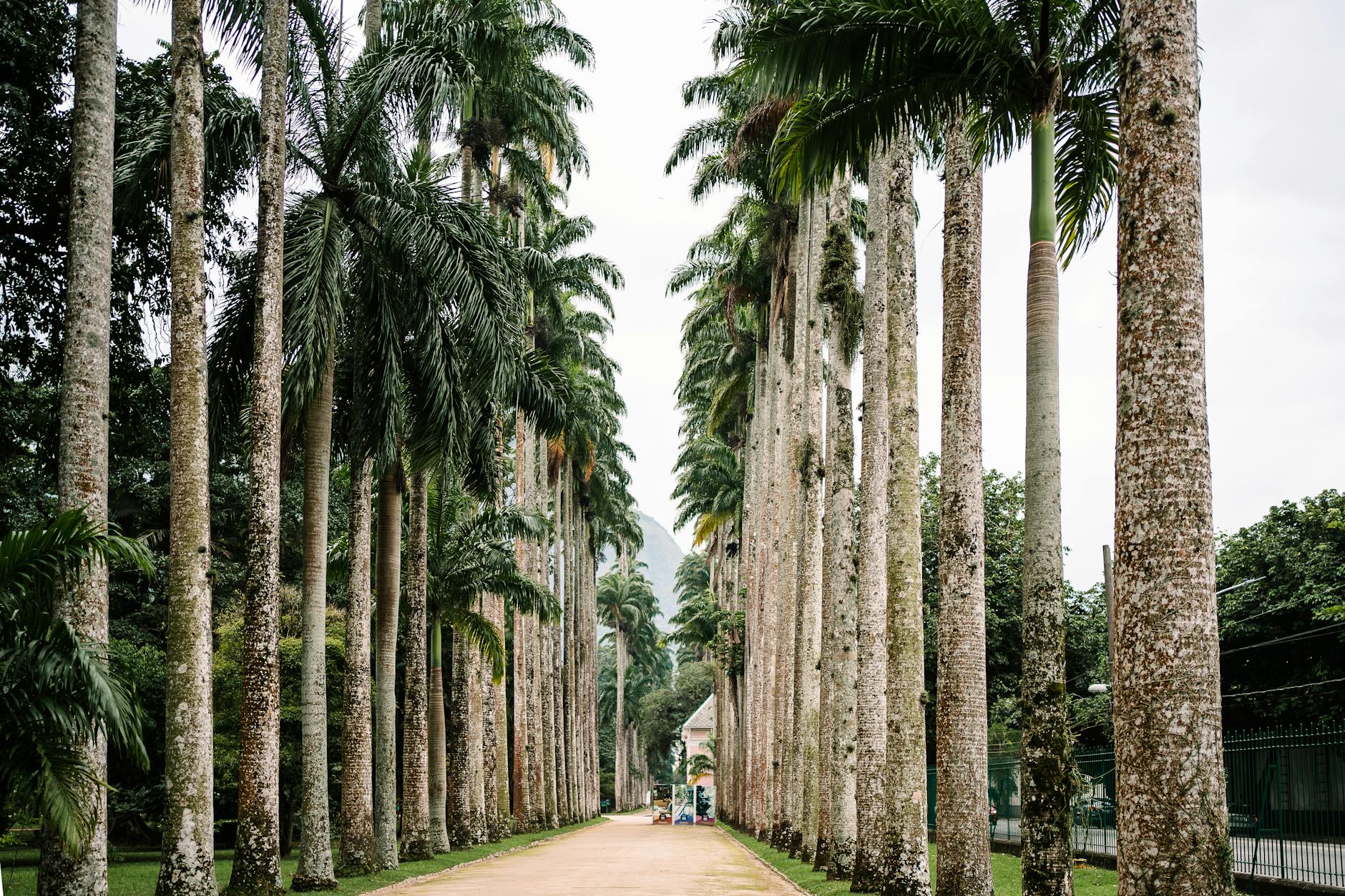
A few minutes south at 10901 Old Cutler Road, Fairchild spreads across 83 acres of tropical and subtropical plantings, including a rare-palm collection and the Wings of the Tropics butterfly conservatory. Time a July visit and you’ll catch the annual Mango Festival. Admission is about $24.95 for adults and $11.95 for kids 6–17, and you’ll want two to three hours to do it justice.
City Hall, the Museum & Books & Books
Coral Gables City Hall, built in 1928 in Spanish Renaissance style, is a sight in its own right — and the starting point for a free 90-minute historic walking tour every Saturday at 10am that covers Merrick’s founding vision and the neighborhood’s Mediterranean architecture. Nearby, the Coral Gables Museum occupies the old 1939 Police and Fire Station and tells the story of how the city was planned ($15 admission, $10 for students). Round out an afternoon at Books & Books, the flagship of Mitchell Kaplan’s beloved Miami bookstore, where author events run most nights and the in-house café makes a good place to linger.
Where to Eat in Coral Gables
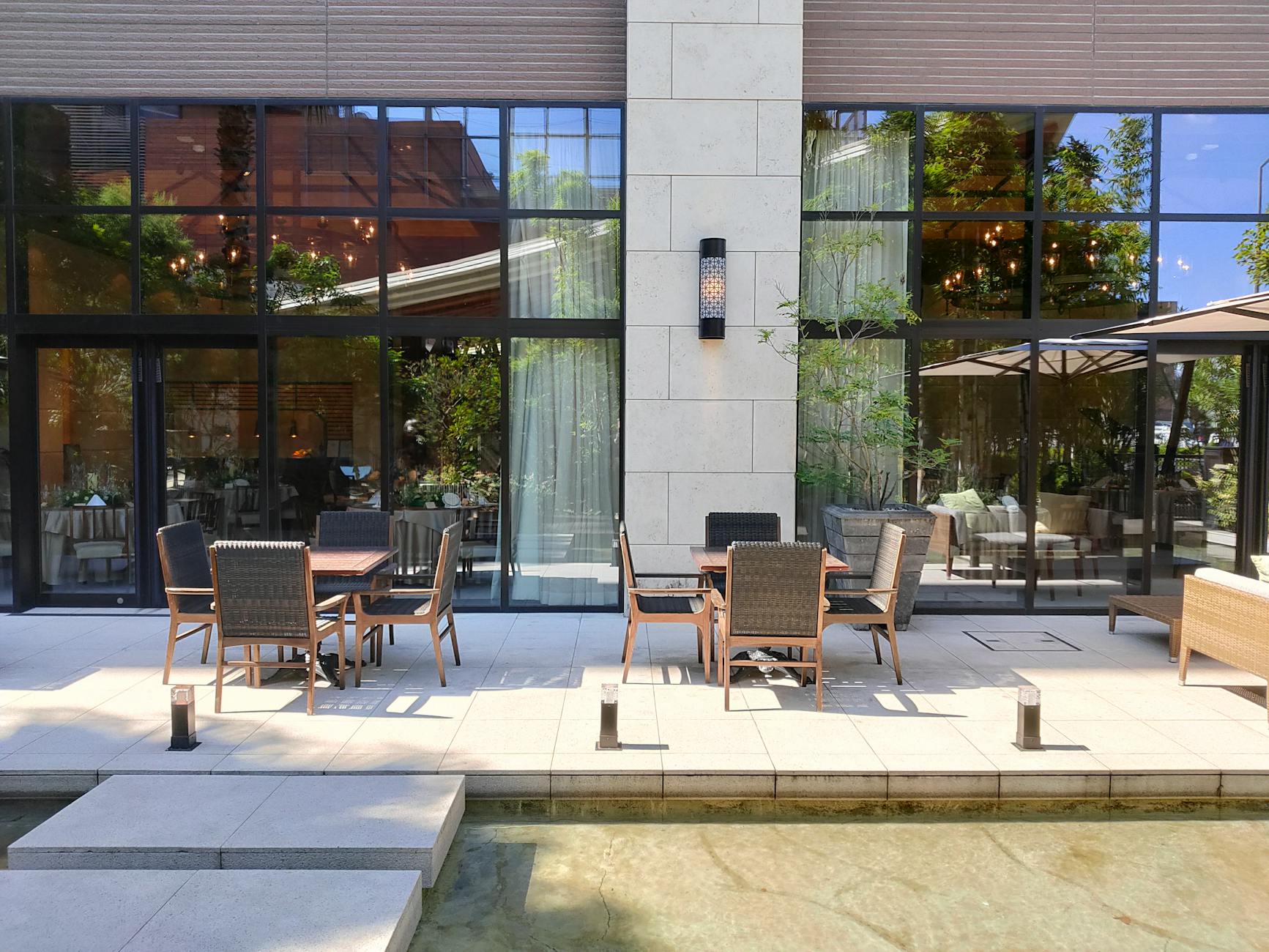
Coral Gables may have more critically praised restaurants per square mile than anywhere else in Miami, and its fine-dining bench runs deep. Caffe Abbracci has been the Italian movie-star spot in town since 1989; the Biltmore’s Palme d’Or is one of the city’s longest-running French rooms; and Forte dei Marmi brings Tuscan polish. Thomas Keller’s Lyonnaise bistro Bouchon has a Gables outpost, Talavera turns out some of Miami’s best upscale Mexican, and Pisco y Nazca handles the Peruvian ceviche cravings (there’s a Brickell location too).
For something more everyday, Threefold Café is the Australian-style brunch institution everyone recommends, while The Bar — open since 1946 — is the oldest pub in the Gables. Naam Thai is the family-run favorite for pad see ew, Bulla Gastrobar covers Spanish tapas, and Eating House has become a brunch destination for modern American comfort food. Frenchie’s Diner does casual French plates and great coffee, and if the South Beach original for stone crab is booked solid, the Joe’s Stone Crab location five minutes away in Coconut Grove is the classic fallback. Caffeine and pastry stops are easy too: OTL Coffee is sleek and work-friendly, The Cookbook Café handles brunch and lunch, Le Cordon Bleu Café does pastries and salads, and the Books & Books Café remains the best in-store bookstore café in the city.
Where to Stay in Coral Gables
The Biltmore is the historic splurge, with its pool, golf, and spa. For contemporary luxury, the Loews Coral Gables (opened 2022) has a rooftop pool, while The Westin Coral Gables leans boutique and serves a strong breakfast. The Hyatt Regency Coral Gables is the reliable mid-range pick right on Miracle Mile, and Hotel St. Michel brings European bed-and-breakfast charm; The Colonnade Hotel is another mid-range option with real character. For a broader look across the city, see our where to stay in Miami guide.
Architecture & History
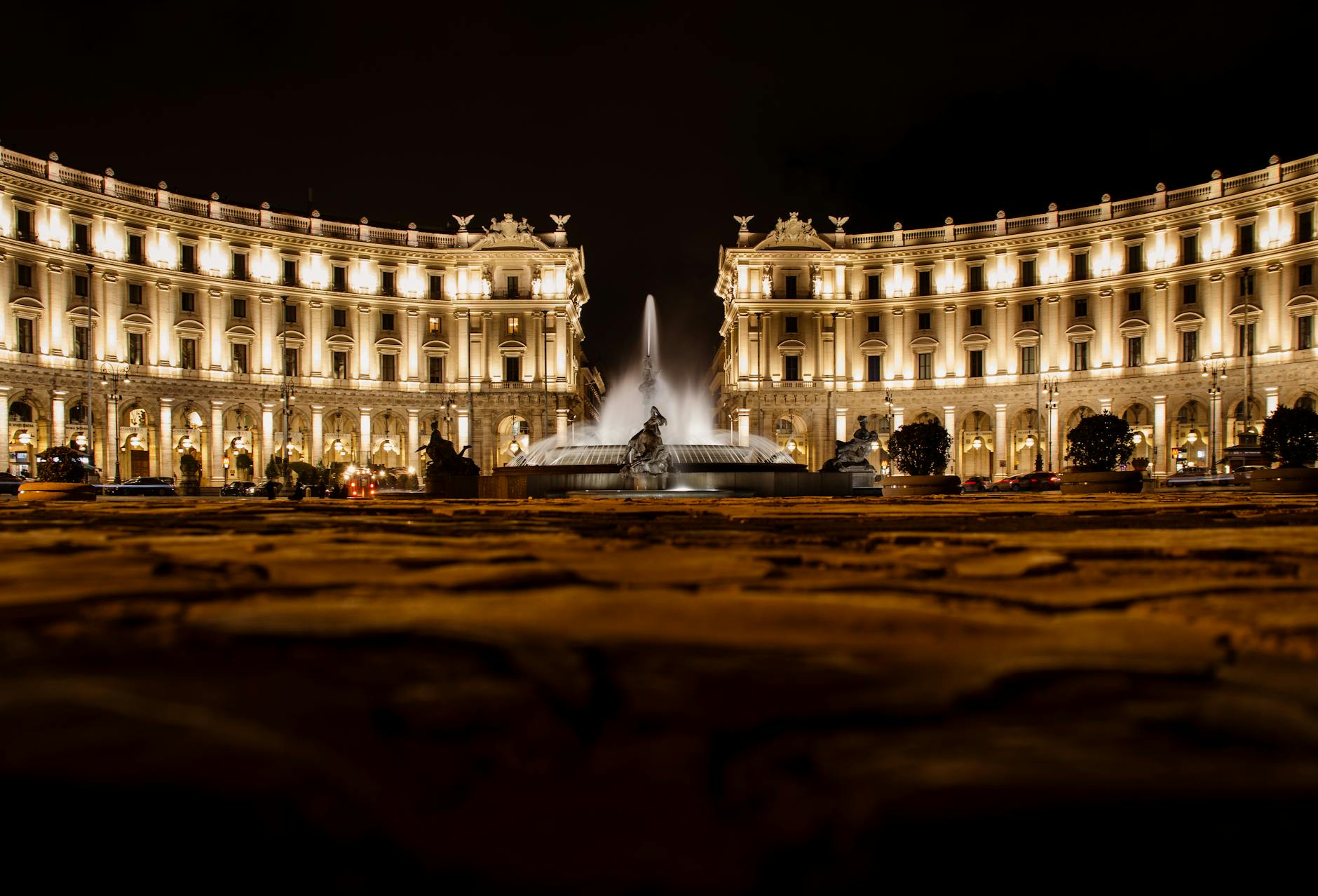
Merrick’s 1925 vision included whimsical themed villages scattered through the residential streets, and the neighborhood is so architecturally unified today that the city even regulates exterior paint colors. Drive or stroll Coral Way, the original banyan-canopied boulevard, and keep an eye out for the French Country, Dutch South African, and Chinese Villages tucked onto side streets. The 1925 DeSoto Fountain still anchors its roundabout, and the tiled Granada Fountain Plaza is worth a pause. To go deeper, the Saturday-morning walking tour from City Hall covers the design philosophy behind it all. Architecture fans often pair the Gables with a visit to the bayfront estate at Vizcaya Museum & Gardens, a short drive east.
Coral Gables with Kids
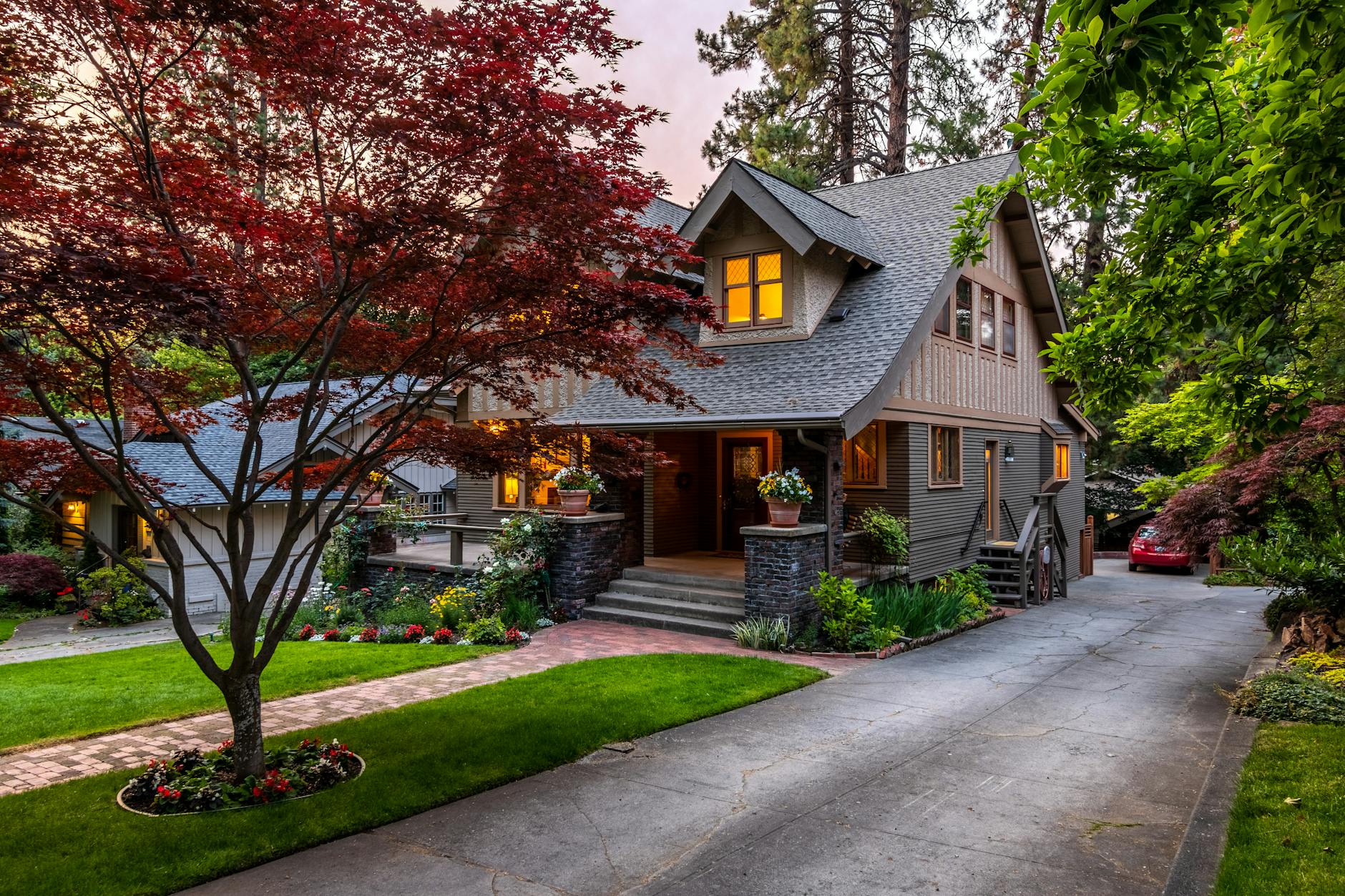
Families do well here. The Venetian Pool is the most novel swim in Miami for kids over 38 inches, and Fairchild’s Wings of the Tropics butterfly room is a reliable hit. The Coral Gables Library runs free children’s storytime, the wide, slow-traffic streets make for an easy self-guided bike tour, and Eating House pulls off a kid-friendly brunch with adult-quality food.
A Sample Day in Coral Gables
Start with breakfast at Threefold Café around 9am, then join the 10am walking tour from City Hall (Saturdays). Break for lunch at Bouchon or Bulla Gastrobar on Giralda Plaza around noon, cool off at the Venetian Pool in the early afternoon, and tour the Biltmore around 4pm (free on Sundays). Come evening, drift back to Miracle Mile for cocktails at 6pm before dinner at Caffe Abbracci or Talavera.
Getting to Coral Gables
From downtown Miami it’s about 15 minutes by car, or 25 minutes on the Metrorail to the Douglas Road station — an easy connection if you’re staying near downtown. From Miami International Airport, an Uber runs 15 minutes and $20–25; from South Beach, budget about 25 minutes by car. Once you’re in, the Coral Gables and Douglas Road Metrorail stations are within walking distance of Miracle Mile, and the free Coral Gables Trolley runs along Coral Way, handy for hopping between stops.
Frequently Asked Questions
Is Coral Gables worth visiting?
Yes — especially for couples, food lovers, and anyone drawn to architecture. Coral Gables is Miami’s most cohesive historic neighborhood and home to some of its best restaurants.
How long do I need in Coral Gables?
A full day covers the Biltmore, Venetian Pool, Miracle Mile, and dinner. A second day leaves room for Fairchild Garden and the architecture walking tour.
Is Coral Gables walkable?
Around Miracle Mile and Giralda Plaza, very much so. The wider neighborhood is spread out, though, so you’ll want a car or the trolley to reach Fairchild, the Biltmore, and the Venetian Pool.
Is Coral Gables expensive?
Mid to high. Miracle Mile restaurants tend to run $40–80 per person and the Biltmore is priced as a luxury resort, but mid-range hotels like the Hyatt Regency offer real value.
Coral Gables or Coconut Grove?
Coral Gables is more architectural and restaurant-driven; Coconut Grove is more bohemian and bayfront. Both are calmer than South Beach, and many travelers pair them over a day or two.
When is Coral Gables Restaurant Week?
Mid-June each year, when Miracle Mile restaurants offer three-course menus for roughly $40–50 — the best food deal in the neighborhood.
For official visitor information, see the City of Coral Gables website.