Miami Open Tennis Guide: Tickets, Best Days and Where to Sit
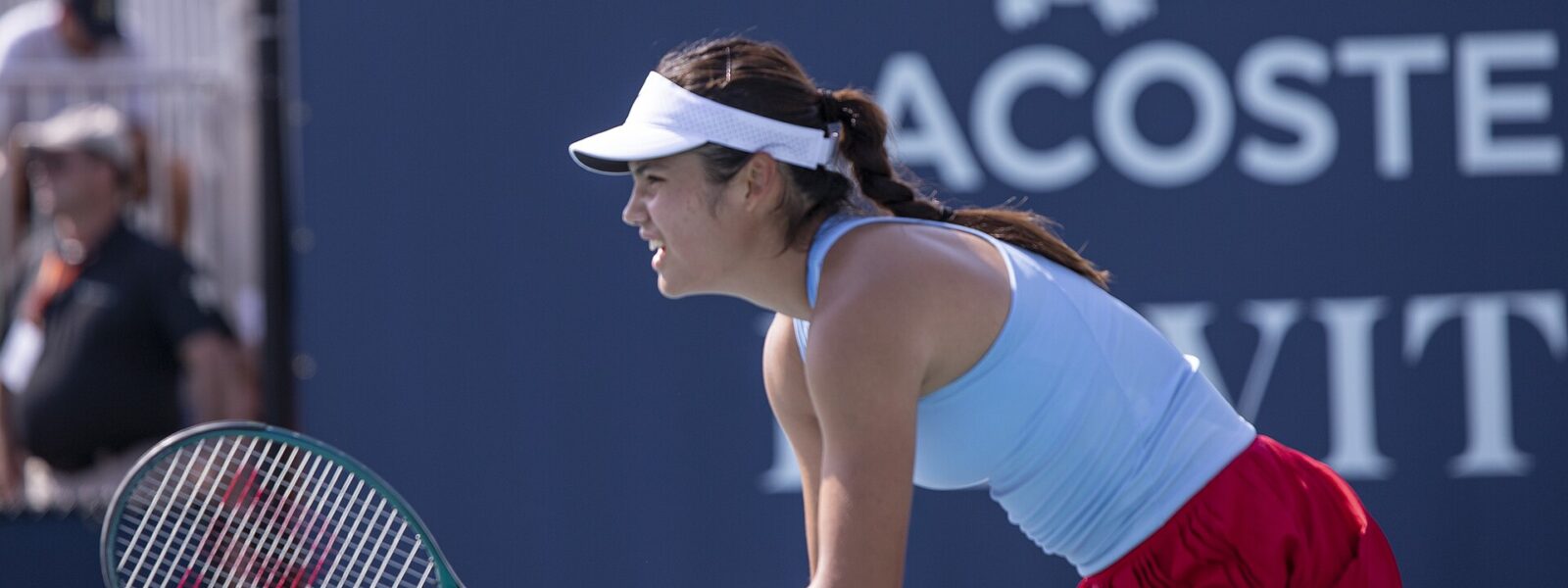
On a Tuesday morning in the first week of the Miami Open, you can stand at the fence of a practice court close enough to hear a top-ten player muttering at her own forehand, then walk fifty yards and sit in the front row of an outer court for a match between two players ranked in the top fifty. You will have paid for a grounds pass, the cheapest ticket in the tournament. That is the great secret of Miami Open tennis: the best experience is often not the expensive one, and the first week, when the whole draw is still on site, is better value than the finals.
This guide covers when the 2027 tournament runs and which days to choose, how the ticket types work, how to get the most out of a grounds pass, where the shade falls on Stadium Court, what you can bring, and how to plan the trip around a very busy month in Miami. For getting to the stadium, parking and the site’s general rules, see our Hard Rock Stadium guide. Dates and policies were checked against the tournament’s own information in September 2026; prices move with demand, so treat any figure as the right order of magnitude.
The Miami Open at a Glance
| What to know | |
|---|---|
| 2027 dates | 14–28 March 2027 (subject to change); the finals are on the last weekend |
| Where | A purpose-built tennis campus at Hard Rock Stadium, Miami Gardens |
| Level | ATP Masters 1000 and WTA 1000, with 96-player singles draws for men and women |
| Ticket types | Stadium Court, Grandstand, Grounds Pass, multi-day packages and premium options |
| Best value | A grounds pass in the first week, typically around $40–$80 for early rounds in recent years |
| Practice courts | 17 around the campus, open to all ticket holders, first come, first served |
| Sessions | Day sessions from late morning; night sessions with campus access from 5 p.m. |
| Gates | About one hour before play starts |
| Bags and water | The stadium’s clear-bag policy applies; sealed water bottles under one liter are allowed |
| Shade on Stadium Court | Permanent seats on the south side are fully shaded by about 1 p.m. |
What the Miami Open Is
The Miami Open is one of the biggest tennis tournaments in the world outside the four Grand Slams, which is why generations of players and fans have called it the “fifth Slam.” It is a combined event: the men play an ATP Masters 1000 and the women a WTA 1000, with 96 players in each singles draw, plus doubles, over two weeks. The top 32 seeds in each draw receive a first-round bye, so the biggest names usually play their first match in the second round, a few days into the tournament.
The tournament was founded by the former player Butch Buchholz in 1985, and it has had a string of sponsors’ names over the years. After a couple of early editions farther north, it spent more than three decades at Crandon Park on Key Biscayne, where it grew into one of the sport’s favorite stops: a stadium by the sea, a relaxed crowd and a purple court that became its trademark. It outgrew the island, and in 2019 it moved to Hard Rock Stadium, where a temporary show court is built inside the football stadium each spring and a campus of courts, practice areas, food and bars spreads across the grounds around it.
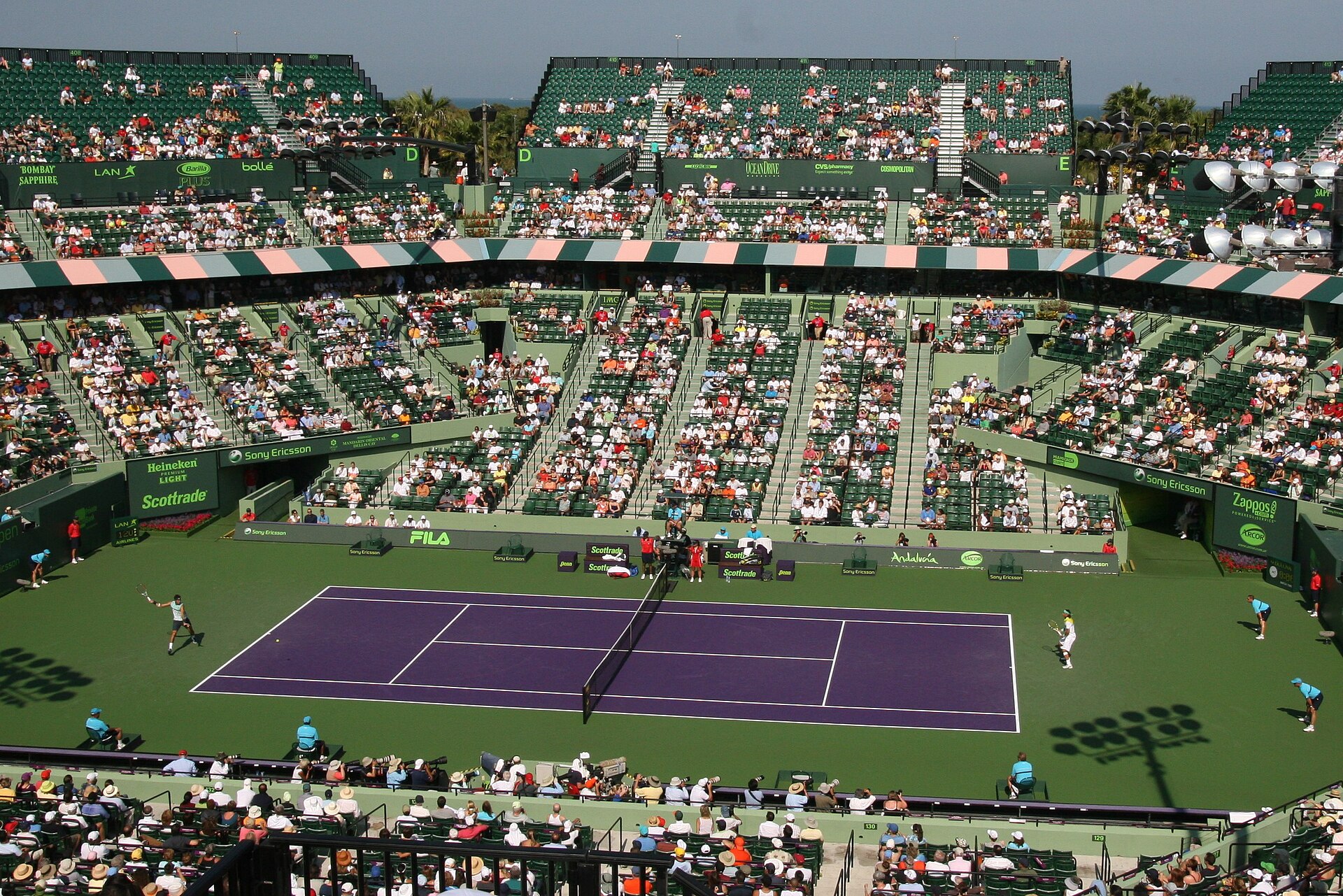
Plenty of long-time fans still miss Key Biscayne, and the new home has less charm. It is, however, much bigger, better equipped and easier to add courts to, and the practice courts in particular are far more accessible than they ever were on the island.
When to Go
Every stage of the tournament offers something different, and choosing the right days matters more than choosing the right seat.
Qualifying
The first couple of days are qualifying: players ranked just outside the top 100, and a few recognizable names on the way back from injury, fighting for a place in the main draw. Tickets are at their cheapest, the crowds are small, and you can sit courtside for matches that would be on television at a smaller event. It is the most relaxed way to see the site for the first time. Note that in 2027 the first Sunday, 14 March, is also Calle Ocho, the huge Little Havana street festival, so traffic across the city will be heavy.
The first week
This is the sweet spot. Once the main draw starts, all 192 singles players are on site, there are matches on every court from late morning until late evening, and the practice courts are full of stars preparing for their next round. A grounds pass gives you the outer courts, non-reserved seats in the Grandstand and the practice courts, which is more tennis than you can watch in a day. Weekdays are noticeably quieter than the middle weekend.
The second week
From the fourth round onward, the draw thins quickly and the best matches move to Stadium Court. Grounds passes become less useful, because there are fewer matches on the outer courts, and Stadium Court tickets rise in price with each round. This is when you buy a reserved seat for a specific session.
Finals weekend
The singles finals are played on the last weekend, 27 and 28 March 2027, usually the women’s final on Saturday and the men’s on Sunday. Tickets are the most expensive of the tournament and you will see only one or two matches. The atmosphere is special, but it is the least tennis for the most money. Be aware too that the finals weekend in 2027 coincides with Ultra Music Festival downtown and the end of Miami Music Week, which pushes hotel prices across the county to their highest of the year.
Ticket Types Explained
| Ticket | What it includes | Best for |
|---|---|---|
| Grounds Pass | Campus access, outer courts and non-reserved Grandstand seating. No Stadium Court | The first week, practice courts, and seeing as much tennis as possible |
| Grandstand | A reserved or non-reserved Grandstand seat, plus the outer courts | A guaranteed seat at the second show court |
| Stadium Court | A reserved seat on Stadium Court, plus the Grandstand and outer courts | The biggest names and the second week |
| Multi-day packages | Access across several days or sessions | Tennis fans building a trip around the event |
| Premium and suites | Hospitality areas, better seats, food and drink | Groups and corporate visits |
Sessions matter too. A day session gives you entry from the start of play each day. A night session usually brings one or two marquee matches on Stadium Court, and night-session ticket holders get access to the campus from 5 p.m. Check the session times on your ticket, because they vary from day to day. Tickets are sold through the tournament’s official channels, with resale available on the major platforms; buy from the official site first and compare all-in prices on resale.
A final point about Stadium Court tickets for early rounds: the schedule for each day, known as the order of play, is released only the evening before. When you buy a Stadium Court session in advance, you are buying a seat, not a player. If you are set on seeing one particular star, a grounds pass plus a flexible plan is often a better bet.
How to Use a Grounds Pass Properly
A grounds pass is only good value if you use it well. The difference between a great day and a frustrating one is mostly planning.
- Read the order of play the night before. It is published on the tournament’s website and app every evening. Pick your matches on the outer courts and a backup for each.
- Arrive when the gates open, about an hour before play. The practice courts are at their busiest in the morning, and the best seats on the outer courts go early.
- Head for the practice courts first. There are 17 of them around the campus, open to every ticket holder on a first-come, first-served basis. This is where you see the biggest names up close, often hitting for an hour with no crowd at all. Practice schedules change constantly, so check the app and look for the busiest fence.
- Use the Grandstand. Its non-reserved seats are included in a grounds pass, and it often hosts excellent matches. Seats turn over between matches, so wait near the entrance.
- Follow the scores, not the names. A close third set on an outer court between two players you have never heard of is often the best tennis on the site.

A first-week grounds-pass day
| Time | What to do |
|---|---|
| Gates open | About an hour before play. Go straight to the practice courts, which are busiest in the morning. |
| Late morning | First matches on the outer courts. Take a front-row seat for the match you picked from the order of play. |
| Around noon | Play starts on Stadium Court. With a grounds pass, head to the Grandstand queue instead. |
| Early afternoon | The hottest part of the day. Eat, drink water and find shade before the afternoon matches. |
| Mid-afternoon | Back to the outer courts and the second wave of practice sessions, as players prepare for night matches. |
| From 5 p.m. | The night-session crowd arrives. The light softens and the last outer-court matches are often the best of the day. |
Planning a multi-day visit
If tennis is the reason for your trip, three or four days is the ideal length. Spend the first on a qualifying or first-round day to learn the campus, the second and third on first-week grounds passes, following the order of play and the practice schedule, and the last on a reserved Stadium Court session in the second week, when you know which matches are worth the price. Multi-day packages sometimes cost less than buying each day separately; compare before you buy.
Stadium Court and the Shade
Stadium Court is unlike any other tennis venue. The court is built on the south side of the football field inside Hard Rock Stadium, with temporary stands on the field around it and the stadium’s permanent seats rising behind. The canopy that shades most of the football crowd does not cover the court itself, and the temporary seats on the field get the least protection.
- Best for shade: the permanent seats on the south sideline, including sections 144 to 148, the club seats between them, and sections 241 to 251 and 341 to 351. They are fully shaded by about 1 p.m.
- Sunniest: the temporary sections on the north side of the court, and the upper-level seats on the north side, which can be in direct sun until about 5 p.m.
- Baselines: the end sections start in the sun and shade progressively through the afternoon, beginning with section A.
- Night sessions: every seat is in shade, and the evening temperatures are the most comfortable of the day.
On the outer courts there is very little shade, so a hat, sunglasses and lotion sunscreen are essential; aerosol sunscreen is not allowed through the gates. Stadium Court play usually starts around noon, and in the second half of March the sun sets well after 7 p.m.
Autographs and Meeting the Players
Tennis is one of the few professional sports where fans can still get close to the athletes, and the Miami Open is one of the best places to do it. Players on the outer courts often sign balls, hats and programs after their matches, at the edge of the court as they leave. Practice-court exits are the other good spot. A few rules of thumb:
- Bring an oversized tennis ball and a marker; they are easier to sign than a program.
- Let children to the front. Players tend to sign for children first, and most fans at the fence will make room.
- Wait for the player to finish. Nobody wants to sign in the middle of a practice session, or straight after a painful loss.
- Do not push. Security steps in quickly around the biggest names, and a crowd that stays calm gets more signatures.
Do Not Skip the Doubles
Doubles matches fill the outer courts and the Grandstand throughout the first week, and they are among the most entertaining tennis on the site: fast, full of volleys and reflexes, and often featuring singles players you recognize. Because they draw smaller crowds, you can usually get a front-row seat without queuing. On a grounds pass, a good doubles match on a quiet court is often a better experience than the back of a packed Grandstand.
Night Sessions
The night sessions are the Miami Open at its most glamorous: marquee matches under the lights, a crowd dressed for dinner rather than the beach, and air that finally cools down after sunset. Campus access starts at 5 p.m., which gives you time to eat, drink and watch the end of the day’s matches on the outer courts before the headline match. The downside is the finish. Night matches can run late, and the drive or ride back to Miami Beach or downtown adds another forty-five minutes or more. If you are staying far south, a day session may make for a better evening overall.
What to Bring
- A clear bag, because the stadium’s clear-bag policy applies to the tournament.
- A sealed water bottle under one liter. Outside food is only allowed for medical or dietary needs, in a small clear bag.
- A hat, sunglasses and lotion sunscreen, reapplied through the day.
- Comfortable shoes. The campus is large, and a good day involves a lot of walking between courts.
- Your phone, charged, with your tickets in the wallet and the tournament app installed for the order of play and live scores.
- A card. The stadium is cashless.
Leave behind: professional cameras with lenses longer than six inches, monopods, tripods and selfie sticks, which are all banned, along with everything on the stadium’s own prohibited list.
Food, Drink and the Campus
The campus is designed for a full day, with food and drink stands, bars and shaded seating areas spread between the courts, plus shops and sponsor activations. Expect event pricing. The best approach is to eat well before you arrive or in the middle of the afternoon, when the lines are shortest, and to keep drinking water all day. Premium ticket holders get access to hospitality areas with better food and air-conditioned space, which on a hot afternoon can be worth the difference in price.
What a Day Costs
| Item | Typical cost |
|---|---|
| Grounds pass, early rounds | Around $40–$80 in recent years, depending on the day |
| Stadium Court seat | More than a grounds pass, rising with each round; the finals cost most |
| Parking | Prepaid, sold closer to the event; price depends on the lot |
| Rideshare, downtown to the stadium | About $35–$70 each way, more after popular sessions |
| Food and drink on campus | Event pricing; bring a sealed water bottle to save money |
The Weather in Late March
Late March is Miami’s dry season at its best, with highs around 80°F, lows in the mid-60s and very little rain. The sun is the thing to plan for: on the outer courts there is almost no shade, and an afternoon in the stands will burn unprotected skin. Evenings are pleasant, and occasionally a late cold front brings a breezy, cooler day that makes the tennis more comfortable. For the full picture month by month, see our Miami weather by month guide.
Getting There
Our Hard Rock Stadium guide covers the venue in full. The key points for the tournament: prepaid parking goes on sale closer to the event and should be bought in advance; rideshare works well on the way in but post-session pick-ups can be slow; and Brightline’s shuttle from its Aventura station runs for selected events, so check whether it covers your session. Allow forty-five minutes or more from downtown or Miami Beach, and more on the middle weekend and finals weekend.
Where to Stay
- Aventura, Sunny Isles and Hollywood are the closest areas with good hotels and beaches, about fifteen to twenty minutes from the campus. For a multi-day tennis trip, this is the practical base.
- Miami Beach and downtown put you in the middle of everything else going on in March, at the cost of a longer daily commute.
- Book early. The tournament shares March with spring break, Calle Ocho, Miami Music Week and Ultra, and hotel prices across the county rise accordingly.
Our where to stay in Miami guide compares every neighborhood, and our Miami in March guide and spring break guide cover the rest of the month.
Make a Week of It
The tournament’s rhythm leaves plenty of room for the rest of Miami. Because the best tennis on the outer courts runs from late morning into the evening, a beach morning fits neatly before a night session: Haulover and Sunny Isles are about twenty minutes from the campus. The first Sunday of the 2027 tournament is Calle Ocho, Miami’s biggest street festival, and the Heat are usually playing home games downtown in March, which makes an easy evening on a day off from tennis; see our Calle Ocho guide and Miami Heat game guide. For the beaches, see our Miami beaches guide. The one thing not to do is try to cross the county twice in a day during the middle weekend: pick one side of the city and stay there.
Taking Children
The Miami Open is one of the best live sporting events in Miami for children who like tennis. Grounds passes are relatively cheap, the practice courts let them get very close to the players, and players on the outer courts often stop to sign balls and programs after their matches. The challenges are heat and walking. Build the day around the morning practice sessions and one or two matches, take shaded breaks, and leave before everyone is exhausted. Check the tournament’s ticket policy for young children before you buy.
Playing Tennis Yourself
If watching makes you want to play, Miami has plenty of public courts. The Crandon Park Tennis Center on Key Biscayne, the tournament’s old home, still has public courts, and Haulover Park has its own tennis center. Many other Miami-Dade parks have courts, and pickleball has taken over a share of them. Book ahead in March, which is the busiest month of the year for local courts. Our Key Biscayne guide covers the island.
Honest Verdicts
- A first-week grounds pass is the best ticket in the tournament, and one of the best-value days out in Miami sport.
- Start at the practice courts. They are the reason the move from Key Biscayne was worth it.
- Buy Stadium Court seats for the second week, when you know which matches are worth the price.
- The finals are the least tennis for the most money, and in 2027 they clash with Ultra for hotel rooms.
- On a day session, sit on the south side of Stadium Court, or accept that you will spend part of the afternoon in full sun.
- The campus lacks Key Biscayne’s charm. The tennis more than makes up for it.
Frequently Asked Questions
When is the Miami Open in 2027?
From 14 to 28 March 2027, subject to change, at Hard Rock Stadium in Miami Gardens. Qualifying opens the tournament and the singles finals are played on the last weekend.
How much does a Miami Open grounds pass cost?
Early-round grounds passes have typically cost around $40 to $80 in recent years, depending on the day. Prices rise through the tournament and are highest for the middle weekend and the second week. Buy from the tournament’s official channels first.
Is the Miami Open worth going to?
Yes, especially in the first week. For the price of a grounds pass, you can see dozens of top players, watch practice sessions from a few feet away and spend a full day moving between courts. The finals are a great occasion but far less value.
Does a grounds pass include Stadium Court?
No. A grounds pass includes the campus, the outer courts and non-reserved seats in the Grandstand, but not Stadium Court. Stadium Court tickets include the Grandstand and outer courts as well.
Can you watch the players practice at the Miami Open?
Yes. There are 17 practice courts around the campus, open to all ticket holders on a first-come, first-served basis. Mornings are the busiest time for practice.
What is the best day to go to the Miami Open?
A weekday in the first week of the main draw, with a grounds pass. The whole draw is on site, there are matches on every court, and the practice courts are full.
Which seats are shaded on Stadium Court?
The permanent seats on the south side, including sections 144 to 148, the club seats between them and sections 241 to 251 and 341 to 351, are fully shaded by about 1 p.m. The temporary seats on the north side are the sunniest. At night sessions, every seat is shaded.
Can you bring water into the Miami Open?
Yes, a sealed water bottle under one liter. Outside food is only allowed for medical or dietary needs, in a small clear bag.
Where was the Miami Open held before Hard Rock Stadium?
At Crandon Park on Key Biscayne, from the late 1980s until 2018. It moved to Hard Rock Stadium in 2019.
The tournament’s old home is still worth a visit for its own sake. Crandon Park on Key Biscayne, where the Miami Open was played from 1987 to 2018, has two miles of calm, palm-shaded beach, a public tennis center and one of the best public golf courses in Miami. Our Crandon Park guide has the parking fees, the best times to go and how to avoid the Sunday causeway queue.
Related Miami Guides
- Hard Rock Stadium Guide — getting there, parking, bags and shade.
- Miami Sports Guide — every team, venue and event.
- Miami in March — everything else happening that month.
- Key Biscayne — the tournament’s old home, and a great day out.
- Miami Events and Festivals — the year at a glance.
- Aventura Mall — near the stadium, and a good base for the tournament.
Photo Credits
Emma Raducanu at the 2025 Miami Open: Emma Raducanu at 2025 Miami Open 01 by Vbrunophotog, CC BY-SA 4.0, via Wikimedia Commons.
Crandon Park stadium court, 2009: Nadal Del Potro Miami 2009 by Alex Lee, CC BY 2.0, via Wikimedia Commons.
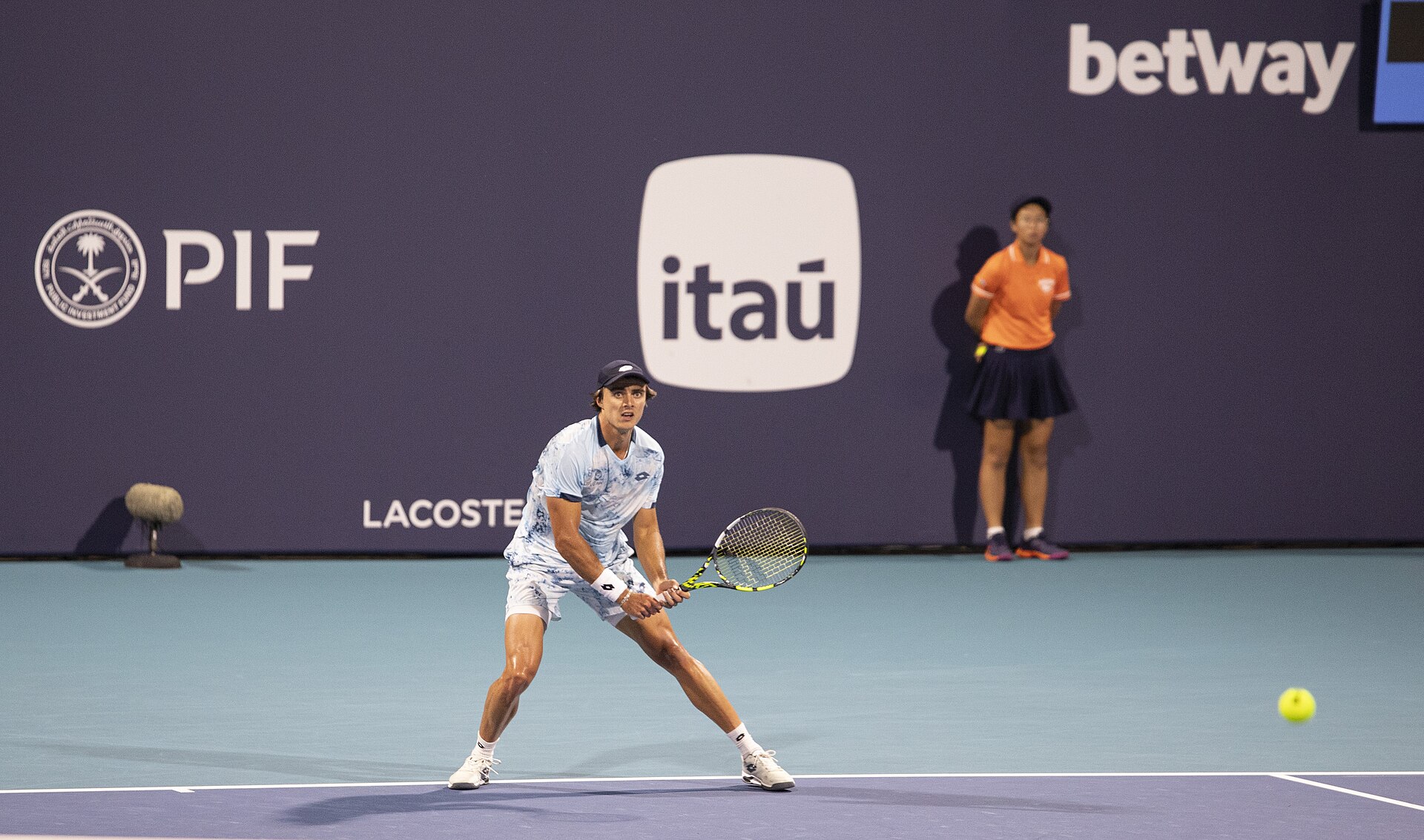
Night session, 2025: Adam Walton at 2025 Miami Open 01 by Vbrunophotog, CC BY-SA 4.0, via Wikimedia Commons.
Remaining photographs from the miamitourism.org library.