Spring Break in Miami: Rules, Costs and Where to Go
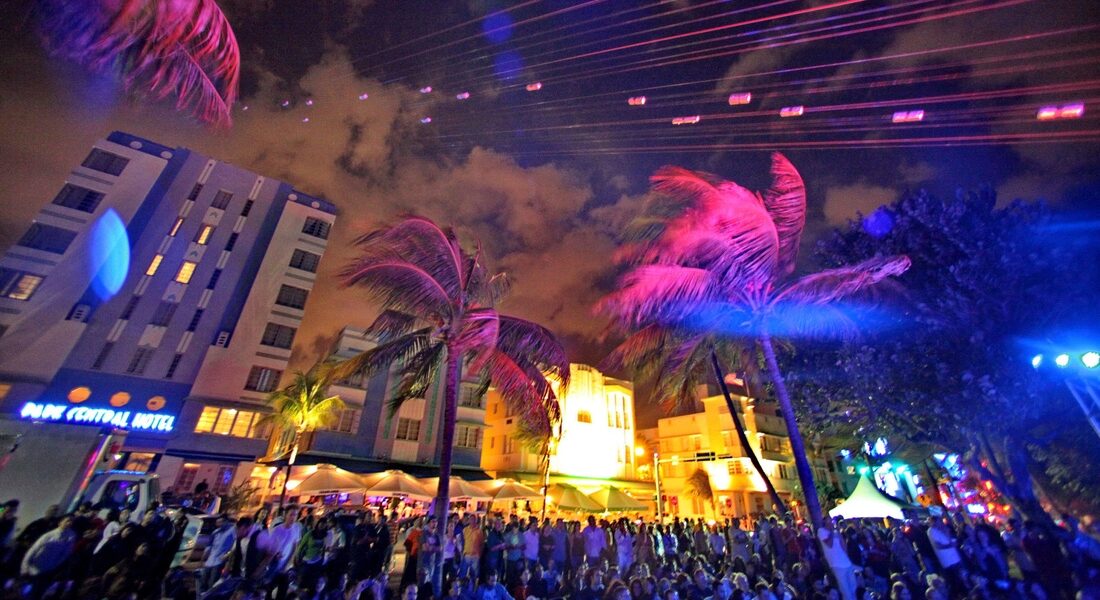
Walk down Ocean Drive on the middle Saturday of March and the first thing you notice is not the crowd. It is the fencing. Metal barriers steer people toward a handful of beach entrances, officers look inside every bag at each gap, and license plate cameras have already logged your car on the causeway. The spring break Miami became famous for, with speakers on car roofs and crowds spilling off the sidewalk into the street, has been taken apart one ordinance at a time since 2021. What replaced it is a busy, expensive and heavily managed beach town that still draws students every March, on the city’s terms rather than theirs.
This guide is for anyone planning a March trip: college groups, families whose school holiday lands in the same weeks, and couples who just want the sunshine and would like to know what they are walking into. It covers the rules and why they exist, what parking and a tow cost when the city is at its strictest, where each kind of traveler should stay, where the party actually happens now, the law, the beach, and the escape routes. Rules and prices are from the 2026 season, checked in September 2026. Miami Beach announces each year’s measures in late winter, so treat these figures as the right order of magnitude and confirm them before you travel.
Spring Break at a Glance
| Question | Short answer (2026 season) |
|---|---|
| When is it? | Miami Beach treats the whole of March as a high-impact period. Crowds peak on the second and third weekends. |
| Peak weekends last year | 12–15 March and 19–22 March 2026. The city names the 2027 dates early in the new year. |
| Curfew? | None in 2026. There were curfews in 2024 and 2025, and the police chief can still impose one at short notice. |
| Alcohol on the beach? | Banned on Miami Beach city beaches all year, not just in March. |
| Turned away at the entrances | Coolers, glass, tents, inflatables, and amplified music without a permit. |
| Garage parking, Art Deco District | Flat fee from $40 on spring break days, with room to rise to $100. |
| Street and surface-lot parking | $20 an hour for non-residents, Thursday to Sunday through March. |
| Getting towed | $548 to get your car back if you do not live in Miami Beach. |
| Best base for students | Mid-Beach or downtown, rather than the middle of South Beach. |
| Best base for families | Key Biscayne, Coconut Grove, Surfside or Sunny Isles. |
| Also happening that month | Calle Ocho, the Miami Open, Miami Music Week and Ultra. |
How Miami Beach Broke Up With Spring Break
It helps to know the history, because it explains why the rules look the way they do. Spring break was never really a Miami tradition. Fort Lauderdale owned the college crowd for decades, until the mid-1980s, when its mayor went on national television and told students they were no longer welcome. South Beach drifted into the role later. By the late 2010s it was drawing a March crowd that was, by the city’s own account, as much weekend visitors from across Florida and the Southeast as it was college students on a week off.
The breaking point came in 2021. Pandemic-era crowds packed the entertainment district, police used pepper balls to clear Ocean Drive, and the city declared a state of emergency with an 8 p.m. curfew. In 2022 a string of shootings brought a midnight curfew. In 2023 two fatal shootings in the same week brought another state of emergency. By 2024 the city had stopped pretending to be neutral about the whole thing. It launched a campaign announcing, more or less in those words, that Miami Beach was breaking up with spring break, and backed it with curfews, early beach closures, bag checks and punitive parking charges. The curfews came back in 2025.
For 2026, the city dropped the blanket curfew but kept almost everything else, and aimed the measures squarely at cars and crowds: flat-rate garage parking, a steep hourly rate for non-residents on the street, doubled towing fees, plate readers on the causeways, DUI checkpoints and a partly gated Ocean Drive. Miami Beach’s police chief summed up the approach before the season started: “The Spring Break of the past is gone.”
What this means in practice depends a lot on who you are. Two people staying at a Collins Avenue hotel mostly experience spring break as bag checks, slow traffic and inflated drink prices. A group of ten driving down from Atlanta for the weekend, planning to park near the beach and spend the afternoon on the sand with a cooler, will have a thoroughly miserable time. The rules are designed to make that second trip unappealing, and they work.
The Rules, and Which Ones Actually Matter
The rules come in three layers: the ones that apply all year and simply get enforced harder in March, the ones that switch on for the month, and the emergency measures kept for the peak weekends.
Year-round rules that catch people out
- No alcohol on Miami Beach city beaches, ever. Not in a cup, not in a soda can, not in a cooler at the back of the umbrella. Most visitors discover this at a March entrance checkpoint, where the bottle goes in the bin.
- No smoking on the beach. The ban covers the city’s beaches and parks, and people do get cited for it.
- No glass on the sand, which in practice means no bottles of anything.
- No open containers in the street. Walking down Collins Avenue with a drink from the hotel bar is a ticket waiting to happen.
What switches on for March
- Controlled beach entrances. Along Ocean Drive and Lummus Park, access to the sand runs through a limited number of openings with security checkpoints. Expect a bag search, and expect the walk from your hotel to the water to be longer than your map suggests because the nearest gap may be closed.
- The banned-items list gets enforced. Coolers, glass, tents, inflatables and speakers without a permit are turned away at the checkpoint. Small bags, towels, sunscreen and water in plastic bottles are fine.
- License plate readers on the Julia Tuttle and MacArthur causeways, running Thursday to Sunday through March. They look for stolen cars and wanted drivers, but they are also a reminder that nobody drives onto the island unnoticed.
- Parking surcharges and doubled towing. See the next section, because this is where visitors lose the most money.
What the peak weekends add
- Restricted vehicle access into the entertainment district, with traffic funneled toward a single exit at 5th Street in 2026. Expect detours, closed side streets and long waits to leave.
- DUI checkpoints at the entry points. In 2026 they ran on 13–14 and 20–21 March.
- A heavier police presence through the whole district, including officers on foot along Ocean Drive and Washington Avenue.
- The power to impose a curfew. The city did not use it in 2026, but it imposed one every year from 2021 to 2025. If one is declared, it will be announced that day and it will be enforced.
None of this applies north of the entertainment district in the same way. Mid-Beach, North Beach and Surfside see busier beaches in March but none of the fencing, and the rules there are the ordinary year-round ones. That single fact shapes almost every recommendation in this guide.
Getting In, Getting Around, and Parking
The simplest piece of advice on this page: do not drive into South Beach on a spring break weekend. Four causeways connect Miami Beach to the mainland. The MacArthur lands you at 5th Street at the southern end of the island. The Venetian, a slow and pretty route with drawbridges and a toll, comes in near 17th Street. The Julia Tuttle arrives at 41st Street in Mid-Beach, and the 79th Street Causeway reaches North Beach. On a peak Saturday all four back up, and the two busiest carry plate readers.
What parking actually costs
In 2026, garages in the Art Deco District switched to a flat fee starting at $40 on spring break days, with the city reserving the right to raise it to $100. On-street spaces and surface lots in the district cost non-residents $20 an hour, Thursday through Sunday for the whole month. Do the math for a group arriving in two cars and staying for a four-hour afternoon on the street: $160 before anybody has bought a drink. And if you gamble on a loading zone or a residential permit space, recovering a towed car cost non-residents $548 in 2026, roughly double the usual rate.
If you must drive, park at your hotel and leave the car there, or use a garage outside the district and walk or take the trolley in. Our Miami parking guide covers the garages and apps in more detail.
Better ways to move around
- The Miami Beach Trolley is free. Four routes, including a South Beach Loop and a Collins Express up to North Beach, run from 8 a.m. to 11 p.m. every day at roughly 20-minute intervals. It is slow in March traffic, and it stops before the night gets going, but it costs nothing and drops you close to the action without the parking problem.
- Walking works better than anything else within South Beach. From 5th Street to Lincoln Road is a little over a mile along the Beachwalk.
- Rideshare is easy to get dropped off by and hard to get picked up by on a peak night. Walk a few blocks west to Alton Road or north of 15th Street before you open the app, and check the plate before you get in.
- From the airport, the express bus from Miami International to Miami Beach costs a standard transit fare and avoids the surge pricing that hits rideshare during festival weeks. Our transportation guide has the routes, and the airport guide covers arrivals.
When to Go, and When Not To
March is not one uniform month in Miami. The spring break crowd, the festival crowd and the family crowd arrive in overlapping waves, and choosing your week well matters more than choosing your hotel.
- The first ten days of March are the calmest stretch. The Winter Party Festival, a major LGBTQ+ event, usually spills over from late February, but the big college weekends have not started and hotel prices have not yet peaked.
- The second and third weekends are spring break at full strength, with every measure above in force. In 2027 that window also contains Calle Ocho on Sunday 14 March and the start of the Miami Open the same day.
- The last week of March belongs to electronic music. Miami Music Week runs 22–28 March 2027 and Ultra fills Bayfront Park from 26 to 28 March. Easter Sunday falls on 28 March 2027, which puts European and domestic family holidays into the same week. This is usually the most expensive hotel week of the entire year.
- April is the quiet winner. The water is warmer, the spring break crowd is gone, and Miami Beach Pride on 10–11 April 2027 is a better party than anything on Ocean Drive in March.
| Event | 2027 dates | Where |
|---|---|---|
| Calle Ocho Music Festival | Sunday 14 March | SW 8th Street, Little Havana |
| Miami Open tennis | 14–28 March (subject to change) | Hard Rock Stadium, Miami Gardens |
| Miami Music Week | 22–28 March | Clubs and pools across Miami and Miami Beach |
| Ultra Music Festival | 26–28 March | Bayfront Park, downtown |
| Miami Beach Pride | 10–11 April | Ocean Drive and Lummus Park |
Our Miami in March guide goes through the whole month, and the Calle Ocho, Miami Music Week and Ultra guides cover each event properly.
Where to Stay for Spring Break
College groups and friends
The instinct is to book as close to Ocean Drive as possible. Resist it. On a peak weekend you will pay the highest rates of the year to sleep behind a checkpoint, and the hotels in the tightest part of the district often set two- or three-night minimum stays for those dates.
Mid-Beach, roughly the stretch of Collins Avenue from the 20s up into the 40s, is the better base. You are a free trolley ride or a half-hour walk along the Beachwalk from South Beach, the beaches in front of you are busy but unfenced, and the choice runs from hostels to big pool hotels. Freehand Miami and Generator Miami are the two hostels most groups end up at, with dorms and private rooms, and the Broken Shaker bar at Freehand is a destination in its own right.
Downtown and Brickell work if the plan is clubs rather than beach. Club Space is a short ride away, the rooftop bars are on your doorstep, the free Metromover links most of the towers, and South Beach is about twenty minutes across the MacArthur outside peak traffic. Our downtown and Brickell hotels guide has the options.
Be careful with vacation rentals. Miami Beach prohibits short-term rentals across most of its residential neighborhoods and fines hosts heavily, so a cheap “party house” on the island is either illegal or about to be. Legitimate hosts in legal buildings ban parties outright and hold large deposits against noise complaints. Our vacation rentals guide explains where rentals are allowed.
Families
Pick somewhere with no spring break atmosphere at all. Key Biscayne is the obvious choice: calm, shallow water at Crandon Park, a lighthouse at Bill Baggs, bike paths, and a causeway that keeps the island feeling separate from the city. Coconut Grove gives you shade, playgrounds and a quiet bayfront. North Beach, Surfside and Sunny Isles give you the Atlantic without the checkpoints; our North Beach and Surfside guide covers the hotels there.
Couples and everyone else
A Mid-Beach resort, Coral Gables, or South Beach from Sunday to Thursday. The weekday version of South Beach in March is lovely: warm water, full restaurants and none of the weekend perimeter. If you do book a South Beach hotel over a peak weekend, choose one with its own pool, check whether the entrance is on Ocean Drive or Collins Avenue, and read the resort fee line before you pay, because nearly every hotel on the island adds one to the nightly rate.
Where the Party Actually Is Now
The spring break crowd did not disappear when the city fenced off the beach. It moved, mostly indoors and onto private property, where there is a door, an ID check and someone responsible for what happens inside. If you are 21 or over, the party is arguably better than it used to be. It is just more expensive.
Pool parties and day clubs
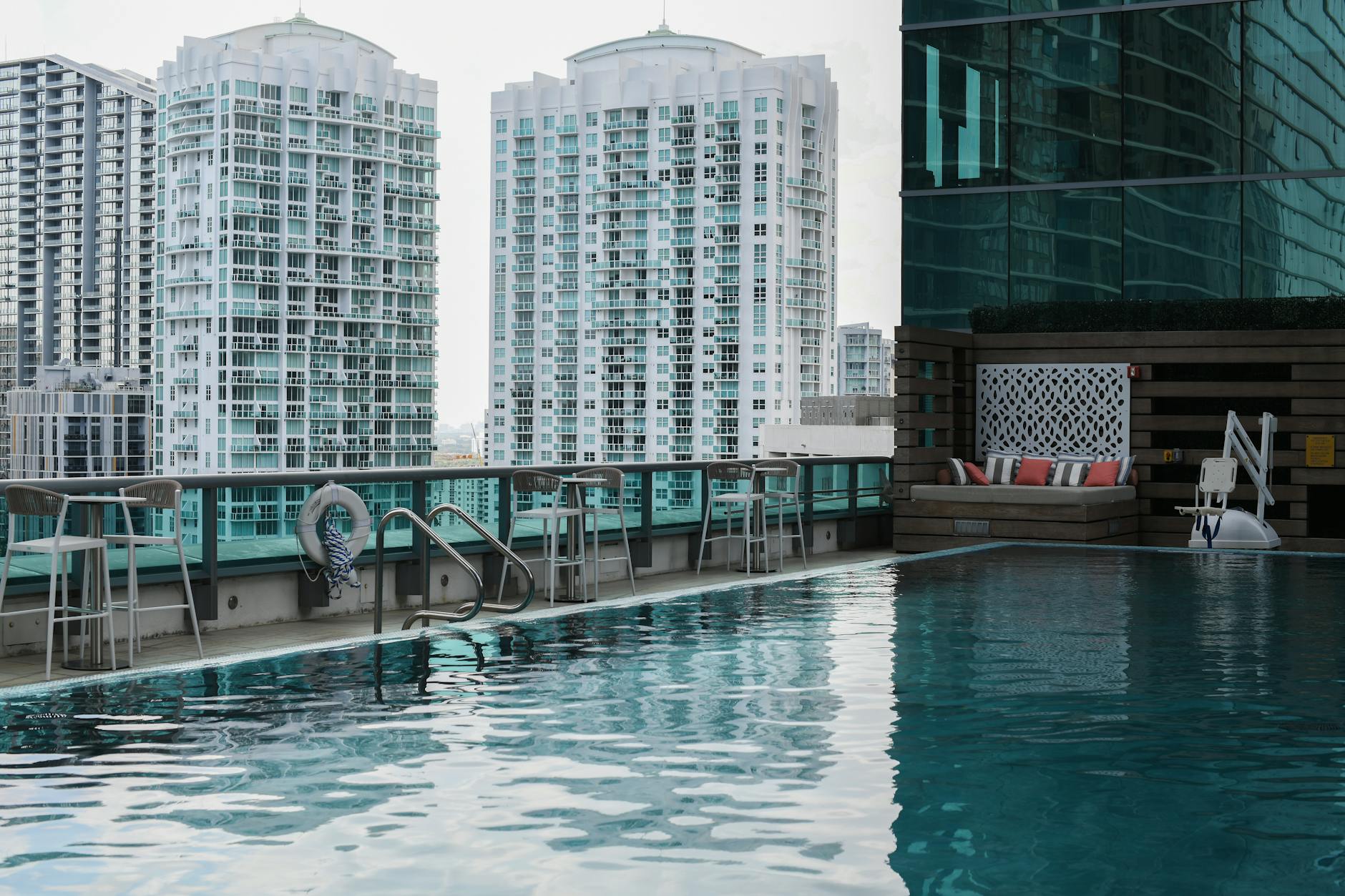
March is the start of the pool-party season, which runs roughly through October, usually from late morning to sundown and at its busiest on weekends. Strawberry Moon at the Goodtime Hotel runs Friday to Sunday from noon around twin pools and is the successor to the old Hyde Beach scene. Nikki Beach at 1 Ocean Drive does its Sunday day party on the sand. Joia Beach puts a dance floor on the sand with Biscayne Bay behind it. The biggest production in the area is DAER at the Hard Rock in Hollywood, just over the county line, with headline DJs and a crowd to match. Swimwear is the dress code. Expect cover charges, drink prices that make Ocean Drive look reasonable, and daybeds priced for groups.
Clubs
Almost every Miami club worth the name is 21 and over, and spring break weekends are when the door staff are strictest about it. LIV at the Fontainebleau is the big-ticket room on the Beach. Club Space downtown is where the serious dance-music crowd goes, and its terrace famously runs past sunrise. On a March Saturday, table minimums run into four figures and general admission queues are long. Our best clubs guide and South Beach nightlife guide go through the rooms one by one.
Wynwood and Brickell
Wynwood is the cheaper, younger and more relaxed alternative: breweries, murals, bars with courtyards and a crowd that is there to hang out rather than to be seen. It sits entirely outside the Miami Beach measures. Brickell’s rooftops are the smarter night out, with better cocktails, bay views and a dress code that means shoes rather than flip-flops. See our Wynwood nightlife guide and rooftop bars guide.
On the water
For a group, the boat is the one splurge that actually adds up. A 40-foot yacht charter for up to twelve people runs about $700 to $1,000 for three or four hours, which works out at $60 to $85 each before the tip. Many charters head for the Haulover sandbar, a long-standing weekend gathering spot where boats anchor in shallow water. Solo jet ski rentals run $85 to $160 an hour. The boat tours guide and water sports guide separate the good operators from the hard sell on the docks. Whatever you book, the captain’s rules on drinking apply, and a boat that gets boarded by marine patrol at the sandbar ruins the afternoon for everyone on it.
LGBTQ+ travelers have their own calendar: Winter Party at the turn of February and March, 12th Street Beach all month, and Pride in April. Our LGBTQ+ Miami guide has the details.
The Law, Plainly
Most spring break arrests in Miami Beach are for things people did not realize were crimes, or did not realize were enforced. A few points that matter:
- The drinking age is 21 and it is checked everywhere, including at pool parties and on hotel pool decks. International visitors should carry a passport; a foreign driver’s license is not always accepted.
- A fake ID is a felony in Florida, not a slap on the wrist. Bouncers confiscate them, and on spring break weekends police are often standing a few feet away.
- Recreational marijuana is not legal in Florida. A 2024 ballot measure to legalize it failed, and medical cards from other states are not a defense.
- Drivers under 21 face a 0.02 blood alcohol limit, which in practice means one drink. Everyone else faces the checkpoints.
- Open containers in the street are illegal, and so is drinking on the beach, as covered above.
For a broader view of which areas feel safe at night and how to avoid the common scams, see our guide to whether Miami is safe.
The Beach Itself: Flags, Currents and Sun
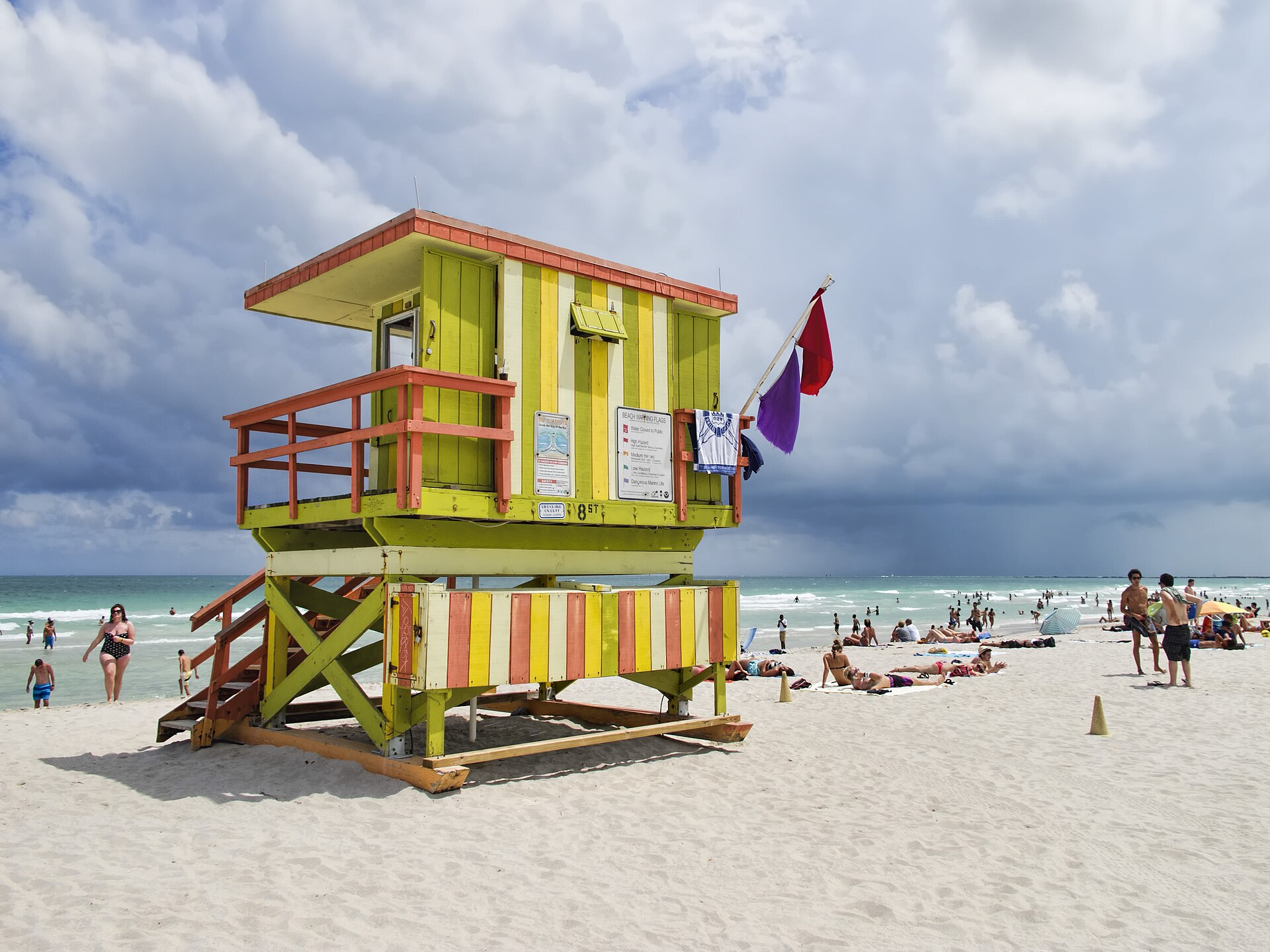
The checkpoints get the headlines, but the ocean is what actually hurts spring breakers. Miami Beach lifeguard towers fly colored flags, and they mean something:
- Green means low hazard, and it is the flag you want to see.
- Yellow means medium hazard, with moderate surf or currents, so swim near a lifeguard.
- Red means high hazard. Strong surf and rip currents are likely, and only strong swimmers should be in at all.
- Double red means the water is closed to the public.
- Purple means dangerous marine life, which in March often means Portuguese man-of-war. Do not touch the blue bladders washed up on the sand, even if they look dead, because the tentacles still sting.
If a rip current catches you, swim parallel to the shore until you are out of it, then head in. Do not fight it head-on. Swim near a staffed tower, and never swim after dark or after a day of drinking. Those two habits account for a depressing share of the serious incidents on this coast.
The sun is the other thing people underestimate. March feels mild at 80°F with a sea breeze, but the midday sun is strong enough to burn pale skin in well under an hour, and alcohol makes both sunburn and dehydration worse. Reapply sunscreen after swimming, drink water between everything else, and find shade between noon and 3 p.m. Our what to wear guide has a packing list that assumes you will be outside all day.
Spring Break With Kids
A lot of families end up in Miami in March because the school calendar decides for them. It is a very good month for it, provided you treat South Beach as a place to visit on a weekday morning rather than a place to stay.
Zoo Miami is at its best in March, before the summer heat makes the long walk between exhibits hard work; arrive at opening time. An airboat ride on the edge of the Everglades is the thing most children remember; our Everglades tour guide explains which operators are worth it. Frost Science and Jungle Island both get crowded in the middle two weeks of the month, so buy timed tickets ahead. Early-round days at the Miami Open are also surprisingly good with older children, because a ground pass lets them stand a few feet from professional players on the outside courts.
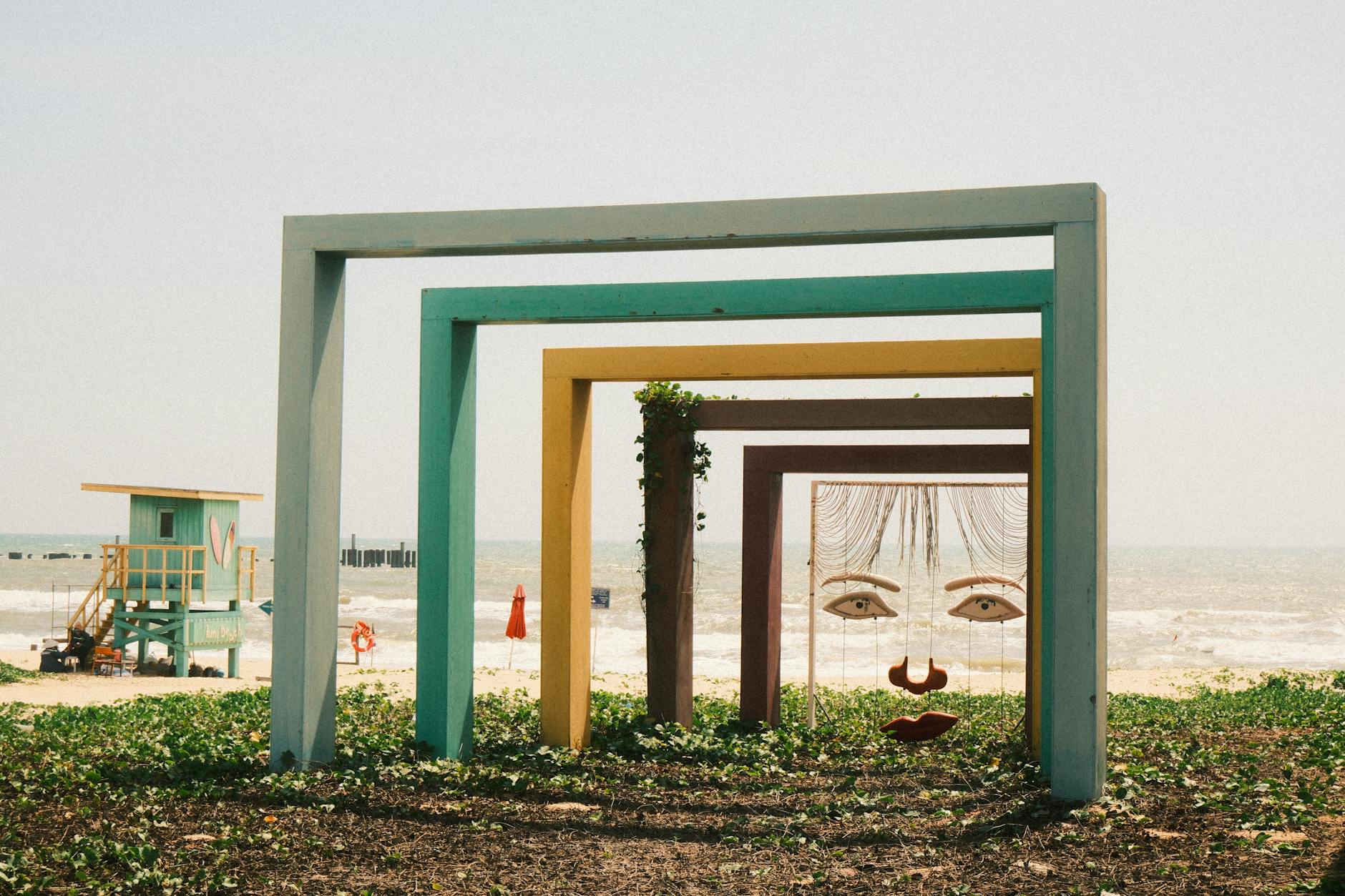
For the beach itself, Crandon Park’s calm, shallow water on Key Biscayne is the best choice for young swimmers, and Bill Baggs Cape Florida State Park next door charges $8 per vehicle for a beach, a lighthouse and a café. Up north, Haulover Park has lifeguards year-round and parking at $7 from Monday to Thursday and $10 at weekends. Our things to do with kids guide has plenty more for the days you are not on the sand.
Spring Break on a Budget
March is peak season, and Miami does not do cheap in peak season. You can still take a large bite out of the bill.
- Travel midweek. Sunday-to-Thursday rates in March can be dramatically lower than Friday and Saturday nights at the same hotel, and you skip the checkpoints too.
- Eat one block inland. An Ocean Drive cocktail runs around $25, and many of the restaurants add an automatic service charge of 18 to 20 percent. The “two-for-one” deals shouted from the sidewalk land near $50 once the fees are added. Española Way, the cafés on Washington Avenue, and the Cuban takeout windows serve better food for a fraction of that. Our cheap eats guide has the list.
- Use the free transit. The Miami Beach Trolley and the downtown Metromover both cost nothing.
- Use the county beach parks. Haulover, Crandon and Virginia Key charge a flat daily fee per car and are far easier to park at than South Beach.
- Split the boat. A shared charter costs less per head than a single night of club tables and gives you a much better afternoon.
Our Miami budget tips and free activities guide go further.
Escapes When the Beach Gets Too Much
One of the underrated things about spending spring break in Miami is how easy it is to leave for the day.
- Key Biscayne is twenty minutes from downtown and feels like a different country in March. Rent bikes, swim at Crandon, and walk out to the lighthouse.
- Fort Lauderdale, around forty minutes north and a short Brightline ride away, is the original spring break town that grew out of it. It is busy in March but noticeably less intense than South Beach. See our Fort Lauderdale from Miami guide.
- The Keys are warm, dry and beautiful in March. Key West, about three and a half hours each way, has its own spring break crowd, so book anything overnight well ahead; our Key West day trip guide has the route.
- The Bahamas is closer than most people realize. A same-day fast ferry to Bimini is covered in our Bahamas day trip guide, and three- and four-night cruises from PortMiami are a popular spring break in their own right; see our guide to short cruises from Miami.
Honest Verdicts
- If you want to drink on the sand, Miami is the wrong city. It has been illegal for years, and in March the city checks your bag at the entrance to make sure.
- Driving into South Beach on a peak Saturday is the worst decision you can make all week. Parking, towing, checkpoints and the one-exit traffic plan all punish it.
- Mid-Beach is the smartest base for a student group: close enough to walk to the action, far enough to sleep, and outside the fences.
- The Ocean Drive restaurant strip is not worth it in March or any other month. Walk one block inland.
- For families, March is excellent, as long as you stay on Key Biscayne or in the Grove and see South Beach on a weekday morning.
- The best spring break week in Miami is often the first week of April. Same weather, warmer water, and nobody at the beach entrance checking your cooler.
Frequently Asked Questions
When is spring break in Miami in 2027?
There is no single date. Miami Beach treats all of March as a high-impact period, and the crowds peak on the second and third weekends of the month, which were 12–15 and 19–22 March in 2026. The city usually confirms the peak dates and measures in February.
Can you drink alcohol on the beach in Miami Beach?
No. Alcohol is banned on Miami Beach city beaches all year round, and during March the beach entrances along Ocean Drive have checkpoints that turn away coolers and glass. Several county beaches outside Miami Beach have their own rules, so check before you pack.
How much does parking cost in South Beach during spring break?
In 2026, garages in the Art Deco District charged a flat fee from $40, with the option to raise it to $100, and non-residents paid $20 an hour for street and surface-lot parking from Thursday to Sunday. A tow cost non-residents $548 to recover the car.
Is Miami a good spring break destination if you are under 21?
Only partly. The beaches, the water sports, Wynwood’s murals and the day trips are all open to you, but nearly every club and pool party is 21 and over, and ID checks are strict in March. Using a fake ID in Florida is a felony.
Where do college students stay for spring break in Miami?
Mid-Beach hostels and hotels are the best value, with the Freehand and Generator hostels as the usual picks, and downtown or Brickell suit groups who care more about clubs than the beach. Staying right on Ocean Drive over a peak weekend costs the most and puts you behind the checkpoints.
Is Fort Lauderdale better than Miami for spring break?
It is calmer, cheaper and easier to park in, and its beach is less policed than South Beach on a peak weekend. Miami has the far bigger nightlife, food and events scene. Plenty of groups stay in one and spend a day in the other.
Is spring break a bad time to bring children to Miami?
Not at all, as long as you stay away from South Beach on the peak weekends. Key Biscayne, Coconut Grove and the northern beaches feel nothing like spring break, and March weather is ideal for the zoo, the Everglades and the beach.
What happens if a curfew is declared?
It would apply to the entertainment district in South Beach, it would be announced the same day, and police would clear the streets at the stated time. Hotel guests can go back to their hotel. Anyone else found in the zone after the curfew risks arrest. There was no curfew in 2026.
Related Miami Guides
- Miami in March — the whole month, spring break included.
- South Beach Guide — the neighborhood when it is not fenced off.
- Is Miami Safe? — the areas, the scams and the late-night rules.
- Miami Beaches — every beach, how to reach it, and what parking costs.
- Best Clubs in Miami — where the night goes after the beach closes.
- Miami Beach vs South Beach — which part of the island suits your trip.
- Miami Hotels With Pools — for when the pool beats the beach.
- Miami Travel Planning — the practical side of any trip.
Photo Credits
Ocean Drive at night: City of Miami Beach – Flickr – Knight Foundation (8) by Knight Foundation, CC BY-SA 2.0, via Wikimedia Commons.
8th Street lifeguard stand: 20130820 Miami Beach 3373 lifeguard stand (8th Street) by Dan Lundberg, CC BY-SA 2.0, via Wikimedia Commons.
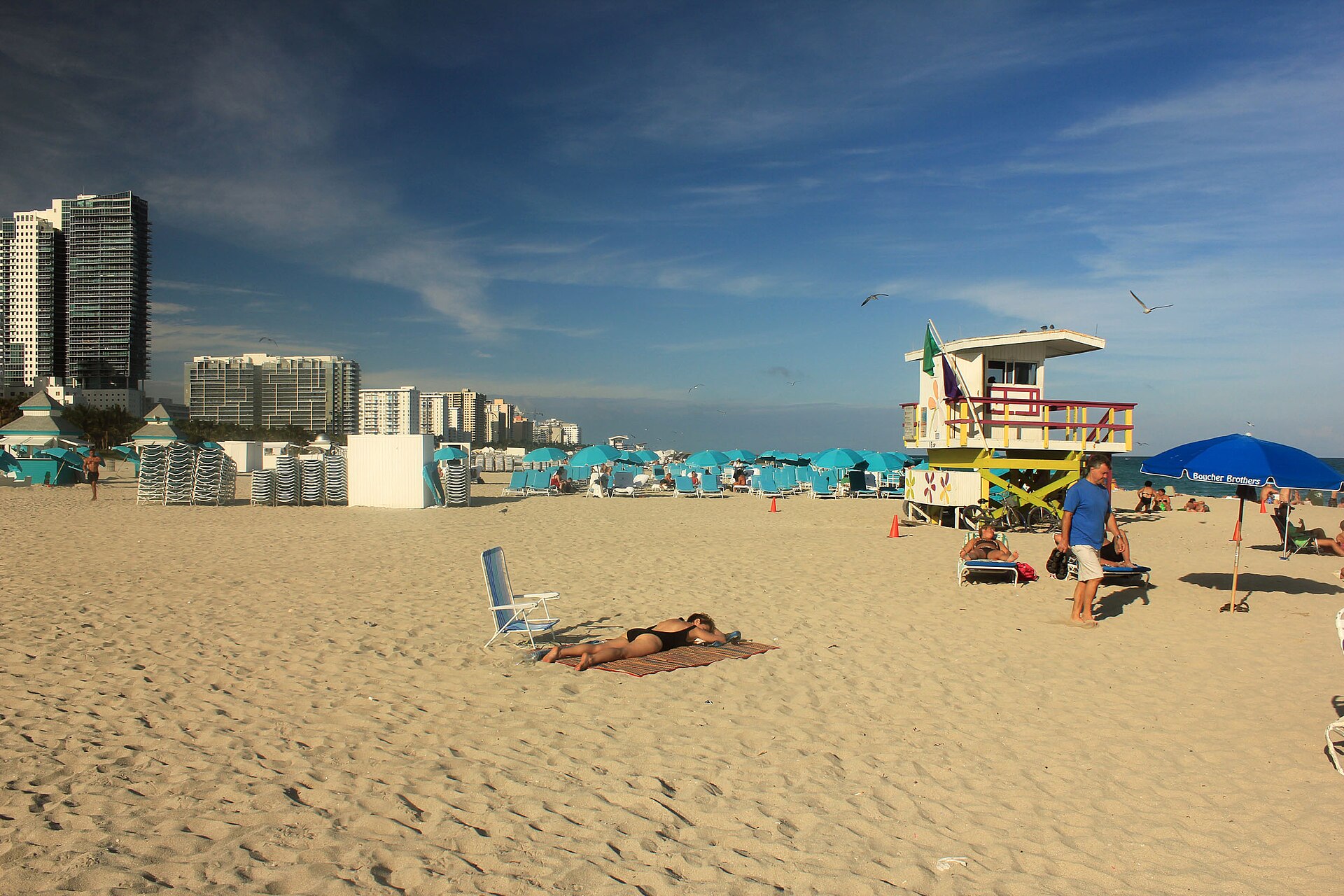
South Beach in the morning: Gfp-florida-miami-south-beach-looking-one-way by Yinan Chen, Public domain, via Wikimedia Commons.
Remaining photographs from the miamitourism.org library.