Outdoor Activities Miami: Complete Guide for Adventures (2026)
This article contains advertising. Our booking links are routed through a partner that adds commission tracking automatically, so if you book through one we earn a commission from the provider, at no extra cost to you. It never affects what we recommend. Affiliate disclosure
Miami’s reputation rests on its beaches and its nightlife, but some of South Florida’s best days out happen with your phone tucked away and your shoes getting muddy. Within an hour of downtown you can paddle a silent mangrove tunnel, pedal genuine singletrack, walk a boardwalk lined with basking alligators, or snorkel a living coral reef. The scale behind that range is striking: the Everglades spreads across 1.5 million acres, Biscayne National Park covers 173,000 acres that are 95 percent underwater, and Oleta River State Park hides Florida’s largest urban off-road bike trail network inside the city limits. This guide covers the outdoor activities in Miami that are actually worth a morning, what each one costs, and when in the year to do it.
Kayaking and Paddleboarding on Biscayne Bay
The gentlest introduction to outdoor Miami is from the seat of a kayak. Biscayne Bay is shallow, warm and mostly sheltered, and the mangrove creeks that fringe it are calm enough that a complete beginner can manage an hour without drama. Go early — the bay is glassy at 8 a.m. and choppy with boat wake by mid-afternoon.
Oleta River State Park
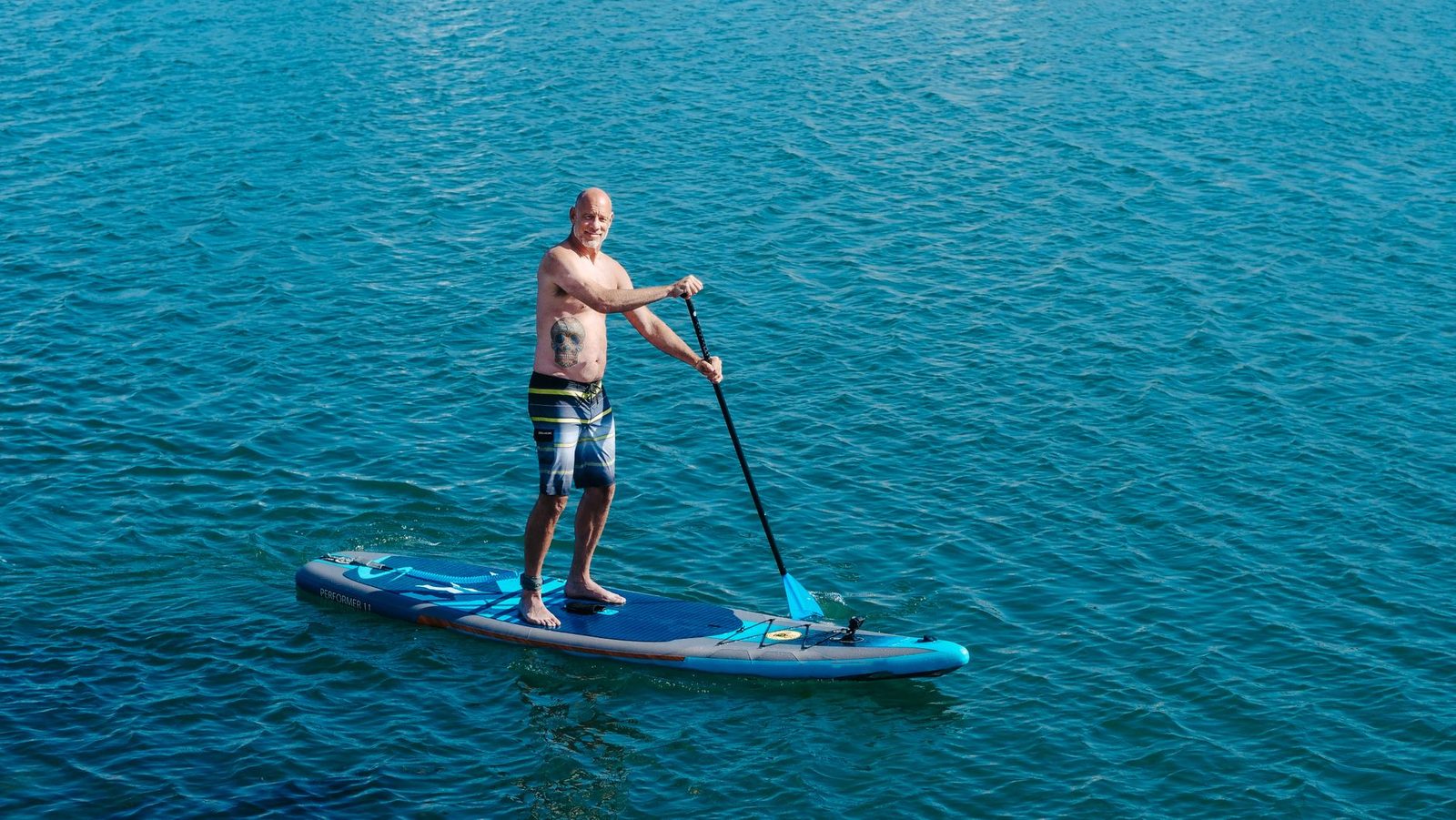
Oleta River State Park in North Miami is the obvious first stop, and the most forgiving. The concession inside the park, BG Oleta River Outdoor Center (long known to locals as the Blue Moon Outdoor Center), rents single and tandem kayaks, canoes, stand-up paddleboards, water bikes and mountain bikes, and opens seven days a week — roughly 9 a.m. to 6 p.m. on weekdays and 8 a.m. to 7 p.m. at weekends. From the launch you can nose into narrow mangrove creeks or push out into the lagoon that drains into Biscayne Bay. Park entry is cheap: about $6 per vehicle carrying two to eight people, $4 if you’re driving alone or on a motorcycle, and $2 if you walk or cycle in. The concession also runs guided outings that are worth timing your trip around — a sunset paddle on Friday evenings with lights rigged to the boats, a full moon tour once a month, and paddleboard yoga on Sunday mornings. There’s a restaurant, the Blue Marlin Fish House, on the same site for afterwards.
Virginia Key and Key Biscayne
Virginia Key Outdoor Center, tucked beside the trails at Virginia Key North Point Park, rents kayaks, paddleboards and bikes daily for around $25 to $30 per person and puts you straight onto a protected stretch of bay with the downtown skyline behind you. Vehicle entry to the park is charged separately — budget roughly $5 on weekdays, $10 at weekends and a little more on holidays. Further south, the flats around Bill Baggs Cape Florida State Park and Crandon Park let you drift over seagrass beds where rays, upside-down jellyfish and, in winter, the occasional manatee pass underneath. Bill Baggs has a designated kayak launch at Beach Access #1 in Area A, marked by a V of safety floats; it’s the only spot in the park where you may land or launch from the sand, and the portage is a few hundred feet, so bring a boat dolly. At Crandon, note the rule that catches people out: personal kayaks and paddleboards cannot be launched from the beach at all — rent from the north watersports concession, book a county EcoAdventures tour, or launch from Crandon Park Marina instead.
Matheson Hammock and the outer islands
Outfitters working out of Matheson Hammock Park in Coral Gables launch trips toward the uninhabited islands of Biscayne National Park, where you can beach the boat on a sandbar and have it more or less to yourself. Matheson charges around $7 plus tax to park on weekdays and $10 plus tax at weekends and on holidays. If paddling feels too tame, our Miami water sports guide covers jet skis, parasailing and the faster end of the bay.
Mountain Biking Inside the City Limits
Miami has no hills, which makes the quality of its singletrack genuinely surprising. Trail builders here have compensated with tight, twisting, root-and-limestone riding that rewards handling over lungs, and three networks are worth a visit.
Oleta River State Park is the headline. Roughly ten miles of intermediate and advanced trail wind through coastal forest, with about four more miles of novice loops and three miles of paved path for anyone easing in. It rides fast and technical in places, and because the canopy is thick it stays tolerable later in the day than open trail would. Bring your own bike or rent one from the outdoor center at the entrance.
Across town, the Virginia Key North Point Trails pack close to ten miles of singletrack into the northern tip of the island. Built to International Mountain Bicycling Association standards and maintained by volunteers from the Virginia Key Bicycle Club, it’s genuinely tiered: a flat novice loop, an intermediate line with bermed corners and small drops, and an advanced course with bridges, exposed limestone and hairpins. Riding costs nothing beyond the park’s vehicle entry fee, but you need your own bike and helmet or a rental from Virginia Key Outdoor Center nearby. Check the trail map before you go, as sections close after heavy rain.
Amelia Earhart Park in Hialeah rounds it out with 5.5 miles of woodland trails split across beginner, intermediate and advanced lines, open sunrise to sunset year-round and free to ride — you only pay the weekend parking fee, which is $8 Friday through Sunday and on holidays, with parking free Monday to Thursday. Genesis Mountain Bike Rentals operates at the park on weekends, roughly 9:30 a.m. to 6 p.m., renting Trek hardtails with helmets included.
Road Cycling, Causeways and Paved Trails
Road riders gravitate to the Rickenbacker Causeway, whose climb over the bridge to Key Biscayne is the closest thing Miami has to a hill and a sunrise-ride institution. It is one of the busiest cycling and running corridors in Miami-Dade, and crucially it’s free on two wheels or on foot — the tolls apply only to drivers. Get out there before 8 a.m. at weekends if you want the road to yourself, and be realistic about traffic: this is a fast, open causeway shared with cars, and the safest riding is on the dedicated path rather than the shoulder.
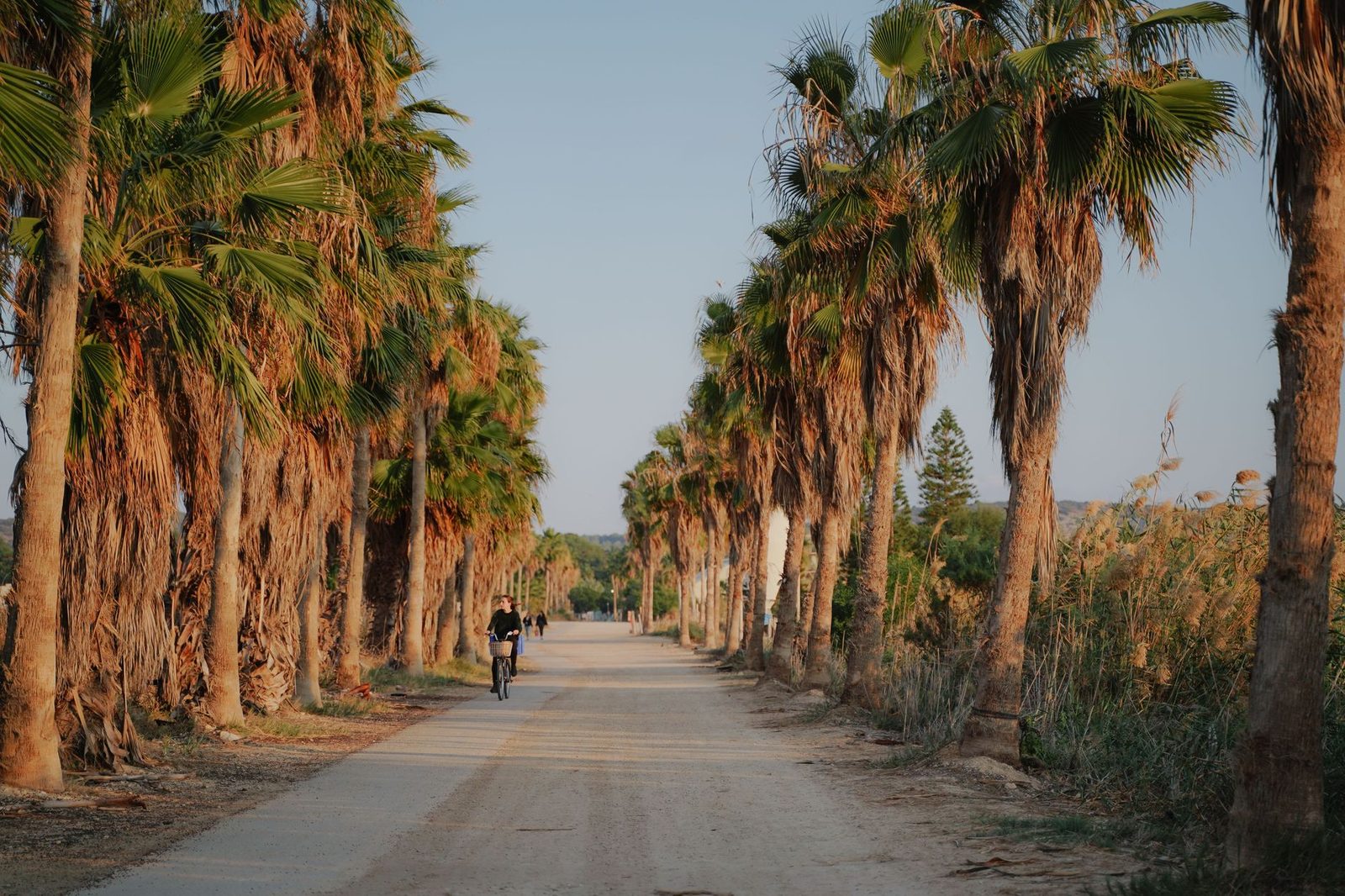
The Venetian Causeway is the mellower alternative, running about two and a half miles across the bay between mainland Miami and Miami Beach on a chain of six man-made islands. Traffic is slow, the views are excellent and it’s a far less intimidating route for anyone riding a rental cruiser. The flat, shaded Old Cutler Trail is the family option, a paved path following Old Cutler Road from Coral Gables down toward Pinecrest beneath enormous banyans, passing Matheson Hammock and Fairchild along the way.
The most interesting new addition is The Underline, a linear park being built along ten miles of land beneath the elevated Metrorail. The first half-mile section, the Brickell Backyard, opened in February 2021 and is now a well-used strip of lawn, gym equipment and shade. Phase 3 is the big one — a 7.36-mile segment from near the Vizcaya station down to Dadeland South, a $109 million build adding around 1,800 trees and 350,000 native plants, hydration stations, bike repair stands and free Wi-Fi across eight Metrorail stations. Completion has been targeted for 2026, so check what’s open before planning a full ride. For flat cruising, the Miami Beachwalk runs about seven miles of oceanfront promenade from South Pointe Park up to North Beach Oceanside Park.

Hiking and Nature Trails in South Florida
Hiking in flat South Florida means boardwalks, levees and shaded hammock loops rather than switchbacks — but the wildlife more than compensates for the missing elevation. Distances are short, so plan on stringing two or three together rather than one big day.
Bill Baggs Cape Florida wraps trails around a lighthouse at the southern tip of Key Biscayne. One path threads the mangrove wetlands north of the Boater’s Grill parking area; another runs through coastal strand south into Area D. The lighthouse is the oldest standing structure in Miami-Dade County — first completed in 1825, damaged during the Second Seminole War and rebuilt in 1846. Tours run Thursday to Monday at 10 a.m. and noon, and it’s 109 steps to the top; anyone shorter than 42 inches can enter the base but not climb. The park opens at 8 a.m. and closes at sundown, 365 days a year. Cape Florida was designated part of the National Underground Railroad to Freedom in 2004, recognising the enslaved people and Black Seminoles who sailed from here toward the Bahamas in the 1820s.
Closer to town, Matheson Hammock offers cool, canopied loops through old-growth tropical hardwood beside its man-made atoll pool, and Greynolds Park in North Miami Beach gives you 249 acres of trails, lakes and hammock. Greynolds is free on weekdays and charges around $10 per vehicle at weekends and on holidays, opens sunrise to sunset, and does not allow pets. At Crandon Park, the Bear Cut Preserve is the quiet highlight — a mangrove boardwalk leading to an overlook onto a fossilised reef, with naturalist-guided hammock hikes bookable through the county’s EcoAdventures program. The Crandon Park Visitor and Nature Center at 6767 Crandon Boulevard is open 9 a.m. to 4 p.m. daily and is the place to ask what’s been seen lately. For more under-the-radar green space, see our guide to Miami’s hidden gems.
Into the Everglades
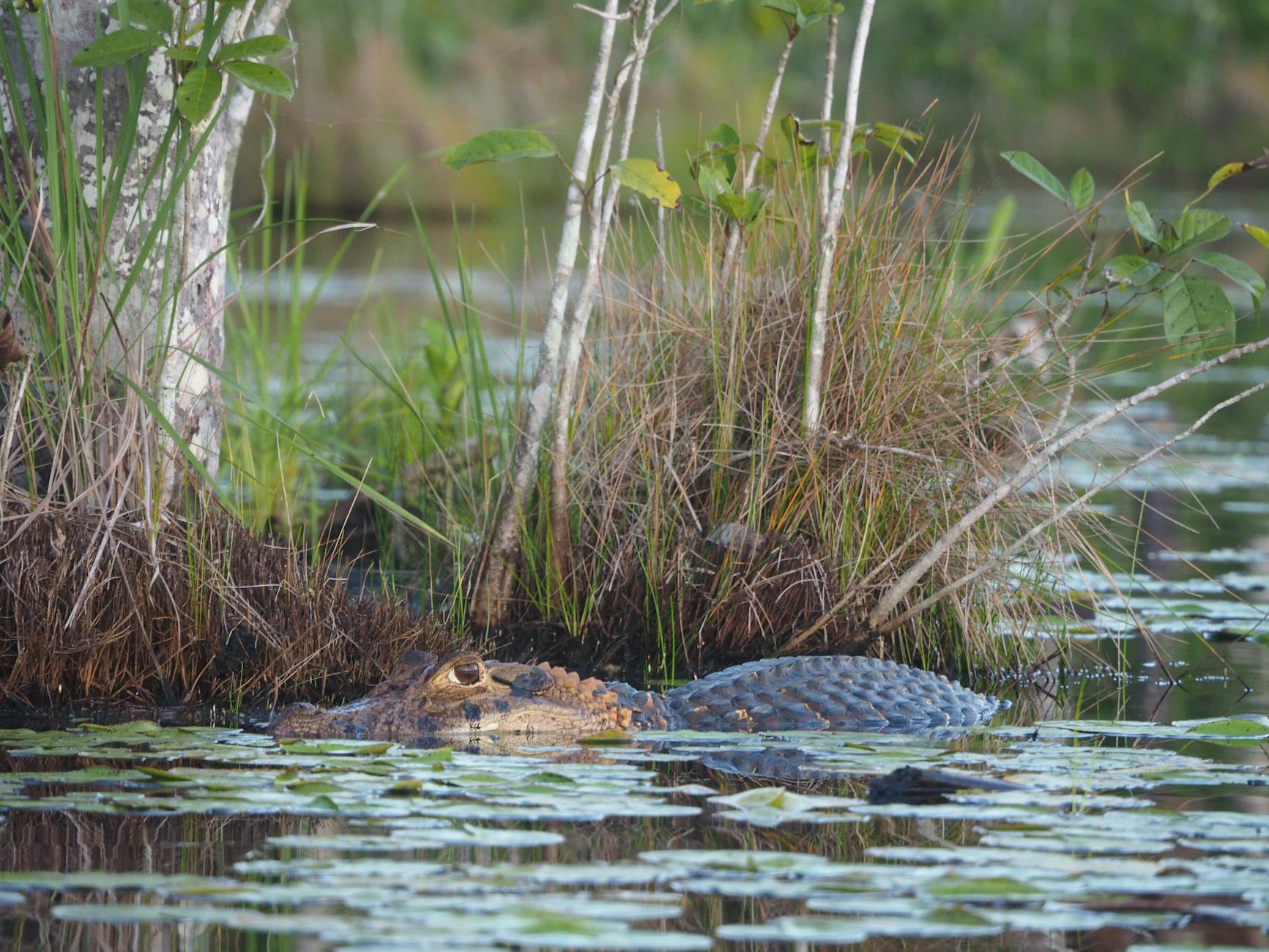
The classic outing is Shark Valley in Everglades National Park, about 25 miles west of Miami on the Tamiami Trail. A 15-mile paved loop runs deep into the river of grass to an observation tower — the highest accessible point in the park, roughly 45 feet up, with views stretching some 20 miles in every direction. You can walk part of the loop, rent a bike for the day for about $27, or ride the two-hour tram with a naturalist for roughly $34 for adults, $26 for seniors and $18 for children aged three to twelve. Bikes go out from about 8:30 a.m. and must be back by 5 p.m.; the Shark Valley road is open to vehicles from 8:30 a.m. to 6 p.m. Expect to share the path with alligators sunning a few feet away — they are habituated, not tame, and giving them a wide berth is not optional.
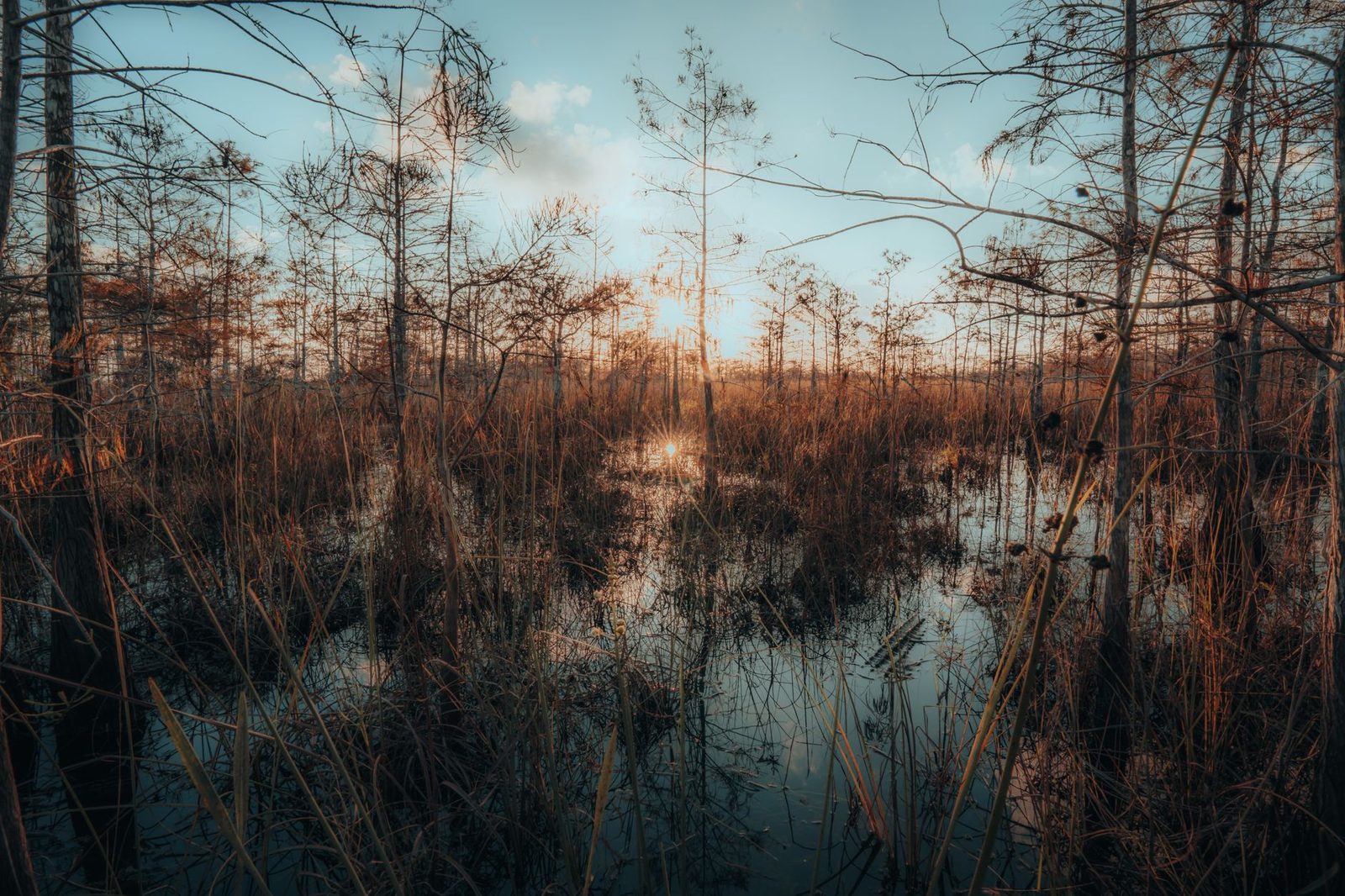
Two practical notes trip people up. First, Shark Valley’s car park fills and closes temporarily on winter weekends, so from late December through April arrive early and reserve tram seats in advance — the winter schedule runs roughly hourly from 9 a.m. to 4 p.m., while the summer timetable thins to four departures a day. Second, Everglades National Park is cashless. Cards and digital passes only, at every fee station.
Entrance costs $35 per private vehicle, $30 per motorcycle or $20 per person arriving on foot or by bike, all valid for seven consecutive days at every park entrance. An Everglades annual pass is $70 and the interagency America the Beautiful pass is $80. One change matters a lot for international visitors: since 1 January 2026, non-US residents aged 16 and over pay an additional $100 per person on top of the standard fee unless they hold an annual or America the Beautiful pass — which means for a couple visiting from abroad, the annual pass is now the cheaper option. Airboats are a separate business run by private operators along the Tamiami Trail rather than by the park; they are loud, fast and fun, but they are not the way to see wildlife quietly, and prices vary enormously, so read what’s included before booking.
Biscayne National Park: Snorkeling, Diving and Islands
Biscayne National Park is the rare park you need a boat to truly see. Its reefs, shipwrecks and turquoise shallows make for some of the best snorkeling and diving on the US East Coast. Entry to the park is free, and the mainland base — the Dante Fascell Visitor Center at 9700 SW 328th Street in Homestead, open 9 a.m. to 5 p.m. daily — has a free museum, a theater and the short, fully accessible Jetty Trail if you only have an hour.
To get on the water, the non-profit Biscayne National Park Institute runs the concession trips. Reef and shipwreck snorkeling outings run most mornings and afternoons for around $64 per person, with a small-group version capped at six passengers costing closer to $99. The Boca Chita Key heritage cruise, which departs from Coconut Grove and costs roughly $83, adds an hour of introductory snorkeling and a swim in the summer months. There’s also a full-day sail, paddle and snorkel combination that leaves the Homestead visitor center around 10 a.m. Trips are weather-dependent and the destination often switches between reef, wreck and bay on the morning itself, so build in flexibility. Snorkeling gear and basic instruction are included.
Wind, Wake and Faster Water
The windward side of the Rickenbacker — long known as Hobie Beach, or Windsurfer Beach to locals — is Miami’s home for windsurfing, kiteboarding and beginner sailing. The water is shallow, the breeze is steady and dogs are welcome, which makes it the natural place to take a first lesson. Crandon Park’s flats are where most kite schools run their teaching, thanks to long stretches of waist-deep water over a sandy bottom; kiteboards and kayaks can be rented from the beachside concession at the park’s north end. Matheson Hammock is quieter and better suited to intermediates, and Miami-Dade asks that anyone kiting there hold at least IKO or PASA level 3 certification or the equivalent. Expect to pay around $150 an hour for private tuition, with full beginner packages of roughly nine hours running to about $1,300. Steady 12 to 18 knot easterlies make November to April the strongest stretch of the year.
For wakeboarding without a boat, the Miami Watersports Complex at Amelia Earhart Park runs full-size cable systems over a 90-acre freshwater lake. Two hours on the cable costs around $45 if you have your own gear and about $65 with basic gear included; an all-day pass is roughly $65 or $82 respectively. No reservation is needed to ride the cables, coaches ride alongside beginners, and it is a far cheaper way to learn than hiring a boat. Jet skis are the other obvious option, and prices in Miami Beach and Coconut Grove generally land between about $100 and $200 an hour depending on the machine, the season and whether fuel and marina fees are folded into the quoted rate — always ask, because the add-ons are where the surprises live. Our boat tours guide covers the option of letting someone else drive.
Fishing From Shore, Pier and Seawall
You do not need a charter to catch fish in Miami. The pier at South Pointe Park, at the tip of South Beach overlooking Government Cut, is free and open sunrise to sunset, and produces snapper and Spanish mackerel with cruise ships sliding past a few hundred feet away. The Haulover Inlet jetty is also free and is a reliable spot for jack crevalle, bluefish and mackerel when the tide is moving. The Newport Fishing Pier in Sunny Isles Beach reaches well out into the ocean and charges around $10 to fish — the pier’s own license covers anglers, so you don’t need your own. Bill Baggs has some of the best shoreline fishing in the region from the seawall along Biscayne Bay, and bait and tackle are sold in the park.
The licensing rule is simple and worth getting right: if you’re fishing on your own from shore, a pier or a boat, and not with a licensed charter captain or from a state-licensed pier, you need a Florida recreational saltwater license, whether you live in Florida or not. They’re inexpensive, available online in minutes, and enforcement is real. Sailfish run best from November through March, when cold fronts push them closer to the reef edge. If you’d rather have a captain, our fishing charters guide covers the offshore option.
Wildlife, Birding and Botanic Gardens
Miami sits directly on the Atlantic Flyway, which makes autumn and spring migration genuinely world-class here. Bill Baggs runs the Cape Florida Banding Station, where researchers operate mist nets from mid-August through the first week of November to track neotropical migrants funnelling down the coast — the restored hardwood hammock is one of the last decent refuelling stops before the crossing to the Caribbean. In the Everglades, the Anhinga Trail is the reliable classic for herons, anhingas and purple gallinules at close range, with Mahogany Hammock and Snake Bight better for woodland species like white-crowned pigeon and black-whiskered vireo. Closer in, A.D. Barnes Park in West Miami is a solid urban patch, and painted buntings turn up at winter feeders at Castellow Hammock and Bill Sadowski Park. The Tropical Audubon Society runs free guided walks year-round.
Fairchild Tropical Botanic Garden in Coral Gables is 83 acres of rainforest, palm groves and the Wings of the Tropics butterfly conservatory, open daily 10 a.m. to 5 p.m. at 10901 Old Cutler Road, with free parking. Adult admission booked online is around $24.95 on weekdays and $27.95 at weekends, with in-person tickets about $5 more; children aged three to eleven start near $11.95 and seniors near $17.95, and under-threes are free. Walk, cycle or take transit and you get $5 off adult admission — a nice touch if you’re already riding the Old Cutler Trail. Fairchild also runs early-morning bird walks. Amelia Earhart Park in Hialeah spreads across 515 acres with five lakes, a fort-style playground and a five-acre free dog park; note that the Bill Graham Farm Village, the park’s petting farm, is currently closed for maintenance repairs with no reopening date announced, so don’t build a family day around it without checking first. For the full menagerie — alligators, manatees and roseate spoonbills — the Everglades remains the headline act, easiest to reach on a guided trip from the city.

Free Outdoor Things to Do in Miami
A surprising amount of the best of outdoor Miami costs nothing. Every public beach in Miami-Dade is free to walk onto, including South Beach, Haulover and Crandon — you pay to park, not to swim. The Miami Beachwalk’s seven miles of promenade, the Miami Riverwalk along the north bank downtown and the growing Baywalk network are all free, and stitching a few together makes a genuinely pleasant morning on foot. The Rickenbacker Causeway is free to cycle or run, and both the Virginia Key and Amelia Earhart mountain bike networks are free once you’ve parked. Bayfront Park, South Pointe Park and Margaret Pace Park run free community yoga and outdoor fitness sessions on a regular schedule, and Bayfront hosts free concerts through the year. Wynwood’s street art costs nothing to walk past — the ticketed Wynwood Walls courtyard is the exception, not the rule. Historic Virginia Key Beach Park is worth an hour for its history alone: during segregation it was the only beach in Miami-Dade where Black residents were permitted to swim, and today it’s a calm, shallow stretch of sand with that story told on site.
What Outdoor Miami Costs, and Who Each Activity Suits
Park entry is the smallest line on the budget. Florida state parks charge per vehicle — about $6 at Oleta and $8 at Bill Baggs — while Miami-Dade county parks charge for parking rather than entry, generally $7 to $10 depending on the day. Biscayne National Park is free. Everglades National Park is the outlier at $35 per vehicle, plus the nonresident surcharge for overseas visitors.
Activities are where the money goes. Rough guide rates: a kayak or paddleboard for a couple of hours, $25 to $50; a mountain bike rental for the day, $40 to $60; bike hire at Bill Baggs, about $9 an hour for a single or $20 an hour for a family quad, with beach chairs at $7 and umbrellas at $10; a Shark Valley tram seat, $18 to $34; a Biscayne snorkel trip, $64 to $99; two hours on the wakeboard cable, $45 to $65; an hour on a jet ski, $100 to $200; a private kiteboarding lesson, around $150 an hour. Permits are rarely an issue for visitors — the exceptions are a Florida saltwater fishing license for any unguided shore or pier fishing outside a state-licensed pier, and the IKO or PASA level 3 certification Miami-Dade expects from anyone kiting at Matheson Hammock.
Best bets for families
With young children, stay shallow and shaded. Oleta’s lagoon and beginner loops, the Bill Baggs bike path and lighthouse climb, Crandon’s sandbar and nature center, the Old Cutler Trail, Historic Virginia Key Beach Park and Fairchild’s butterfly conservatory all work with a stroller-aged crowd and none of them require a full day. Crandon and Bill Baggs both keep free beach wheelchairs on site. Shark Valley’s tram is the low-effort way to show children alligators without asking them to cycle 15 miles in the heat.
Best bets for thrill seekers
The advanced lines at Virginia Key North Point and the technical singletrack at Oleta are the real riding. Kiteboarding off Crandon in a solid winter easterly, a jet ski run out toward the Haulover sandbar, cable wakeboarding at Amelia Earhart, a reef and wreck dive out of Biscayne, or a sunrise lap of the Rickenbacker at pace all deliver more adrenaline than anything on the beach. If a storm parks itself over the city, Miami has a healthy indoor climbing scene as a fallback — The Edge Rock Gym has been operating since 1998, and Velocity Climbing, Central Rock Gym and Las Rocas Climbing all offer bouldering and roped climbing to drop-in visitors. There is no natural rock to climb anywhere near Miami, so the gyms are the only game in town.
Heat, Storms, Mosquitoes and Sun
South Florida’s dry season, roughly November through April, is the sweet spot: lower humidity, fewer mosquitoes and the most comfortable temperatures for being outside all day. The wet season runs from about mid-May into November and delivers the bulk of the region’s rainfall — the Everglades takes close to 60 inches of it. Summer rewards early starts. Be off the trail or the water by early afternoon, when thunderstorms build fast and lightning becomes a genuine hazard on exposed causeways and open bay.
Heat is the thing visitors underestimate most. August is the hottest month, with highs around 90°F and overnight lows near 78°F, and the humidity means the heat index routinely reads 100 to 107 — Miami has recorded values as high as 112. That is not weather for a 15-mile bike loop with no shade. Carry more water than you think you need, start at dawn, and treat a shaded hammock trail as a very different proposition to an open levee.
Hurricane season runs 1 June to 30 November, peaking around the first two weeks of September. Most trips pass without incident, but if you’re traveling in August or September, buy flexible tickets, watch the National Hurricane Center outlook rather than social media, and expect parks and marinas to close for a few days around a storm. Mosquitoes peak alongside the rain, roughly May through August, and are worst near mangroves at dawn and dusk — repellent with DEET or picaridin is not optional in the Everglades in summer. Finally, the sun: high-SPF sunscreen reapplied properly, a hat, sunglasses and a long-sleeved rash guard on the water. Water shoes earn their place on rocky launches and reef flats, and in winter watch for Portuguese man-of-war warnings posted at ranger stations along the Atlantic beaches.
The Best Outdoor Activity by Month
Miami’s outdoor calendar is driven less by temperature than by wind, water clarity and what’s migrating through. Here’s the shape of the year.
- January — Peak manatee viewing in Biscayne Bay, especially on the cold snaps. Cool, dry and clear: the single best month for a long Shark Valley bike loop.
- February — Prime sailfish season offshore and reliable easterlies for kiteboarding at Crandon. Book Everglades trams ahead; this is the busiest stretch of the year.
- March — Spring migration begins and the Anhinga Trail is at its most crowded with wading birds. Comfortable all-day hiking weather before the humidity arrives.
- April — The last of the dry season and arguably the best all-round month: warm water, tolerable air, thinning crowds. Sea turtle nesting begins on Miami Beach around 1 April.
- May — Water warms up and visibility on the Biscayne reefs is excellent. The rains start mid-month; ride and paddle in the morning.
- June — Snorkeling and diving season proper, with the calmest, clearest water of the year on flat days. Hurricane season opens, but early June is historically quiet.
- July — Hot and stormy. Best spent underwater or on early-morning paddles. Lobster mini-season lands on the last consecutive Wednesday and Thursday of the month, with a six-per-person daily limit inside Biscayne National Park.
- August — The hottest month. Cable wakeboarding, shaded hammock trails and dawn starts only. Bird banding begins at Cape Florida in mid-August.
- September — Peak hurricane risk and peak mosquitoes. Keep plans flexible and short, and favor coastal parks you can leave quickly.
- October — Autumn migration is in full swing at Bill Baggs and the Everglades, sea turtle nesting winds down at the end of the month, and the humidity finally breaks.
- November — The dry season returns, manatees move back into the bay, and the wind fills in for kiteboarding. Everglades wildlife starts concentrating around shrinking water holes.
- December — Cool, dry and excellent for cycling the Rickenbacker and hiking the hammocks. Expect state and national park car parks to fill early over the holidays.
Frequently Asked Questions
What outdoor activities can you do right in the city?
Without leaving Miami proper you can kayak and mountain bike at Oleta River State Park, ride the singletrack at Virginia Key, cycle the Rickenbacker Causeway, walk the trails and climb the lighthouse at Bill Baggs on Key Biscayne, wakeboard at Amelia Earhart Park, fish free from South Pointe Park pier, and wander Fairchild Tropical Botanic Garden. None of those requires more than about 40 minutes of driving from downtown.
Do I need a tour to see the Everglades?
No. You can drive to Shark Valley or the Homestead entrance and explore on your own by foot, bike or tram. Guided airboat and eco-tours are the easier option if you’re short on time or want a naturalist along, and the tram in particular is worth the money for the commentary. Remember the park is cashless — bring a card or buy a digital pass in advance.
When is the best time of year for outdoor activities in Miami?
The dry season from November to April is ideal, with lower humidity, far fewer mosquitoes and comfortable all-day temperatures. February and March are busiest; April tends to offer the best balance of good weather and thinner crowds. In summer, go early to beat the heat and the afternoon storms, and keep sessions short.
How much does it cost to visit Miami’s parks?
Less than most people expect. Florida state parks run about $6 to $8 per carload, and Miami-Dade county parks charge roughly $7 to $10 for parking depending on the day. Biscayne National Park is free. Everglades National Park is the outlier at $35 per vehicle for seven days, plus a $100 per-person surcharge for non-US residents aged 16 and over unless they hold an annual or America the Beautiful pass.
Where can I go mountain biking in Miami?
Three places. Oleta River State Park has around ten miles of intermediate and advanced singletrack plus four miles of novice trail; Virginia Key North Point has close to ten miles built to IMBA standards and graded from flat practice loops to technical advanced lines; and Amelia Earhart Park in Hialeah has 5.5 miles across all three difficulty levels. All three rent bikes on site or nearby, though Virginia Key and Amelia Earhart rentals are weekend-focused.
Can you snorkel from shore in Miami?
Not really — the reef line lies several miles offshore, and shore snorkeling in Biscayne Bay is mostly seagrass and murky water. The reef six miles off Cape Florida is what keeps the surf at Bill Baggs gentle, but you need a boat to reach it. For proper reef and wreck snorkeling, book a trip with the Biscayne National Park Institute or a dive operator out of Crandon Park Marina.
Do I need a fishing license to fish from a Miami pier?
It depends on the pier. State-licensed piers, including Newport Fishing Pier in Sunny Isles Beach, carry a license that covers everyone fishing from them — you just pay the pier fee. At free-access spots like South Pointe Park pier, the Haulover jetty or the Bill Baggs seawall, you need your own Florida recreational saltwater license, whether or not you live in Florida. They’re cheap and can be bought online in a few minutes.
Where can I see manatees and alligators near Miami?
Manatees move into Biscayne Bay between November and April, with the best odds from late December through February on sustained cool days — paddling out of Virginia Key or Oleta gives you a decent chance. Alligators are almost guaranteed along the Shark Valley loop and the Anhinga Trail in the Everglades at any time of year, and are most concentrated in the dry season when water levels drop.
Is it safe to visit during hurricane season?
Generally yes, with sensible planning. Hurricane season runs 1 June to 30 November and peaks around early September. Most trips are unaffected, but storms are tracked days in advance, so book flexible flights and accommodation if you’re traveling in August or September, follow the National Hurricane Center rather than social media, and accept that parks, marinas and boat trips may close for a few days around a system.
What should I pack for a day outdoors in Miami?
High-SPF sunscreen, a hat, sunglasses and a long-sleeved rash guard for anything on the water. Insect repellent with DEET or picaridin for mangroves and the Everglades, especially between May and August. More water than you think you need. Water shoes for rocky launches and reef flats. A dry bag for phone and keys, and a light rain shell in summer — the storms are brief but heavy.
Are Miami’s outdoor activities suitable for young children?
Many are. Oleta’s sheltered lagoon, the flat 1.5-mile paved loop and family quad bikes at Bill Baggs, Crandon’s calm sandbar beach and nature center, the shaded Old Cutler Trail and Fairchild’s butterfly conservatory all work well with small children. Both Crandon and Bill Baggs keep free beach wheelchairs on site. Be aware there are no lifeguards on the beach at Bill Baggs.
Everything on this page is built around adrenaline, which is only half of Miami outdoors. The quieter half — the Everglades boardwalks, Oleta’s mangrove creeks, Fairchild’s 83 acres, and the marinas where manatees actually turn up — is covered in our Miami outdoors and nature guide.