Jungle Island Miami is the city’s interactive eco-adventure park on Watson Island — a unique mix of wildlife, hands-on animal encounters, ropes courses, and a Treewalk Village that’s been entertaining Miami families since 1936. Unlike traditional zoos, Jungle Island emphasizes direct interaction: kids can hand-feed lemurs, hold sloths during scheduled encounters, walk through free-flight bird aviaries, and traverse zipline ropes courses through the tropical canopy. This guide covers Jungle Island Miami for 2026 — what’s there, ticket info, and how to make the most of your visit.
Why Jungle Island Miami Is Different
The original 1936 attraction (Parrot Jungle) defined Miami’s tropical-bird tourism. The 2007 transformation into Jungle Island Miami rebranded the property into an interactive eco-adventure park. What sets it apart from Zoo Miami: smaller scale, direct hands-on animal interactions (rather than viewing across moats), and active outdoor adventure elements like ziplines and ropes courses.
The park sits on Watson Island in Biscayne Bay between Downtown Miami and South Beach — making it convenient from most Miami hotels. Combined with the adjacent Miami Children’s Museum, Watson Island makes a perfect kid-focused day.
Jungle Island Miami: Animal Encounters
Lemurs
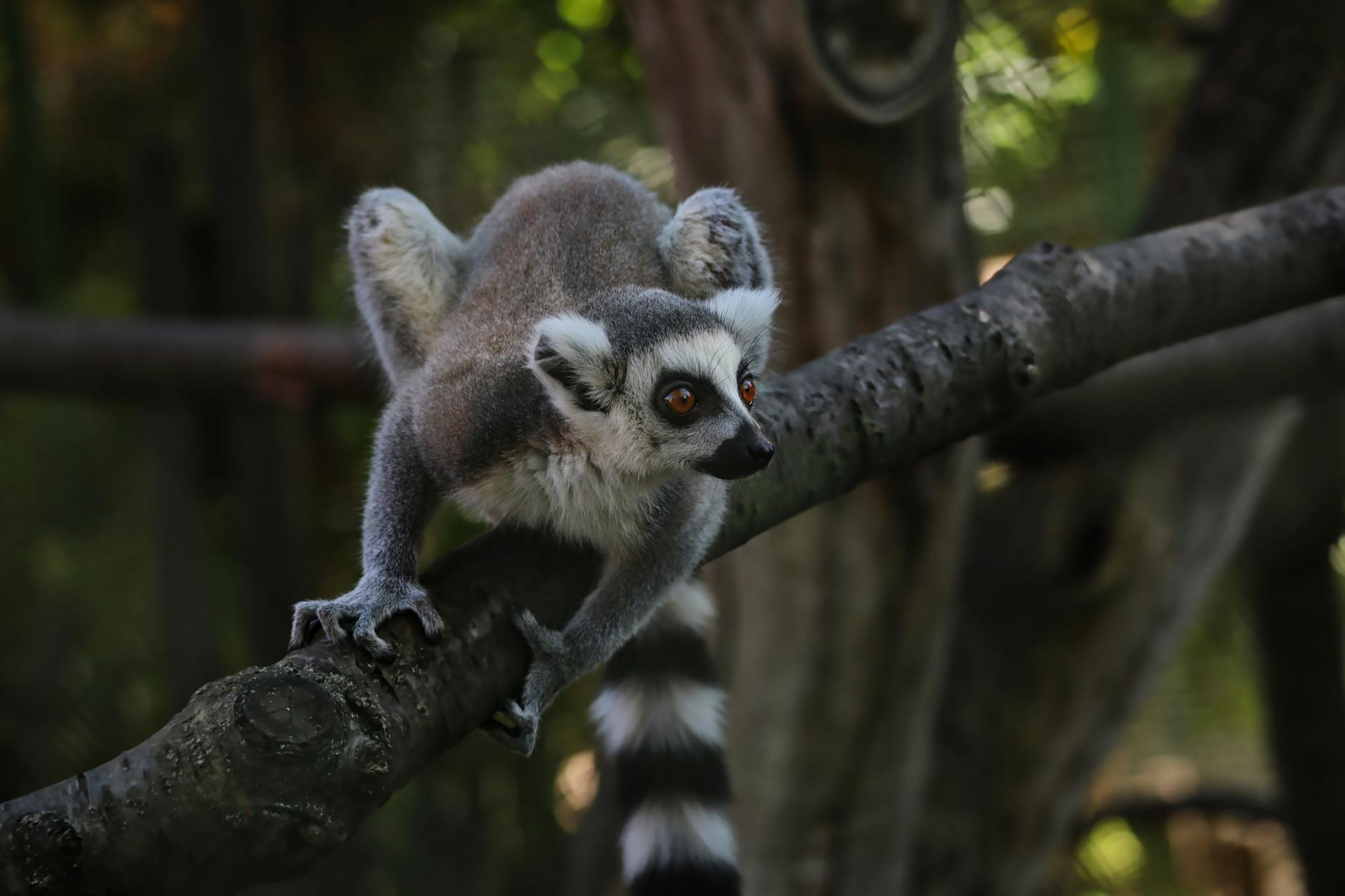
Among the most popular Jungle Island Miami attractions. Ring-tailed lemurs in a free-roaming exhibit; hand-feeding sessions are available with general admission (limited times). Premium “Lemur Encounter” upgrade lets small groups enter the lemur exhibit for 15 minutes of close interaction.
Sloths
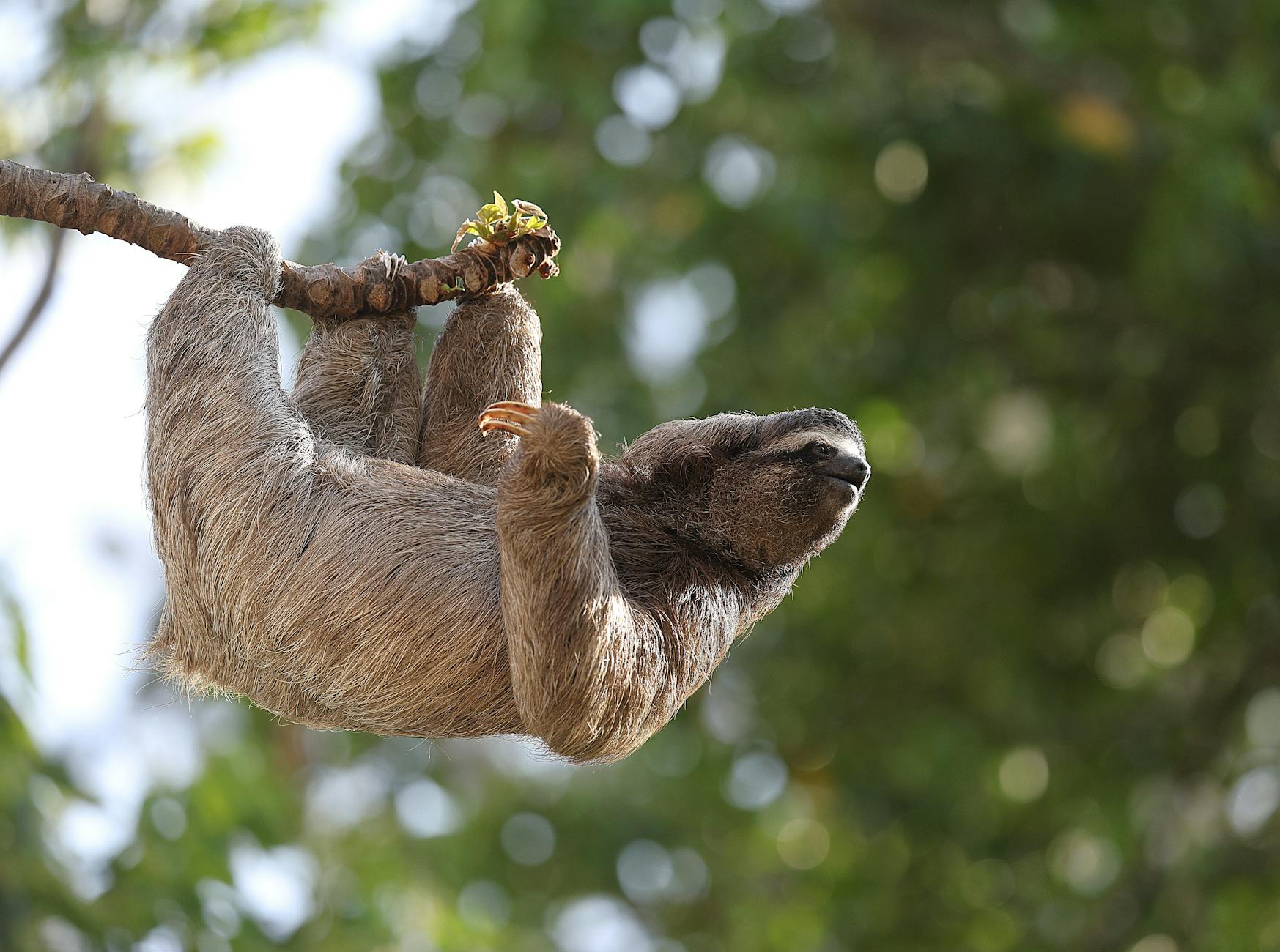
Two-toed sloths — visible most of the day hanging from branches in the rainforest exhibit. Premium “Sloth Encounter” lets you hold a sloth for 15 minutes (additional fee, advance booking required, popular with photo-takers).
Capybaras

The world’s largest rodents, capybaras have become unexpected stars at Jungle Island Miami. Premium “Capybara Encounter” experiences allow visitors to enter the capybara enclosure for hands-on interaction.
Wallabies
The Australian-themed kangaroo-cousin exhibit. Free-roaming wallabies in an open enclosure that visitors walk through.
Tropical Birds

Honoring its Parrot Jungle heritage, Jungle Island Miami still maintains an extensive bird collection — toucans, macaws, parrots, cockatoos, and tropical waterfowl. Several free-flight aviaries you walk through. Bird shows run multiple times daily.
Other Animals
Cassowaries, giant tortoises, alligators, and a small reptile collection. The Everglades exhibit showcases native Florida species.
Jungle Island Miami: Adventure Activities
Treetop Trekking Ropes Course
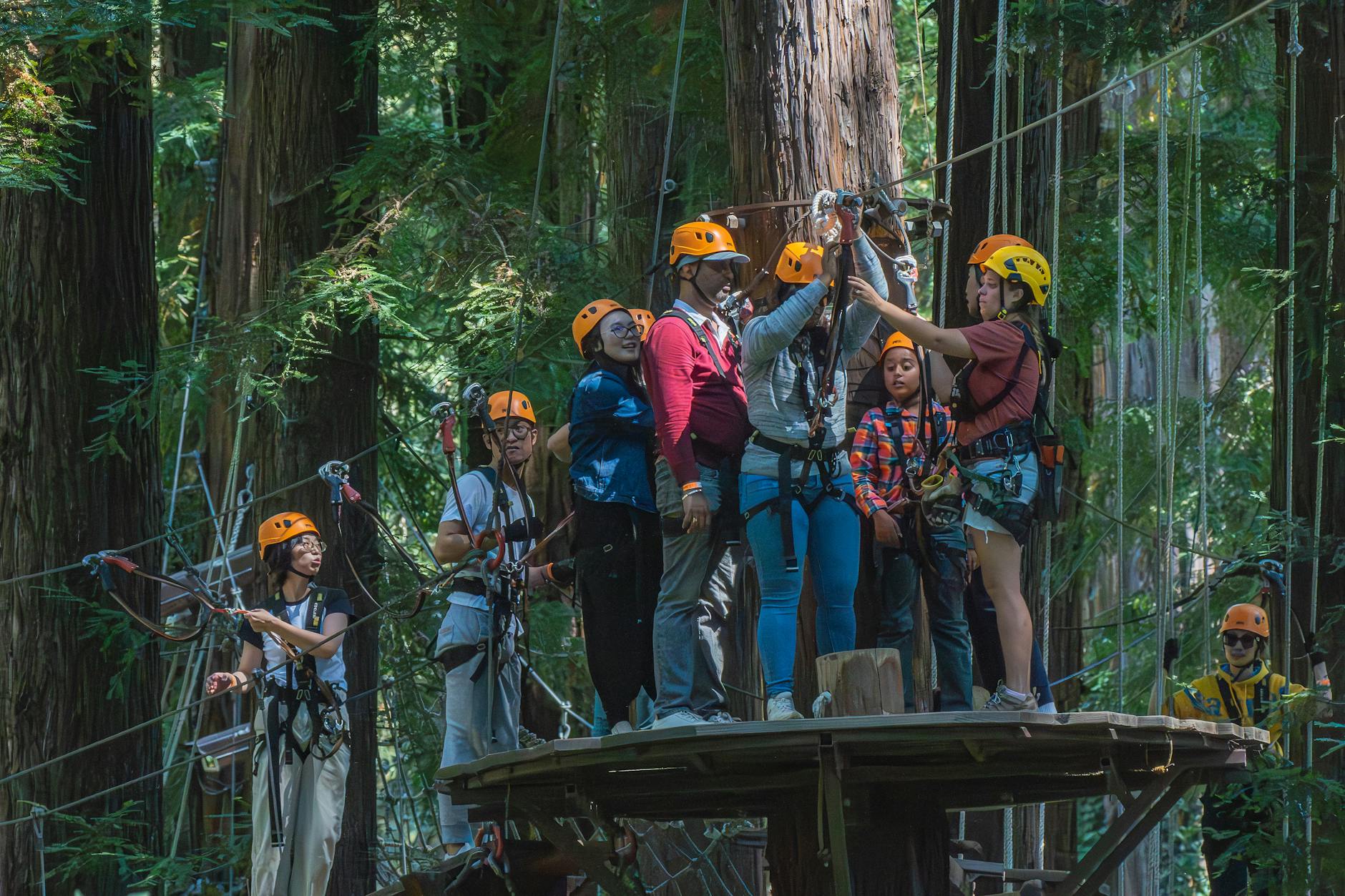
The signature adventure offering. Multiple difficulty levels of ropes courses through the tropical canopy, including ziplines, suspended bridges, swings, and balance challenges. Suitable for ages 8+ on full courses; younger ages have a dedicated kids’ adventure park.
Treewalk Village

An elevated walkway system through the tropical canopy. Free with general admission. Provides bird’s-eye views of animal exhibits and tropical landscaping.
Educational Animal Shows
Multiple shows daily covering bird flight, reptile education, and conservation themes. Showtimes posted at the entrance.
Playgrounds
Multiple play areas for younger kids — climbing structures, slides, splash pad in summer.
Jungle Island Miami: Tickets & Pricing
Adult General Admission: Approximately $45 (verify current pricing)
Child (3–10): One free child per paid adult — among the best Jungle Island Miami deals.
Active Military: 50% discount
Senior Citizens: 15% discount
Premium Encounters: Sloth Encounter, Lemur Encounter, Capybara Encounter — typically $60–$120 additional per encounter for 15-minute hands-on sessions. Advance booking required.
Treetop Trekking: Additional fee, around $50–$80 depending on course difficulty
Parking: $20 flat-rate covered garage
Online discounts: Save 10–20% by booking online in advance vs. at-gate.
Jungle Island Miami: Practical Information
Address: 1111 Parrot Jungle Trail, Miami, FL 33132 (Watson Island)
Hours: Daily, 10 AM–5 PM (verify before visiting; some seasonal variation)
Closest neighborhoods: 5 minutes from Downtown Miami, 10 minutes from South Beach
Stroller access: Most paths accessible
Wheelchair accessibility: Most paths accessible; some elevated areas may not be
Food: Café and snack bars on-site. Bayside Marketplace 5 minutes away for more variety.
Bag policy: Generally permissive; security check at entry
Jungle Island Miami: When to Visit
Best season: November–April. Cooler temperatures make outdoor exploration comfortable.
Avoid: July–August afternoons. The 92°F+ temps + humidity make the open-air park exhausting. Morning visits (10 AM open–1 PM) work better in summer.
Best day: Weekdays. Saturdays in peak season can have longer wait times for premium encounters.
Best time of day: 10 AM–1 PM. Animals are more active in cooler morning hours.
Plan: 3–4 hours general admission. Add 1–2 hours per premium encounter or ropes course.
Jungle Island Miami: Tips for Visitors
1. Book premium encounters in advance. Sloth Encounters, Lemur Encounters, and Capybara Encounters book out — sometimes weeks ahead. Reserve at booking.
2. Take advantage of the free child admission. One free child per paid adult is among the best family-attraction values in Miami.
3. Combine with the Miami Children’s Museum. Adjacent on Watson Island. A morning at Jungle Island Miami + afternoon at the Children’s Museum = excellent kid-focused day.
4. Consider the Treetop Trekking ropes course. If your kids are 8+ and adventurous, the ropes course is a unique experience that few Miami attractions offer.
5. Bring sunscreen and water. Most exhibits are outdoor with limited shade.
6. Be realistic about expectations. Jungle Island Miami is smaller than Zoo Miami; some reviews note the limited animal count for the price. Best for families wanting interactive experiences over large-collection viewing.
Jungle Island Miami: Recent Updates & Promotions
The park periodically runs season passes and unlimited-admission promotions. A 2026 promotional offer has included unlimited general admission entry through end of year for purchases made by specific cutoff dates. Check the official site before visiting to capture current promotions.
Jungle Island Miami vs. Zoo Miami
Jungle Island Miami emphasizes interaction, ropes-course adventure, and a smaller, more intimate park experience. Best for ages 4–12, families wanting hands-on encounters, and adventure-seekers wanting the ziplines.
Zoo Miami is dramatically larger (750 acres vs. 18 acres) with vastly more animals (2,000+ vs. ~150). Best for families wanting a comprehensive zoo experience and larger species (elephants, rhinos, lions). See our Zoo Miami guide.
For a Miami trip with multiple animal-focused days, both work well together — Zoo Miami for breadth, Jungle Island for interaction.
Plan Your Family Miami Trip
For more, browse our complete Miami Family Vacation Guide, plus deep dives on things to do in Miami with kids, Zoo Miami, family beaches in Miami, family hotels, and the Miami Children’s Museum.
For up-to-date hours, ticket prices, and special encounters, visit jungleisland.com.