Crandon Park Beach Guide: Key Biscayne’s Family Favorite
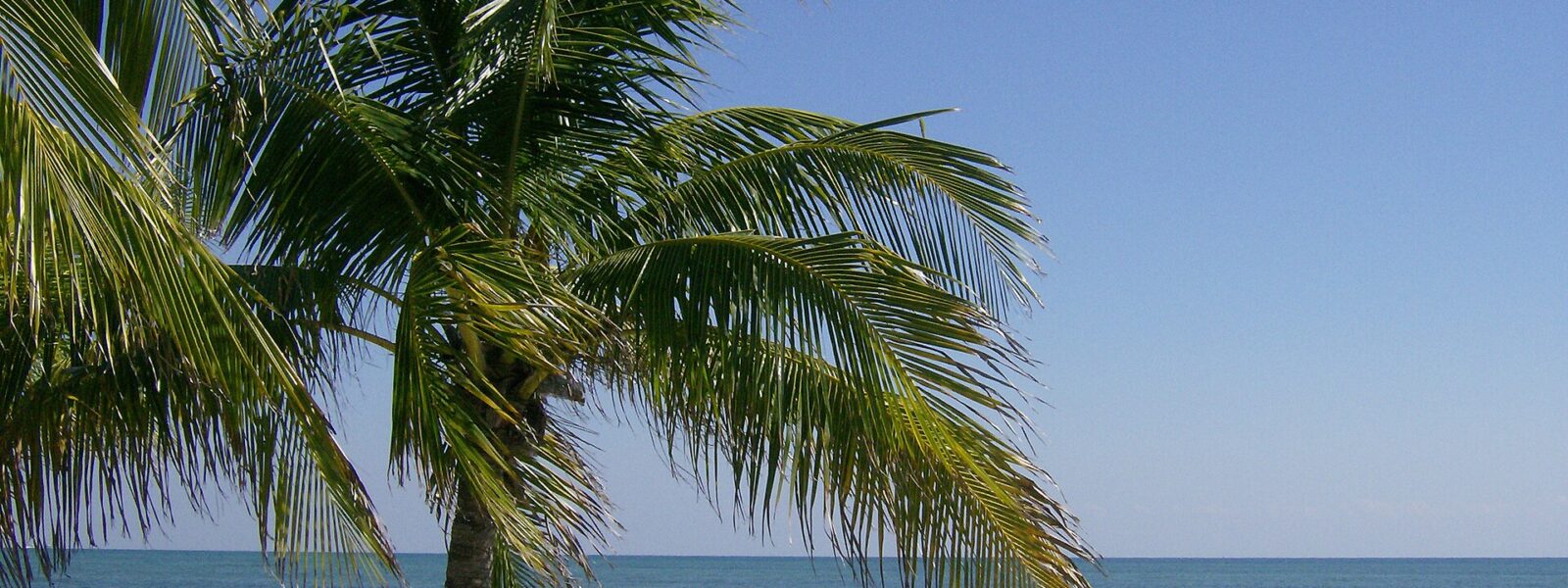
On a calm morning at Crandon you can wade out from the sand for what feels like a city block and the water is still somewhere around your knees. A long sandbar sits offshore and takes the energy out of the Atlantic before it arrives, so the sea inside it behaves more like a warm lagoon than an ocean. That one geographical accident is why Crandon Park on Key Biscayne is where Miami’s families have been taking their children for generations, and why it is still the first beach many locals name when you ask them where they actually go.
This guide covers the whole park, which is far bigger than the beach: the two miles of sand, parking and what it costs, getting across the Rickenbacker Causeway, the carousel and amusement area, the picnic groves, the nature center and the fossil reef at Bear Cut, kayaks and kites, golf and tennis, and the honest drawbacks, of which seaweed is the main one. Fees were checked in September 2026 and the county adjusts them with its budget year, so treat them as the right order of magnitude. For the island as a whole, including Bill Baggs Cape Florida and the lighthouse, see our Key Biscayne guide.
Crandon Park at a Glance
| What | Detail (checked September 2026) |
|---|---|
| Where | Crandon Park Beach, 4000 Crandon Boulevard, Key Biscayne |
| Entry | Free. You pay to park, not to swim |
| Parking | $7 per car on weekdays, $10 at weekends and on holidays |
| Hours | Sunrise to sunset |
| The beach | About two miles of sand on the Atlantic side, lifeguarded, with a sandbar offshore |
| Parking capacity | More than 3,000 spaces in two big beach lots |
| Shade | Palm groves along the back of the beach, picnic shelters, rentable cabanas |
| Families | Picnic tables and grills, an amusement area with a restored carousel, a nature center |
| Watersports | Kayak and paddleboard rental at the south-end concession; kiteboarding on windy winter days |
| Golf | Crandon Golf, about $95 in the afternoon to about $179 at peak times, cart included |
| Dogs | Not allowed on the beach |
| Getting there | Over the Rickenbacker Causeway from Brickell, which is a toll road |
How Crandon Park Is Laid Out
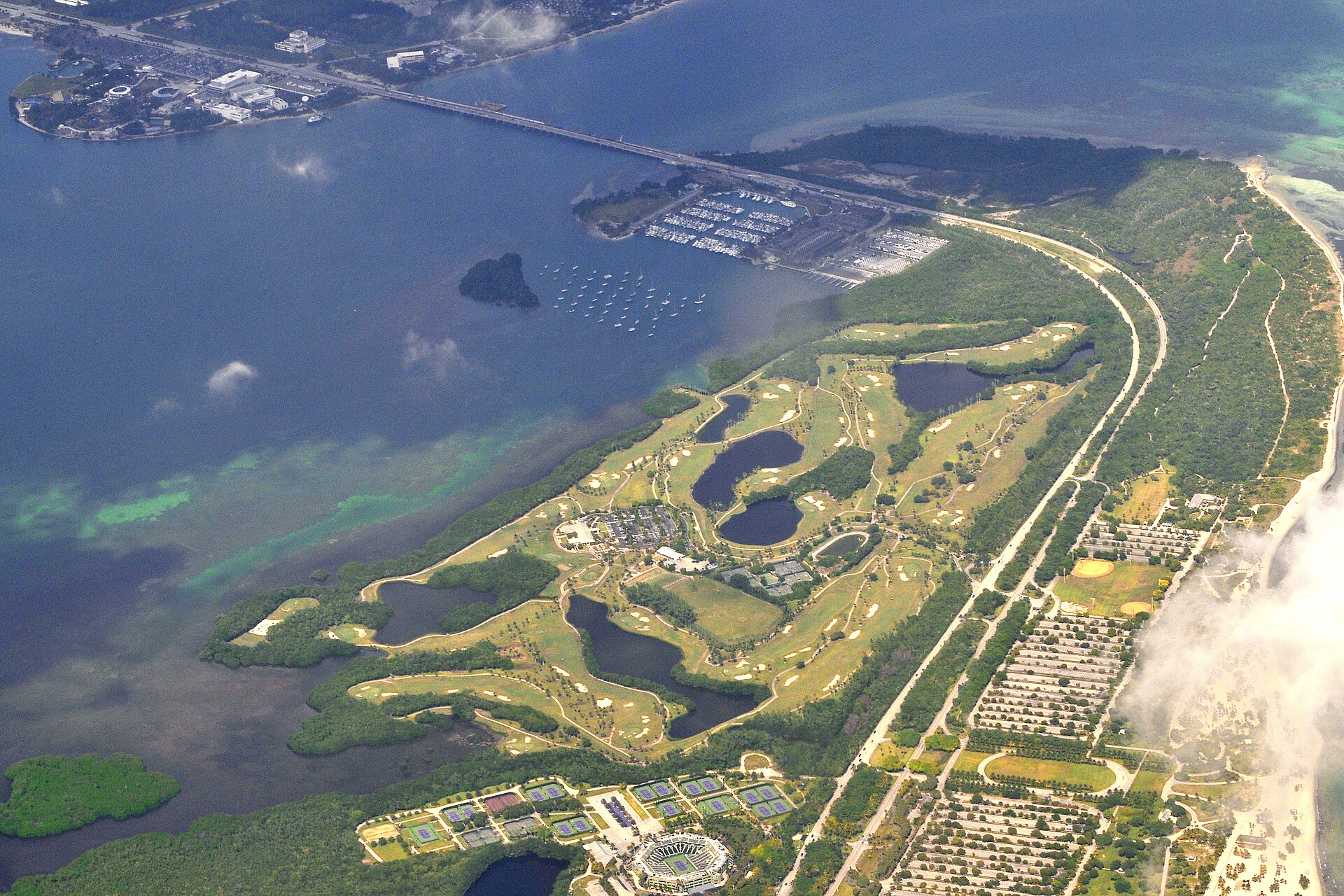
Crandon is not a beach with a park attached; it is a park of more than 800 acres covering most of the northern half of Key Biscayne, with a beach along one side. Crandon Boulevard, the island’s main road, runs down the middle. Once you know which side of the road you need, the whole place makes sense.
- The ocean side. The beach itself, two miles long, backed by palm groves, picnic areas and the two big parking lots. There are two main entrances to the beach area, the north and the south, and the parking, concessions and facilities are split between them.
- The north end. The Marjory Stoneman Douglas Biscayne Nature Center and the Bear Cut Preserve, where the island faces the channel toward Virginia Key. This is the wild end of the park, with mangroves, seagrass and the fossil reef.
- The south entrance. The family amusement area with the carousel, and the concession that rents kayaks and paddleboards. Kiteboarders gather toward this end on windy days.
- The bay side. Crandon Marina, the Crandon Golf course and the tennis center, all on the western side of the boulevard facing Biscayne Bay.
The most common mistake is to turn into the first entrance you see. Decide first what kind of day you want: the north end for nature and quieter sand, the south end for the carousel, rentals and a livelier family crowd. The lots are big enough that the walk from the far corner of the wrong one can be a long one with a cooler and two small children.
Getting to Crandon Park
By car
Key Biscayne has one road in and out, the Rickenbacker Causeway from Brickell, and it is one of the great drives in Miami: open water on both sides, the skyline behind you, pelicans over the bay and cyclists in the bike lanes. It is also a toll road. The toll is collected electronically, so if you are in a rental car, check how your rental company bills tolls before you go. Once on the island, Crandon’s entrances are on the left along Crandon Boulevard, a few minutes past Virginia Key.
| From | Typical drive outside rush hour |
|---|---|
| Brickell | 15–20 minutes |
| Downtown Miami | 20–25 minutes |
| Miami International Airport | About 25 minutes |
| Coral Gables | 25–30 minutes |
| South Beach | 30–40 minutes, via the MacArthur Causeway, downtown and Brickell |
The time that matters most is when you leave. On a weekend, the causeway starts to back up from late morning, and on a sunny Sunday after 11am you can sit in a queue of beach traffic that turns a 15-minute drive into an hour. Go early, go midweek, or accept the queue as the price of the day.
Parking
Parking is $7 per car on weekdays and $10 at weekends and on holidays, paid as you enter. The beach lots hold more than 3,000 cars between them, so on an ordinary weekday you will have more space than you know what to do with. Weekends are different: from spring to the end of summer, arrive before about 10am if you want a spot near the sand and the shade, and before 11am if you want one at all on a holiday weekend. The lots close at sunset, along with the rest of the park.
By bus or bike
Key Biscayne is served by Metrobus route 102, which runs from the Brickell Metrorail station over the causeway and along Crandon Boulevard. It works, but it is not frequent, so check the GO Miami-Dade Transit app for times in both directions before you rely on it. With a family and beach gear, a rideshare from Brickell or downtown is usually the better choice. Our Miami transportation guide covers routes and fares.
Cyclists have it best. The Rickenbacker is Miami’s favorite long ride, with wide bike lanes all the way to the island, and arriving at Crandon on two wheels saves the parking fee and the queue. It is exposed, though, with no shade and plenty of wind, so start early in summer.
The Beach
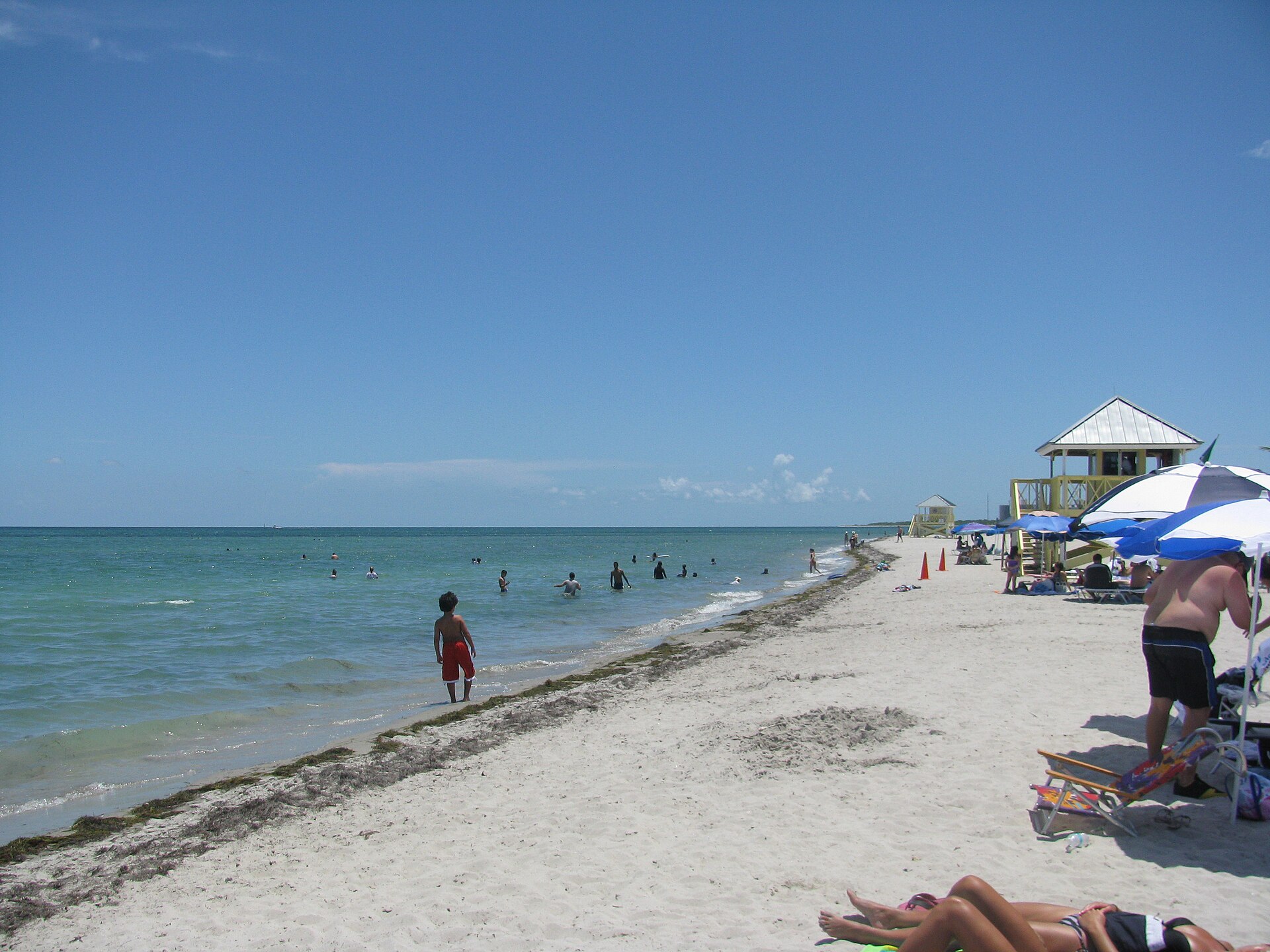
The beach runs about two miles along the Atlantic side of the park, with fine pale sand, a backdrop of palms and lifeguard stands spaced along its length. The sandbar offshore is the key to its character. On most days, it breaks up any swell before it reaches the beach, leaving shallow, gentle water inside that warms up quickly in the sun. Small children can splash at the edge, nervous swimmers can wade out without suddenly losing their footing, and adults can float for an hour without being knocked over.
That same shallow water has a side that the glossy photographs leave out. It is not the clear blue of the Bahamas. The bottom is often patchy with seagrass, a healthy sign of a living bay but not what some visitors expect underfoot, and the water can be a little cloudy after wind or rain. In the warmer months, Crandon is also the Miami beach where you are most likely to meet sargassum, the brown seaweed that drifts ashore in mats along the tide line. It is harmless, but it smells as it dries, and the county park beaches are raked less aggressively than the Miami Beach strip. If perfect white sand and gin-clear water are the whole point of your day, go in winter, or go to Bill Baggs at the southern tip of the island, where the water is usually clearer.
Lifeguards and conditions
The beach is lifeguarded, and the flags work the same way as everywhere else in Miami-Dade: green for calm, yellow for moderate conditions, red for high hazard, double red for water closed and purple for dangerous marine life. Rip currents are much less of a worry here than on the ocean beaches of Miami Beach, but they are not impossible, especially when a strong wind is blowing onshore. Swim near a stand, keep an eye on small children even in shallow water, and remember that the sandbar can be deeper on its far side.
Shade, Picnics and Cabanas
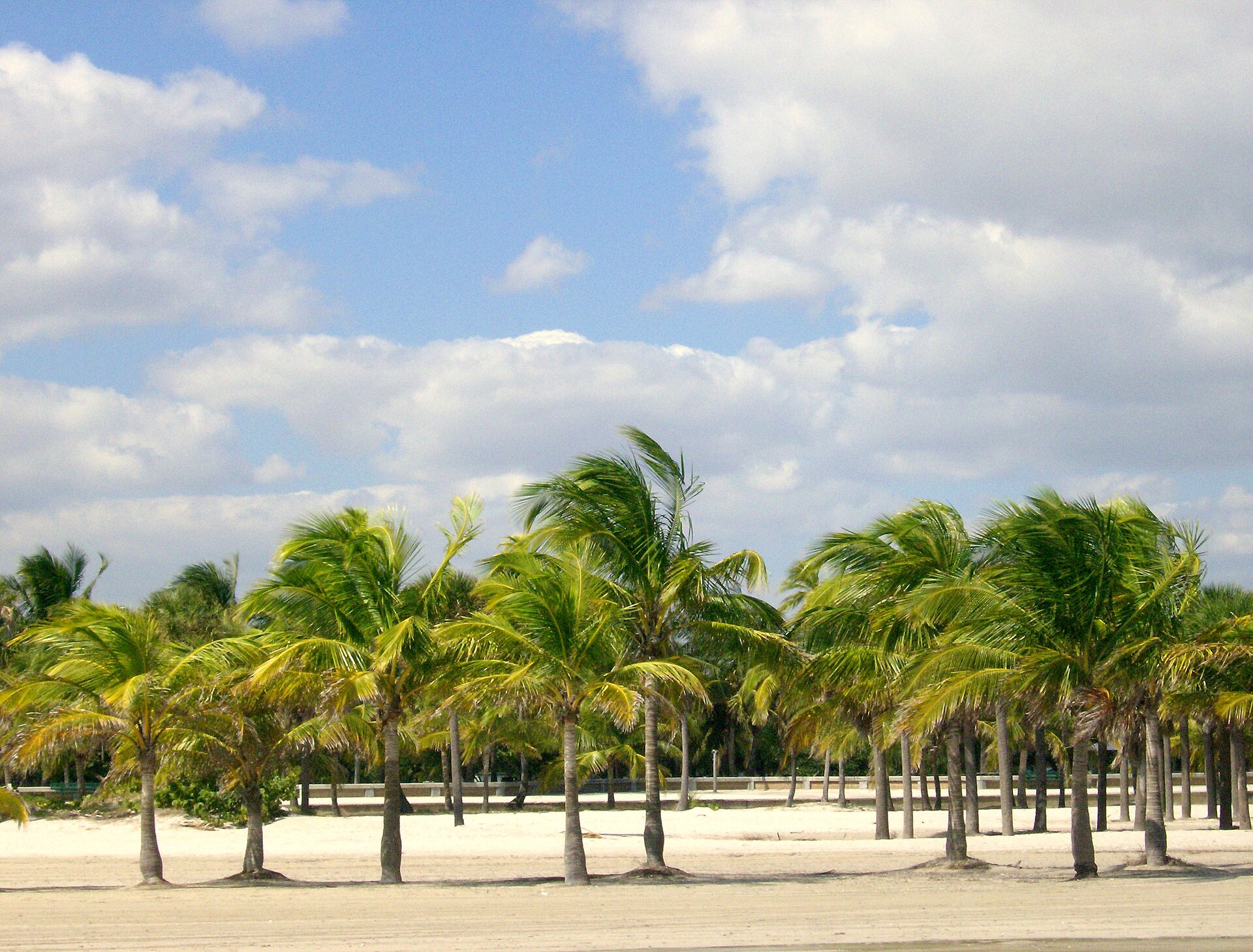
Crandon is one of the very few Miami beaches with real shade, and it is one of the main reasons families choose it. Rows of coconut palms line the back of the beach, and behind them are hundreds of picnic tables, many under trees, with grills nearby. Arrive early on a weekend and you can claim a shaded table within a few steps of the sand, which is worth more than any umbrella rental.
For larger groups, the picnic pavilions can be reserved through the county, which is how Miami families run birthday parties and reunions, so on summer weekends some of the best shelters will already be taken. Cabanas can also be rented along the beach. Both are worth booking ahead if you are planning a big day, and holiday weekends are the hardest dates to get.
A good Crandon picnic needs a cooler, ice, charcoal if you plan to grill, and something to keep the sand off the food. Glass is banned on every Miami-Dade beach, so pack cans and plastic. Alcohol rules are the county’s rather than Miami Beach’s, and they are posted at the park entrances, so read them before you pack any beer.
Crandon With Children
There is a reason our family beaches guide puts Crandon at the top. Beyond the calm water and the shade, the park has more to keep children busy than any other beach in Miami.
The carousel and amusement area
Near the south entrance, the family amusement area has a restored 1949 carousel, a splash fountain and an outdoor roller rink with skate rental, along with a concession selling the essentials: hot dogs, pizza and ice cream. It has traditionally opened on weekends and holidays rather than every day, so check the county’s Crandon page before you promise it to anyone. Small children who have already spent three hours in the water will happily spend another one going round and round.
The nature center
At the north end of the park, the Marjory Stoneman Douglas Biscayne Nature Center has hands-on exhibits about Biscayne Bay’s mangroves, seagrass and sea life, an art gallery, nature trails and a program of guided activities. Its seagrass and shoreline walks, when they run, are one of the best ways for children to see what actually lives in that shallow water: crabs, sea stars, small fish and the occasional seahorse. It is a good place to spend the hottest hour of the afternoon or the moment a summer storm rolls in.
Practical tips
- Water shoes help in the shallows, where shells and seagrass gather along the bottom.
- Bring shade even if you plan to use the palms. On a busy day, the best spots go early.
- Low tide is best for exploring, high tide for swimming.
- Insect repellent is worth packing for the late afternoon, when the mangroves at the north end send out no-see-ums.
For younger children, our Miami with toddlers guide has more ideas, and things to do in Miami with kids covers the rest of the city.
Bear Cut Preserve and the Fossil Reef
The northern tip of Crandon, facing Bear Cut, the channel between Key Biscayne and Virginia Key, is a protected natural area. The Bear Cut Preserve is a designated environmental study area of mangroves, coastal hammock, seagrass and beach, and it holds one of the oddest sights in Miami: a fossilized reef along the shore, the remains of an ancient mangrove forest turned to rock. At low tide you can see the dark, root-shaped formations at the water’s edge.
Treat it as a place to look rather than climb. The rock is sharp and slippery, the preserve is fragile, and the county runs guided walks through the area, which is the best way to understand what you are looking at. The nature center is the starting point for most of those programs.
Kayaks, Paddleboards and Kites
The concession at the south end of the beach rents kayaks and stand-up paddleboards, and the shallow, sheltered water inside the sandbar makes Crandon one of the easiest places in Miami to try either for the first time. Go in the morning, before the afternoon sea breeze picks up, and paddle parallel to the beach rather than straight out.
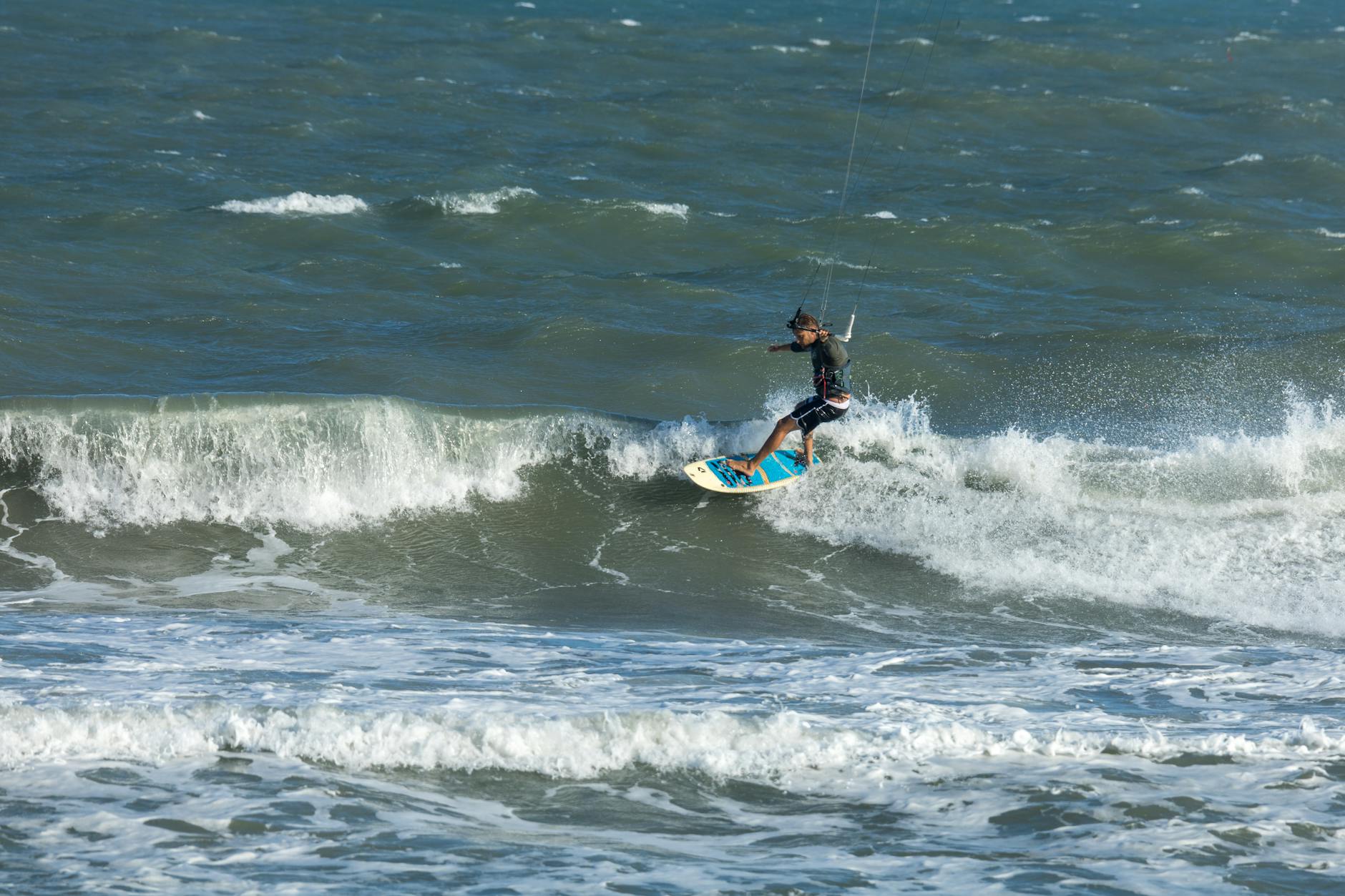
Kiteboarding is the other Crandon sport. When the winter trade winds settle in from the east, typically between November and March, the shallow water and steady breeze bring out the kites, and on a good day the south end of the park is full of them. Lessons are available from local schools, and it is worth booking one rather than trying to teach yourself. Hobie Island, on the causeway, is the other local hub for kiteboarders and windsurfers. Our Miami water sports guide covers operators and prices.
Snorkeling at Crandon is limited to the seagrass in the shallows, which can be surprisingly interesting with a mask but is not reef snorkeling. For coral and clear water, look at our snorkeling near Miami guide instead.
Golf, Tennis and the Marina
Crandon Golf
Across the boulevard from the beach, Crandon Golf at Key Biscayne is widely regarded as the best public course in Miami. It is a county course designed by Robert von Hagge and Bruce Devlin and opened in the early 1970s, with holes laid out along Biscayne Bay, lakes and mangroves, and the downtown skyline on the horizon. Green fees in 2026 ran from about $179 at peak times down to about $95 in the afternoon, cart included. Our Miami golf courses guide compares it with the Biltmore and the Blue Monster.
The tennis center
From 1987 to 2018, the Tennis Center at Crandon Park was home to the Miami Open, one of the biggest tournaments in tennis, before it moved to Hard Rock Stadium in 2019. The center remains a public facility with courts that visitors can book. Our Miami Open guide covers the tournament in its new home.
Crandon Marina
On the bay side, Crandon Marina is a departure point for fishing charters, snorkel trips and private boats. It is a working marina rather than a destination, but it is pleasant to walk around in the late afternoon, and it puts you in Biscayne Bay within minutes. Our fishing charters guide explains what to book and what it costs.
Food and Drink
The park’s concessions cover the basics, and the amusement area concession is open when the carousel is. Most families bring a cooler and use the grills, which is the most Crandon way to eat. For a sit-down meal, Key Biscayne’s village center is a few minutes south along Crandon Boulevard, with cafés, bakeries and Latin American restaurants catering to the island’s residents. At the southern tip of the island, Bill Baggs Cape Florida State Park has the Lighthouse Café on the sand, a good combination with a morning at Crandon.
When to Go
| Months | Weather and water | What to expect |
|---|---|---|
| December to March | Highs from about 76°F to 80°F, little rain, water in the low 70s | Clearest water and least seaweed. Windy days bring the kiteboarders, and some days are too breezy for small children. |
| April and May | Hot and mostly dry | Warm water and long days. Sargassum starts to arrive and weekend crowds build. |
| June to September | Hot, humid, with afternoon storms; warmest water of the year | Go early. Expect seaweed on some days and thunderstorms after lunch. Hurricane season runs from June to November. |
| October and November | October highs around 85°F and still wet; November around 80°F and drier | A quieter, warm-water window once the rain eases, and the seaweed thins out. |
Weekday mornings are the sweet spot all year: calm water, empty lots, the best shade and the softest sun. Weekend afternoons in summer are when the park is busiest and the causeway slowest. Sunday is the big family day, so if you want Crandon to yourself, avoid it. For more on the weather, see our Miami weather by month guide.
Rules Worth Knowing
- Dogs are not allowed on the beach. The nearest beaches where dogs are welcome are Hobie Island on the causeway and the dog beach at Haulover.
- No glass anywhere on the beach.
- Grill only where grills are provided, and leave the coals in the bins, not in the sand.
- Alcohol rules are posted at the entrances. Crandon is a county park, not part of Miami Beach, so check the current rules there.
- Sea turtles nest along the beach from May to October. Leave marked nests alone.
- The park closes at sunset, and that includes the lots.
A Short History of Crandon Park
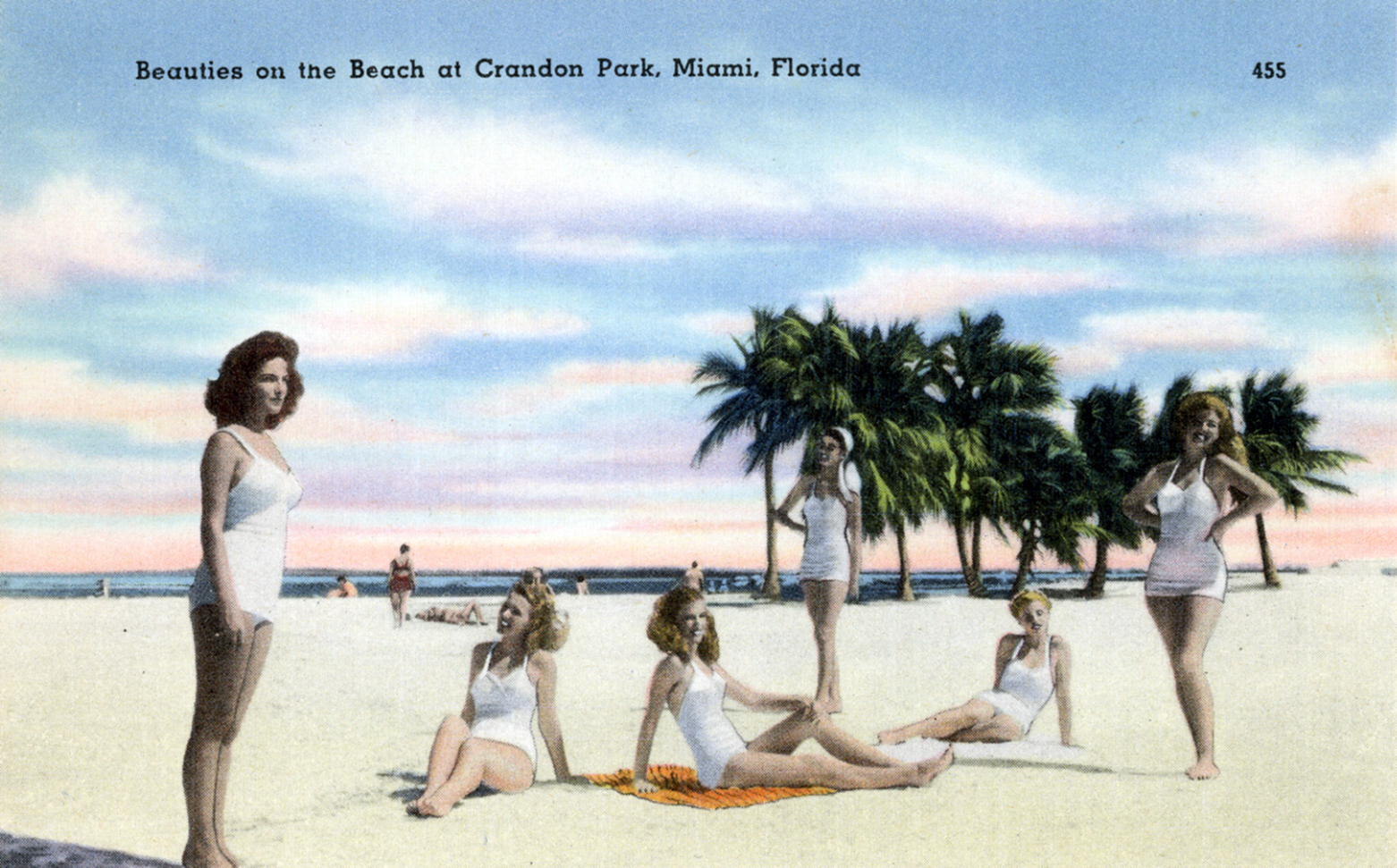
In 1940, the Matheson family, who owned much of Key Biscayne and had run a coconut plantation there, donated 808.8 acres to Dade County for a public park. The county commissioner who negotiated the gift, Charles H. Crandon, promised in return to build a causeway to the island, and the park took his name. World War II delayed the work, and the Rickenbacker Causeway finally opened in 1947, putting the beach within reach of the whole city.
For decades, the park was also home to the county zoo. The Crandon Park Zoo started with animals from a defunct traveling circus and creatures from the Matheson plantation, and grew to cover 48 acres before it moved off the island in 1981 to become Miami MetroZoo, now Zoo Miami. The park’s other famous tenant came in 1987, when the tennis tournament now known as the Miami Open moved to the Crandon tennis center, where it stayed until 2018.
Through all of that, the beach stayed the same: two miles of sand, palms and gentle water, a long drive from the tourist hotels and a short one from Miami’s neighborhoods. Today’s visitors to Zoo Miami may not know that it began beside the beach on Key Biscayne.
Crandon Compared With the Other Key Biscayne Beaches
| Beach | Cost | Water | Best for |
|---|---|---|---|
| Crandon Park | $7 weekdays, $10 weekends per car | Shallow and calm behind a sandbar; seagrass and seasonal seaweed | Families, picnics, shade, the carousel |
| Bill Baggs Cape Florida | $8 per vehicle at the state park rate | Usually clearer, still calm | The lighthouse, nature trails, a quieter day |
| Virginia Key Beach Park | A small per-vehicle fee | Calm bay-side water | History, quiet picnics, mountain biking nearby |
| Hobie Island | Free roadside parking | Shallow and calm, bay side | Dogs, windsurfing, a casual swim off the causeway |
Crandon and Bill Baggs make a natural pair: the morning at Crandon for the water and the shade, then a drive to the southern tip for the lighthouse and a late lunch. Our Miami beaches guide compares them with every other beach in the county, and our best beaches in Miami ranking explains where Crandon sits in the bigger picture.
The Honest Verdict
Crandon is the best family beach in Miami, and the contest is not especially close. The combination of calm, shallow water, real shade, picnic tables and grills, a flat parking fee and enough space for everyone is hard to beat, and the carousel and nature center turn a beach day into a full day.
Go if you have children, want a big group picnic, want to try a kayak or paddleboard in easy conditions, or simply want a relaxed local beach day away from the Miami Beach crowds.
Think twice if you want crystal-clear water and spotless sand in the middle of summer, when seaweed and seagrass are part of the deal; if you have no car and limited time, because the bus is slow; or if you want beach bars, restaurants on the sand and a scene, which you will find on South Beach instead. And avoid driving over on a sunny Sunday afternoon unless you enjoy sitting on causeways.
Frequently Asked Questions
How much does it cost to get into Crandon Park?
Entry is free, but parking costs $7 per car on weekdays and $10 at weekends and on holidays (checked September 2026). There is also a toll on the Rickenbacker Causeway on the way to Key Biscayne.
Is Crandon Park good for swimming?
Yes. A sandbar offshore keeps the water shallow and calm, which makes it one of the safest swimming beaches in Miami, especially for children. The water is not as clear as the Caribbean, and seagrass and seaweed are common, particularly in summer.
What are Crandon Park’s hours?
The park is open from sunrise to sunset, and the parking lots close at sunset too.
Is there shade at Crandon Park?
More than at most Miami beaches. Palm groves line the back of the beach, and there are shaded picnic tables, pavilions and rentable cabanas. Arrive early on weekends to get a good spot.
Is the Crandon Park carousel open every day?
The family amusement area, with the carousel, splash fountain and roller rink, has traditionally opened on weekends and holidays. Check the county’s page before you go.
Can you bring dogs to Crandon Park?
Not onto the beach. Hobie Island on the Rickenbacker Causeway and the dog beach at Haulover are the places to take a dog to the water.
How do you get to Crandon Park without a car?
Metrobus route 102 runs from the Brickell Metrorail station to Key Biscayne, but it is not frequent. A rideshare from Brickell takes about 15 to 20 minutes outside rush hour, and cyclists can ride the Rickenbacker’s bike lanes.
Is Crandon or Bill Baggs better?
Crandon is better for families, picnics and shade, Bill Baggs for clearer water, the lighthouse and a quieter, more natural setting. They are a few minutes apart, so many people do both in one day.
If you have time for a second park, drive five minutes south to the tip of the island. Bill Baggs has clearer water, a wilder beach, the 1825 lighthouse you can climb from Thursday to Monday, and No Name Harbor for a late lunch. Our Bill Baggs Cape Florida guide has the fees, the tour details and a plan for the day.
Related Miami Guides
- Miami Beaches: The Complete Guide — every beach in the county, and how to choose.
- Key Biscayne Guide — the island, the lighthouse and where to eat.
- Family-Friendly Beaches in Miami — the calmest water for children.
- Best Beaches in Miami — our ranking of the whole coast.
- South Pointe Park — cruise ships, a pier and a quiet beach at the tip of Miami Beach.
- Haulover Beach — surf, dogs and space at the north end of the coast.
- Golf Courses in Miami — Crandon and the city’s other public rounds.
- Miami Open Guide — the tournament that grew up at Crandon.
- Water Sports in Miami — kayaks, paddleboards, kites and more.
- Zoo Miami — the zoo that started at Crandon.
Photo Credits
Crandon Park beach: Crandon Park beach, FL by Paulkondratuk3194, CC BY-SA 3.0, via Wikimedia Commons.
The palm groves at Crandon: Crandon Park Modified by Paulkondratuk3194, CC BY-SA 3.0, via Wikimedia Commons.
Vintage Crandon Park postcard: Miami – Beauties on the beach at Crandon Park by Tichnor Brothers, Inc., public domain, via Wikimedia Commons.
Crandon Park beach with lifeguard tower: Crandon Beach by Mathieu Plourde, CC BY 2.0, via Wikimedia Commons.
Crandon Park from the air: Florida, cayos 5 by LBM1948, CC BY-SA 4.0, via Wikimedia Commons.