Nu Stadium at Miami Freedom Park: Getting There, Seats and Parking
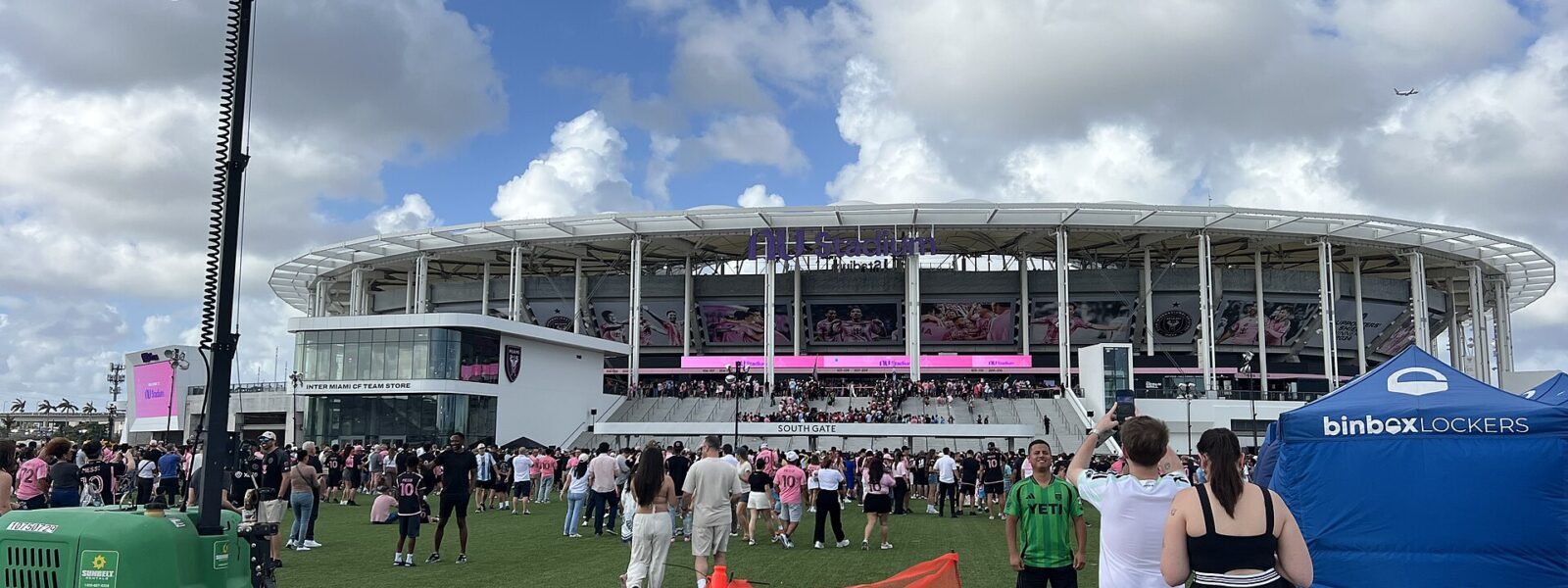
On a Saturday evening in 2026, the Orange Line train that pulls into the Miami International Airport station is full of pink. Pink shirts, pink bucket hats, a few children in pink with a 10 on the back, and a scattering of visiting fans trying not to look outnumbered. Nobody is flying anywhere. They are walking half a mile south to the Miami Freedom Park stadium, officially Nu Stadium, the home Inter Miami spent more than a decade trying to build and finally opened on 4 April 2026.
This guide covers the stadium itself: how to get there by train, car or rideshare, how parking works (you have to buy it before you come), the bag rules and security, where to sit, what to eat before and during a match, and where to stay. Buying tickets and choosing which match to see is a subject of its own; for the rest of the city’s teams and venues, see our Miami sports guide. Transit fares and stadium rules were checked in September 2026, and the stadium is new enough that procedures are still settling, so treat the detail as current rather than permanent.
Nu Stadium at a Glance
| Details | |
|---|---|
| Official name | Nu Stadium at Miami Freedom Park (naming rights held by the Brazilian fintech Nubank) |
| Address | 1900 NW 37th Avenue, Miami, immediately south of Miami International Airport |
| Opened | 4 April 2026, Inter Miami v Austin FC |
| Capacity | 26,700, in two levels forming one continuous bowl |
| Home team | Inter Miami CF (MLS) |
| Nearest rail | Metrorail Orange Line and Tri-Rail, Miami International Airport station, about a 10-minute walk |
| Metrorail fare | $2.25 a ride, or $5.65 for a 1-Day Pass |
| Parking | Pre-purchase only. No parking is sold on matchday |
| Bags | Clear bag up to 12″ x 6″ x 12″, or a one-gallon clear freezer bag, plus a small clutch. No bag check |
| Gates | Usually open 60 to 90 minutes before kickoff |
| Previous home | Chase Stadium, Fort Lauderdale (2020–2025) |
How a Golf Course Became a Soccer Stadium
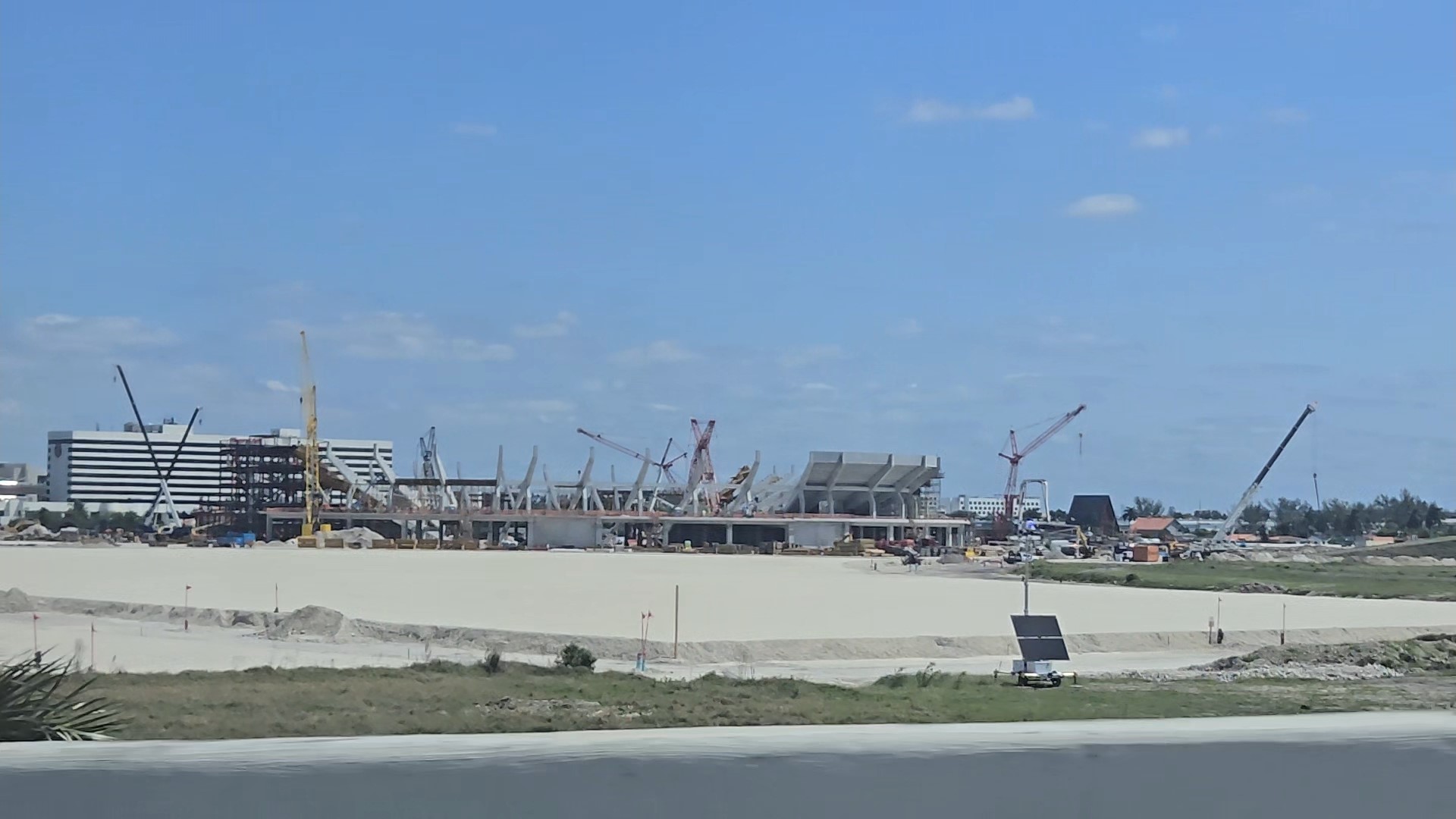
Inter Miami’s stadium saga began in 2014, when David Beckham took up the option he had negotiated in his playing contract to own an MLS expansion team. The team existed on paper long before it had anywhere to play. A waterfront site at PortMiami was rejected, a plot bought in Overtown was abandoned, and years went by. The club finally settled on the Melreese golf course, a city-owned course beside the airport that had been part of Miami’s public recreation for decades and was home to a youth golf program. In November 2018, City of Miami voters approved a referendum that let the city negotiate a lease with the club’s owners without competitive bidding, and the plan for Miami Freedom Park was born: a stadium, public green space, offices, shops and other commercial buildings on one large site.
While all that was worked out, Inter Miami played in Fort Lauderdale, in a purpose-built stadium on the site of the old Lockhart Stadium, opened in 2020 and known since 2024 as Chase Stadium. It was meant to be a temporary home and felt like one: small, hard to reach from Miami, and suddenly the most in-demand ground in American soccer after Lionel Messi signed in 2023. Construction at Freedom Park ran through 2024 and 2025, and the stadium opened on 4 April 2026, with Austin FC as the first visitors.
The result is a compact, modern soccer stadium in a slightly strange place. It is not in a neighborhood you would visit for any other reason, and airport traffic shares the approach roads. But it is ten minutes from Little Havana and fifteen to twenty minutes from downtown, it has the best rail access of any Miami stadium apart from Kaseya Center, and for the first time Inter Miami’s fans do not have to drive to Broward to watch their team.
Getting There by Metrorail
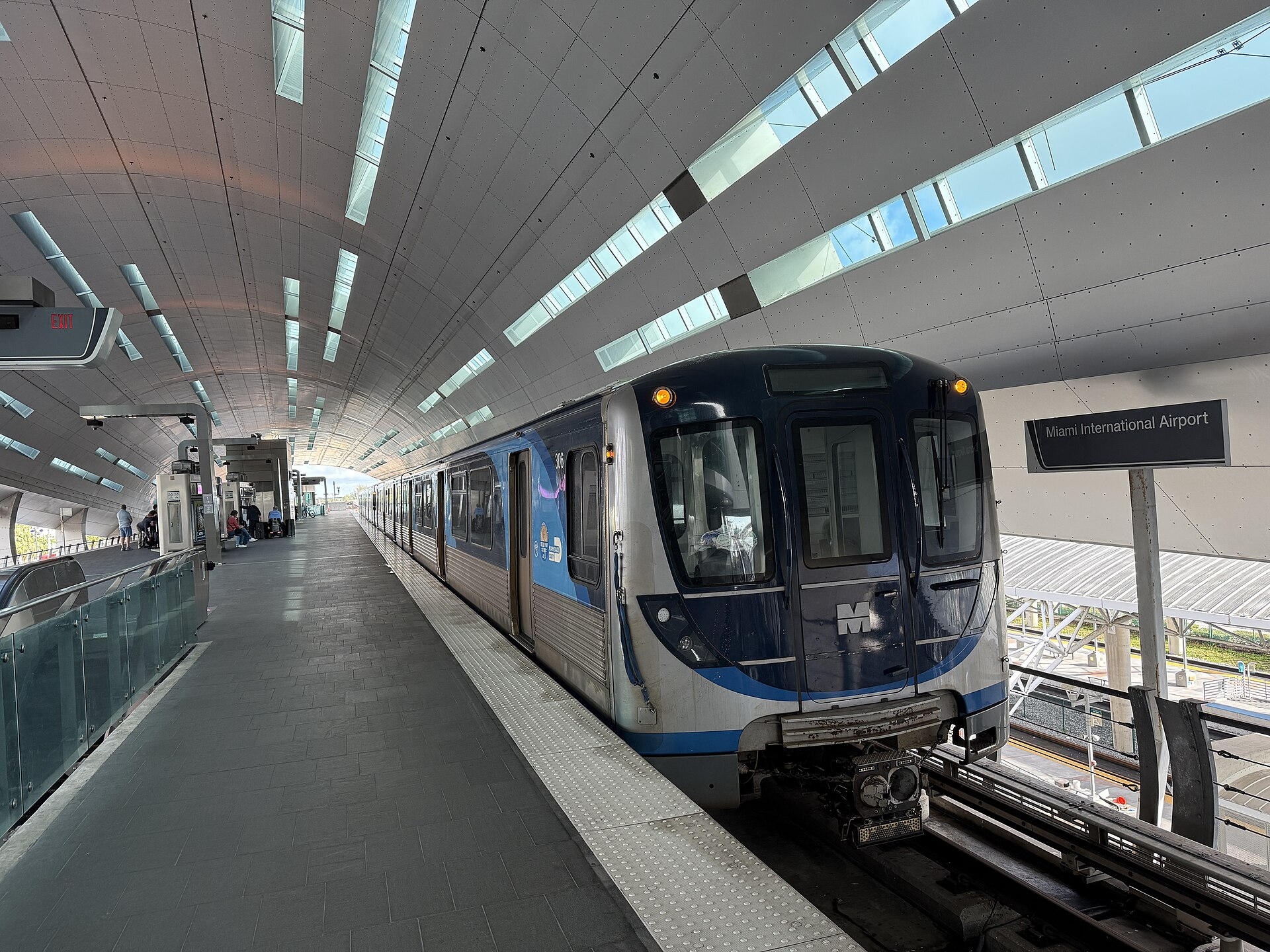
This is the best way to get to a match, and it is not a close call. The stadium is about half a mile from the Miami International Airport station at the Miami Intermodal Center, the transport hub on the east side of the airport where Metrorail, Tri-Rail and the rental car center meet.
The train
Take the Metrorail Orange Line, which runs between Dadeland South and the airport through Brickell and downtown. From a downtown or Brickell hotel, board at Government Center or Brickell and ride north toward Miami International Airport. The Green Line shares the same tracks through the city but splits off to Palmetto before the airport, so check the destination on the front of the train before you get on. On game days Miami-Dade Transit runs the Orange Line from 5 a.m. until midnight, roughly every 15 minutes, which comfortably covers an evening kickoff and the trip home.
A single ride costs $2.25, and a 1-Day Pass costs $5.65, which is the better buy for a round trip plus a ride to dinner. You can pay at the fare gates with a contactless bank card or phone, the GO Miami-Dade Transit app, or an EASY Card. Our Miami transportation guide explains how the system fits together.
The walk
From the station, the county’s walking directions take you to NW 21st Street, across to the south side at the traffic signal at NW 38th Court, and west along a marked walking path to the stadium. It takes about ten minutes, is flat, and on a matchday you will simply follow the crowd. In summer it is a hot ten minutes before sunset, so bring water to drink before you reach the security line.
Tri-Rail
Tri-Rail, the commuter train from Palm Beach and Broward, also terminates at the Miami International Airport station, which gives fans in Broward and Palm Beach a way to reach a home match without driving. Before the stadium opened, Tri-Rail promised special trains for weekend evening matches. Check its schedule for your date, because the normal weekend timetable may not run late enough to get you home after an evening match.
Accessible access
On game days the stadium runs an ADA shuttle from the Miami Trolley stop at the Intermodal Center to the stadium, for guests who cannot manage the walk. ADA parking is also available on site with a pre-purchased pass.
Driving and Parking
The rule that matters most: you must buy parking in advance. The club sells passes for its garage and several surface lots before each match, including an Audi-branded VIP lot, and expects them to sell out. No parking is sold on the day. Turning up at the gate without a pass means driving back out into airport traffic to look for something else, and there is very little else.
The approach
The stadium sits between the airport and the Dolphin Expressway (State Road 836), with NW 37th Avenue and LeJeune Road the main local streets. The club publishes a driving route for each lot, and it is worth following the one for your pass rather than your map app, because the lots are reached from different sides and a wrong turn can put you in the airport departure loop. The Dolphin Expressway is tolled by plate or SunPass, with no cash booths; a rental car will pass the toll on to you later, often with a fee on top. Our car rental guide explains how the rental companies handle tolls.
Without traffic, the drive takes fifteen to twenty minutes from downtown or Brickell, about twenty-five from Miami Beach, and forty-five minutes or more from Fort Lauderdale. On a weekday evening, add at least half an hour for rush hour and airport traffic, and more if the match falls on a holiday weekend.
Do not improvise
The neighborhoods around the stadium are residential and the streets are not an overflow car park. The airport’s own garages are aimed at travelers, charge accordingly, and are not a sensible walk from the gates. If you cannot get a parking pass, take the train or a rideshare instead. Our Miami parking guide covers the city’s general rules on towing and residential zones.
Rideshare and Taxis
Set your destination as Miami Freedom Park in the app, not the stadium address, and the driver will be sent to the designated rideshare zone. Getting dropped off is easy. Getting picked up after a sell-out is the familiar stadium story: surge pricing, a queue of cars stuck in the same traffic as everyone else, and a long wait while the app looks for a driver. The simple fix is to wait twenty minutes in the stadium before leaving, or walk back to the Intermodal Center with the crowd and either take the train or book the car from there, away from the stadium bottleneck.
Security and the Bag Policy
Nu Stadium uses walk-through weapons screening at the gates. It is faster than the old metal-detector wands, but the lines still build in the last half hour before kickoff, especially for a sell-out.
- Allowed: one clear plastic, vinyl or PVC bag no larger than 12″ x 6″ x 12″, or one clear one-gallon freezer bag, plus one small clutch no larger than 4.5″ x 6.5″.
- Not allowed: backpacks, large purses, camera bags and anything else that is not clear or clutch-sized. A diaper bag or medical bag may be allowed after inspection; check with the club before you go.
- No bag check. Anything that is not allowed has to go back to your car or in the trash. If you arrived by train, there is no car to go back to.
- Tickets are mobile. Add yours to your phone’s wallet before you leave the hotel, because stadium signal is unreliable when 26,700 people are trying to use it.
Gates usually open 60 to 90 minutes before kickoff. Arriving in the first half hour after they open gets you through security quickly and gives you time to watch the warm-ups, which at a stadium this size you can see from almost anywhere.
Inside the Stadium
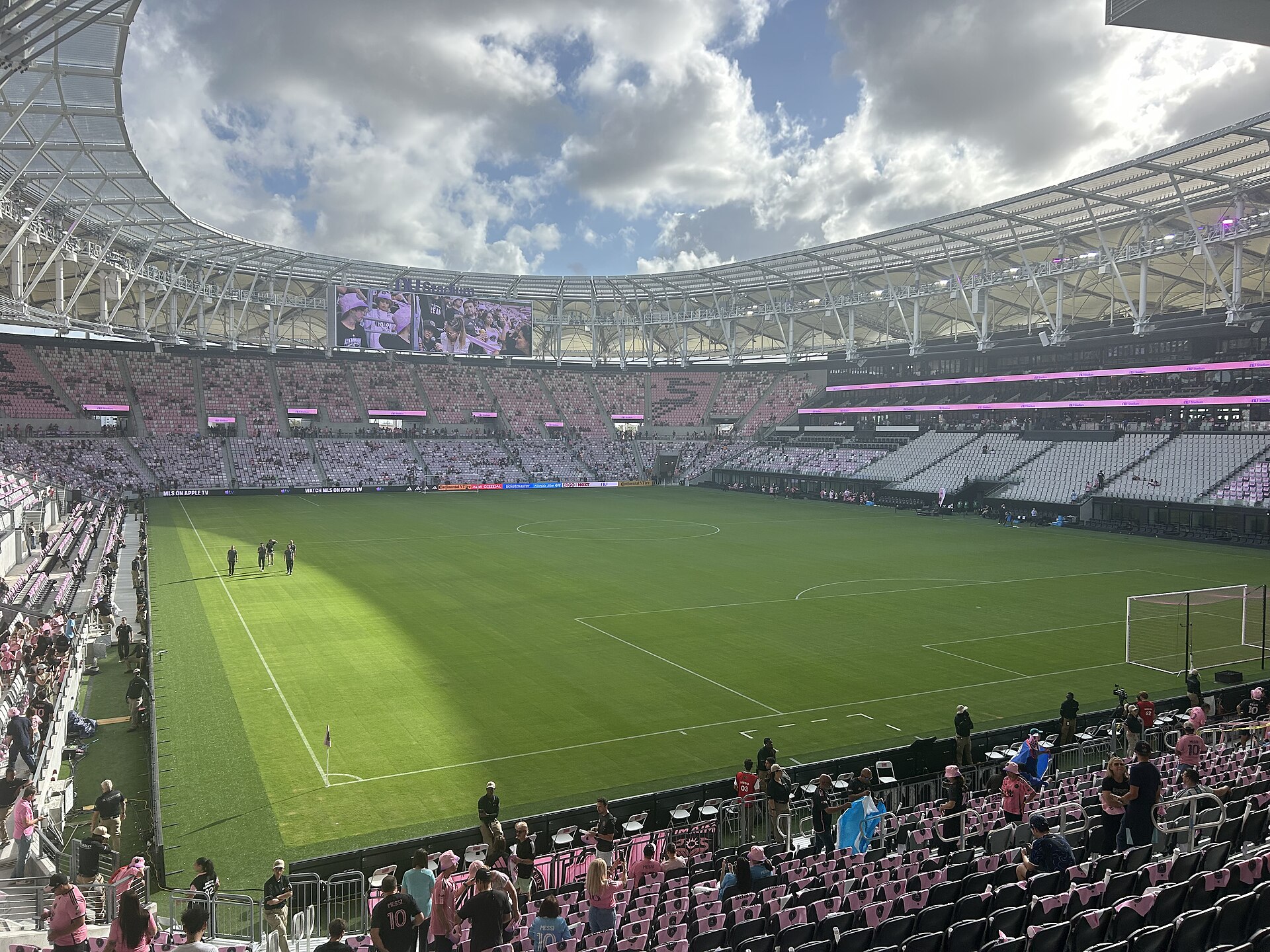
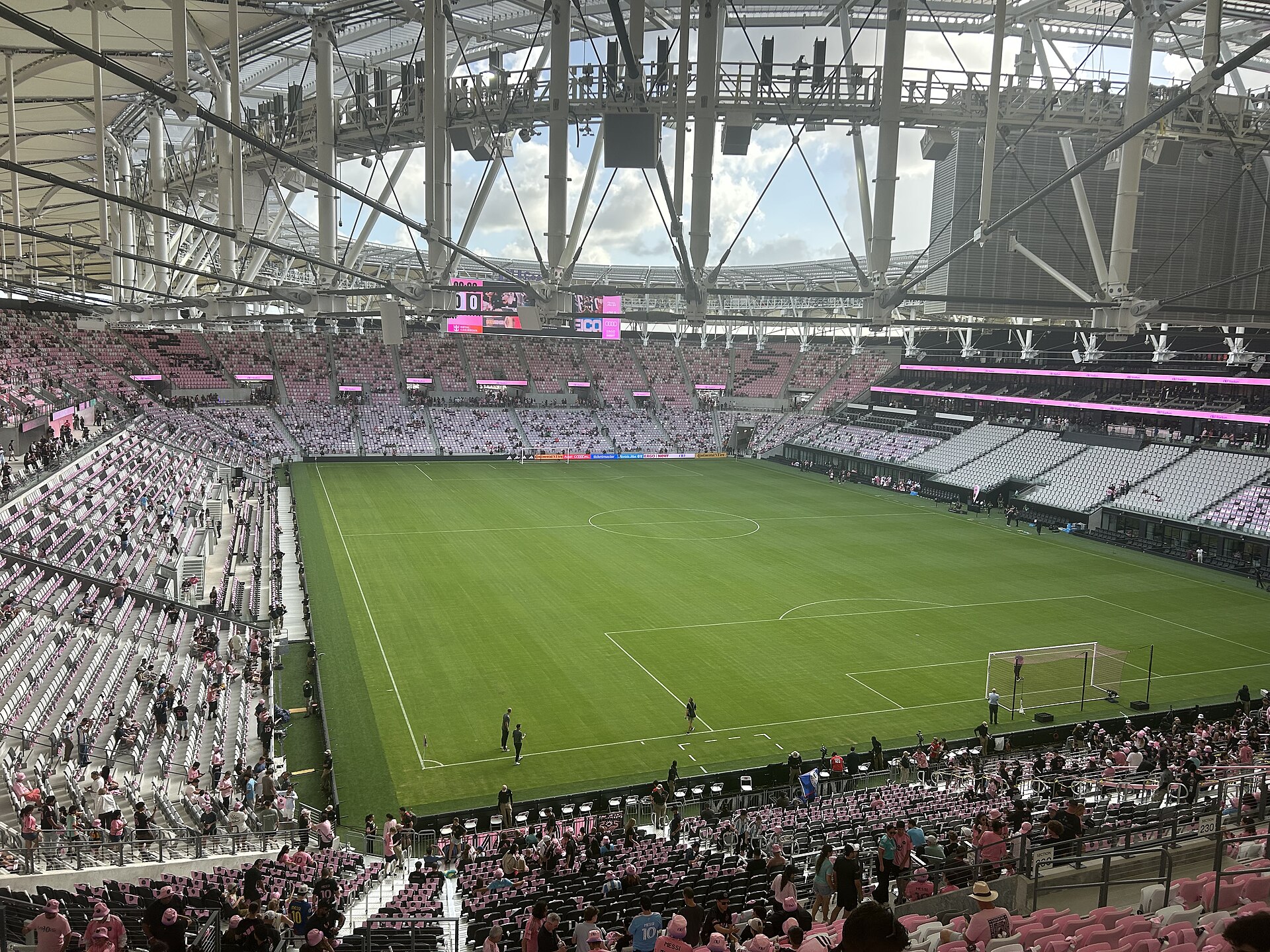
Nu Stadium is built as one continuous bowl in two levels, with no gaps at the corners and a canopy roof over the stands. The seats are pink and black, the club colors, arranged in patterns that read from across the stadium. At 26,700 it is small by the standards of big American stadiums and about average for new MLS grounds, and it feels tighter than the number suggests because the stands rise steeply and sit close to the field.
Where to sit
Ticket prices at Inter Miami are driven by opponent and date far more than by the seating chart, so choose your section by what you want from the evening.
- Lower level, along the sidelines, is the classic choice: close to the players, level with the action and the best view of the pace of the game. It is also the most expensive general seating.
- Upper level, near the halfway line, is the underrated option. Because the bowl is steep and compact, the upper tier is much closer to the field than the equivalent seats at an NFL stadium, and you can see the shape of both teams at once. If you are watching for tactics or one particular player’s movement, this is the better view.
- Behind the goals is usually cheaper, and good for watching one end, but it is harder to judge distances at the far end of the pitch.
- The supporters’ section is where the drums, flags and singing come from. It is the best atmosphere in the building, and not the place for a quiet evening or anyone who wants to sit down. Check the seating map for its location before you buy.
- Premium seating ranges from pitchside seats at field level through loge seats, boxes and clubs to private suites. These include food, drink or both, and they can be good value for a group compared with buying resale seats and paying for everything separately.
Weather
Most home matches kick off in the evening, which takes the edge off the heat, but summer humidity is relentless and thunderstorms roll in quickly. The roof keeps most of the rain off most of the seats; the front rows of the lower level are the most exposed. If lightning is detected nearby, play is suspended and fans may be asked to move to the concourses. Delays can run half an hour or more, which matters if you are relying on the last train or a babysitter.
Food and drink
Delaware North runs the food and drink, and the club billed the stadium as having the longest bar in MLS. Expect stadium prices for stadium food: fine, a little dull and expensive. Bring a card, because much of the payment at new venues is card only. The better food is ten minutes away, and eating before you come is the single best way to improve a matchday here.
Eat Before You Go
The stadium’s location looks awkward on a map, but it puts some of Miami’s best everyday food within a short drive.
- Little Havana is about ten minutes south on NW 37th Avenue. Versailles on Calle Ocho is the institution, with café cubano, croquetas and a full menu, and it is at its best in a group. El Rey de las Fritas does Cuban burgers topped with shoestring fries and batidos to wash them down. Our Little Havana guide and Cuban food guide have the full list.
- The Miami River is about fifteen minutes east, where the seafood restaurants along North River Drive, such as Garcia’s and Casablanca, serve fish off their own docks at the water’s edge. See our seafood restaurants guide.
- Downtown and Brickell are on the Orange Line, so you can eat near your hotel and ride straight to the match. Our Brickell guide covers the restaurants a short walk from the stations.
A Matchday Timeline
Most Inter Miami home matches kick off in the evening. Working back from a 7:30 p.m. start, this is the rhythm that avoids the worst of the queues:
| Time | What to do |
|---|---|
| 5:00 p.m. | Eat in Little Havana, on the river, or near your hotel downtown. |
| 6:00 p.m. | On the Orange Line, or in the car heading for the lot on your parking pass. |
| 6:00–6:30 p.m. | Gates usually open. Walk up from the station and go straight through security while the lines are short. |
| 6:30–7:15 p.m. | Find your seat, buy a drink, watch the warm-ups and the stadium fill. |
| 7:30 p.m. | Kickoff. |
| About 9:25 p.m. | Full time. Either leave with the crowd for the station, or wait twenty minutes in your seat while the lots and the rideshare zone clear. |
The mistake almost everyone makes once is arriving at 7:10 p.m. for a sell-out. Security is at its slowest then, the concourses are packed, and you miss the build-up, which at a full stadium is half the point of going.
Going With Children
An evening at Nu Stadium works well with children old enough to stay up for it, with a few adjustments. Avoid the supporters’ section, which stands, sings and bangs drums for the full ninety minutes. Bring ear defenders for small children, because the noise under the roof is considerable when the home team scores. Pack snacks and diapers in a clear bag and check the club’s rules on diaper bags before you leave, since there is no bag check to fall back on. Check the club’s ticket policy for very young children before you buy, too. The ten-minute walk from the station is easy with an older child, less so with a tired one at 10 p.m.; a parking pass in the nearest lot is worth paying for with toddlers. Our things to do with kids guide has more ideas for the rest of the trip.
Where to Stay for a Match
- Downtown or Brickell is the best all-round base. The Orange Line runs straight to the stadium, and the rest of your trip is on your doorstep. See our downtown and Brickell hotels guide.
- Near the airport is the convenient choice if the match is the whole point of the trip or you are flying out early the next morning. There are chain hotels along LeJeune Road and around the Blue Lagoon lakes, plus a hotel inside the terminal. It is cheap by Miami standards, practical and entirely without charm.
- Coral Gables is about fifteen minutes by car, quieter and much prettier, with good restaurants for the night before. Our Coral Gables guide covers the neighborhood.
- Miami Beach works if the beach is the main event and the match is one evening. Allow forty minutes or more each way and use a rideshare, not the car, unless you have a parking pass.
Our where to stay in Miami guide compares the neighborhoods on everything else.
Flying In on Matchday
Because the stadium is next to the airport, some visitors plan to land and go straight to the match, or leave the match and fly out that night. Both are possible, and both need care. The MIA Mover people mover links the terminal to the Intermodal Center, from where the stadium is the same ten-minute walk as from the train. The catch is luggage: there is no bag check at the stadium, and a suitcase will not get through security. Drop it at your hotel first.
Flying out the same night is riskier. A late winner, a lightning delay or slow traffic out of the lots can easily cost an hour, and MIA’s security lines at night are not predictable. If you must do it, book the last flight out, not the one after the final whistle, and read our Miami airport guide for how long to allow.
Nu Stadium Compared With Chase Stadium
Fans who went to Inter Miami’s old home in Fort Lauderdale will notice the difference immediately. Chase Stadium was a temporary ground that happened to be where the world’s most famous soccer player spent his first seasons in MLS: small, with an intimate atmosphere, and very hard to reach from Miami without a car. Nu Stadium is permanent, much bigger, covered, and built around proper concourses and premium seating. It is also, crucially, in Miami, on a rail line. What it has not yet had time to develop is the lived-in feel of an older ground, with established bars and rituals in the streets around it. That will come, but for now the pre-match life of an Inter Miami match happens in Little Havana, downtown and on the train rather than outside the gates.
If you are heading up to Fort Lauderdale anyway, our Fort Lauderdale from Miami guide covers the city.
Miami Freedom Park on a Non-Match Day
The stadium is one part of a larger development. The deal with the city includes public green space, and the site is planned for offices, shops and other commercial buildings, which are being built out around the stadium. The Inter Miami team store at the South Gate sells shirts and souvenirs. Beyond that, honestly, there is not much reason to come here unless there is a match on or you are killing time before a flight. For the rest of Miami’s sporting life, from the Heat downtown to the Marlins in Little Havana, see our Miami sports guide.
Honest Verdicts
- Take the train. The Orange Line and a ten-minute walk beat driving and rideshare on price, reliability and your temper after the match.
- Do not arrive by car without a parking pass. There is no matchday parking and nowhere sensible nearby to improvise.
- Leave the backpack at the hotel. No bag check means no second chances at the gate.
- The upper level is better than it looks on the seating chart, and usually cheaper than the lower bowl.
- Eat in Little Havana first. It is ten minutes away and better than anything inside the stadium.
- Do not plan a tight flight around a match. Being next to the airport does not make the timing any safer.
- The stadium is good, and the neighborhood is not a destination. Come for the match, and do everything else somewhere else.
Frequently Asked Questions
Where is the Miami Freedom Park stadium?
Nu Stadium is at 1900 NW 37th Avenue, immediately south of Miami International Airport and north of the Dolphin Expressway, about fifteen to twenty minutes by car from downtown Miami.
Can you take Metrorail to Nu Stadium?
Yes. Take the Orange Line to the Miami International Airport station at the Miami Intermodal Center, then walk about half a mile, around ten minutes, to the stadium. On game days trains run from 5 a.m. to midnight, roughly every 15 minutes. A single ride costs $2.25 and a 1-Day Pass $5.65.
Can I buy parking at Nu Stadium on matchday?
No. Parking has to be bought in advance, and the club expects it to sell out. Without a pass, take Metrorail, Tri-Rail or a rideshare.
What bags are allowed at Nu Stadium?
One clear bag no larger than 12″ x 6″ x 12″, or one clear one-gallon freezer bag, plus one small clutch no larger than 4.5″ x 6.5″. There is no bag check, so anything else has to go back to your car or be thrown away.
What time do the gates open?
Usually 60 to 90 minutes before kickoff. Check the club’s matchday information for the exact time, especially for big matches, when gates sometimes open earlier.
Does Nu Stadium have a roof?
It has a canopy roof over the stands, which covers most of the seating and keeps off most rain. The field is open to the sky, and the front rows of the lower level are the most exposed to weather.
How many people does Nu Stadium hold?
26,700. It opened on 4 April 2026 with Inter Miami’s match against Austin FC.
Where did Inter Miami play before Nu Stadium?
At Chase Stadium in Fort Lauderdale, a purpose-built temporary home on the site of the old Lockhart Stadium, from 2020 until the end of the 2025 season.
Getting a ticket is the harder part. Resale prices for a single match here have ranged from about $150 to more than $2,000, and the spread depends on the opponent, the day of the week and whether Messi is expected to play. Our Inter Miami tickets guide explains which matches are cheapest, where to buy safely and what the 2027 calendar change means for a trip.
Related Miami Guides
- Miami Sports Guide — every team, venue and ticket price in the city.
- Getting Around Miami — Metrorail, Metromover, buses and rideshare.
- Little Havana Guide — the neighborhood ten minutes south of the stadium.
- Miami Airport Guide — for visitors flying in or out around a match.
- Parking in Miami — rules, apps and towing.
- Cuban Food in Miami — where to eat before kickoff.
- Downtown and Brickell Hotels — the Orange Line base for a match weekend.
Photo Credits
Nu Stadium exterior at the South Gate: Exterior of Nu Stadium (1) by CubanoBoi, CC BY-SA 4.0, via Wikimedia Commons.
Stadium under construction, April 2025: Miami Freedom Park stadium construction April 2025 by Traintrak, CC BY-SA 4.0, via Wikimedia Commons.
Metrorail at Miami International Airport station: MDT Metrorail 306 at Miami Intermodal Center by Dough4872, CC BY-SA 4.0, via Wikimedia Commons.
Inside the bowl, lower level: Nu Stadium (1) by Cuban Boy, CC0, via Wikimedia Commons.
View from the upper level: Nu Stadium (10) by Cuban Boy, CC0, via Wikimedia Commons.